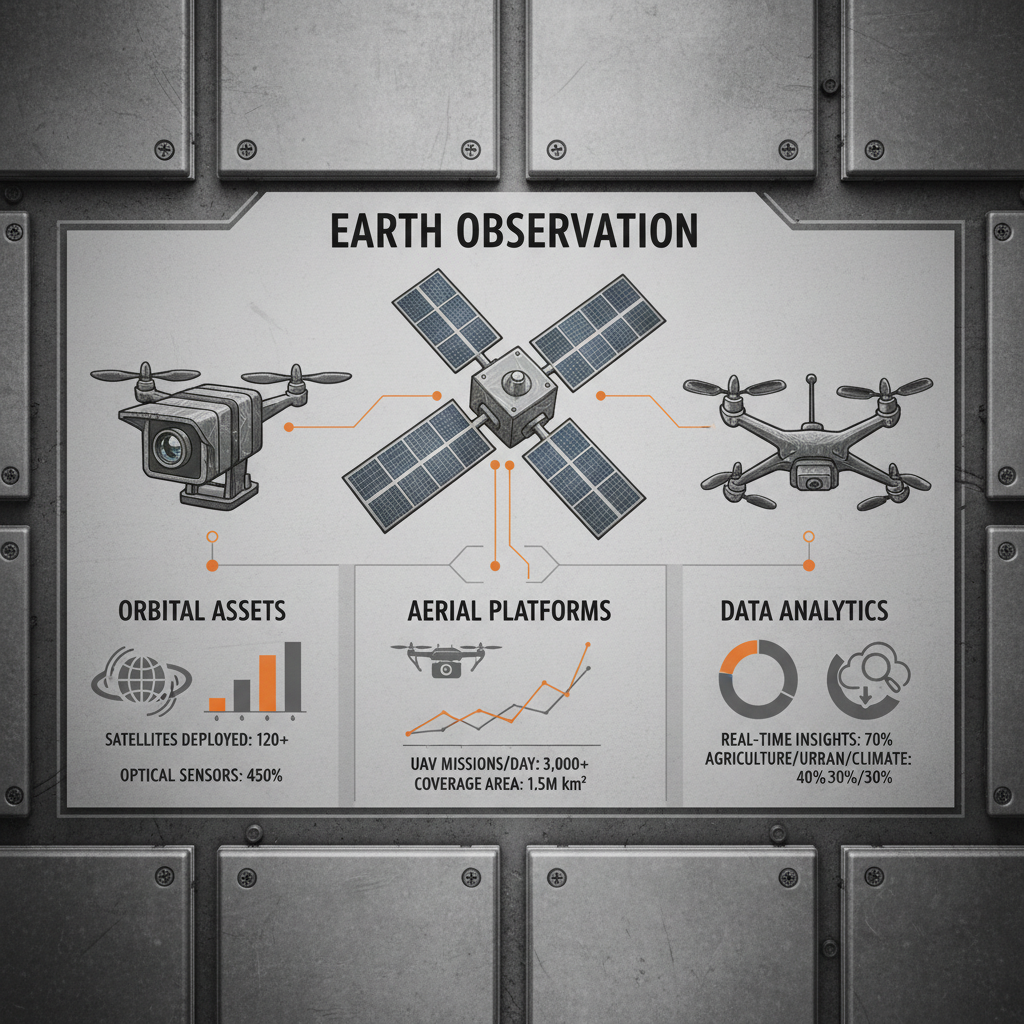
Earth observation, the systematic gathering of information about Earth's land, oceans, and atmosphere, is transforming our understanding of the planet and our ability to address global challenges. Utilizing satellite imagery, airborne sensors, and ground-based observations, this field provides crucial data for monitoring environmental changes, managing natural resources, and responding to crises. The advancements in earth observation technology are not merely scientific achievements; they are fundamental to building a more sustainable and resilient future for all.
The relevance of earth observation extends across numerous sectors, from agriculture and forestry to urban planning and disaster management. With a projected global population of nearly 10 billion by 2050, efficient resource management and proactive disaster preparedness are paramount. According to the United Nations, sustainable development goals (SDGs) rely heavily on accurate and timely earth observation data for monitoring progress and identifying areas needing intervention. The World Bank also increasingly uses earth observation data for assessing project impact and informing policy decisions.
This capability is no longer a luxury but a necessity, driven by the escalating impacts of climate change, increasing resource scarcity, and the growing demand for informed decision-making. Effective earth observation facilitates evidence-based strategies, empowers communities, and safeguards the planet for generations to come.
Introduction to Earth Observation
Earth observation is a multifaceted discipline that leverages technology to monitor our planet. It's fundamentally about gaining insight into Earth’s systems and processes—how they function, how they change, and how human activities impact them. This field utilizes a diverse array of tools, including satellites equipped with advanced sensors, aerial surveys conducted by drones and aircraft, and ground-based monitoring stations.
The insights derived from earth observation are not limited to scientific research. They play a critical role in informing policy decisions, supporting sustainable development, and enabling effective disaster response. earth observation data is becoming increasingly accessible, empowering individuals, organizations, and governments to make informed choices based on accurate and timely information.
Defining Earth Observation
At its core, earth observation involves acquiring data about the Earth’s surface, atmosphere, and oceans using various sensing technologies. This data encompasses a wide spectrum of information, including visible light, infrared radiation, microwave signals, and more. It's not simply about 'looking' at Earth; it's about interpreting the signals received from these sensors to understand the physical and biological processes occurring on our planet.
Modern earth observation is inextricably linked to advancements in remote sensing, geospatial analysis, and data science. It provides a non-invasive means of gathering information over vast areas, often inaccessible or too dangerous for traditional field studies. This ability is essential for monitoring large-scale phenomena like deforestation, glacier melt, and ocean currents.
The connection to modern industry and humanitarian needs is undeniable. From precision agriculture optimizing crop yields to early warning systems for natural disasters, earth observation delivers actionable intelligence that improves lives and protects the environment.
Core Components of Earth Observation
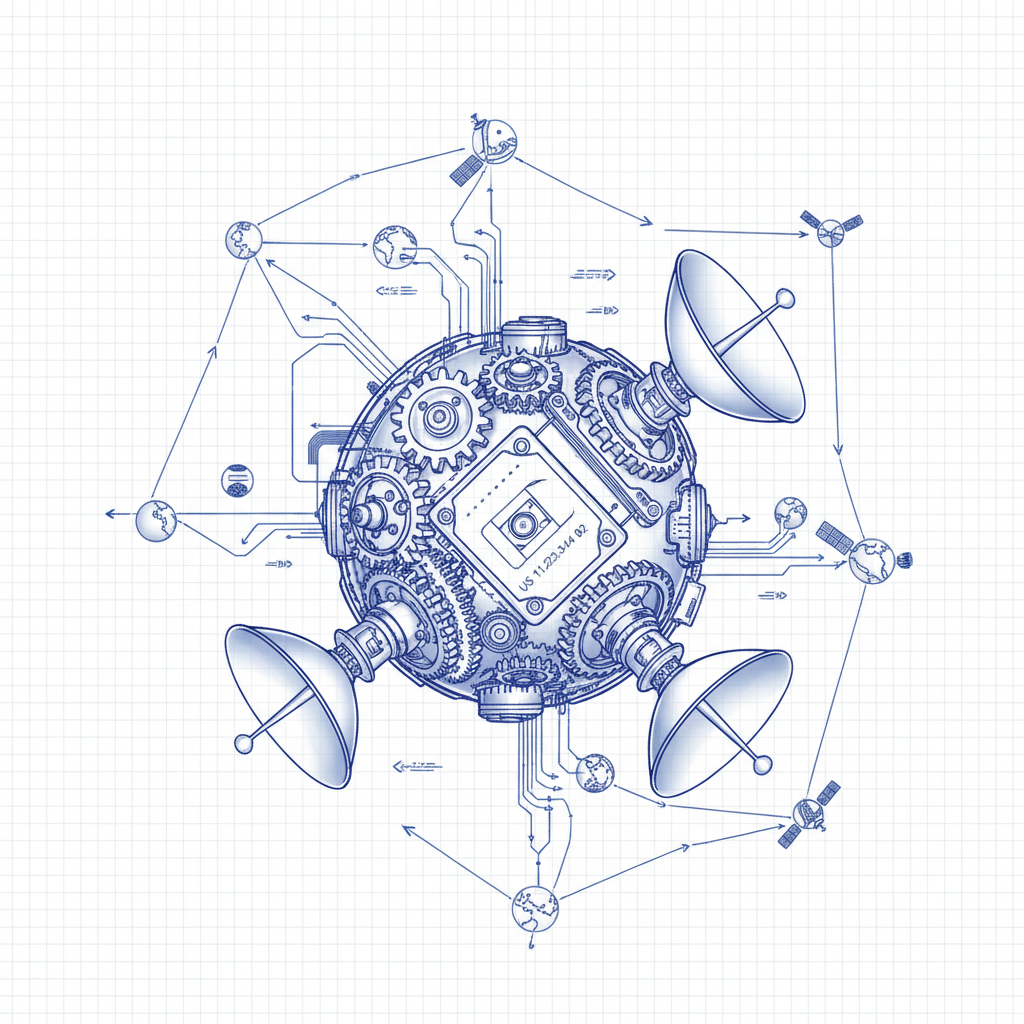
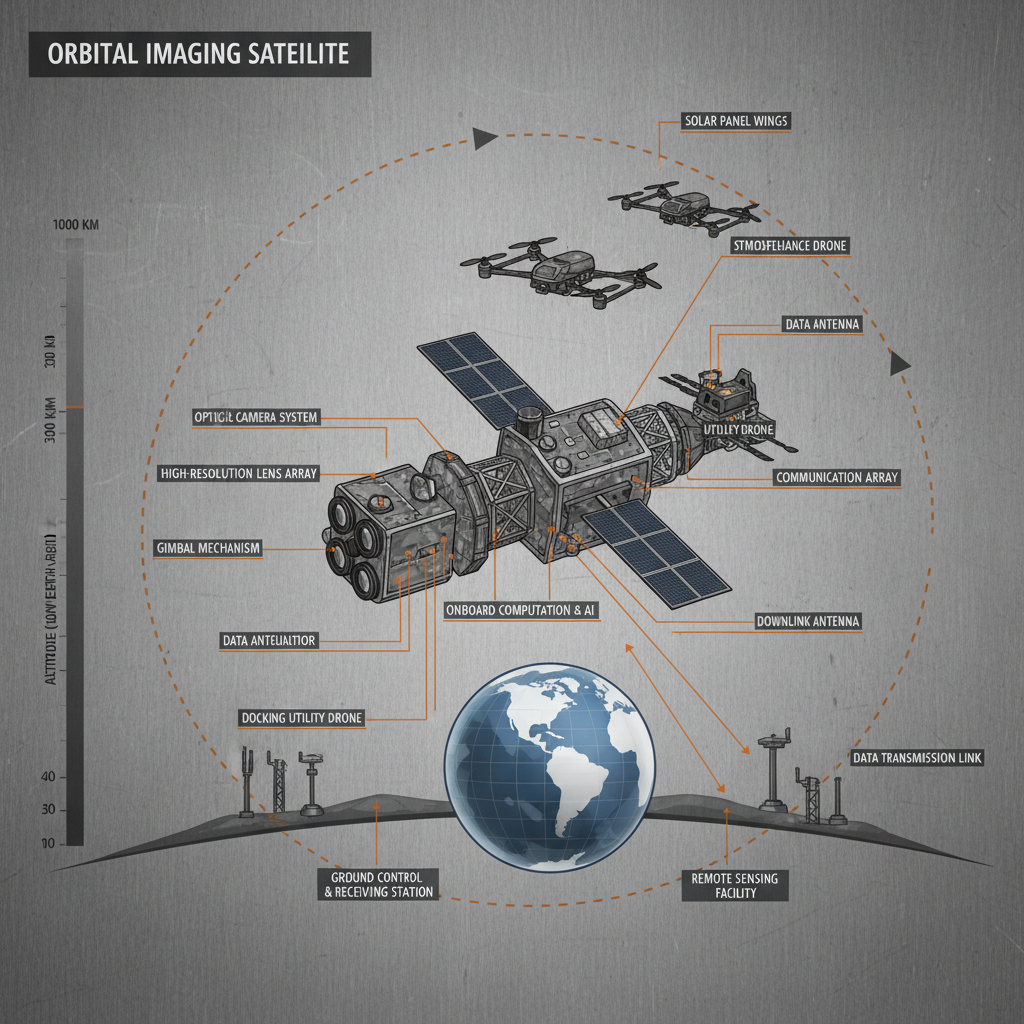
Earth observation isn't a single technology; it's a convergence of several key components. These components work together to create a comprehensive system for monitoring our planet. One essential element is the satellite constellation providing continuous coverage and data streams. Different satellites are equipped with sensors optimized for specific wavelengths and applications.
Another critical component is the ground segment, which includes receiving stations, data processing centers, and analytical software. These facilities are responsible for capturing the signals transmitted from satellites, converting them into usable data, and analyzing the information to generate meaningful insights. Sophisticated algorithms and machine learning techniques are increasingly employed to automate data processing and identify patterns.
Furthermore, the development and maintenance of accurate geospatial databases and mapping systems are vital. This includes the creation of digital elevation models (DEMs), land cover maps, and other geospatial layers that provide context for interpreting earth observation data. Collaboration between researchers, government agencies, and the private sector is crucial for ensuring data quality, accessibility, and interoperability.
Key Factors Influencing Earth Observation
Several factors impact the effectiveness and accuracy of earth observation. Sensor resolution – the level of detail captured in an image – is paramount. Higher resolution allows for the identification of smaller features, but it also comes with increased data volume and cost.
Atmospheric conditions, such as cloud cover and aerosols, can significantly affect data quality. Data processing techniques are employed to mitigate these effects, but complete removal is often impossible. The frequency of observations also plays a crucial role, particularly for monitoring dynamic phenomena.
Comparison of Earth Observation Method Ratings
Global Applications of Earth Observation
The applications of earth observation are incredibly diverse and continue to expand. In agriculture, satellite imagery is used for crop monitoring, yield prediction, and precision farming, helping farmers optimize resource use and improve productivity. In environmental monitoring, earth observation data is used to track deforestation, assess water quality, and monitor air pollution.
In post-disaster relief operations, earth observation provides critical information for damage assessment, identifying affected populations, and coordinating rescue efforts. For example, satellite imagery can quickly map flooded areas after a hurricane or identify landslides triggered by earthquakes. In remote industrial zones, earth observation can monitor infrastructure integrity and detect potential environmental hazards.
Advantages and Long-Term Value
The advantages of earth observation are significant and far-reaching. Cost-effectively monitoring large areas is a major benefit, often exceeding the capabilities of traditional ground-based methods. The temporal consistency of satellite data allows for long-term trend analysis, revealing patterns and changes that might otherwise go unnoticed.
Beyond economic advantages, earth observation contributes to greater sustainability by enabling informed resource management and environmental protection. It fosters social impact by supporting disaster preparedness and humanitarian aid. By providing reliable and objective data, it builds trust and transparency in decision-making. The continuous innovation in sensor technology and data processing techniques ensures that earth observation will remain a vital tool for addressing global challenges for years to come.
Future Trends in Earth Observation
The future of earth observation is bright, driven by several exciting trends. The emergence of small satellite constellations, offering higher revisit rates and lower costs, is revolutionizing data accessibility. The integration of artificial intelligence (AI) and machine learning (ML) is automating data analysis and unlocking new insights. The development of hyperspectral sensors, capable of capturing a wider range of wavelengths, will enhance the ability to identify and characterize different materials and phenomena.
These advancements are enabling new applications in areas such as precision agriculture, urban planning, and climate change mitigation. Furthermore, the increasing focus on open data policies and cloud-based platforms is making earth observation data more readily available to researchers, businesses, and the public, fostering innovation and collaboration. The convergence of earth observation with other technologies, such as the Internet of Things (IoT) and Big Data analytics, promises to further amplify its impact.
The demand for real-time, actionable insights will continue to drive innovation in this field. Expect to see more sophisticated data fusion techniques, combining data from multiple sources to create a more complete and accurate picture of our planet.
FAQS
The primary data sources include optical imagery from satellites (like Landsat and Sentinel), radar data, LiDAR (Light Detection and Ranging) data from airborne sensors, and data from ground-based monitoring stations. Each source provides different types of information and is suitable for different applications. Satellite data provides broad-scale coverage, while airborne and ground-based data offer higher resolution and more detailed information for specific areas.
Cloud cover is a significant challenge for optical earth observation. Clouds block the view of the Earth’s surface, obscuring features and reducing data quality. Several techniques are used to mitigate this, including using radar data which can penetrate clouds, employing cloud masking algorithms to identify and remove cloud-affected areas, and utilizing data from multiple sensors and time periods to fill gaps caused by cloud cover.
Geographic Information Systems (GIS) are crucial for analyzing and visualizing earth observation data. GIS software allows users to integrate earth observation data with other geospatial datasets, perform spatial analysis, and create maps and other visualizations. This integration helps users extract meaningful insights from the data and make informed decisions. It allows for the overlaying of earth observation imagery with demographic data, infrastructure maps, and other relevant information.
Businesses across various sectors can benefit from earth observation. In agriculture, it helps optimize crop yields. In insurance, it assesses risk and manages claims. In energy, it monitors pipelines and infrastructure. In finance, it analyzes commodity prices and market trends. Access to high-resolution imagery and analytical tools allows businesses to make data-driven decisions, improve efficiency, and gain a competitive advantage.
Passive sensors, like optical cameras, detect naturally occurring electromagnetic radiation reflected or emitted by the Earth’s surface. Active sensors, like radar, emit their own energy signal and measure the reflected signal. Active sensors can operate day or night and penetrate clouds, while passive sensors rely on sunlight and are affected by atmospheric conditions. Both types play essential roles in earth observation.
Earth observation is fundamental to climate change research. Satellite data is used to monitor sea level rise, glacier melt, deforestation rates, changes in vegetation cover, and greenhouse gas concentrations. This data provides critical evidence of climate change impacts and informs mitigation and adaptation strategies. Long-term satellite records allow scientists to track trends and develop predictive models.
Conclusion
Earth observation represents a transformative technology with the power to address some of the world's most pressing challenges. From monitoring environmental changes and managing natural resources to responding to disasters and promoting sustainable development, the applications are vast and continually expanding. The continuous improvements in sensor technology, data processing techniques, and data accessibility are driving innovation and unlocking new opportunities for understanding and protecting our planet.
Looking ahead, the integration of earth observation with artificial intelligence, big data analytics, and cloud computing will further amplify its impact. By fostering collaboration between researchers, governments, and the private sector, we can harness the full potential of earth observation to create a more sustainable, resilient, and equitable future for all. Visit our website at www.space-navi.com to learn more about how earth observation can benefit your organization.