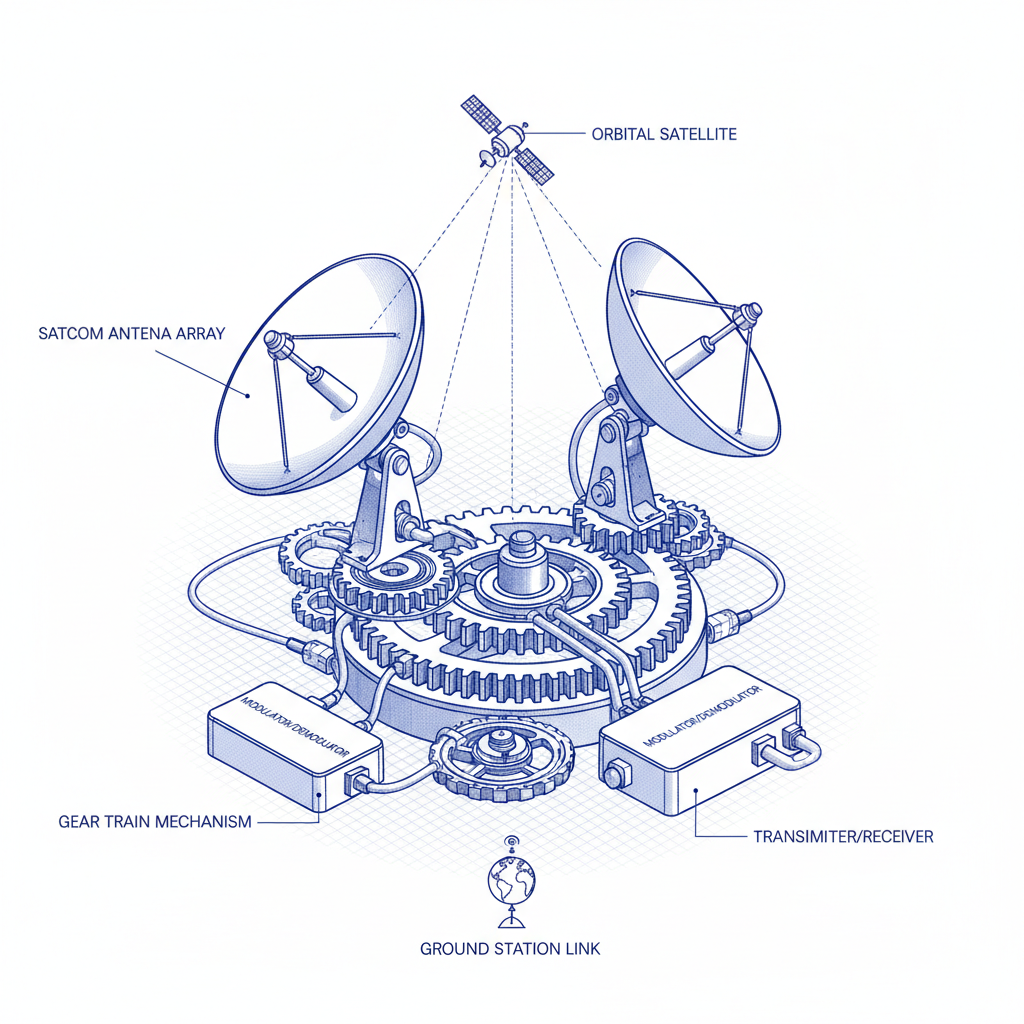
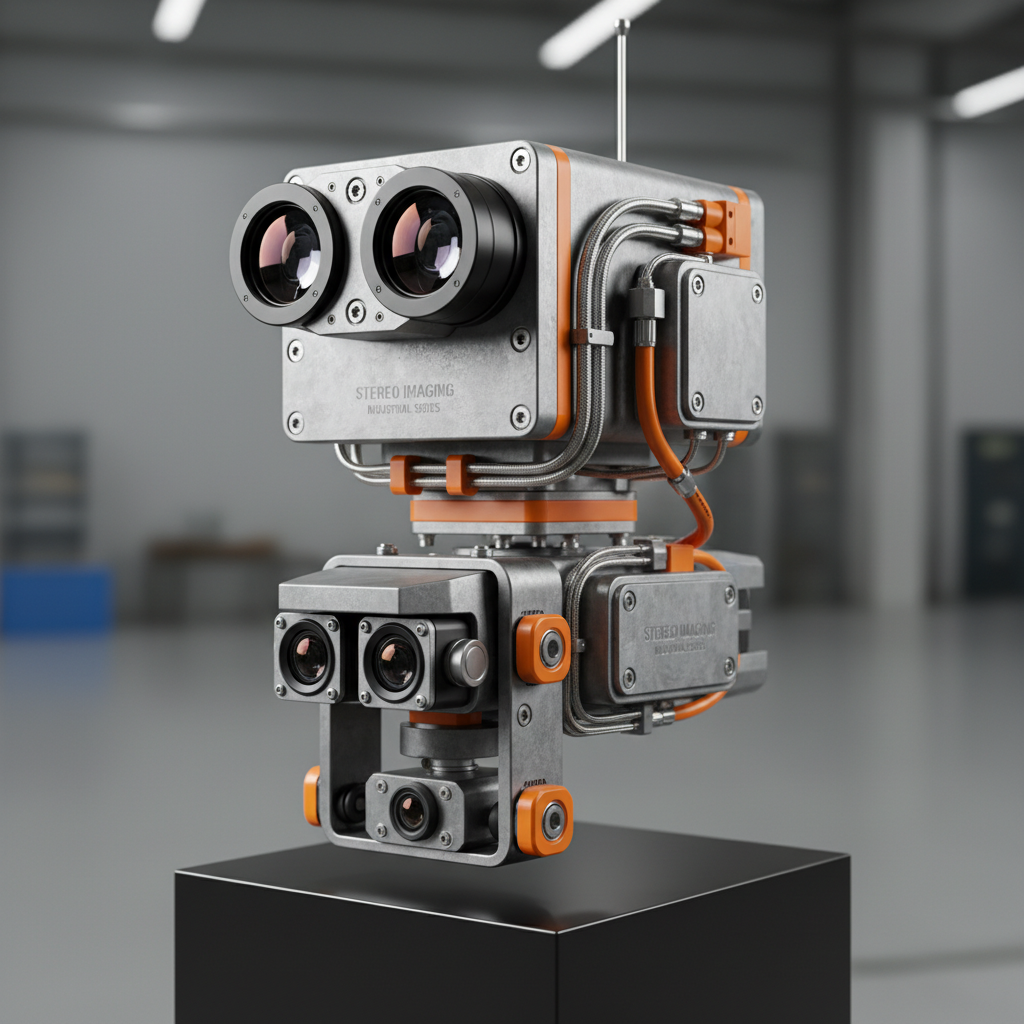
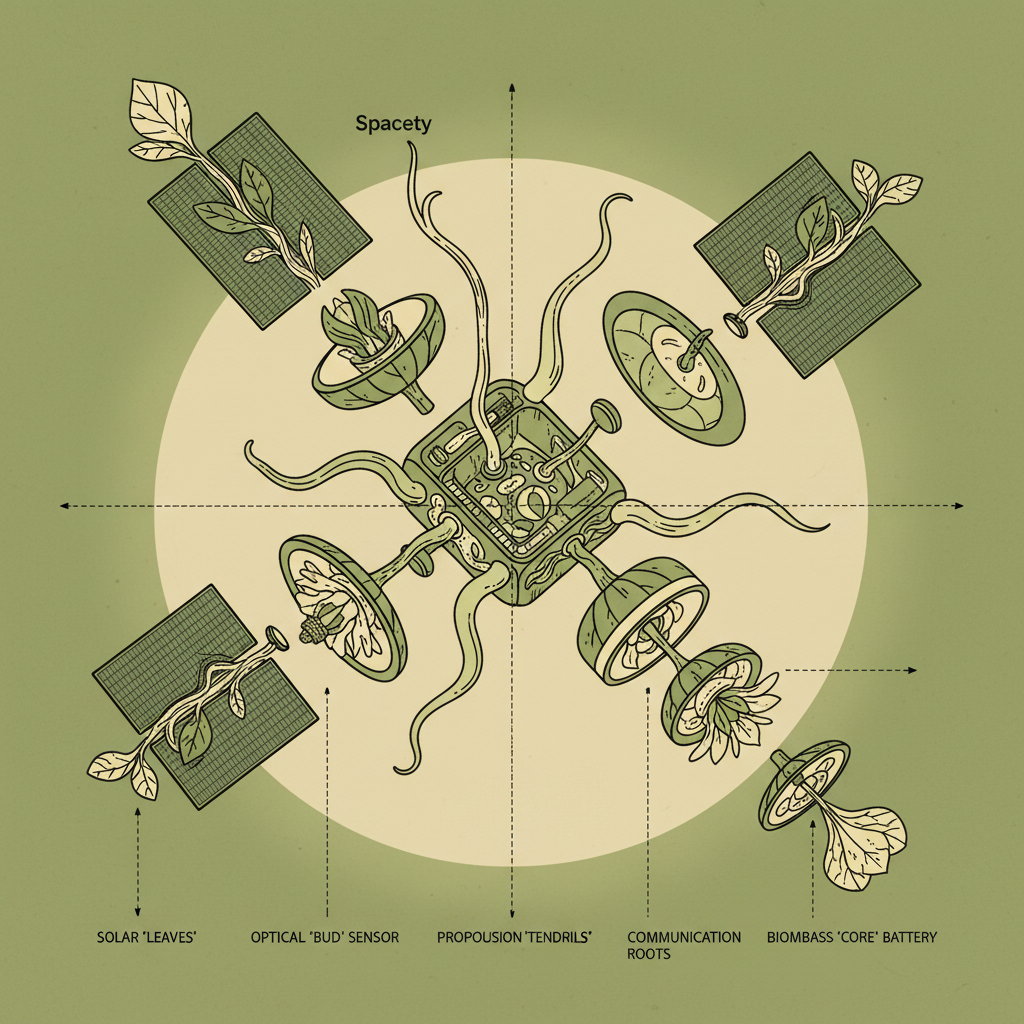
Orbital parameters are fundamental to understanding the motion of celestial bodies and artificial satellites. Their precise determination is crucial for space exploration, communication, navigation, and remote sensing. These parameters, defining an object's trajectory, aren’t simply academic exercises; they are the bedrock of modern technologies impacting daily life, from GPS systems to weather forecasting. A thorough understanding of orbital parameters empowers us to predict and control the position and velocity of objects in space, unlocking countless possibilities.
Globally, the demand for accurate orbital data is increasing exponentially. The proliferation of satellites, driven by commercial ventures like SpaceX’s Starlink and governmental programs focused on Earth observation, necessitates robust tracking and predictive capabilities. According to the United Nations Office for Outer Space Affairs (UNOOSA), the number of objects tracked in Earth orbit continues to rise, creating increasing concerns about space debris and the need for improved orbital management. Investment in technologies related to orbital parameters, therefore, represents a strategic imperative for nations and organizations worldwide.
The increasing reliance on space-based infrastructure – for communication, resource management, and national security – elevates the importance of mastering these parameters. Challenges relating to space situational awareness and collision avoidance directly stem from the need to accurately model and predict orbital behavior, making the study and application of orbital parameters a critical field.
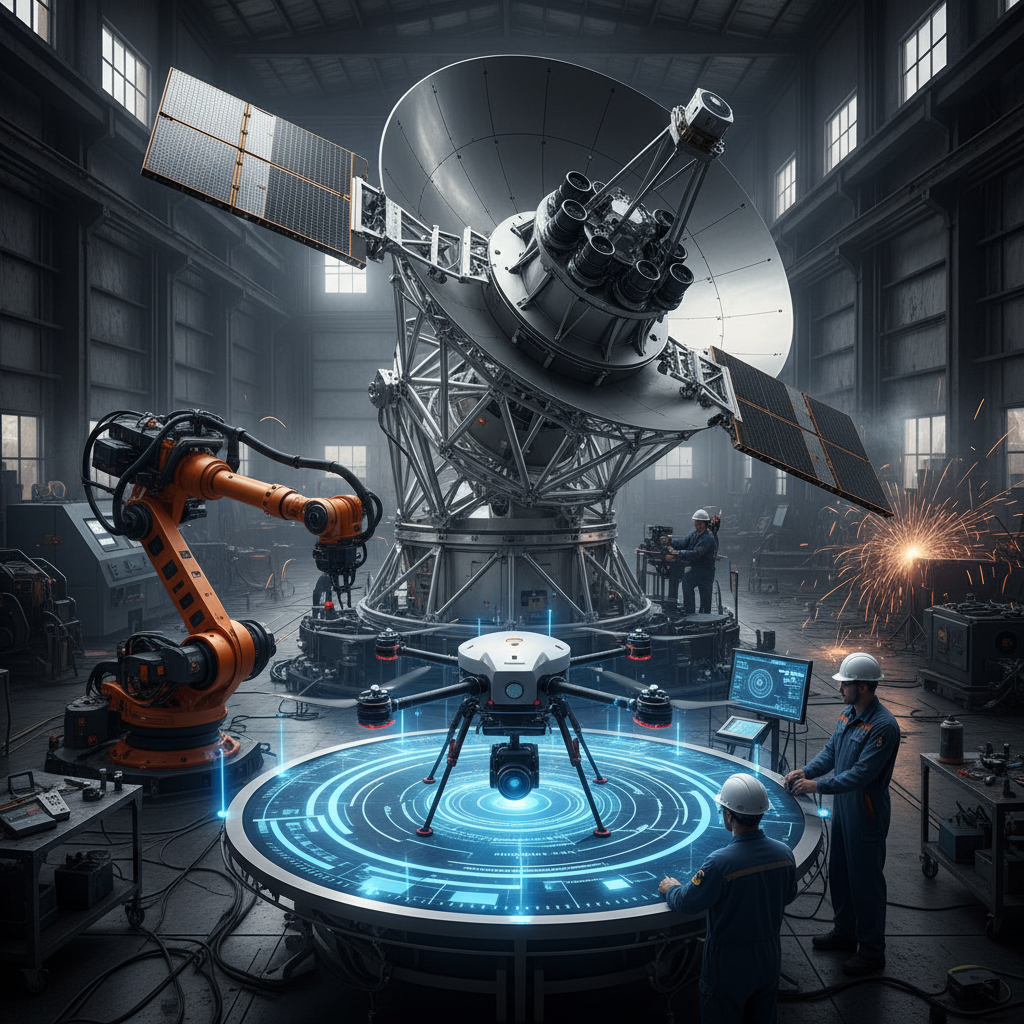
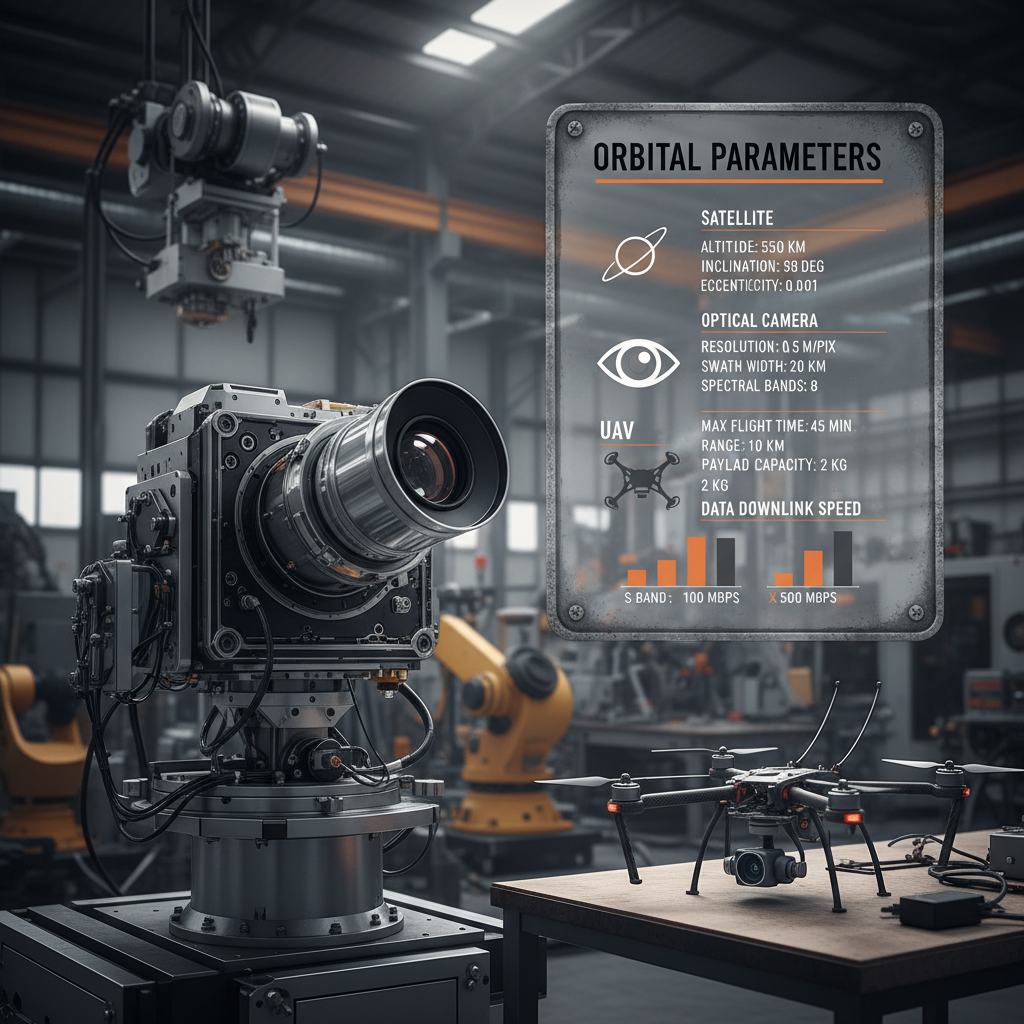
Orbital parameters are the set of values that uniquely define the shape, size, and orientation of an orbit. These values allow us to precisely calculate the position of an orbiting object at any given time. Understanding these parameters is not just for astronomers and aerospace engineers; they underpin a wide array of technologies we rely on daily.
The importance of accurately determining orbital parameters extends beyond scientific curiosity. For example, precise orbital knowledge is vital for maintaining the functionality of satellite-based communication systems, predicting the re-entry of space debris, and planning future space missions. The field continually evolves with advancements in tracking technologies and computational models.
The biggest source of error typically stems from atmospheric drag, particularly for low Earth orbit satellites. The Earth's atmosphere, though thin at these altitudes, still exerts a force on objects, slowing them down and altering their trajectory. Accurately modeling atmospheric density is a significant challenge, as it varies with solar activity and other factors. Other sources include imperfections in the gravitational models and limitations in tracking accuracy.
The frequency of updates depends on the orbit and the required accuracy. For high-precision applications, such as satellite navigation or precise Earth observation, orbital parameters may need to be updated several times a day, or even in real-time. For less demanding applications, updates may be sufficient weekly or monthly. The longer the time between updates, the greater the potential for positional errors.
Orbital elements (Keplerian elements) are a set of six parameters that define the shape and orientation of an orbit. Orbital state vectors, on the other hand, provide the position and velocity of an object at a specific point in time. State vectors are often calculated from orbital elements, and they are more useful for short-term predictions, while elements describe the overall orbital characteristics.
Solar radiation pressure is a subtle but continuous force exerted by photons from the Sun on orbiting objects. This force can alter the orbit, especially for satellites with large surface areas and low mass. Its effects are more pronounced for high-altitude orbits and can lead to gradual changes in the orbital parameters over time, requiring correction through orbit maintenance maneuvers.
Gravity is the fundamental force governing orbital motion. The gravitational pull of the central body (e.g., Earth) dictates the shape and orientation of the orbit. However, the gravity field of a planet isn't perfectly uniform; variations in mass distribution (gravitational anomalies) can perturb the orbit, requiring complex models to accurately determine orbital parameters. The influence of other celestial bodies (Moon, Sun) also needs consideration.
Yes, several open-source tools and libraries are available for calculating orbital parameters. Popular options include Orekit (Java), Astropy (Python), and GMAT (General Mission Analysis Tool). These tools provide functionalities for orbit propagation, parameter estimation, and visualization, making them valuable resources for researchers, students, and satellite operators. They allow users to explore orbital mechanics without significant upfront costs.
Orbital parameters represent the cornerstone of space-based activities, influencing everything from satellite navigation and communication to space debris management and scientific research. Accurate determination and prediction of these parameters are crucial for ensuring the safety, reliability, and sustainability of our ventures into space. Understanding these parameters and the technologies supporting their analysis is no longer solely the domain of experts but a necessity for anyone involved in the growing space economy.
Looking ahead, continued investment in advanced tracking technologies, coupled with the application of machine learning and artificial intelligence, will revolutionize our ability to predict and control orbital behavior. By embracing these innovations, we can unlock the full potential of space and harness its benefits for the betterment of humanity. For more in-depth information and cutting-edge developments in the field of orbital parameters, visit our website: www.space-navi.com