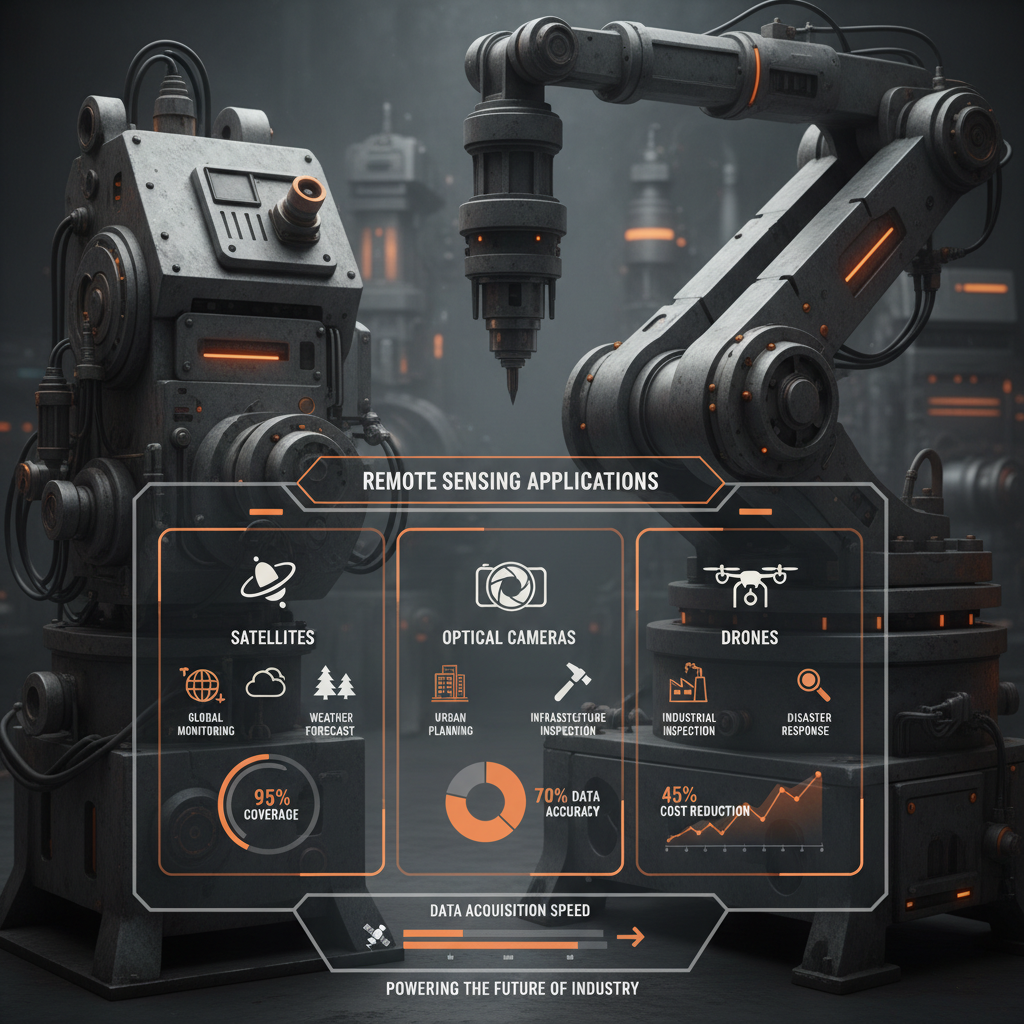
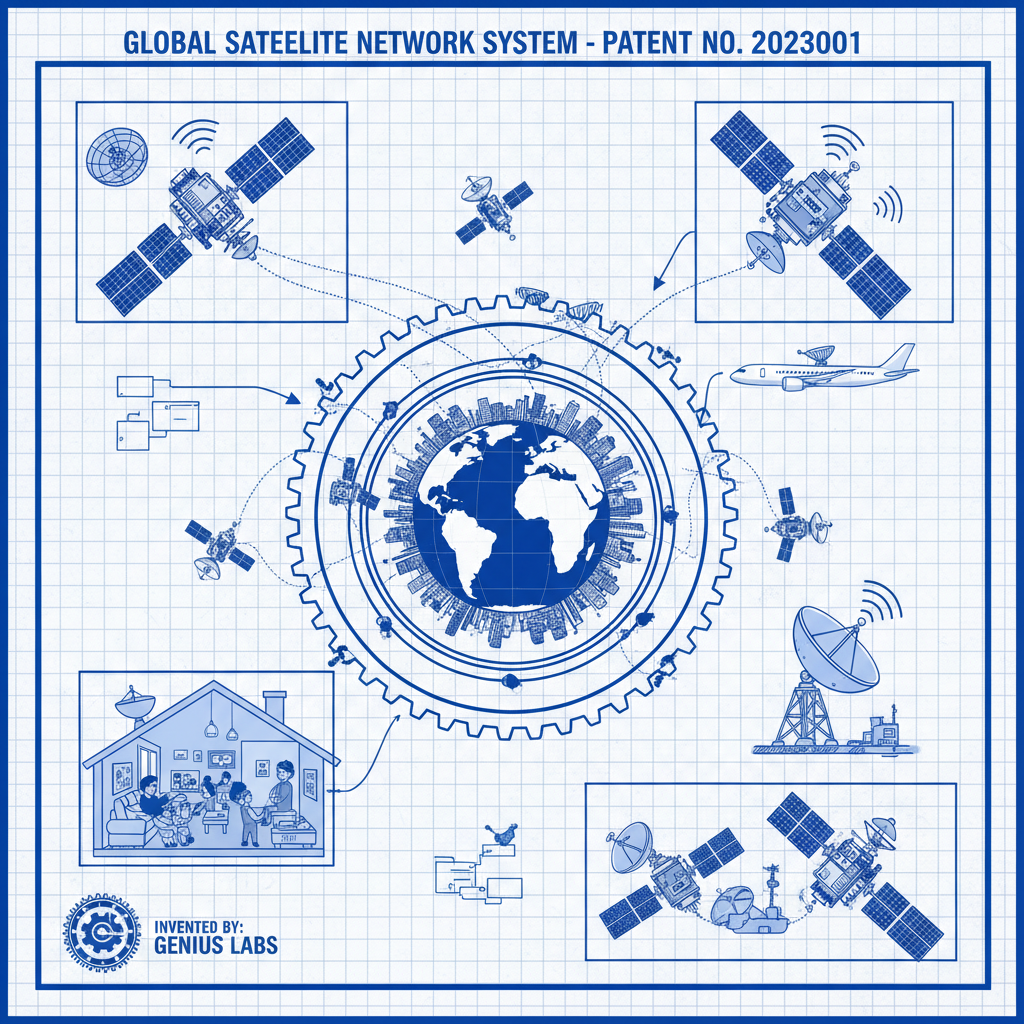
The application of remote sensing technologies has revolutionized how we understand and interact with our planet. From monitoring environmental changes to aiding disaster response and optimizing agricultural practices, its impact is far-reaching. This capability, utilizing sensors to gather data about Earth's surface without physical contact, has become indispensable across a multitude of sectors, offering insights previously unattainable. Understanding the breadth of application of remote sensing is crucial for addressing global challenges and fostering sustainable development.
Globally, the market for remote sensing is experiencing substantial growth, projected to reach USD 15.2 billion by 2028, according to a recent report by Fortune Business Insights. This expansion is fueled by increasing demand for accurate and timely geospatial data, driven by initiatives like the UN’s Sustainable Development Goals and the World Bank’s climate change adaptation programs. The capacity for application of remote sensing to monitor deforestation, track urban expansion, and assess water resources is pivotal for informed decision-making.
However, challenges remain in maximizing the potential of this technology. These include data processing complexities, the need for skilled professionals, and ensuring equitable access to remote sensing data and resources, particularly in developing nations. Addressing these hurdles is essential to unlock the full transformative power of application of remote sensing for a more sustainable and resilient future.
Introduction to application of remote sensing
Remote sensing isn't simply about taking pictures from space; it's a sophisticated process that transforms raw data into actionable intelligence. This intelligence powers a wide range of applications, impacting everything from city planning to climate modeling. The technology allows for large-scale data collection and analysis, which is vital in a world facing rapidly evolving environmental and societal challenges. The true power of application of remote sensing lies in its ability to provide a synoptic view – a broad perspective – that’s impossible to achieve through traditional ground-based surveys.
The demand for skilled professionals in remote sensing is steadily increasing, highlighting the growing recognition of its importance. Businesses, governments, and research institutions all require experts who can interpret remote sensing data and translate it into meaningful solutions. As sensor technology advances and data availability expands, the possibilities for application of remote sensing continue to broaden, making it a vital field for innovation and problem-solving.
Defining Application of Remote Sensing
Application of remote sensing is the science and art of obtaining information about an object, area, or phenomenon without making physical contact with it. This is typically accomplished by analyzing the energy reflected or emitted from the target, using sensors mounted on platforms like satellites, aircraft, or drones. The gathered data is then processed and analyzed to create maps, images, and other visual representations, providing insights into the characteristics of the target.
At its core, application of remote sensing bridges the gap between abstract data and real-world understanding. It’s crucial in modern industry because it enables efficient monitoring and analysis of vast areas, reducing costs and time compared to traditional methods. For example, in agriculture, remote sensing can assess crop health and identify areas needing irrigation or fertilization, leading to optimized yields.
In humanitarian contexts, application of remote sensing plays a vital role in disaster management, mapping refugee settlements, and monitoring food security. Its ability to provide rapid and comprehensive assessments is invaluable when responding to crises and allocating resources effectively. The use of application of remote sensing is constantly evolving with newer technologies.
Core Components of Effective Remote Sensing
Effective application of remote sensing hinges on several key components working in synergy. First, the sensor itself is paramount – its spectral resolution (the range of wavelengths it can detect), spatial resolution (the level of detail it can capture), and radiometric resolution (its sensitivity to differences in energy levels) all influence the quality of the data. Secondly, the platform upon which the sensor is mounted (satellite, aircraft, drone) determines the area coverage, revisit time, and cost.
Crucially, data processing techniques are essential for converting raw sensor data into usable information. This involves geometric correction (removing distortions), atmospheric correction (compensating for atmospheric effects), and image classification (identifying different features within the image). Finally, expert interpretation is required to translate the processed data into meaningful insights and actionable intelligence. Proper data management and archiving complete the process.
The integration of these components, along with advanced analytical methods like machine learning, enables the application of remote sensing to tackle complex problems across various disciplines. Furthermore, the accessibility of cloud-based platforms is making these technologies more readily available to a wider range of users.
Key Factors Influencing Remote Sensing Accuracy
The accuracy of application of remote sensing data is influenced by a multitude of factors. Atmospheric conditions, such as clouds, haze, and aerosols, can significantly impact the quality of the signal received by the sensor. Topographic variations can also cause geometric distortions, requiring careful correction. Furthermore, the inherent limitations of the sensor itself, including its resolution and sensitivity, play a critical role.
Proper calibration of the sensor and rigorous data pre-processing are essential for minimizing errors and maximizing accuracy. Ground truthing – validating remote sensing data with on-the-ground measurements – is crucial for ensuring reliability and building confidence in the results.
Accuracy Factors Impacting application of remote sensing
Global Applications and Use Cases of Remote Sensing
The applications of remote sensing are incredibly diverse, spanning numerous industries and disciplines. In agriculture, it’s used for precision farming, crop monitoring, and yield prediction. In forestry, it aids in forest inventory, deforestation monitoring, and fire detection. In urban planning, it assists with land use mapping, infrastructure development, and population estimation.
In environmental monitoring, application of remote sensing is crucial for tracking pollution levels, assessing water quality, and monitoring biodiversity. For instance, satellite imagery is used to track the spread of oil spills and assess the damage to marine ecosystems. Organizations like NASA and the European Space Agency (ESA) are heavily involved in developing and deploying remote sensing technologies for environmental research. In post-disaster relief operations, remote sensing provides rapid assessments of damage, facilitating efficient resource allocation and rescue efforts.
Advantages and Long-Term Value of Application of Remote Sensing
The advantages of application of remote sensing are numerous and significant. It provides a cost-effective means of collecting data over large areas, reducing the need for expensive and time-consuming ground surveys. It offers a synoptic view, allowing for comprehensive monitoring and analysis of complex systems. Data is collected consistently, which is invaluable for tracking changes over time and identifying trends.
The long-term value of application of remote sensing lies in its contribution to sustainable development, informed decision-making, and improved resource management. By providing insights into environmental changes, population dynamics, and infrastructure development, it empowers policymakers and stakeholders to address critical challenges and build a more resilient future. The technology fosters transparency and accountability, allowing for better monitoring of environmental regulations and land use practices.
Future Trends and Innovations in Remote Sensing
The field of application of remote sensing is rapidly evolving, driven by advancements in sensor technology, data processing techniques, and artificial intelligence. Hyperspectral imaging, which captures data across a wide range of wavelengths, is gaining prominence, enabling more detailed analysis of material composition. Small satellites, or CubeSats, are making remote sensing more accessible and affordable.
The integration of machine learning and deep learning algorithms is revolutionizing data analysis, enabling automated feature extraction, object recognition, and predictive modeling. Cloud computing is also playing a key role, providing scalable storage and processing capabilities. These advancements will unlock new possibilities for application of remote sensing in areas such as precision agriculture, climate change mitigation, and urban resilience.
Table Summarizing Key Future Trends in Application of Remote Sensing
| Trend Category |
Technology Driver |
Impact on Application of Remote Sensing |
Implementation Timeline |
| Sensor Technology |
Hyperspectral Imaging |
Enhanced material identification and analysis |
2-5 years |
| Platform Innovation |
CubeSats |
Lower cost and increased access to data |
Currently being implemented |
| Data Analytics |
Machine Learning |
Automated feature extraction and predictive modeling |
1-3 years |
| Data Processing |
Cloud Computing |
Scalable data storage and processing capabilities |
Currently being implemented |
| Data Fusion |
LiDAR & Optical Imagery |
Improved 3D modeling and topographic mapping |
3-5 years |
| Sensor Networks |
Internet of Things (IoT) |
Real-time environmental monitoring and data collection |
5+ years |
FAQS
Satellite-based remote sensing, while offering broad coverage, often suffers from limitations in spatial resolution, making it challenging to discern fine details in urban environments. Cloud cover frequently obstructs data acquisition, and atmospheric effects can introduce inaccuracies. Additionally, the cost of high-resolution satellite imagery can be prohibitive for some applications. Complementary data sources, such as aerial imagery and LiDAR, are often necessary to overcome these limitations and achieve detailed urban analysis.
Application of remote sensing provides valuable insights for precision agriculture by assessing crop health, identifying areas needing irrigation or fertilization, and monitoring plant stress. Multispectral and hyperspectral imagery can detect subtle differences in vegetation reflectance, revealing early signs of disease or nutrient deficiencies. This allows farmers to optimize resource allocation, reduce input costs, and increase crop yields. NDVI (Normalized Difference Vegetation Index) is a commonly used metric derived from remote sensing data for assessing vegetation health.
LiDAR (Light Detection and Ranging) is an active remote sensing technology that uses laser pulses to create detailed 3D models of the Earth's surface. It provides highly accurate elevation data, making it invaluable for applications such as topographic mapping, forest inventory, and urban planning. LiDAR can penetrate vegetation canopy, providing information about the ground surface even in forested areas. It is often used in conjunction with other remote sensing data, such as imagery, to create comprehensive datasets.
Atmospheric correction is a crucial step in remote sensing data processing, as atmospheric particles (e.g., aerosols, water vapor) can scatter and absorb electromagnetic radiation, distorting the signal received by the sensor. Atmospheric correction aims to remove these effects, ensuring that the data accurately reflects the characteristics of the Earth's surface. Without proper atmospheric correction, the resulting data can be inaccurate and misleading, affecting the reliability of subsequent analysis.
Ethical considerations surrounding application of remote sensing data include privacy concerns, particularly regarding the monitoring of individuals and communities. Data security and responsible data sharing are also paramount. There's a need to ensure equitable access to remote sensing technologies and data, avoiding exacerbation of existing inequalities. Transparency in data acquisition and processing is crucial, and potential biases in algorithms must be addressed to prevent discriminatory outcomes.
Remote sensing plays a critical role in climate change monitoring and mitigation. Satellite data can track changes in sea ice extent, glacier mass balance, and deforestation rates – all key indicators of climate change. It can monitor greenhouse gas concentrations, assess the impacts of extreme weather events, and track the effectiveness of climate mitigation strategies. Monitoring changes in vegetation cover can help to understand carbon sequestration potential and assess the impacts of climate change on ecosystems.
Conclusion
In summary, application of remote sensing has evolved into a powerful and indispensable tool for understanding and managing our planet. From its core principles of data acquisition and processing to its diverse range of applications across agriculture, environmental monitoring, and disaster response, the technology offers invaluable insights that drive informed decision-making. Its ongoing evolution, fueled by advancements in sensor technology and data analytics, promises even greater capabilities in the future.
Looking ahead, continued investment in remote sensing research and development, coupled with enhanced collaboration between researchers, policymakers, and industry stakeholders, is crucial for maximizing its potential. Promoting data accessibility, fostering education and training, and addressing ethical considerations will be essential for ensuring that application of remote sensing benefits all of humanity. Explore the power of application of remote sensing further by visiting our website: www.space-navi.com.