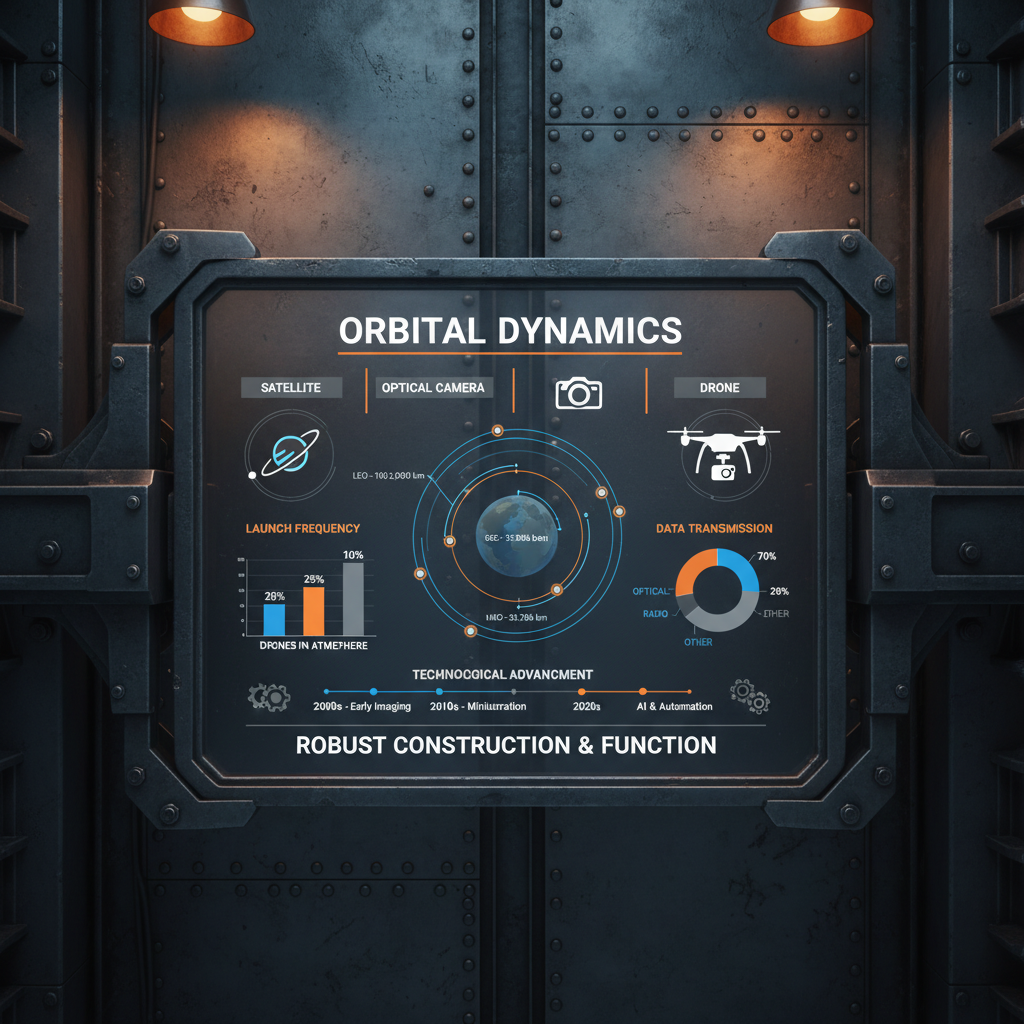
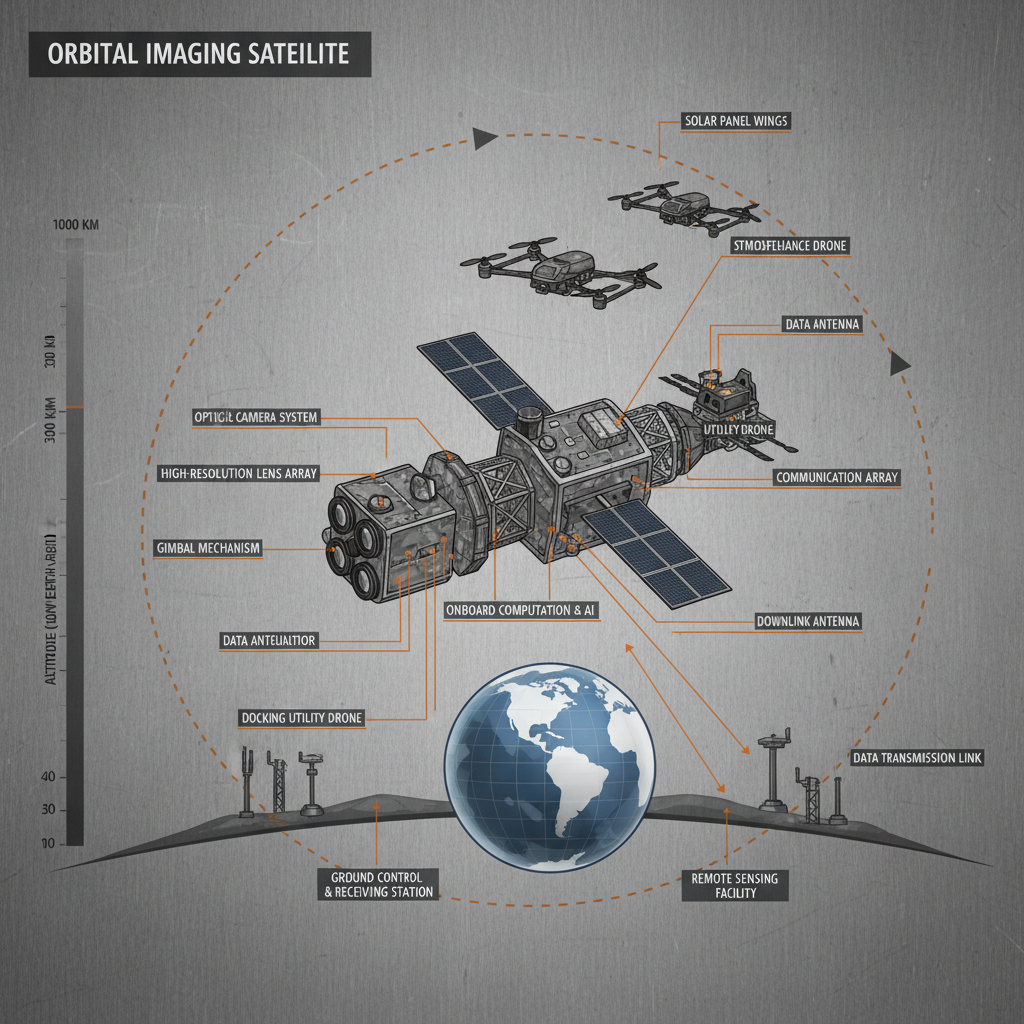
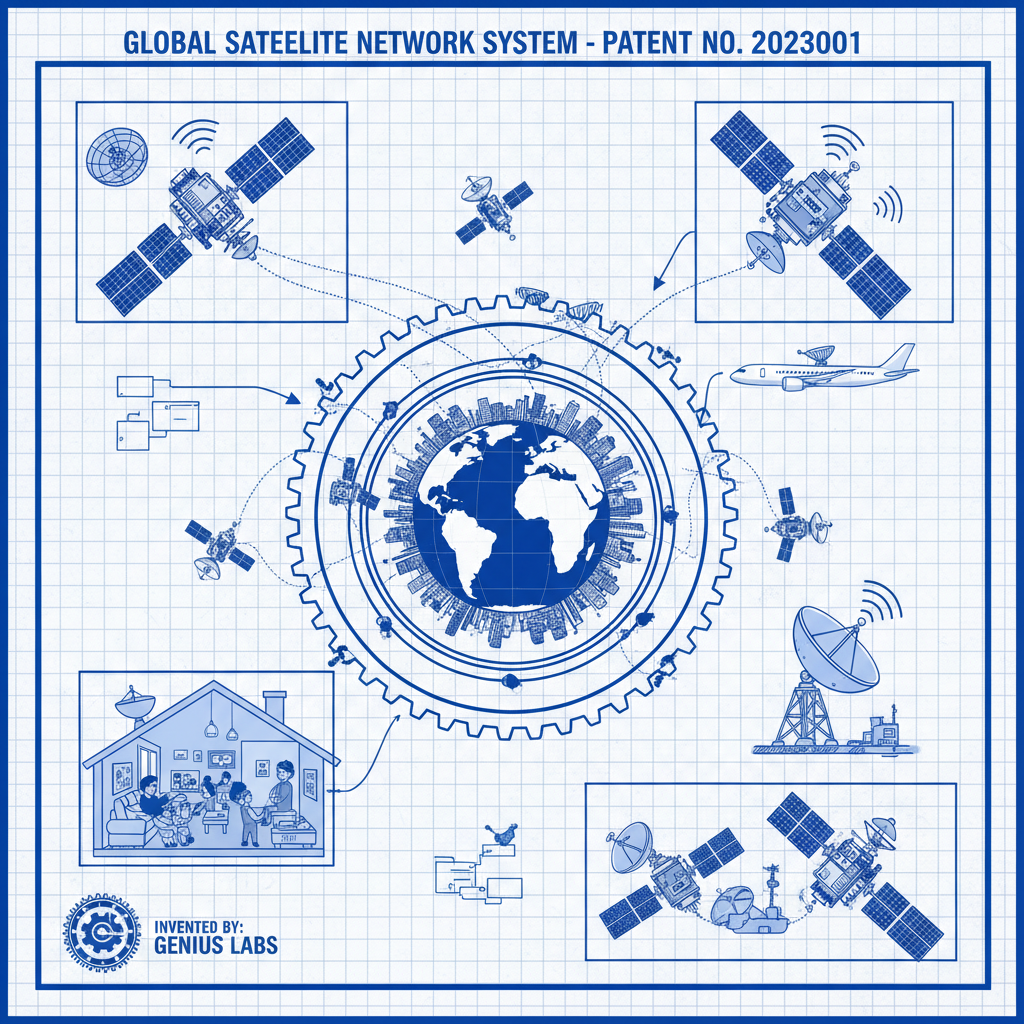
Orbital dynamics, the study of the motion of natural and artificial bodies in space, is a cornerstone of modern technology and scientific exploration. From predicting the paths of satellites and space debris to enabling interplanetary travel, a thorough understanding of these principles is vital. The increasing reliance on space-based infrastructure – communications, navigation, Earth observation – makes mastery of orbital dynamics crucial for countless applications.
The global relevance of orbital dynamics extends far beyond space agencies. It impacts fields like meteorology, climate science, and even national security. Accurate orbital predictions are essential for disaster monitoring, resource management, and maintaining the integrity of our space environment. The burgeoning space industry, with its rapid growth in satellite constellations and space tourism, further amplifies the need for skilled professionals in this domain.
Ultimately, the field of orbital dynamics empowers us to not only understand the cosmos but to harness its potential for the benefit of humanity. It is a field ripe with challenges and opportunities, driving innovation and fostering international collaboration in the pursuit of knowledge and progress.
Introduction to Orbital Dynamics
Orbital dynamics governs the movements of celestial bodies and man-made satellites. It's a complex interplay of gravitational forces, initial velocities, and various perturbations that determine a body's trajectory. Understanding these interactions is paramount for successful space missions and predicting the long-term behavior of objects in orbit.
The field isn't purely theoretical; it has deep roots in practical engineering. Designing stable orbits, performing orbital maneuvers, and mitigating the risks of space debris all rely heavily on a firm grasp of the principles of orbital dynamics. This expertise is vital for ensuring the continued accessibility and sustainability of space.
Defining Orbital Dynamics
Simply put, orbital dynamics is the study of how objects move in orbits under the influence of gravity. An orbit isn't a fixed path, but rather a constant state of falling around a celestial body. This "falling" isn't directed towards the surface, but tangential to it, resulting in a continuous circular or elliptical path.
The connection to modern industry is undeniable. Satellite communication relies on precise orbital positioning. Global positioning systems (GPS) depend on accurate orbital models. Even the disposal of defunct satellites requires careful calculation of orbital decay to prevent the creation of space debris. Without these calculations, much of our modern infrastructure would grind to a halt.
Furthermore, orbital dynamics is increasingly important for humanitarian efforts. Accurate tracking of weather satellites aids in disaster prediction and response, while precise orbit determination for Earth observation satellites provides crucial data for environmental monitoring and resource management.
Core Components of Orbital Mechanics
Several key components underpin the principles of orbital dynamics. First is Newton’s Law of Universal Gravitation, which describes the attractive force between any two objects with mass. This force dictates the fundamental shape of orbits.
Secondly, Kepler's Laws of Planetary Motion provide a more detailed description of orbital paths – elliptical orbits, the varying speed of a body along its orbit, and the relationship between orbital period and distance. These laws are derived from Newton's law and provide practical methods for orbit prediction.
Thirdly, Orbital Elements provide a concise mathematical description of an orbit, including its size, shape, orientation, and position. These elements are used to uniquely identify and track orbital objects. Fourthly, understanding Orbital Perturbations – deviations from ideal Keplerian orbits caused by factors like atmospheric drag, gravitational influences from other bodies, and solar radiation pressure – is critical for long-term orbit prediction.
Practical Applications of Orbital Dynamics
The principles of orbital dynamics are integral to mission design for space exploration. Calculating launch windows, determining fuel requirements for orbital maneuvers, and ensuring precise rendezvous with other spacecraft all rely on accurate orbital predictions.
Furthermore, orbital dynamics is essential for space situational awareness (SSA). Tracking and cataloging space debris, predicting potential collisions, and developing mitigation strategies are vital for protecting operational satellites and ensuring the long-term sustainability of space activities.
Orbital Dynamics Application Ratings
Global Applications and Use Cases
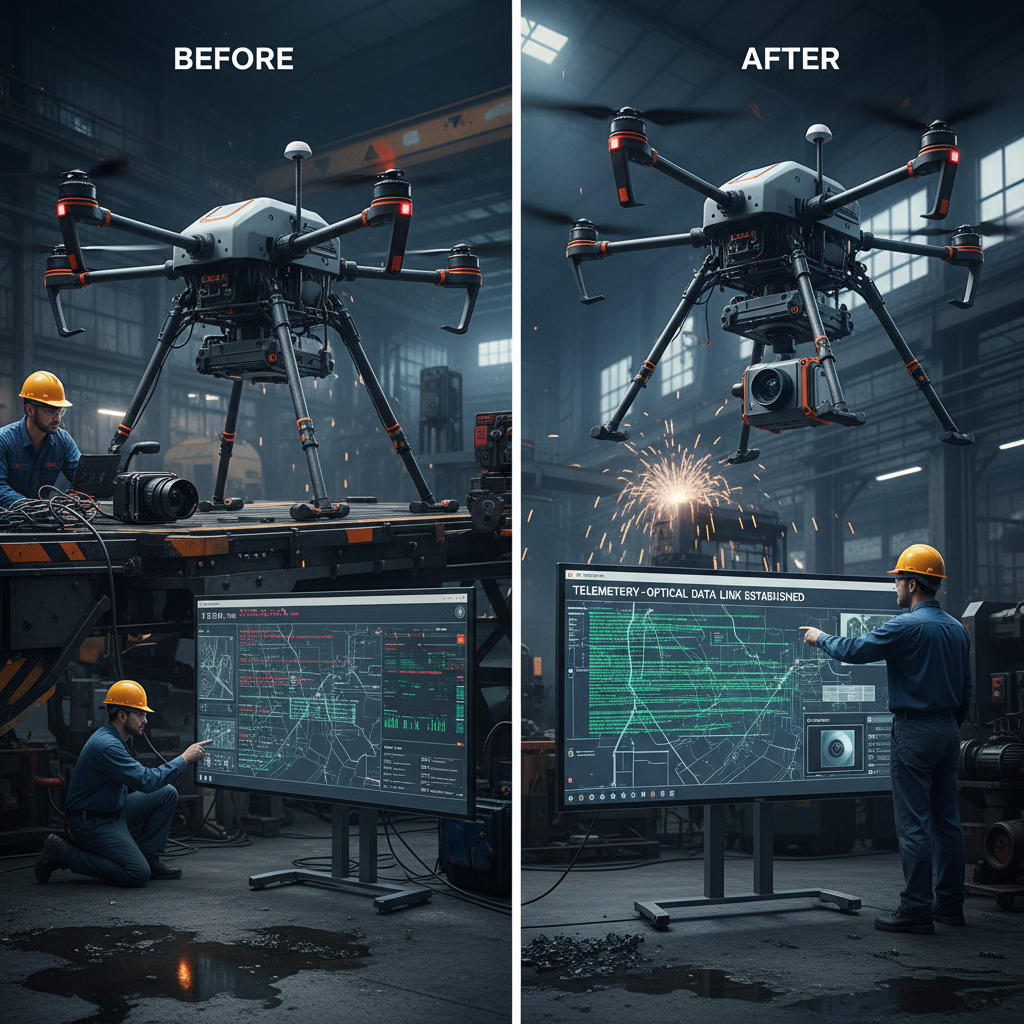
In post-disaster relief operations, orbital dynamics plays a critical role in directing aid and assessing damage. Satellite imagery, accurately geolocated using orbital data, provides vital information for emergency responders. Similarly, in remote industrial zones, such as offshore oil platforms or Arctic research stations, satellite communication and navigation services – heavily reliant on orbital mechanics – are essential for operations.
Globally, weather forecasting agencies utilize data from geostationary and polar-orbiting satellites. Precise orbital calculations allow them to track weather patterns, predict storms, and issue timely warnings. Furthermore, military applications, including surveillance and communication, depend heavily on accurate orbital modeling and tracking.
Advantages and Long-Term Value
The advantages of mastering orbital dynamics are multifaceted. Economically, it enables more efficient and reliable space-based services, reducing costs and increasing revenue. Sustainability is enhanced through effective space debris mitigation strategies, preserving access to space for future generations.
Socially, orbital dynamics contributes to improved weather forecasting, disaster management, and communication services, benefiting communities worldwide. From a security perspective, it strengthens national defense capabilities. The long-term value lies in fostering innovation, driving technological advancement, and expanding our understanding of the universe.
Future Trends and Innovations in Orbital Dynamics
Several exciting trends are shaping the future of orbital dynamics. The rise of small satellites (CubeSats and NanoSats) necessitates more sophisticated orbit determination and collision avoidance techniques. Advancements in machine learning and artificial intelligence are enabling more accurate orbit prediction and automated anomaly detection.
Furthermore, the development of space-based solar power systems requires precise orbital positioning and control. Increased interest in lunar and Martian exploration is driving research into novel orbital transfer methods and in-situ resource utilization. The increasing focus on space sustainability and the development of active debris removal technologies will also significantly impact the field.
Summary of Orbital Dynamics Challenges and Solutions
| Challenge |
Impact on Orbital Dynamics |
Potential Solution |
Implementation Complexity (1-10) |
| Space Debris Accumulation |
Increased collision risk, orbital congestion |
Active Debris Removal (ADR) technologies |
8 |
| Atmospheric Drag Uncertainty |
Orbit prediction errors, particularly for LEO satellites |
Improved atmospheric models and real-time data assimilation |
6 |
| Limited Ground Tracking Resources |
Difficulty in accurately tracking a growing number of satellites |
Space-based tracking systems and advanced data processing techniques |
7 |
| Complexity of Multi-body Gravitational Interactions |
Challenges in precise orbit prediction for distant objects |
High-fidelity numerical integration methods |
5 |
| Solar Radiation Pressure Modeling |
Errors in orbit determination for satellites with high area-to-mass ratios |
Improved solar activity models and satellite geometry awareness |
4 |
| Rapidly Evolving Space Environment |
Constant changes necessitate continual model updates |
Adaptive algorithms and real-time data feedback loops |
6 |
FAQS
Predicting long-term satellite orbits presents significant challenges due to various factors like atmospheric drag, solar radiation pressure, and the gravitational influence of the Moon and Sun. Accurately modeling these perturbations is complex. Furthermore, uncertainties in these parameters introduce errors that accumulate over time. Advanced numerical integration techniques and real-time data assimilation are crucial for mitigating these challenges, but perfect accuracy remains elusive.
Space debris poses a serious threat to orbital dynamics and space operations. The increasing population of debris increases the probability of collisions with operational satellites, potentially causing catastrophic damage. Collisions generate more debris, creating a cascading effect known as the Kessler syndrome. This necessitates continuous tracking, collision avoidance maneuvers, and the development of active debris removal technologies to maintain a sustainable space environment.
Gravity assists (also known as slingshot maneuvers) are a crucial technique in interplanetary missions. By strategically flying past planets, spacecraft can leverage the planet’s gravity to alter their velocity and direction, saving significant amounts of fuel and reducing travel time. The precise calculations required for gravity assists rely heavily on a deep understanding of orbital dynamics and planetary trajectories.
Orbital maneuvers are performed using onboard thrusters to change a satellite’s velocity. These maneuvers are carefully timed and executed to achieve desired orbital adjustments. Efficiency is influenced by factors such as the spacecraft’s mass, the specific impulse of the thrusters, and the type of maneuver being performed. Minimizing propellant consumption is crucial for extending mission lifetimes.
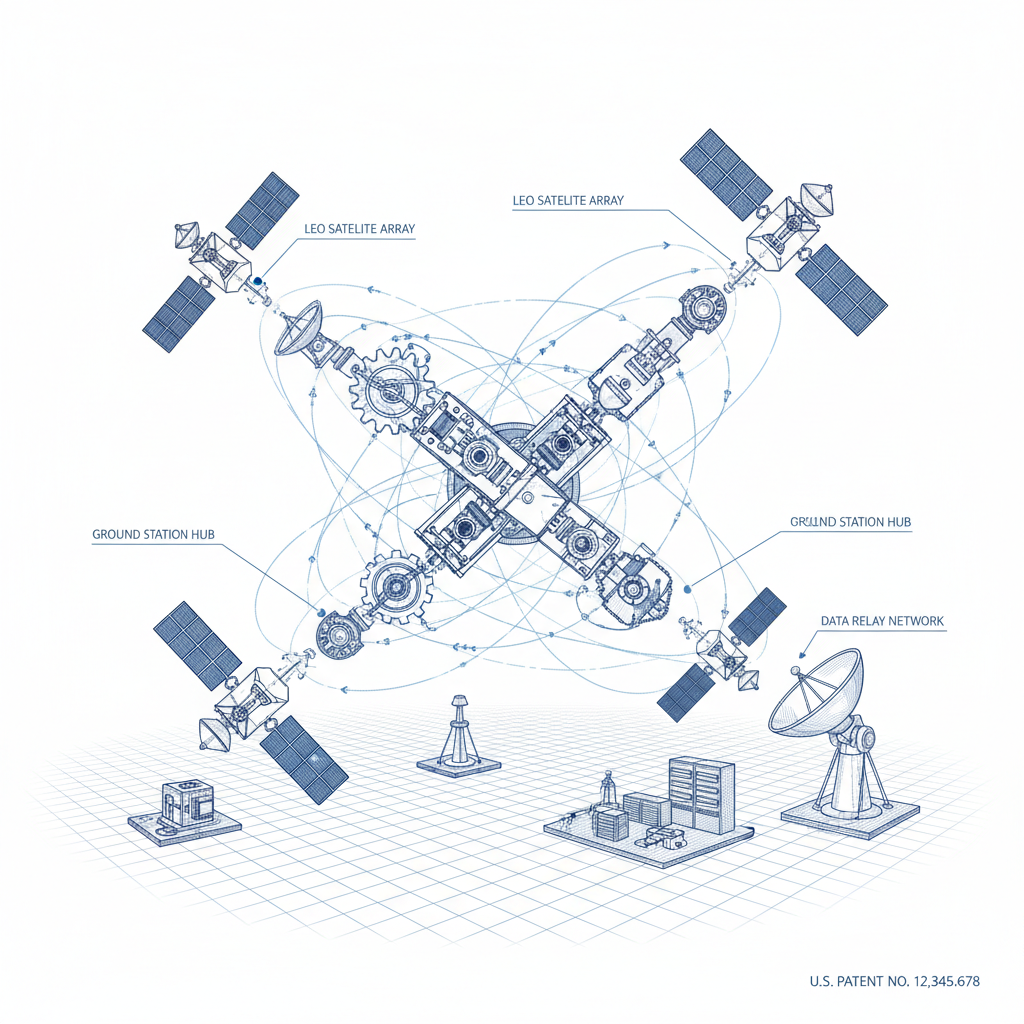
Several types of orbits are commonly used, each with its advantages and disadvantages. Low Earth Orbit (LEO) is used for Earth observation and communication. Geostationary Orbit (GEO) provides continuous coverage of a specific region. Polar Orbits offer global coverage for weather and surveillance. Molniya orbits are used for high-latitude coverage, and Sun-synchronous orbits ensure consistent lighting conditions for remote sensing.
Machine learning is being increasingly used to enhance orbital dynamics calculations. It can be used to improve atmospheric drag modeling, predict space weather effects, and detect anomalies in satellite orbits. Machine learning algorithms can also be trained to optimize orbital maneuvers and improve the accuracy of collision avoidance predictions. This leads to more reliable and efficient space operations.
Conclusion
Orbital dynamics is a foundational science with far-reaching implications. From enabling global communication and navigation to facilitating space exploration and safeguarding our space environment, its principles are essential for modern life. A deep understanding of orbital mechanics is crucial for addressing the challenges and opportunities presented by our increasing reliance on space-based technologies.
As we move forward, continued innovation in orbital dynamics – driven by advancements in data analysis, artificial intelligence, and space-based infrastructure – will be vital for ensuring the long-term sustainability and accessibility of space. Visit our website at www.space-navi.com to learn more about our work in this critical field.