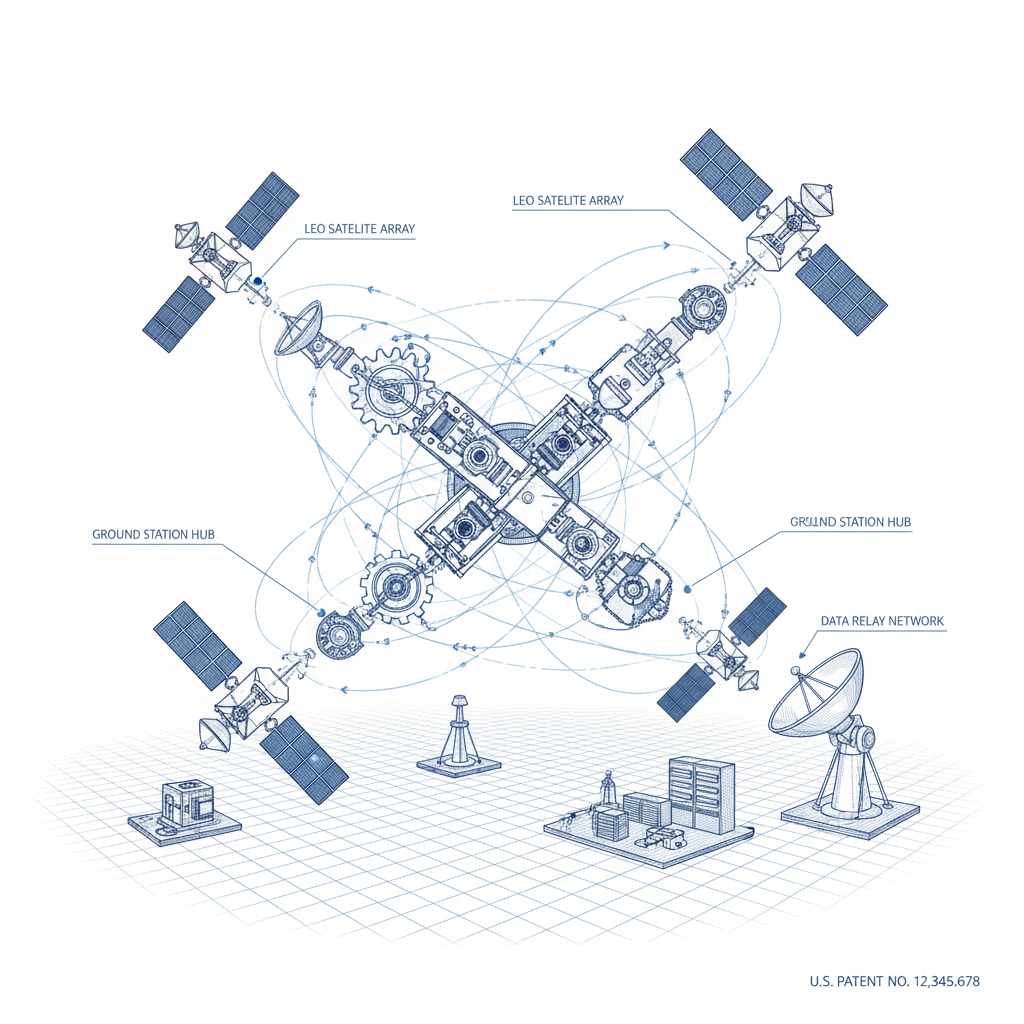
What are satellite networks? These interconnected systems of orbiting spacecraft play a pivotal role in modern communication, broadcasting, navigation, and data collection. They provide crucial infrastructure for a globally connected world, extending reach to remote locations and offering resilient alternatives to terrestrial networks. Understanding what are satellite networks is increasingly important as they become more integrated into our daily lives, powering everything from GPS navigation to global internet access.
The relevance of what are satellite networks spans across numerous sectors. The United Nations utilizes satellite technology for peacekeeping operations and disaster monitoring. The World Bank relies on satellite imagery for economic development tracking. ISO standards govern satellite communication protocols ensuring interoperability. However, a persistent challenge is ensuring equitable access and mitigating the growing issue of space debris.
The benefits of understanding what are satellite networks extend to businesses, governments, and individuals. From enabling seamless global commerce to providing early warning systems for natural disasters, these networks offer unparalleled capabilities. A clear grasp of their functionality, advantages, and limitations is essential for informed decision-making in a rapidly evolving technological landscape.
Introduction to what are satellite networks
At their core, what are satellite networks consist of a space segment – the satellites themselves – and a ground segment – the network of earth stations that communicate with the satellites. These networks function by relaying signals between distant points on Earth, enabling communication and data transfer across vast geographical areas. what are satellite networks are essential for global connectivity.
The evolution of what are satellite networks has been marked by continuous innovation, from the early days of Sputnik and Telstar to the sophisticated constellations of today. This progression has led to increased bandwidth, improved signal quality, and reduced costs, expanding the range of applications and making satellite technology accessible to a wider audience.
Defining what are satellite networks
In simple terms, what are satellite networks are communication systems that use artificial satellites to provide connectivity. Unlike traditional terrestrial networks, which rely on physical cables and towers, satellite networks operate through space-based infrastructure. This allows them to overcome geographical barriers and deliver services to areas that are difficult or impossible to reach with conventional methods.
The connection of what are satellite networks to modern industry is paramount. Industries like maritime, aviation, and oil & gas depend heavily on satellite communication for operations and safety. Furthermore, what are satellite networks are pivotal in disaster response, providing vital communication links when terrestrial infrastructure is compromised.
Increasingly, what are satellite networks play a critical role in bridging the digital divide, connecting remote communities and enabling access to essential services like education, healthcare, and financial inclusion. They are a cornerstone of a globally interconnected and equitable future.
Core Components of what are satellite networks
Understanding what are satellite networks requires examining their core components. First, the satellites themselves, positioned in various orbits (Low Earth Orbit, Medium Earth Orbit, Geostationary Orbit) each offering unique advantages. Second, the ground stations, responsible for transmitting and receiving signals to and from the satellites.
Third, the transponders onboard the satellites, which amplify and retransmit signals. Fourth, the network control centers, which monitor and manage the entire system. These components work in concert to ensure reliable and efficient communication. What are satellite networks rely on the seamless integration of all these elements.
Finally, the user terminals – antennas and receivers used by end-users to access the network. Different applications require different types of user terminals, ranging from small handheld devices to large, fixed installations. These components represent the building blocks of what are satellite networks.
Key Factors Influencing what are satellite networks
Several key factors influence the performance and capabilities of what are satellite networks. Orbit type is critical, with GEO satellites offering wide coverage but higher latency, and LEO satellites providing lower latency but requiring larger constellations.
Bandwidth availability directly impacts the data transfer rates that can be supported. Frequency bands used also play a role, with different bands offering varying levels of interference and regulatory restrictions. These elements all impact what are satellite networks.
Performance Metrics of what are satellite networks
Global Applications of what are satellite networks
The applications of what are satellite networks are incredibly diverse and global. In post-disaster relief operations, they provide crucial communication links when terrestrial infrastructure is destroyed. In remote industrial zones, they enable connectivity for monitoring and control systems.
Maritime and aviation industries rely heavily on what are satellite networks for navigation, communication, and safety. Furthermore, satellite imagery is used for environmental monitoring, agriculture, and urban planning. What are satellite networks are increasingly vital.
Advantages and Long-Term Value of what are satellite networks
The advantages of what are satellite networks are significant. They offer wide coverage areas, making them ideal for serving remote or sparsely populated regions. They are also highly resilient, less susceptible to natural disasters than terrestrial networks.
Long-term, what are satellite networks offer a sustainable solution for global connectivity, reducing the reliance on expensive and often environmentally damaging terrestrial infrastructure. They foster innovation, promote economic growth, and improve the quality of life for billions of people.
Future Trends in what are satellite networks
The future of what are satellite networks is marked by several exciting trends. The emergence of Low Earth Orbit (LEO) constellations like Starlink and OneWeb is revolutionizing access to broadband internet. Advancements in satellite technology, such as phased array antennas and optical communication, are increasing bandwidth and reducing latency.
Integration with 5G and other terrestrial networks is creating hybrid connectivity solutions. Furthermore, growing focus on space sustainability and debris mitigation is driving innovation in responsible space practices. All of these improvements build upon what are satellite networks.
The convergence of what are satellite networks with artificial intelligence and machine learning is unlocking new possibilities for data analytics and automated network management. This will enable more efficient and reliable services and drive further innovation in the space sector.
Summary of Challenges and Solutions in what are satellite networks
| Challenge |
Impact on what are satellite networks |
Potential Solution |
Implementation Difficulty (1-10) |
| Space Debris |
Increased collision risk, potential for network disruption |
Active debris removal, improved tracking and avoidance systems |
8 |
| Latency |
Poor performance for real-time applications |
LEO constellations, optical communication |
6 |
| Cost |
High initial investment and ongoing operational expenses |
Reusable launch vehicles, standardized components |
7 |
| Spectrum Congestion |
Interference and limited bandwidth availability |
Dynamic spectrum access, frequency sharing |
5 |
| Security Vulnerabilities |
Risk of hacking and data breaches |
Enhanced encryption, robust authentication protocols |
4 |
| Regulatory Hurdles |
Complex licensing and permitting processes |
Streamlined regulatory frameworks, international cooperation |
9 |
FAQS
LEO (Low Earth Orbit) satellites are closest to Earth, resulting in low latency but requiring many satellites for global coverage. MEO (Medium Earth Orbit) offer a balance between coverage and latency. GEO (Geostationary Orbit) satellites are furthest away, providing wide coverage but with higher latency. Understanding these differences is key to understanding what are satellite networks.
Fiber optic cables generally offer higher speeds and lower latency than satellite networks. However, satellite networks excel in areas where fiber is impractical or cost-prohibitive. Satellite networks are also more resilient to natural disasters. Choosing between them depends on the specific application and location.
Space debris poses a significant threat to satellite networks, increasing the risk of collisions and potentially causing catastrophic damage. This can disrupt communication services and create further debris. Mitigation efforts, such as active debris removal, are crucial for ensuring the long-term sustainability of what are satellite networks.
While satellite networks employ security measures, they are still vulnerable to cyberattacks. Potential threats include jamming, spoofing, and hacking. Continuous investment in robust cybersecurity protocols and encryption technologies is essential to protect what are satellite networks from these risks.
Emerging trends include the proliferation of LEO constellations offering faster speeds and lower latency, the integration of satellite internet with 5G networks, and the development of user terminals that are smaller and more affordable. These advancements are making satellite internet a viable option for consumers in previously underserved areas.
Regulatory bodies like the International Telecommunication Union (ITU) and national space agencies (e.g., FCC in the US) oversee the operation of what are satellite networks. They manage spectrum allocation, ensure compliance with safety standards, and address issues like space debris mitigation. International cooperation is vital for effective regulation.
Conclusion
In conclusion, what are satellite networks are a vital component of modern global infrastructure, offering unique capabilities that complement and extend terrestrial networks. From enabling communication in remote areas to providing critical services during disasters, their importance continues to grow. Understanding the core components, advantages, and future trends of what are satellite networks is essential for businesses, governments, and individuals alike.
Looking ahead, continued innovation in satellite technology, coupled with responsible space practices and streamlined regulatory frameworks, will unlock even greater potential. To learn more about the exciting advancements in satellite communications, visit our website: www.space-navi.com.