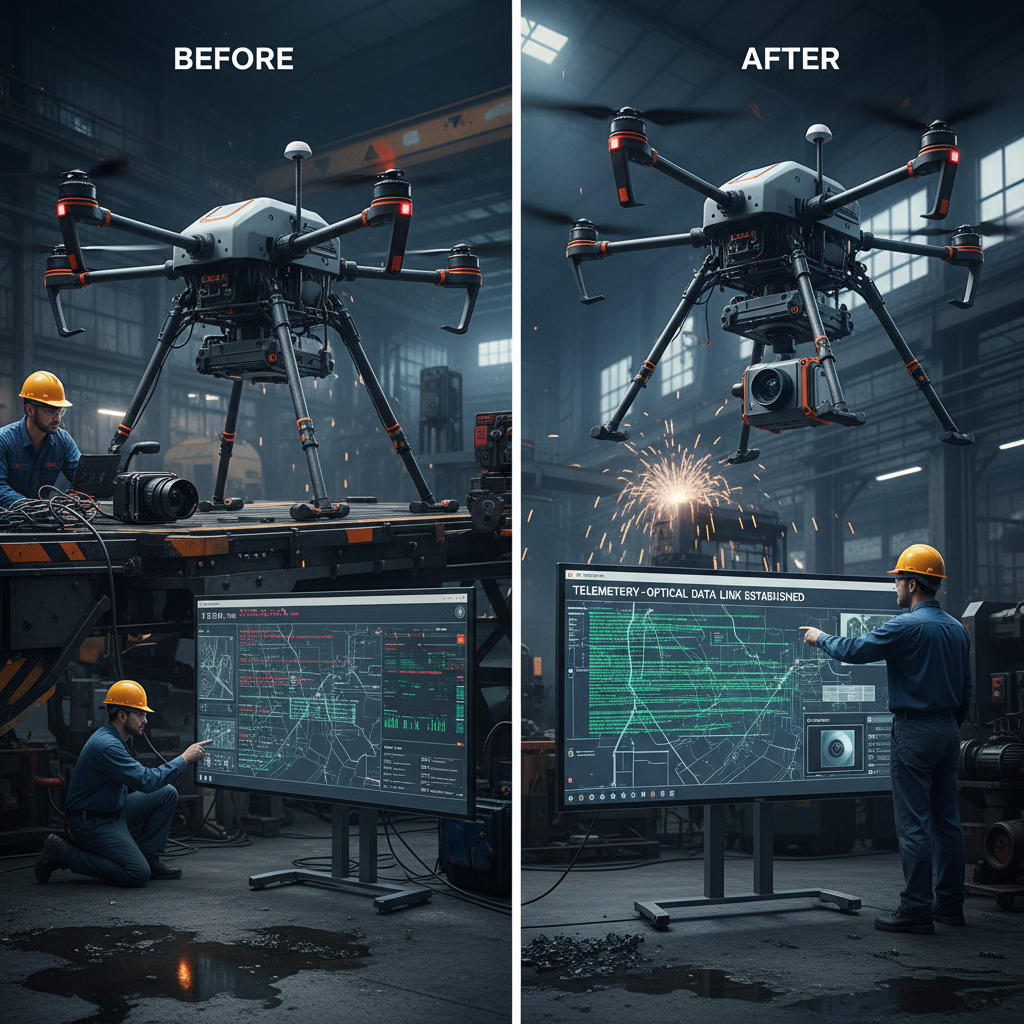
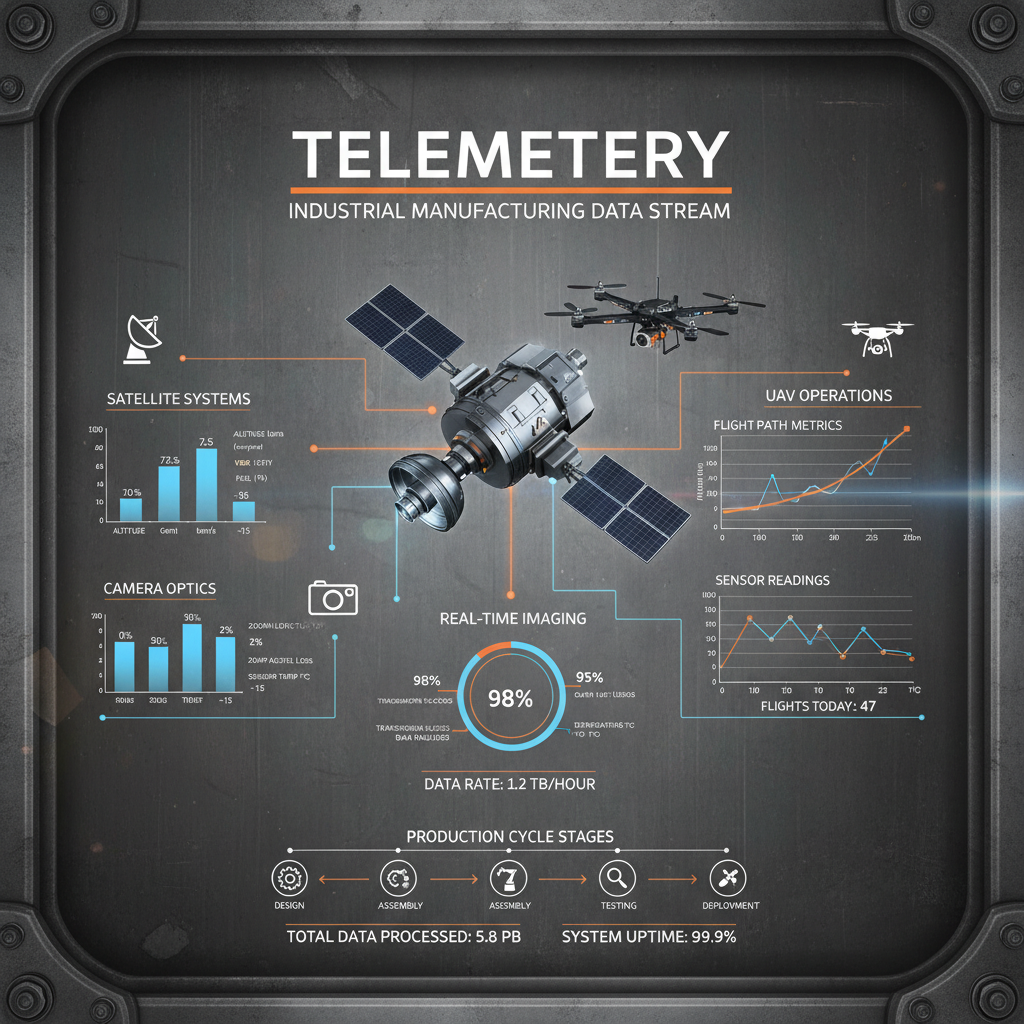
Telemetry, the automated measurement and transmission of data from remote sources, is rapidly becoming indispensable in a world increasingly reliant on remote operations, data-driven decision-making, and proactive maintenance. From monitoring critical infrastructure to tracking wildlife populations, and even optimizing athletic performance, the ability to collect and analyze real-time data is transforming how we interact with our environment and technology. The importance of telemetry extends far beyond technological advancement; it directly impacts safety, efficiency, and sustainability across numerous sectors.
Globally, the need for effective telemetry solutions is escalating. The United Nations estimates that over 55% of the world's population lives in urban areas, placing immense strain on infrastructure. (UN, 2018). The World Bank highlights the crucial role of data in sustainable development (World Bank, 2020), and ISO standards increasingly prioritize remote monitoring and diagnostics (ISO 9001:2015). This convergence of factors drives demand for reliable and scalable telemetry systems capable of handling vast datasets and providing actionable insights.
This demand is fueled by a growing challenge: the increasing complexity of systems and the geographic distribution of assets. Traditional manual inspection and maintenance are often inefficient, costly, and potentially dangerous. Telemetry offers a solution by providing continuous, real-time visibility, enabling preventative maintenance, reducing downtime, and improving overall system performance.
Introduction to Telemetry
At its core, telemetry involves the automatic transmission of data from a remote source to a receiving station for monitoring and analysis. This data can encompass a wide range of parameters – temperature, pressure, speed, location, voltage, and more – providing a comprehensive picture of a system’s operational state. The power of telemetry lies in its ability to transform raw data into actionable intelligence.
Historically, telemetry was primarily associated with aerospace engineering, enabling engineers to monitor spacecraft during launch and operation. However, its applications have dramatically expanded over the decades, permeating diverse industries and addressing critical needs in areas like environmental monitoring, healthcare, and industrial automation.
Defining Telemetry
Simply put, telemetry is the process of collecting measurements or data at remote points and transmitting them to receiving equipment for monitoring. It's more than just data collection; it’s about creating a system that converts these measurements into useful information. This information is then used for analysis, diagnosis, control, and prediction.
The connection to modern industry is undeniable. Consider predictive maintenance in manufacturing, where telemetry data from sensors on machinery can predict failures before they occur, minimizing downtime and reducing costs. In healthcare, remote patient monitoring using wearable sensors provides crucial data for personalized treatment and early intervention.
Ultimately, telemetry bridges the gap between physical systems and data analysis, enabling informed decision-making and optimized performance across a wide spectrum of applications. Its relevance is growing exponentially as the “Internet of Things” (IoT) continues to expand.
Key Components of Telemetry Systems
A robust telemetry system comprises several key components working in concert. Firstly, sensors capture the relevant data – be it temperature, pressure, voltage, or location. These sensors must be accurate, reliable, and suited to the specific environment. Secondly, data acquisition systems (DAS) convert the sensor signals into a digital format for transmission.
The third component is the transmission channel, which conveys the data from the remote source to the receiving station. This channel can utilize various technologies, including radio frequencies, satellite links, cellular networks, or wired connections. The choice of transmission method depends on factors such as distance, bandwidth requirements, and cost. Fourthly, the receiving station decodes the transmitted data and presents it in a user-friendly format.
Finally, data processing and analysis software is crucial for extracting meaningful insights from the raw data. This software can perform tasks such as data filtering, trend analysis, anomaly detection, and report generation, effectively transforming data into actionable intelligence. The integrated function of these components defines the efficiency of telemetry.
Practical Applications of Telemetry
The applications of telemetry are extraordinarily diverse. In the oil and gas industry, telemetry monitors pipeline integrity, well performance, and reservoir conditions, preventing leaks and optimizing production. In environmental monitoring, sensors track air and water quality, providing early warning of pollution events and supporting conservation efforts.
In agriculture, telemetry-based systems monitor soil moisture, temperature, and nutrient levels, enabling precision irrigation and maximizing crop yields. In automotive engineering, telemetry data from vehicle sensors is used for performance optimization, driver assistance systems, and accident reconstruction.
Telemetry Data Acquisition Methods
Benefits and Long-Term Value
The benefits of deploying telemetry systems are substantial and far-reaching. Significant cost savings can be achieved through predictive maintenance, reduced downtime, and optimized resource utilization. Enhanced safety is a key advantage, particularly in hazardous environments where remote monitoring minimizes human risk.
Furthermore, telemetry promotes sustainability by enabling efficient resource management and reducing environmental impact. It also fosters innovation by providing valuable data for research and development, leading to improved products and services. The trust and reliability gained from data-driven insights are essential for long-term success.
Future Trends in Telemetry
The future of telemetry is inextricably linked to advancements in several key technologies. Artificial intelligence (AI) and machine learning (ML) will play an increasingly prominent role in data analysis, enabling automated anomaly detection, predictive modeling, and optimized control strategies. The integration of 5G and other advanced communication networks will provide faster, more reliable data transmission.
Edge computing, which processes data closer to the source, will reduce latency and improve real-time decision-making. Furthermore, the development of low-power wide-area networks (LPWAN) will enable the deployment of telemetry systems in remote and challenging environments.
Sustainability is also a key driver of innovation, with a focus on developing energy-efficient sensors and transmission technologies. These advancements will ensure that telemetry remains at the forefront of data-driven decision-making.
Challenges and Solutions in Telemetry
Despite its numerous benefits, telemetry faces several challenges. Data security is a major concern, particularly in applications involving sensitive information. Ensuring the integrity and confidentiality of transmitted data requires robust encryption and authentication mechanisms.
Interoperability is another challenge, as different telemetry systems often use incompatible protocols and data formats. Adopting open standards and promoting data exchange compatibility are crucial for seamless integration. The initial investment costs for sophisticated telemetry systems can also be prohibitive for some organizations.
Summary of Telemetry Challenge Mitigation Strategies
| Challenge Area |
Mitigation Strategy |
Implementation Cost (1-10) |
Effectiveness Rating (1-10) |
| Data Security |
End-to-end encryption and multi-factor authentication |
7 |
9 |
| Interoperability |
Adopting standardized communication protocols |
6 |
8 |
| Initial Investment |
Phased deployment and cloud-based solutions |
5 |
7 |
| Data Volume Management |
Edge Computing and Data Filtering |
8 |
8 |
| Sensor Reliability |
Redundant sensor networks and automated diagnostics |
6 |
9 |
| Network Connectivity |
Hybrid network architectures and satellite communication |
9 |
7 |
FAQS
The lifespan of telemetry sensors in harsh environments varies considerably depending on the sensor type, the severity of the environment, and the quality of construction. Generally, high-quality industrial-grade sensors can operate reliably for 5-10 years, but some may require replacement or recalibration more frequently. Regular maintenance and protective measures, such as encapsulation and corrosion-resistant coatings, can significantly extend their operational life.
Telemetry systems can integrate with existing Supervisory Control and Data Acquisition (SCADA) systems through various communication protocols, such as Modbus, OPC UA, and DNP3. Data from telemetry sensors can be fed directly into the SCADA system, providing real-time monitoring and control capabilities. Often, a gateway or data concentrator is used to translate data formats and ensure seamless communication.
The primary security concerns surrounding telemetry data transmission include data interception, tampering, and unauthorized access. Protecting data requires implementing robust encryption protocols (e.g., TLS/SSL), employing strong authentication mechanisms, and regularly monitoring for intrusion attempts. Secure data storage and access control measures are also critical to maintaining data integrity and confidentiality.
Edge computing plays a crucial role in modern telemetry by processing data closer to the source – the sensors themselves. This reduces latency, minimizes bandwidth requirements, and improves real-time responsiveness. By performing initial data analysis at the edge, only relevant information needs to be transmitted to the central server, enhancing efficiency and reducing costs.
Reducing telemetry implementation costs involves careful planning and selection of appropriate technologies. Consider utilizing cloud-based data storage and analytics platforms, choosing low-power wide-area network (LPWAN) technologies for long-range communication, and implementing phased deployments to spread out the investment. Open-source software and standardized protocols can also help lower costs.
When selecting a telemetry vendor, consider their experience, expertise, and the quality of their products and services. Evaluate their support capabilities, compatibility with existing systems, and commitment to data security. Look for vendors who offer customizable solutions tailored to your specific needs and provide comprehensive documentation and training.
Conclusion
Telemetry has evolved from a niche technology primarily used in aerospace to a foundational element of modern data-driven operations. Its ability to provide real-time insights, enhance efficiency, and improve safety makes it an invaluable tool across a diverse range of industries. The benefits extend beyond simple data collection, encompassing predictive maintenance, optimized resource utilization, and ultimately, more informed decision-making.
Looking ahead, the integration of AI, edge computing, and advanced communication networks will further unlock the potential of telemetry, driving innovation and creating new opportunities for growth. Investing in robust telemetry solutions is not merely a technological upgrade, but a strategic imperative for organizations seeking to thrive in an increasingly complex and data-centric world. Visit our website: www.space-navi.com