Remote sensing applications are transforming how we understand and interact with our planet. These technologies, encompassing the acquisition of information about an object or area without physical contact, are crucial for monitoring environmental changes, managing natural resources, and responding to global challenges. From precision agriculture to disaster management, the scope of remote sensing applications is rapidly expanding, offering unprecedented insights and driving innovation across diverse sectors.
The global relevance of remote sensing is underscored by its increasing adoption by international organizations like the UN and World Bank, with a market projected to reach \$14.07 billion by 2028 (Fortune Business Insights, 2021). It addresses critical needs such as climate change monitoring, urban planning, and security, playing a vital role in achieving sustainable development goals. However, challenges remain in data accessibility, processing capabilities, and the need for skilled professionals to fully leverage its potential.
Ultimately, remote sensing applications empower informed decision-making, enabling proactive strategies for a more sustainable and resilient future. Its ability to provide large-scale, consistent, and timely data makes it an indispensable tool for addressing complex global issues. Understanding its core principles and potential applications is paramount for professionals and policymakers alike.
The Fundamentals of remote sensing applications
At its core, remote sensing relies on the detection of electromagnetic radiation reflected or emitted from the Earth’s surface. Different materials interact with electromagnetic radiation in unique ways, allowing sensors to identify and classify features. This forms the basis for a wide range of applications, from mapping vegetation cover to monitoring pollution levels. Understanding the principles of electromagnetic spectrum and sensor technology is critical for maximizing the effectiveness of remote sensing applications.
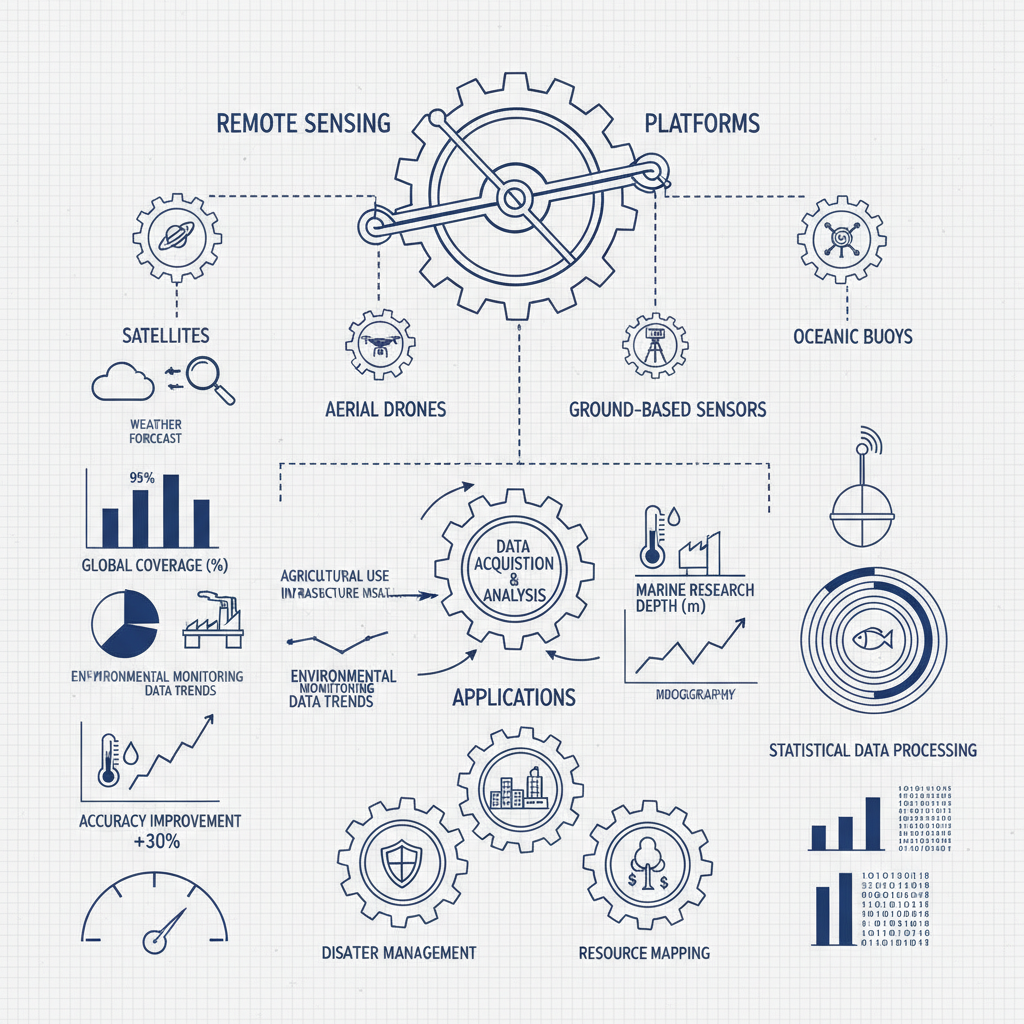
The field encompasses a variety of technologies including satellite imagery, aerial photography, LiDAR, and radar. Each offers distinct advantages depending on the specific application and environmental conditions. For example, satellite imagery provides broad-scale coverage, while LiDAR offers high-resolution three-dimensional data. The integration of these technologies is driving further innovation and enabling more comprehensive analyses.
Global Context and Industry Relevance
Remote sensing applications are intrinsically linked to global challenges such as climate change, food security, and disaster risk reduction. The UN Sustainable Development Goals (SDGs) heavily rely on accurate and timely data provided by remote sensing for monitoring progress and identifying areas requiring intervention. For example, SDG 2 (Zero Hunger) benefits from remote sensing-based crop monitoring, while SDG 13 (Climate Action) leverages satellite data to track greenhouse gas emissions and deforestation.
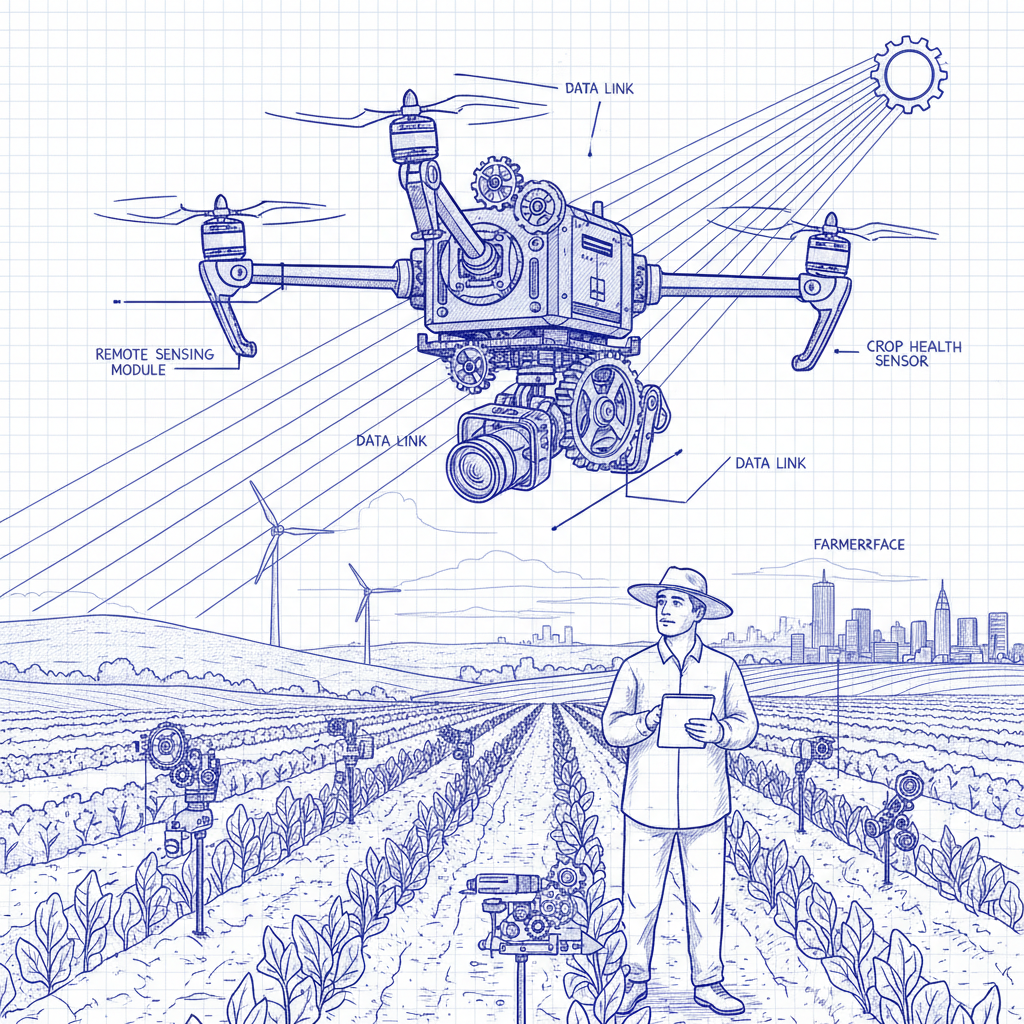
Across industries, remote sensing is gaining traction. In agriculture, precision farming techniques using drone-based imagery optimize irrigation and fertilizer application, increasing yields and reducing environmental impact. The oil and gas sector utilizes satellite data for pipeline monitoring and leak detection. Furthermore, the insurance industry relies on remote sensing for damage assessment following natural disasters, enabling faster claims processing.
The growing accessibility of data, coupled with advancements in cloud computing and artificial intelligence, is democratizing remote sensing technologies and fostering wider adoption. Organizations like the European Space Agency (ESA) and NASA actively contribute to this trend by providing open-source data and developing innovative tools for analysis.
Defining remote sensing applications
Simply put, remote sensing applications involve gathering information about an object or area from a distance, without making physical contact. This is achieved through the use of sensors that detect electromagnetic radiation (visible light, infrared, radar, etc.) reflected or emitted from the target. The data collected is then processed and analyzed to create meaningful insights.
The connection to modern industry and humanitarian needs is profound. In a world facing increasing environmental pressures and complex global challenges, remote sensing provides a cost-effective and efficient way to monitor, assess, and respond to critical situations. It allows us to observe large areas, track changes over time, and identify patterns that would be impossible to detect through traditional ground-based methods.
Ultimately, remote sensing applications are a vital tool for informed decision-making, empowering stakeholders to address pressing issues related to environmental sustainability, resource management, and societal well-being.
Core Components of Effective Remote Sensing
Several key factors contribute to the effectiveness of remote sensing applications. Firstly, sensor resolution is crucial - the ability to distinguish between small features depends on spatial, spectral, temporal, and radiometric resolution. Secondly, data processing techniques are essential to correct for atmospheric distortions and extract meaningful information. These techniques include image classification, change detection, and spectral analysis.
Another core component is geographic accuracy, ensuring that the data is correctly georeferenced and aligned with real-world locations. This requires precise calibration and ground control points. Furthermore, data integration – combining remote sensing data with other sources like GIS data and field observations – enhances the analytical capabilities and provides a more holistic view.
Remote Sensing Applications Performance Metrics
Real-World Applications and Use Cases
The applications of remote sensing are remarkably diverse. In post-disaster relief operations, satellite imagery is used to assess damage, identify affected populations, and coordinate emergency response efforts. In agriculture, drone-based imagery monitors crop health, detects pests, and optimizes irrigation, leading to increased yields and reduced water usage.
In remote industrial zones, remote sensing detects and monitors environmental impacts, ensuring compliance with regulations and protecting sensitive ecosystems. Furthermore, in urban planning, remote sensing provides data for mapping land use, monitoring population growth, and optimizing infrastructure development. Organizations like the World Wildlife Fund (WWF) extensively utilize remote sensing to monitor deforestation, track wildlife populations, and combat poaching.
Advantages and Long-Term Value Proposition
The advantages of remote sensing applications are numerous. Cost-effectiveness is a significant benefit, as it provides large-area coverage at a fraction of the cost of traditional ground-based surveys. Sustainability is enhanced by reducing the need for on-site visits, minimizing environmental impact. Social impact is realized through improved disaster response, food security, and environmental monitoring.
Beyond the tangible benefits, remote sensing fosters innovation, empowers informed decision-making, and builds trust among stakeholders. The ability to provide timely and accurate data instills confidence in planning and resource allocation. Ultimately, remote sensing applications contribute to a safer, more sustainable, and more equitable future.
Future Trends and Emerging Technologies
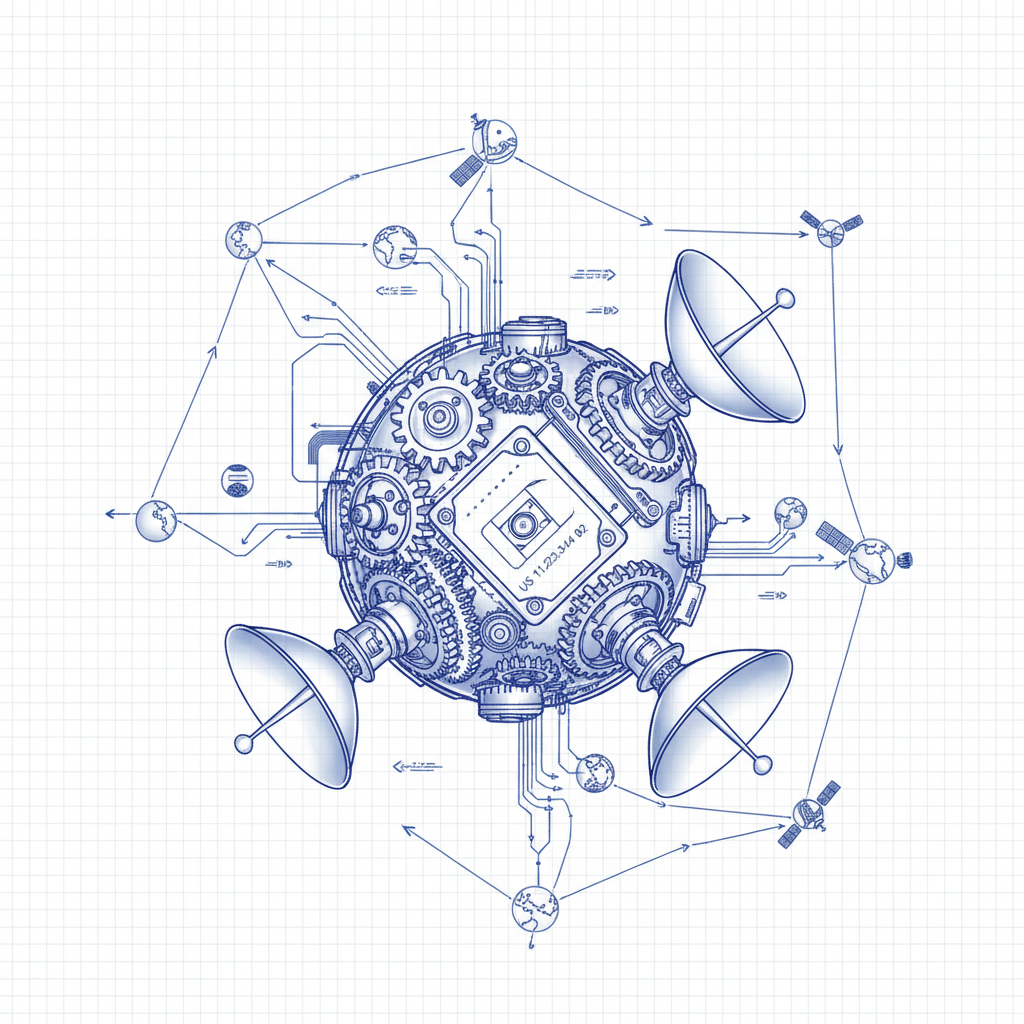
Several exciting trends are shaping the future of remote sensing applications. The proliferation of small satellites (CubeSats) is increasing data availability and reducing costs. Advancements in artificial intelligence (AI) and machine learning (ML) are enabling automated image analysis and more sophisticated pattern recognition. Hyperspectral imaging, which captures data across a wide range of wavelengths, is providing more detailed information about material composition.
The integration of remote sensing with other technologies, such as the Internet of Things (IoT) and big data analytics, is creating new opportunities for innovation. Furthermore, the increasing focus on sustainability is driving demand for remote sensing-based solutions for monitoring greenhouse gas emissions, tracking deforestation, and managing natural resources.
Table Summarizing Key Future Trends in Remote Sensing Applications
| Trend Category |
Technology Driver |
Potential Impact |
Adoption Rate (1-10) |
| Small Satellites |
Miniaturization of sensors, reduced launch costs |
Increased data availability, lower costs, faster revisit times |
8 |
| Artificial Intelligence |
Machine learning algorithms, deep learning |
Automated image analysis, object detection, predictive modeling |
9 |
| Hyperspectral Imaging |
Advanced sensor technology, data processing techniques |
Detailed material identification, improved accuracy, enhanced monitoring |
7 |
| Cloud Computing |
Scalable infrastructure, data storage |
Faster processing, easier data access, improved collaboration |
7 |
| IoT Integration |
Wireless sensor networks, data communication |
Real-time monitoring, automated control, enhanced decision-making |
6 |
| Big Data Analytics |
Data mining, statistical modeling |
Pattern identification, trend analysis, predictive insights |
8 |
FAQS
Remote sensing offers several key advantages. It’s significantly more cost-effective for large-area coverage, provides access to remote or hazardous locations, allows for repeated monitoring over time, and can capture data across a wider spectrum than traditional methods. This leads to more comprehensive and timely information for informed decision-making.
Remote sensing gathers diverse data, including visible light imagery, infrared radiation (to detect temperature differences), radar data (penetrating clouds and vegetation), and LiDAR data (creating high-resolution 3D models). Each type provides unique insights into surface features, composition, and dynamics.
Accuracy varies depending on the sensor, processing techniques, and environmental conditions. Factors affecting accuracy include atmospheric distortion, sensor calibration, and the complexity of the terrain. Ground truthing (validating data with on-site measurements) is crucial for ensuring accuracy and reliability.
Skills include image processing, geographic information systems (GIS) expertise, statistical analysis, and domain knowledge related to the application area (e.g., agriculture, forestry, urban planning). Proficiency in software like ERDAS Imagine, ENVI, and QGIS is also beneficial.
Remote sensing plays a vital role in monitoring deforestation, measuring greenhouse gas emissions, tracking sea level rise, and assessing the impact of climate change on ecosystems. This data informs mitigation strategies and helps us understand the planet's changing climate patterns.
Limitations include cloud cover, atmospheric interference, and the cost of high-resolution data. These can be addressed through multi-sensor data fusion, advanced image processing techniques, and the use of synthetic aperture radar (SAR) which can penetrate clouds. Combining remote sensing with ground-based data also improves accuracy.
Conclusion
Remote sensing applications represent a powerful suite of technologies with the potential to address some of the most pressing challenges facing our planet. From environmental monitoring to disaster response, its ability to provide large-scale, timely, and accurate data is invaluable. Understanding its core principles, embracing emerging technologies, and addressing existing limitations will be critical for unlocking its full potential.
As the field continues to evolve, we can expect even more innovative applications to emerge, further enhancing our ability to manage resources sustainably, mitigate risks, and build a more resilient future. Visit our website at www.space-navi.com to learn more about how remote sensing can benefit your organization or project.