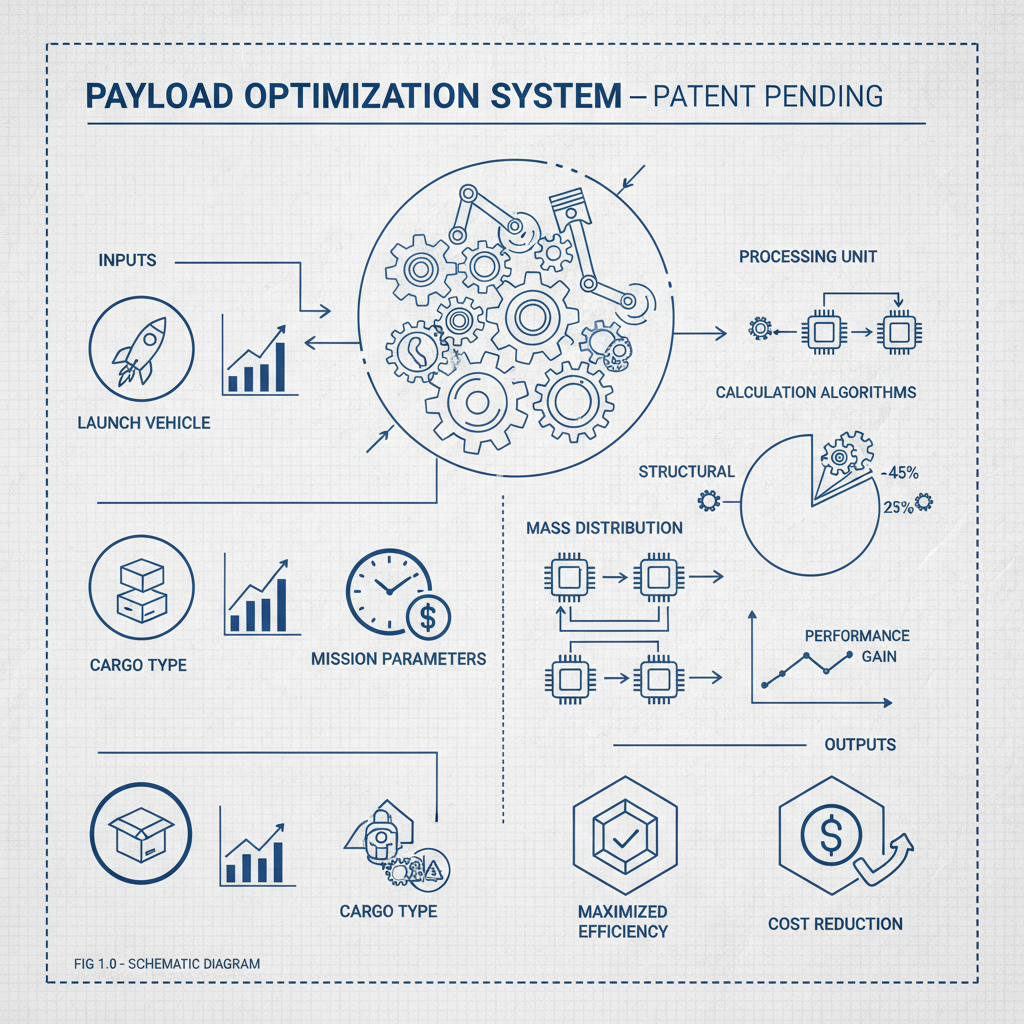
The efficient and secure delivery of essential goods – the payload – is a cornerstone of modern logistics, humanitarian aid, and even space exploration. From medical supplies reaching remote communities to vital components arriving at manufacturing facilities, the ability to transport items reliably and quickly underpins global stability and progress. Understanding the intricacies of payload management, encompassing everything from packaging and security to transportation methods and delivery systems, is crucial for optimizing operations, minimizing risks, and maximizing impact.
The global payload delivery market is a multi-trillion-dollar industry, driven by the increasing demands of e-commerce, globalization, and the need for rapid response in crisis situations. According to the UN, approximately $2.5 trillion in goods are transported internationally each year, and a significant portion of this value relies on the integrity of the payload. Furthermore, organizations like the World Bank are investing heavily in infrastructure improvements to enhance payload delivery capabilities in developing countries, recognizing its importance for economic growth and poverty reduction.
Efficient payload handling isn’t just about speed; it's about ensuring that goods arrive intact, on time, and secure. This necessitates a holistic approach, considering factors like environmental conditions, potential threats, and regulatory compliance. The complexities are increasing, demanding innovative solutions to overcome logistical challenges and protect the integrity of the payload throughout its journey.
Introduction: Global or Industry Context
The significance of efficient payload delivery transcends geographical boundaries, impacting everything from global trade to disaster relief efforts. The ISO standards organization, for example, actively develops and promotes packaging and transportation standards to ensure the safe and secure delivery of goods worldwide, directly addressing the critical need for payload integrity. Disruptions to payload transport, whether due to geopolitical instability, natural disasters, or logistical bottlenecks, can have cascading effects on entire economies and communities.
Currently, the logistics industry faces significant challenges related to capacity constraints, rising fuel costs, and increasing cybersecurity threats, all of which impact the reliable delivery of payload. The COVID-19 pandemic exposed vulnerabilities in global supply chains, highlighting the critical importance of resilient payload delivery networks. Companies and governments are now actively seeking innovative solutions to mitigate these risks and enhance the overall efficiency of payload transport.
Furthermore, the growing emphasis on sustainability is driving demand for eco-friendly payload delivery solutions, including the adoption of electric vehicles, optimized route planning, and sustainable packaging materials. Meeting these demands requires a fundamental shift in how we approach payload management, prioritizing both economic viability and environmental responsibility.
Definition & Meaning
In its simplest form, a payload refers to the carrying capacity of a vehicle, aircraft, or other transport method – the goods, passengers, or materials being transported. However, the term extends beyond just the physical weight or volume; it encompasses the value, sensitivity, and security requirements of what is being carried. A payload can be anything from a single, high-value component for a specialized machine to thousands of everyday consumer products.
The concept of payload is intrinsically linked to modern industry and humanitarian needs. Manufacturers rely on timely payload delivery to maintain production schedules, while aid organizations depend on rapid payload transport to reach disaster-stricken areas. The efficient management of payload directly impacts profitability, operational efficiency, and the ability to respond effectively to critical situations.
In the context of digital data, payload also refers to the actual content of a data packet transmitted over a network. This highlights the broader application of the term, extending beyond physical goods to encompass information and communication. Ensuring the security and integrity of this digital payload is paramount in today's interconnected world.
Key Factors or Core Components
Several key factors contribute to effective payload management. Firstly, Durability is paramount; the payload must be protected from damage during transit, regardless of environmental conditions. Robust packaging, appropriate handling procedures, and secure fastening systems are crucial for ensuring payload integrity. Secondly, Scalability is vital for adapting to fluctuating demand. A flexible payload delivery system should be able to accommodate varying volumes and destinations without significant disruption.
Cost Efficiency plays a critical role in maintaining profitability. Optimizing transportation routes, consolidating shipments, and leveraging technology can help reduce payload delivery costs. Furthermore, Security is non-negotiable, especially for high-value or sensitive payload. Implementing robust security measures, including tracking systems, tamper-evident packaging, and access controls, is essential for preventing theft and ensuring the safe delivery of goods. Finally, Traceability allows for real-time monitoring of the payload’s location and condition, providing transparency and accountability throughout the supply chain.
Global Applications & Use Cases
The principles of payload management are universally applicable, spanning diverse industries and regions. In post-disaster relief operations, rapid payload delivery of essential supplies – food, water, medical equipment – can be life-saving. Organizations like the Red Cross and Doctors Without Borders rely heavily on efficient payload transport to reach affected populations. In remote industrial zones, such as mining operations in Australia or oil rigs in the North Sea, specialized payload delivery services ensure the timely arrival of critical equipment and supplies.
The e-commerce sector is a major driver of payload delivery innovation, with companies like Amazon and DHL constantly seeking ways to optimize logistics and reduce delivery times. The pharmaceutical industry demands stringent temperature control and security measures for payload delivery, ensuring the integrity of sensitive medications and vaccines. Furthermore, the aerospace industry relies on precise payload management for the transportation of satellites, spacecraft components, and scientific instruments.
The agricultural sector benefits from efficient payload delivery of seeds, fertilizers, and pesticides, enabling farmers to maximize crop yields. In Africa, for example, drone technology is being used to deliver payload to remote farms, overcoming logistical challenges and improving agricultural productivity. These examples illustrate the broad range of applications and the critical importance of payload management in various sectors.
Advantages & Long-Term Value
Effective payload management delivers tangible benefits, including reduced costs, enhanced sustainability, and improved social impact. By optimizing transportation routes and minimizing waste, companies can significantly lower their payload delivery expenses. The adoption of eco-friendly payload solutions, such as electric vehicles and sustainable packaging, contributes to a greener supply chain and reduces environmental impact. A robust payload delivery system also enhances reliability, ensuring that goods arrive on time and in good condition, fostering trust with customers and partners.
From a social impact perspective, efficient payload delivery can improve access to essential goods and services in underserved communities. Rapid delivery of medical supplies can save lives, while timely delivery of agricultural inputs can enhance food security. Furthermore, investing in payload delivery infrastructure creates jobs and stimulates economic growth. These advantages contribute to long-term value creation and foster a more sustainable and equitable global economy.
Payload Performance Metrics
Future Trends & Innovations
Several emerging technologies are poised to revolutionize payload delivery. Autonomous vehicles, including drones and self-driving trucks, offer the potential to automate transportation, reduce costs, and improve efficiency. Blockchain technology can enhance payload traceability and security, providing a tamper-proof record of the entire supply chain. Artificial intelligence (AI) and machine learning (ML) can optimize route planning, predict potential disruptions, and personalize payload delivery services.
The increasing adoption of green energy solutions, such as electric vehicles and sustainable aviation fuels, will contribute to a more environmentally friendly payload delivery system. Digital transformation, driven by the Internet of Things (IoT) and cloud computing, will enable real-time monitoring, data analytics, and seamless integration across the entire payload ecosystem. These innovations promise to create a more resilient, efficient, and sustainable future for payload delivery.
Challenges & Solutions
Despite the advancements in payload delivery, several challenges remain. Cybersecurity threats pose a significant risk to payload integrity, requiring robust security measures and proactive threat detection. Regulatory hurdles and complex customs procedures can hinder cross-border payload transport. Infrastructure limitations, particularly in developing countries, can restrict access to remote areas.
Addressing these challenges requires a collaborative approach involving governments, industry stakeholders, and technology providers. Investing in cybersecurity infrastructure, streamlining customs procedures, and expanding transportation infrastructure are essential steps. Furthermore, promoting innovation in areas such as drone technology and autonomous vehicles can overcome logistical barriers and improve access to underserved communities.
Developing standardized data formats and interoperable systems can facilitate seamless information sharing and enhance payload traceability across the entire supply chain. By proactively addressing these challenges, we can unlock the full potential of payload delivery and create a more resilient and efficient global economy.
Summary of Payload Risk Factors & Mitigation Strategies
| Risk Factor |
Likelihood (1-10) |
Impact (1-10) |
Mitigation Strategy |
| Theft/Pilferage |
6 |
8 |
Enhanced security protocols, tracking systems, tamper-evident packaging |
| Damage during Transit |
7 |
7 |
Robust packaging, careful handling procedures, insurance coverage |
| Cybersecurity Breach |
5 |
9 |
Firewalls, encryption, data backups, intrusion detection systems |
| Delivery Delays |
8 |
6 |
Route optimization, real-time tracking, proactive communication |
| Regulatory Compliance Issues |
4 |
7 |
Thorough documentation, expert guidance, adherence to international standards |
| Natural Disasters |
3 |
10 |
Diversified routes, insurance coverage, contingency planning |
FAQS
Temperature-controlled payload delivery requires specialized equipment and monitoring to maintain a specific temperature range throughout the transportation process. This is crucial for items like pharmaceuticals, food, and certain chemicals. Standard delivery doesn't typically offer this level of control and is suitable for goods that aren't temperature sensitive. Temperature-controlled delivery usually involves refrigerated trucks, insulated containers, and real-time temperature tracking systems, resulting in higher costs but ensuring product integrity. Proper validation and qualification of the temperature control system are essential for regulatory compliance.
Securing international payload shipments requires a multi-faceted approach. This includes utilizing tamper-evident packaging, employing reputable freight forwarders with robust security protocols, implementing real-time tracking systems, and obtaining cargo insurance. Conducting thorough due diligence on all parties involved in the supply chain is crucial. Additionally, adhering to international security standards, such as those set by the World Customs Organization, and implementing cybersecurity measures to protect against data breaches are essential safeguards.
Blockchain technology provides a secure and transparent ledger for tracking payload throughout its journey. Each transaction or event in the supply chain is recorded as a block on the blockchain, making it virtually impossible to alter or tamper with the data. This enhances traceability, reduces fraud, and improves accountability. By providing a single source of truth, blockchain enables stakeholders to easily verify the authenticity and provenance of goods, strengthening trust and efficiency.
Environmental impact should be a key consideration. Opting for transportation methods with lower carbon emissions, like rail or sea freight, over air freight can significantly reduce the payload’s carbon footprint. Using sustainable packaging materials, optimizing route planning to minimize mileage, and consolidating shipments to reduce the number of vehicles on the road are also important steps. Choosing logistics providers committed to environmental sustainability and investing in carbon offsetting programs can further mitigate the environmental impact.
Smaller businesses can leverage technology and strategic partnerships to compete effectively. Utilizing third-party logistics (3PL) providers can provide access to economies of scale and specialized expertise. Embracing digital tools for route optimization, inventory management, and communication can improve efficiency. Focusing on niche markets or specialized payload types can also create a competitive advantage. Building strong relationships with customers and providing personalized service are also crucial for success.
Last-mile payload delivery is experiencing significant innovation. Drone delivery is gaining traction for small packages in urban and rural areas. Autonomous delivery robots are being tested for sidewalk deliveries. Micro-fulfillment centers located closer to customers are reducing delivery times and costs. Crowdsourced delivery platforms are leveraging independent contractors to provide on-demand delivery services. These trends are driven by the demand for faster, more convenient, and cost-effective delivery options.
Conclusion
In conclusion, the effective management of payload is a critical component of global commerce, humanitarian aid, and technological advancement. From ensuring the safe and secure transport of essential goods to leveraging cutting-edge technologies for improved traceability and efficiency, a comprehensive understanding of payload principles is paramount. The factors of durability, scalability, cost efficiency, and security are all interdependent and contribute to a resilient and reliable payload delivery system.
Looking ahead, continued innovation in areas such as autonomous vehicles, blockchain technology, and sustainable transportation solutions will further transform the payload delivery landscape. Embracing these advancements and proactively addressing the challenges of cybersecurity, regulatory compliance, and infrastructure limitations will be essential for unlocking the full potential of payload management and creating a more connected, efficient, and sustainable future. For further information and to explore tailored payload solutions, visit our website: www.space-navi.com