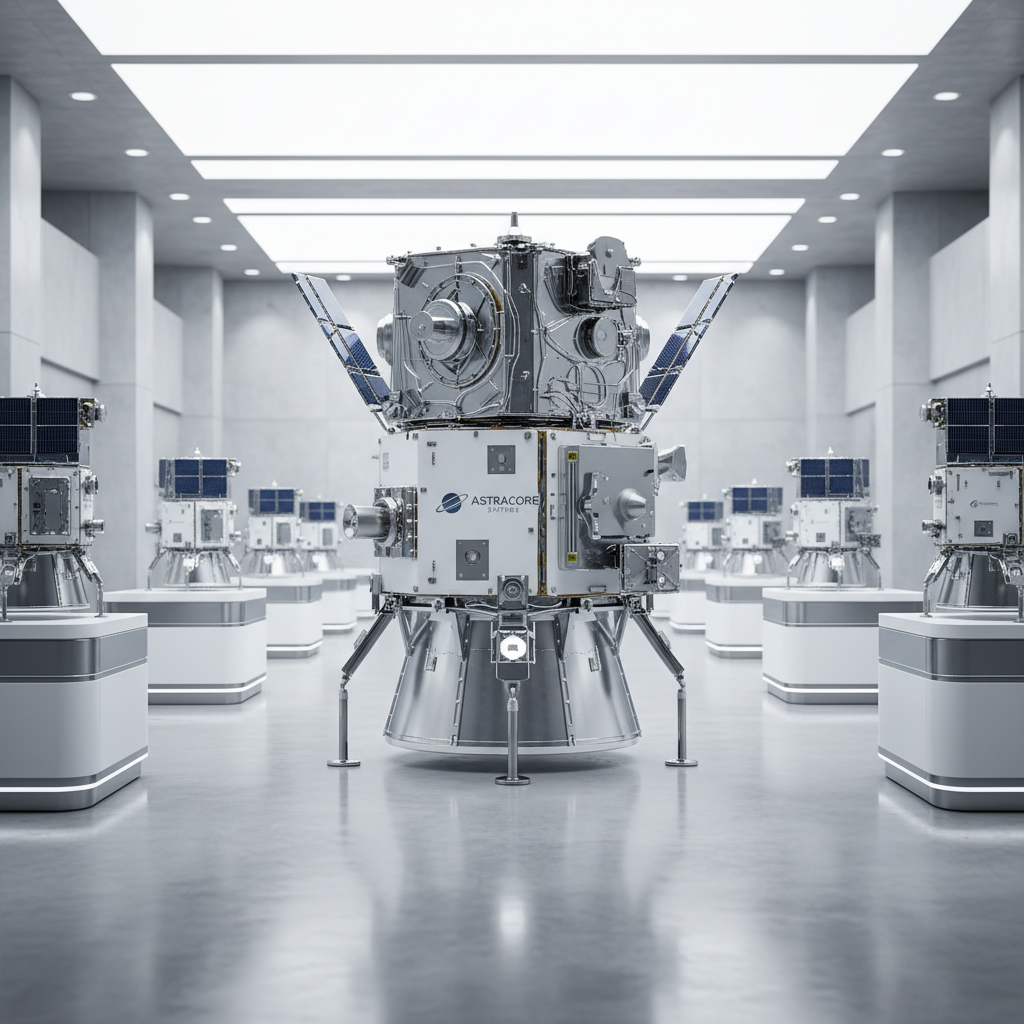
Satellite bus manufacturers are at the core of the modern space industry, providing the foundational platform upon which a vast array of space missions are built. These manufacturers don’t simply assemble components; they engineer complex, robust systems capable of withstanding the harsh environment of space while reliably supporting diverse payload requirements. Understanding the capabilities and innovations within this sector is crucial for anyone involved in space exploration, communication, or observation, and increasingly, for those leveraging space-based services in terrestrial applications.
The global space economy is booming, driven by increasing demand for satellite-based services like broadband internet, Earth observation, and precise navigation. This growth directly fuels the demand for advanced satellite buses, making satellite bus manufacturers pivotal players in the industry. According to the Space Foundation, the global space economy reached $469 billion in 2021, with a significant portion attributed to satellite manufacturing and related services. The challenges facing the industry—such as increasing launch costs, the need for faster deployment, and demand for more resilient infrastructure—drive constant innovation in satellite bus design and manufacturing.
The importance of these manufacturers extends beyond commercial ventures. Satellite buses are critical for governmental and scientific missions, supporting weather forecasting, disaster monitoring, national security, and fundamental research. As access to space becomes more democratized, and as smaller, more agile companies enter the market, the role of specialized satellite bus manufacturers in providing reliable and customizable platforms becomes even more essential.
Introduction to satellite bus manufacturers
Satellite bus manufacturers are the companies responsible for designing and building the core structure – the "bus" – of a satellite. This encompasses all the essential systems needed to operate in space, including power, propulsion, thermal control, attitude determination and control, and communication systems. These systems aren't tailored to the specific mission's payload; rather, they provide the foundational support for it.
Key players like Airbus Defence and Space, Thales Alenia Space, Maxar Technologies, and satellite bus manufacturers are consistently innovating to create more efficient, reliable, and versatile platforms. Their work directly impacts the cost, lifespan, and capabilities of every satellite launched.
Defining Satellite Bus Manufacturers
Simply put, satellite bus manufacturers specialize in creating the skeletal framework and essential operational systems of satellites. Unlike payload providers who focus on the specific mission – whether it’s imaging, communications, or scientific research – bus manufacturers concentrate on the underlying infrastructure that makes those missions possible. They provide a standardized, yet customizable, platform that reduces development time and costs for satellite operators.
The connection to modern industry and humanitarian needs is profound. Satellite buses enable crucial services like global internet access, disaster monitoring, agricultural optimization, and climate change research. They underpin the infrastructure supporting modern economies and provide critical information for addressing global challenges. Without these manufacturers, many of the benefits of space technology would be inaccessible or prohibitively expensive.
These manufacturers often offer a catalog of pre-designed bus models, ranging in size, power capacity, and orbital lifespan. Clients can then select a bus that best suits their mission requirements and customize it with their specific payload and software. This modular approach streamlines the satellite development process and allows for faster time-to-market.
Core Components and Capabilities
The capabilities of satellite bus manufacturers are centered around several core components. First is the structure itself, typically made of lightweight, high-strength materials like aluminum or carbon fiber composites, designed to withstand the stresses of launch and the vacuum of space. Secondly, the power system, usually solar arrays and batteries, which provide the energy needed to operate the satellite’s systems and payload.
The attitude determination and control system (ADCS) is another critical element, enabling the satellite to maintain its orientation in space and point its instruments accurately. Propulsion systems, ranging from chemical rockets to electric propulsion, are used for orbit maintenance, maneuvering, and deorbiting. Finally, the thermal control system manages the temperature of the satellite's components, protecting them from extreme heat and cold.
These components are intricately integrated and tested to ensure reliable operation over the satellite’s intended lifespan. Manufacturers are increasingly focusing on incorporating redundancy and fault tolerance into their designs, making satellites more resilient to failures. They also strive to minimize weight and maximize efficiency to reduce launch costs and extend operational life.
Key Factors Influencing Satellite Bus Design
Durability is paramount. Satellite buses must endure the extreme conditions of space—vacuum, radiation, thermal cycling—for years, even decades. Scalability is also crucial, as manufacturers must cater to diverse mission requirements, from small CubeSats to large geostationary satellites.
Cost efficiency is a constant driver, as launch costs and satellite development budgets are significant considerations. Reliability is non-negotiable; a single failure can jeopardize an entire mission. Power availability and management are critical, particularly as payloads become more power-hungry. Finally, adaptability to new technologies and changing mission needs is essential for long-term competitiveness.
Satellite Bus Manufacturer Performance Metrics
Global Applications and Industries Served
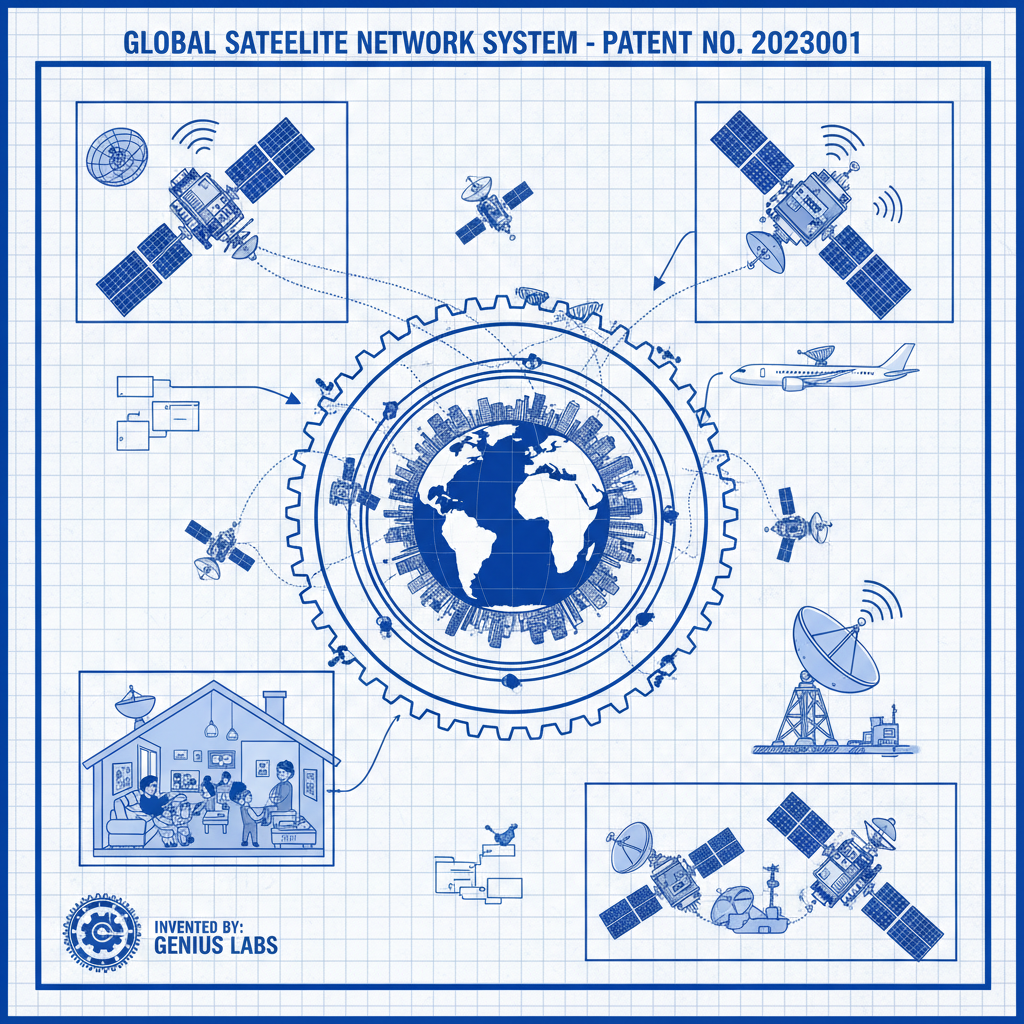
Satellite bus manufacturers serve a broad spectrum of industries. In the telecommunications sector, their buses underpin global communication networks, providing broadband internet, mobile connectivity, and broadcasting services. Earth observation applications—including environmental monitoring, agricultural management, and urban planning—rely heavily on these platforms.
In post-disaster relief operations, satellite buses facilitate communication and provide critical imagery for damage assessment. In remote industrial zones, they enable logistical support and monitoring of infrastructure. National security agencies utilize them for surveillance, intelligence gathering, and secure communication. These platforms are vital for scientific research, enabling studies of climate change, space weather, and the universe.
Advantages and Long-Term Value Proposition
The advantages of utilizing advanced satellite bus technology are numerous. Reduced development costs, thanks to standardized platforms, are a significant benefit. Increased reliability and lifespan translate to lower total cost of ownership. Improved performance capabilities enable more sophisticated missions and applications.
From a societal perspective, satellite technology fosters economic growth, enhances safety and security, and provides access to essential services. The innovation spurred by competition among satellite bus manufacturers drives continuous improvements in space technology, benefiting all sectors. Investing in robust satellite infrastructure represents a long-term commitment to progress and resilience.
Future Trends and Innovation
Several key trends are shaping the future of satellite bus manufacturing. The rise of small satellites and constellations is driving demand for smaller, more affordable buses. Electric propulsion is gaining traction, offering increased efficiency and maneuverability. Advanced materials, such as lightweight composites and 3D-printed components, are reducing weight and improving performance.
Digital transformation is streamlining the design and manufacturing process, leveraging artificial intelligence and machine learning. Increased focus on sustainability is driving the development of environmentally friendly materials and propulsion systems. Ultimately, these innovations will lead to more capable, cost-effective, and sustainable space infrastructure.
The development of fully reconfigurable satellite buses represents a paradigm shift, allowing operators to adapt to changing mission requirements in orbit. This flexibility will be crucial for maximizing the value of satellite investments and responding to unforeseen events.
FAQS
Large satellite buses, often used for geostationary orbit, are designed for long lifespan and high power, prioritizing stability and robust systems. Small satellite buses, geared toward LEO constellations, emphasize affordability, quick manufacturing, and modularity. They generally have lower power capabilities but benefit from lower launch costs and rapid deployment. The choice depends heavily on the mission's specific requirements and budget.
Radiation is a major threat to satellite electronics. Shielding is vital, involving materials like aluminum and tantalum strategically placed to absorb or deflect harmful particles. However, shielding adds weight. Satellite bus manufacturers must balance radiation protection with weight constraints, employing sophisticated modeling to optimize shielding effectiveness for different orbital environments.
Effective thermal management is critical. Satellites experience extreme temperature swings. Buses utilize systems like heat pipes, radiators, and multi-layer insulation to maintain optimal operating temperatures for all components. Improper thermal control can lead to component failure and mission loss. Advanced thermal modeling and testing are essential.
Rigorous testing is conducted, including vibration testing to simulate launch stresses, thermal vacuum testing to mimic the space environment, and electromagnetic compatibility (EMC) testing to ensure systems don't interfere with each other. Component-level and system-level tests are performed. These tests verify the bus's resilience and functionality before the substantial investment of launch.
Lifespan varies widely. Geostationary satellites often aim for 15+ years, requiring highly reliable components and robust design. LEO satellites, particularly those in constellations, may have shorter lifespans (5-7 years) due to atmospheric drag and the need for frequent replacements. Factors include radiation exposure, fuel availability, and component degradation.
Manufacturers are designing buses with standardized docking ports and interfaces to facilitate robotic servicing missions. They're incorporating fuel-efficient propulsion systems to extend lifespan and enable rendezvous maneuvers. Buses are being engineered with modular components that can be replaced or upgraded in orbit, reducing the need for complete satellite replacements.
Conclusion
Satellite bus manufacturers are the unsung heroes of the space age, providing the foundational technology that enables a vast array of missions and applications. Their continuous innovation in areas like propulsion, materials, and power management is driving down costs, increasing reliability, and expanding the possibilities of space exploration and utilization. Understanding the capabilities and challenges faced by these manufacturers is critical for anyone involved in the space industry or reliant on space-based services.
Looking ahead, the future of satellite bus manufacturing will be defined by increased automation, a greater emphasis on sustainability, and the development of more adaptable and reconfigurable platforms. Investing in these technologies and fostering collaboration between manufacturers, payload providers, and end-users will be essential for unlocking the full potential of space and addressing some of the world’s most pressing challenges.