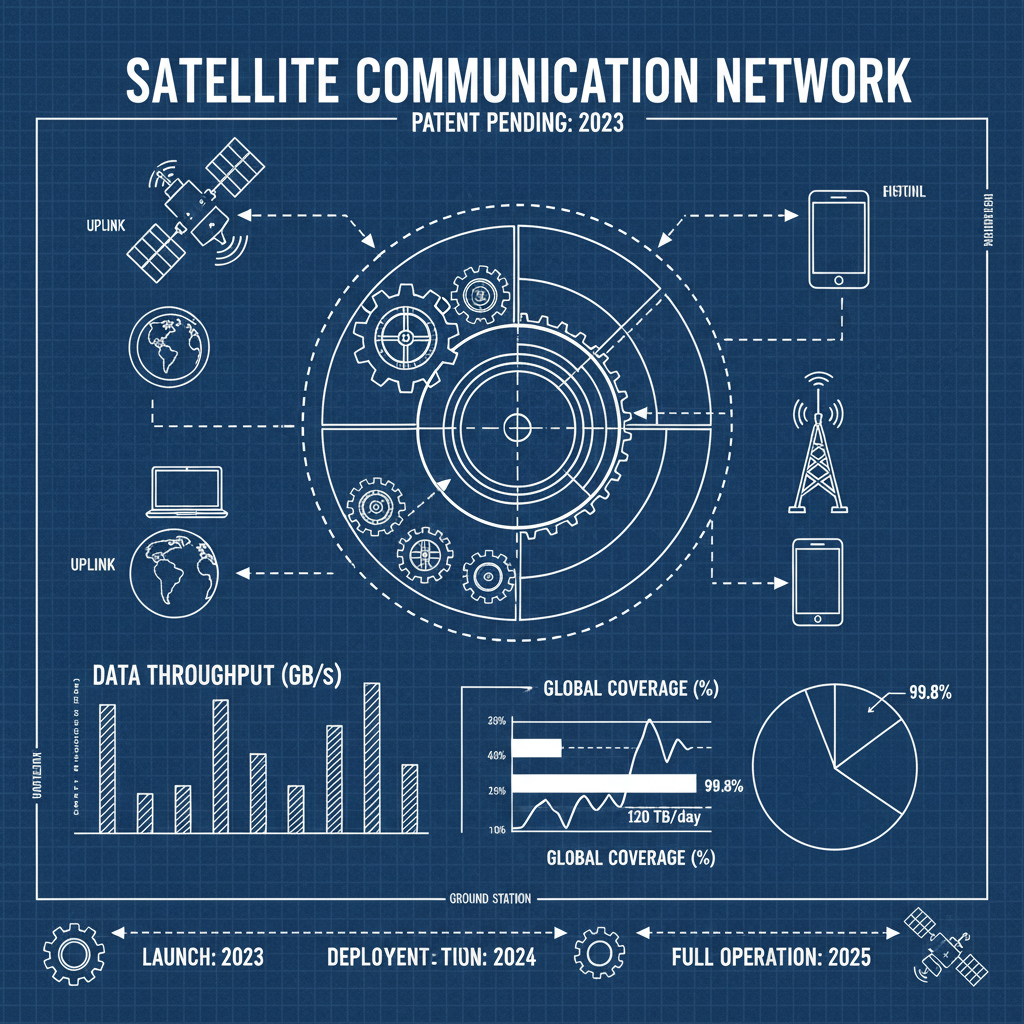
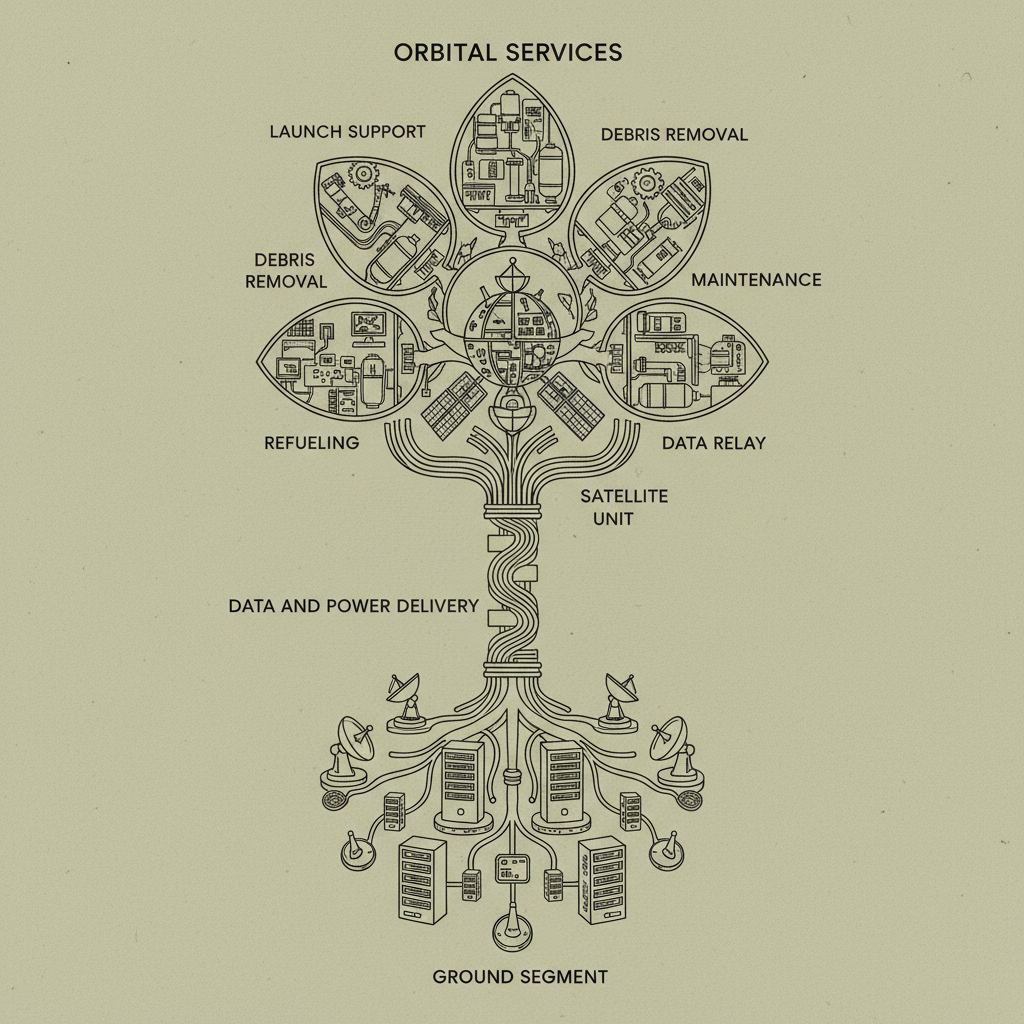
Satellite communication, the use of satellites to provide communication links between various points on Earth, has revolutionized global connectivity. It transcends geographical limitations, enabling communication in remote areas, disaster zones, and across vast oceans where traditional terrestrial infrastructure is impractical or unavailable. The benefits extend beyond simple communication, impacting fields like navigation, weather forecasting, and scientific research, cementing its role as a critical component of modern infrastructure.
This technology isn't merely about convenience; it's a cornerstone of global security and economic development. From providing vital information during emergencies to facilitating international trade and cultural exchange, satellite communication plays an integral role. Understanding its principles, applications, and future trends is paramount for individuals and organizations navigating an increasingly interconnected world.
The ongoing advancements in satellite technology, including the deployment of Low Earth Orbit (LEO) constellations and improved signal processing, promise even greater bandwidth, lower latency, and increased accessibility, further solidifying its importance in the decades to come.
The Importance of Satellite Communication
Satellite communication has become fundamentally important because it overcomes limitations inherent in terrestrial systems. Unlike fiber optic cables or microwave towers, satellite signals can reach any point on Earth, making it the only viable option for connecting remote locations, providing broadband access to underserved populations, and ensuring communication during natural disasters. This global reach is a critical differentiator.
Moreover, satellite technology offers a level of redundancy and resilience unmatched by ground-based networks. In the event of infrastructure failures due to natural disasters or intentional disruptions, satellite systems can maintain vital communication links, playing a critical role in emergency response and national security.
Global Relevance and Industry Context
The global satellite communication market is experiencing substantial growth, driven by increasing demand for broadband connectivity, the proliferation of IoT devices, and the expansion of digital services worldwide. According to the UN, over 3.6 billion people still lack access to the internet, a gap satellite communication is uniquely positioned to bridge. The World Bank recognizes the critical role of reliable communication infrastructure in fostering economic development, particularly in developing nations.
Industries heavily reliant on satellite communication include broadcasting (delivering television and radio programming), maritime and aviation (providing navigation and communication services), defense and intelligence (enabling secure communication and surveillance), and scientific research (collecting data from remote sensors). The ISO standards for satellite communication ensure interoperability and quality of service.
A key challenge addressed by satellite communication is the ‘digital divide’ – the gap between those who have access to modern information and communication technologies and those who do not. By extending connectivity to remote and underserved areas, satellite technology promotes inclusivity and equal opportunities for economic and social participation.
Defining Satellite Communication
In its simplest form, satellite communication involves transmitting information between two or more points on Earth using a satellite as a relay station. A ground station transmits a signal to the satellite, which then amplifies and retransmits the signal to another ground station or directly to a user terminal. This process relies on radio waves traveling through space.
This technology is intrinsically linked to modern industry. Consider the financial sector, where satellite links facilitate secure transactions across continents. Or consider humanitarian efforts; in the aftermath of a natural disaster, satellite phones and data links can be the only means of coordinating rescue efforts and delivering aid.
Satellite communication isn’t just about phones and internet; it's a vital enabler for many essential services we rely on daily, showcasing its fundamental role in shaping the contemporary world.
Key Components of Effective Satellite Communication
Several factors are crucial for reliable satellite communication. Firstly, Signal Strength directly impacts the quality of the connection; stronger signals lead to clearer transmissions and reduced data loss. Secondly, Frequency Band selection influences bandwidth and susceptibility to interference; different bands offer varying capacities and propagation characteristics.
Satellite Orbit plays a significant role; Geostationary Earth Orbit (GEO) satellites offer broad coverage but suffer from higher latency, while Low Earth Orbit (LEO) satellites provide lower latency but require a constellation for continuous coverage. Ground Station Infrastructure is also critical, including antennas, transceivers, and network connectivity. Finally, Data Encoding and Modulation techniques determine how efficiently information is transmitted and received, influencing bandwidth utilization and error rates.
Satellite Communication Method Comparison
Real-World Applications of Satellite Communication
Satellite communication is integral to numerous real-world applications. In post-disaster relief operations, it’s often the only means of coordinating aid and providing communication links for first responders. In remote industrial zones, such as oil rigs and mining operations, satellite communication ensures reliable connectivity for critical operations and worker safety.
Maritime industries depend on satellite communication for navigation, weather updates, and crew welfare. Aviation relies on satellite-based systems for air traffic control, navigation, and in-flight entertainment. Moreover, satellite communication underpins global financial transactions, enabling secure data transfer and real-time market updates.
The expansion of the Internet of Things (IoT) is also heavily reliant on satellite connectivity, particularly for applications in agriculture, environmental monitoring, and asset tracking across vast geographical areas.
Advantages and Long-Term Value
The advantages of satellite communication are compelling. Cost-effectiveness in remote areas, where establishing terrestrial infrastructure is prohibitively expensive, is a major benefit. Wide coverage ensures connectivity regardless of location, providing a crucial advantage in disaster scenarios and for mobile applications. Scalability allows for flexible capacity adjustments to meet changing demands.
The long-term value extends beyond purely economic considerations. Satellite communication fosters social inclusion by bridging the digital divide, empowering communities with access to information and opportunities. It enhances safety and security by enabling emergency communication and real-time monitoring. Ultimately, it drives innovation by facilitating the development of new applications and services.
Future Trends and Innovations in Satellite Communication
The future of satellite communication is marked by several exciting trends. The rise of Low Earth Orbit (LEO) constellations, such as Starlink and OneWeb, promises to deliver high-speed, low-latency internet access globally. Advancements in satellite technology, including the development of smaller, more efficient satellites and improved antenna designs, are driving down costs and increasing performance.
Increasingly, there's a focus on integrating satellite communication with 5G and other terrestrial networks, creating seamless hybrid connectivity solutions. The adoption of green technologies, such as solar-powered satellites and sustainable manufacturing processes, is gaining momentum, addressing environmental concerns. Digital transformation, automation, and sustainability are key drivers of innovation in this sector.
Future Trends and Innovations in Satellite Communication
The future of satellite communication is marked by several exciting trends. The rise of Low Earth Orbit (LEO) constellations, such as Starlink and OneWeb, promises to deliver high-speed, low-latency internet access globally. Advancements in satellite technology, including the development of smaller, more efficient satellites and improved antenna designs, are driving down costs and increasing performance.
Increasingly, there's a focus on integrating satellite communication with 5G and other terrestrial networks, creating seamless hybrid connectivity solutions. The adoption of green technologies, such as solar-powered satellites and sustainable manufacturing processes, is gaining momentum, addressing environmental concerns. Digital transformation, automation, and sustainability are key drivers of innovation in this sector.
Challenges and Potential Solutions in Satellite Communication
| Challenge |
Impact on Satellite Communication |
Potential Solution |
Implementation Difficulty (1-10) |
| Space Debris |
Collision risk to operational satellites, signal disruption |
Active debris removal, improved tracking and collision avoidance systems |
8 |
| Spectrum Congestion |
Interference, reduced bandwidth availability |
Dynamic spectrum allocation, advanced signal processing techniques |
7 |
| Cybersecurity Threats |
Hacking, data breaches, signal jamming |
Encryption, robust authentication protocols, intrusion detection systems |
6 |
| High Launch Costs |
Limits deployment of new satellites, increases project expenses |
Reusable launch vehicles, smaller satellite designs |
5 |
| Latency (GEO Satellites) |
Delays in communication, unsuitable for real-time applications |
Transition to LEO constellations, edge computing |
4 |
| Regulatory Hurdles |
Delays in approvals, restricts innovation |
Streamlined licensing processes, international cooperation |
7 |
FAQS
The main advantage lies in its reach. Satellite communication isn’t limited by geographical barriers like mountains, oceans, or remote areas. Traditional methods, like fiber optic cables, require extensive infrastructure investment, making them impractical for many locations. Satellite communication offers a cost-effective and readily deployable solution for connecting areas where terrestrial infrastructure is limited or unavailable, ensuring global connectivity.
Latency, the delay in data transmission, is a challenge with traditional Geostationary Earth Orbit (GEO) satellites due to the long distances signals must travel. This can cause noticeable delays in real-time applications like video conferencing, gaming, and interactive online experiences. However, the advent of Low Earth Orbit (LEO) satellite constellations drastically reduces latency, making satellite internet a viable option for these applications. LEO satellites are closer to Earth, resulting in faster data transfer speeds.
While generally reliable, satellite communication can be affected by extreme weather. Heavy rain, snow, and atmospheric disturbances can attenuate or disrupt signals, leading to temporary outages. However, satellite systems are designed to mitigate these effects. Modern satellites use frequency diversity and adaptive coding techniques to maintain connectivity even under challenging conditions. Furthermore, the distributed nature of LEO constellations provides redundancy, reducing the risk of widespread outages.
Security is a paramount concern. Satellite signals are susceptible to interception and jamming. Therefore, robust encryption and authentication protocols are essential to protect sensitive data. Physical security of ground stations is also critical to prevent unauthorized access. Furthermore, implementing cybersecurity measures to defend against hacking and denial-of-service attacks is crucial for maintaining the integrity and confidentiality of satellite communication networks.
Historically, satellite internet has been more expensive than terrestrial broadband options. However, the cost is decreasing with the emergence of LEO constellations and increased competition. While initial installation costs may be higher, satellite internet can be more cost-effective than extending fiber optic cables to remote areas. The total cost depends on factors like data usage, service provider, and equipment requirements.
Satellite communication is invaluable during disaster recovery efforts. When terrestrial infrastructure is damaged or destroyed, satellites provide the only means of reliable communication for first responders, emergency management teams, and affected populations. Satellite phones, data links, and broadcast services facilitate coordination, assessment of damage, and delivery of critical aid. The ability to quickly establish communication links is crucial for saving lives and minimizing the impact of disasters.
Conclusion
Satellite communication has evolved from a niche technology to an indispensable component of modern infrastructure. Its ability to transcend geographical barriers, provide reliable connectivity in challenging environments, and support a wide range of applications makes it critical for global connectivity, economic development, and disaster preparedness. The benefits – increased access, enhanced security, and improved efficiency – are undeniable.
Looking ahead, continued innovation in satellite technology, including LEO constellations, advanced antennas, and sustainable practices, will further expand its reach and impact. Investing in satellite communication infrastructure and fostering international collaboration are essential to bridge the digital divide, promote inclusive growth, and build a more connected and resilient world. Visit our website at www.space-navi.com to learn more about the latest advancements in satellite technology.