TEL:+86 13943095588
0%

Table of Contents

Hyperspectral imaging is rapidly becoming a cornerstone technology across a surprisingly wide range of industries. It's more than just a fancy camera; it’s a way to “see” the world in a whole new light, literally. Instead of capturing the standard red, green, and blue wavelengths that our eyes perceive, hyperspectral cameras capture hundreds of narrow, contiguous bands of the electromagnetic spectrum. This creates a comprehensive ‘fingerprint’ of materials, allowing for incredibly detailed analysis. The ability to identify and quantify materials remotely, without physical contact, is revolutionizing fields from agriculture and environmental monitoring to defense and food safety. Understanding this technology isn’t just an academic exercise anymore; it’s crucial for anyone looking to stay ahead in a data-driven world.

The demand for sophisticated analytical tools is soaring globally. According to a recent report by Allied Market Research, the global hyperspectral imaging market is projected to reach $2.3 billion by 2027, growing at a CAGR of 13.8% from 2020. This growth is fueled by increasing adoption in precision agriculture, driven by the need for sustainable food production, and the rising demand for remote sensing solutions in environmental monitoring. The UN’s Sustainable Development Goals (SDGs), particularly those relating to food security (SDG 2) and climate action (SDG 13), are directly benefiting from advancements in hyperspectral technology. It’s a critical tool for assessing crop health, monitoring deforestation, and detecting pollution levels.

Simply put, a hyperspectral image isn’t a single picture, but a data cube. Each pixel contains a full spectrum of information, allowing us to identify the chemical composition of materials. Think of it like this: traditional cameras tell you something is “green”, while hyperspectral imaging tells you what kind of green – is it a healthy leaf, a stressed plant, or a weed? This level of detail is incredibly valuable in a world grappling with complex challenges like resource management, environmental sustainability, and quality control. It’s a technology moving rapidly from specialized research labs into everyday applications.
Advancements in Hyperspectral Image Technology and Global Applications

Introduction to hyperspectral image

Advancements in Hyperspectral Image Technology and Global Applications

The core principle behind hyperspectral image is data richness. Each pixel isn’t just a color; it’s a full spectral signature. This detailed data allows for precise material identification and quantification, unlocking possibilities previously unavailable with traditional imaging. It’s a fundamental shift in how we collect and interpret visual information.

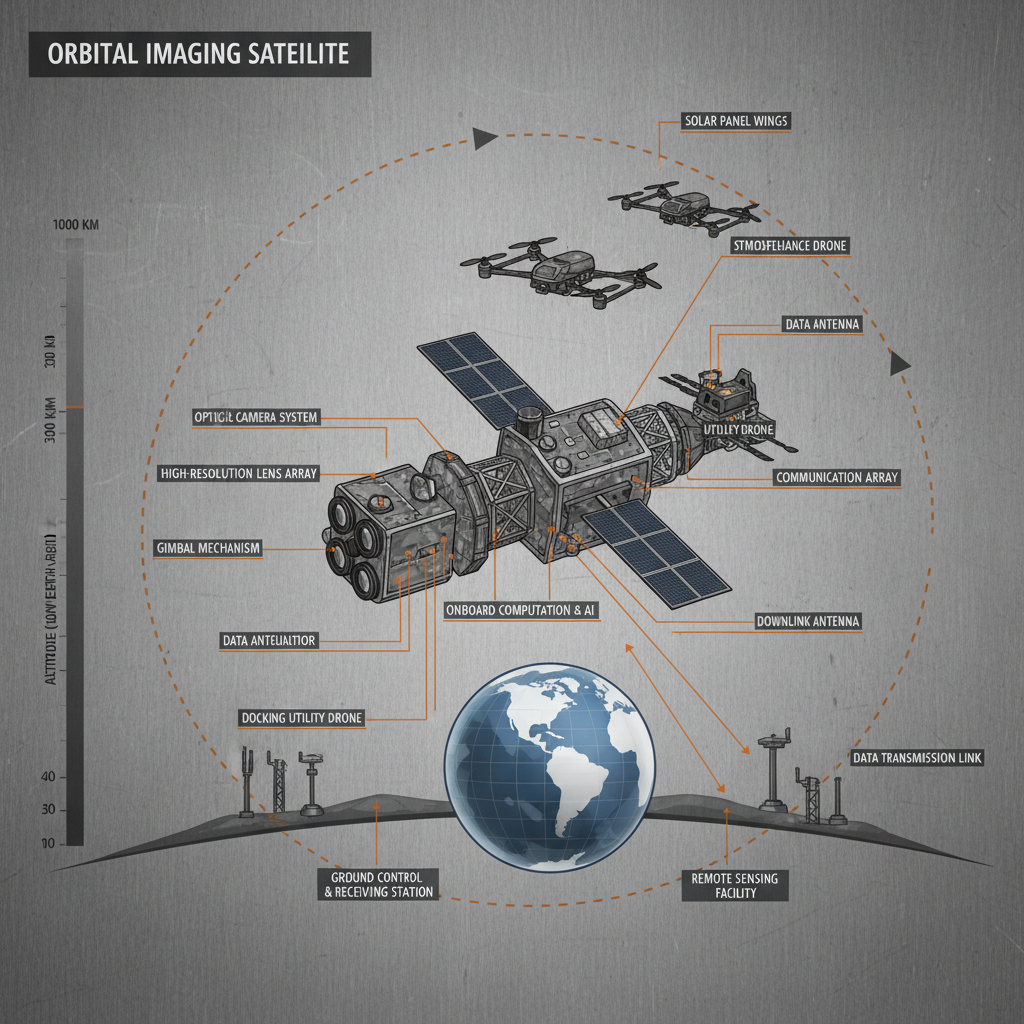
This technology isn't confined to lab settings anymore. We’re seeing miniaturization and cost reductions making it accessible for field deployment, opening up real-time analysis possibilities in remote locations. Think drone-based surveys for agricultural monitoring or handheld scanners for geological exploration. That’s where the real impact is happening.

Global Relevance of hyperspectral image

The demand for accurate, reliable data is a global imperative. Whether it's monitoring deforestation in the Amazon rainforest, assessing crop yields in the American Midwest, or identifying mineral deposits in the Australian outback, hyperspectral imaging provides a powerful tool for informed decision-making. International organizations like the FAO and NASA are heavily invested in leveraging this technology for sustainable resource management.

A key challenge we face is food security. With a growing global population, we need to maximize agricultural output while minimizing environmental impact. Hyperspectral image allows farmers to identify crop stress early on, optimize irrigation and fertilization, and ultimately increase yields. It's not just about producing more food; it’s about producing it more efficiently and sustainably.

Furthermore, environmental monitoring is becoming increasingly critical as we grapple with the effects of climate change. Hyperspectral data can be used to detect pollution levels, monitor water quality, and track the health of ecosystems. This information is essential for developing effective environmental policies and mitigating the impact of human activities.

Defining hyperspectral image

In essence, hyperspectral image is a method of capturing and processing information across the electromagnetic spectrum. Unlike a standard digital camera that records three color bands (red, green, and blue), a hyperspectral camera records hundreds of narrow spectral bands. This creates a detailed spectrum for each pixel, revealing the unique ‘fingerprint’ of the material present.

Its connection to modern industry stems from the increasing need for non-destructive analysis and precise material identification. Imagine being able to identify contaminants in food products without physically altering the sample, or detecting early signs of disease in plants before they become visible to the naked eye. This is the power of hyperspectral imaging.

From a humanitarian perspective, this technology can be used for disaster assessment, identifying survivors in rubble, and mapping damaged infrastructure. The ability to quickly and accurately assess a situation can be life-saving in emergency response efforts. It’s a truly versatile tool with applications spanning multiple sectors.

Key Factors of hyperspectral image

Data Resolution is key – both spectral and spatial. Higher spectral resolution (more narrow bands) means more detailed information, while higher spatial resolution (smaller pixel size) provides more precise location data. Finding the right balance depends on the application.

Sensor Calibration is absolutely critical. If the sensor isn’t accurately calibrated, the data is useless. We’re talking about precise measurements of light intensity across hundreds of wavelengths; even slight variations can significantly affect the results.

Key Factors Influencing hyperspectral image Quality


Global Applications of hyperspectral image

In agriculture, hyperspectral imaging is used for precision farming, allowing farmers to monitor crop health, detect nutrient deficiencies, and optimize irrigation. In remote industrial zones, it's deployed for pipeline leak detection and environmental monitoring.

Post-disaster relief operations benefit immensely from hyperspectral data. We can rapidly assess damage to infrastructure, identify hazardous materials, and locate survivors. Organizations like the Red Cross are increasingly utilizing this technology.

Advantages of hyperspectral image

The biggest advantage is the level of detail. It allows us to see things that are invisible to the naked eye or traditional imaging techniques. This leads to more accurate analysis, better decision-making, and ultimately, improved outcomes.

From a long-term value perspective, hyperspectral image drives efficiency and sustainability. By optimizing resource utilization and minimizing waste, it contributes to both economic and environmental benefits. It's an investment that pays off in the long run.

Future Trends in hyperspectral image

We're seeing a move towards smaller, more affordable sensors, making hyperspectral imaging accessible to a wider range of users. Miniaturization is a huge driver, enabling drone-based and handheld applications.

The integration of hyperspectral imaging with artificial intelligence and machine learning is also a major trend. AI algorithms can analyze the vast amounts of data generated by hyperspectral sensors, identifying patterns and making predictions with greater accuracy. This opens up possibilities for automated analysis and real-time decision-making.

Expect to see more applications in areas like personalized medicine, where hyperspectral imaging can be used to diagnose diseases at an early stage, and space exploration, where it can be used to analyze the composition of planets and asteroids. The possibilities are truly limitless.

Summary of Current Challenges and Potential Solutions in hyperspectral image

Challenge Impact on hyperspectral image Potential Solution Implementation Difficulty (1-10)
High Data Volume Increased storage and processing requirements Data compression techniques and cloud-based processing 6
Atmospheric Interference Distortion of spectral signatures Atmospheric correction algorithms and sensor calibration 7
Cost of Equipment Limited accessibility for smaller organizations Development of lower-cost sensors and shared resource models 8
Data Analysis Complexity Requires specialized expertise and software User-friendly software and automated analysis tools 5
Calibration Challenges Inaccurate data and unreliable results Advanced calibration methods and on-board calibration systems 7
Limited Spectral Libraries Difficulty in identifying unknown materials Development of comprehensive spectral libraries and spectral matching algorithms 6

FAQS

What is the typical cost of implementing a hyperspectral imaging system?

The cost of a hyperspectral imaging system can vary drastically depending on the specific requirements. A basic airborne system can range from $50,000 to $200,000, while a more sophisticated laboratory system could easily exceed $500,000. Software, data processing, and personnel training also add to the overall expense. It's a significant investment, but the return on investment can be substantial depending on the application. Often, leasing or service-based models can lower the initial barrier to entry.

How does hyperspectral imaging compare to traditional multispectral imaging?

Multispectral imaging captures data in a few broad bands, similar to what a standard camera sees. Hyperspectral imaging, on the other hand, captures data in hundreds of very narrow, contiguous bands. This provides a much more detailed spectral signature, enabling more accurate identification and quantification of materials. Think of it like the difference between a crayon box with 8 colors versus one with 200 – you have a lot more nuance and detail with hyperspectral.

What are the main challenges in processing hyperspectral data?

The biggest challenge is the sheer volume of data. Hyperspectral images generate massive datasets, requiring significant storage and processing power. Atmospheric correction, geometric correction, and spectral unmixing are also complex tasks that require specialized expertise. Fortunately, advancements in machine learning and cloud computing are helping to address these challenges.

Can hyperspectral imaging be used in real-time applications?

Yes, but it requires significant computational resources. Real-time processing of hyperspectral data is possible with powerful embedded systems and optimized algorithms. Applications like robotic inspection and autonomous navigation are driving the demand for real-time hyperspectral imaging. However, achieving real-time performance often involves trade-offs between accuracy and speed.

What are the typical applications of hyperspectral imaging in environmental monitoring?

In environmental monitoring, hyperspectral imaging is used for a wide range of applications, including water quality assessment, forest health monitoring, pollution detection, and mapping of invasive species. It can identify subtle changes in vegetation stress, detect oil spills, and assess the health of coral reefs. It’s a powerful tool for understanding and protecting our environment.

What is the future outlook for hyperspectral imaging technology?

The future is bright for hyperspectral imaging! We’re going to see even smaller, more affordable sensors, more powerful processing algorithms, and wider adoption across various industries. The integration of hyperspectral imaging with AI and machine learning will unlock new possibilities for automated analysis and real-time decision-making. It’s a technology with the potential to transform how we interact with the world around us.

Conclusion

Hyperspectral imaging is more than just a technological advancement; it’s a paradigm shift in how we perceive and analyze the world. Its ability to provide detailed spectral information unlocks possibilities across a vast range of industries, from agriculture and environmental monitoring to defense and healthcare. By enabling more accurate analysis, informed decision-making, and sustainable practices, hyperspectral imaging is poised to play a critical role in addressing some of the most pressing challenges facing humanity.

Looking ahead, continued innovation in sensor technology, data processing algorithms, and artificial intelligence will further expand the applications of hyperspectral imaging. Investing in this technology is not just about adopting a new tool; it’s about investing in a more sustainable, efficient, and informed future. To learn more about how hyperspectral image can benefit your organization, visit our website: www.space-navi.com


Marcus Thorne

Marcus Thorne

Marcus Thorne is the Lead Mechanical Engineer responsible for the miniaturization of SpaceNavi's satellite platforms. He's been instrumental in reducing satellite weight from 400kg to a remarkably lightweight 20kg over the past decade. Marcus’s focus is on utilizing innovative materials and design principles to maximize payload capacity while maintaining structural
Previous Advancements in Stereo Imaging for Enhanced Spatial Perception and Applications
Next Advancements in Satellite Development Shaping Modern Communication and Observation

If you are interested in our products, you can choose to leave your information here, and we will be in touch with you shortly.