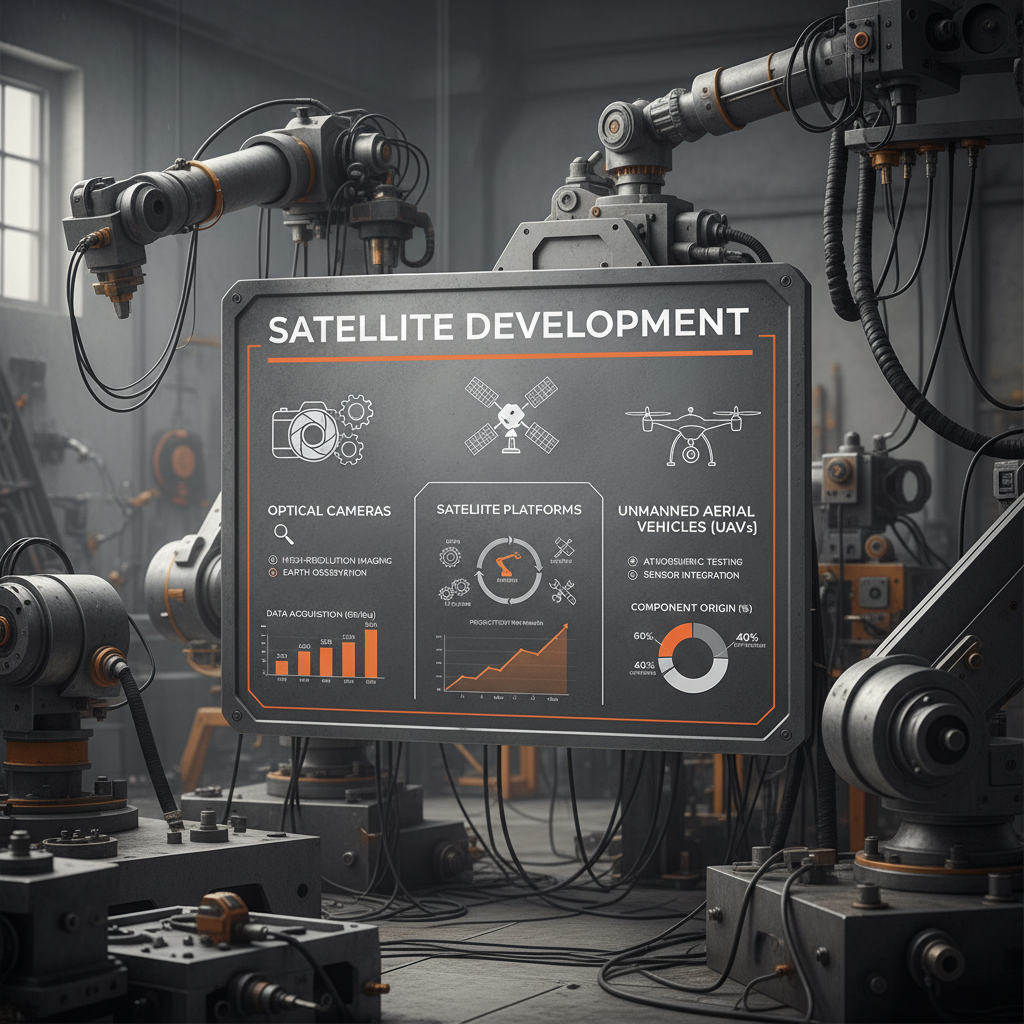
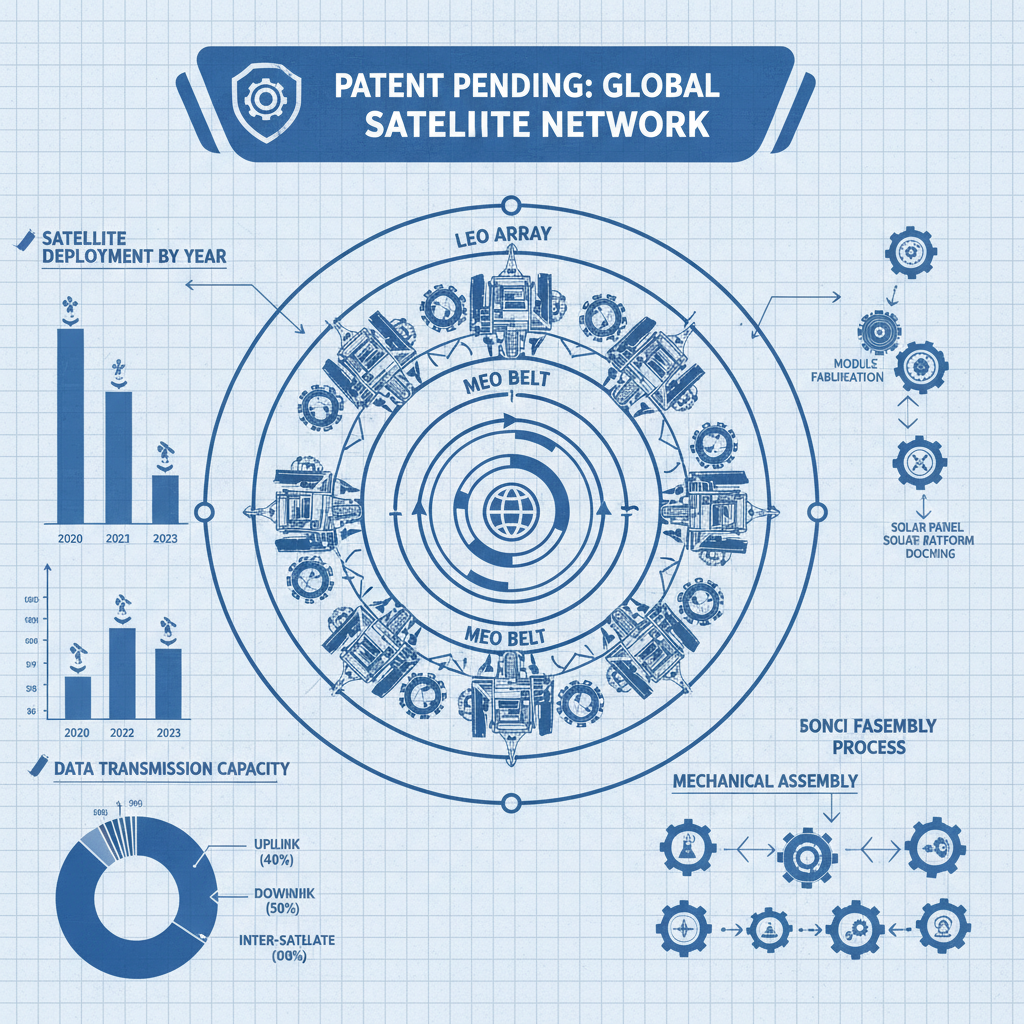
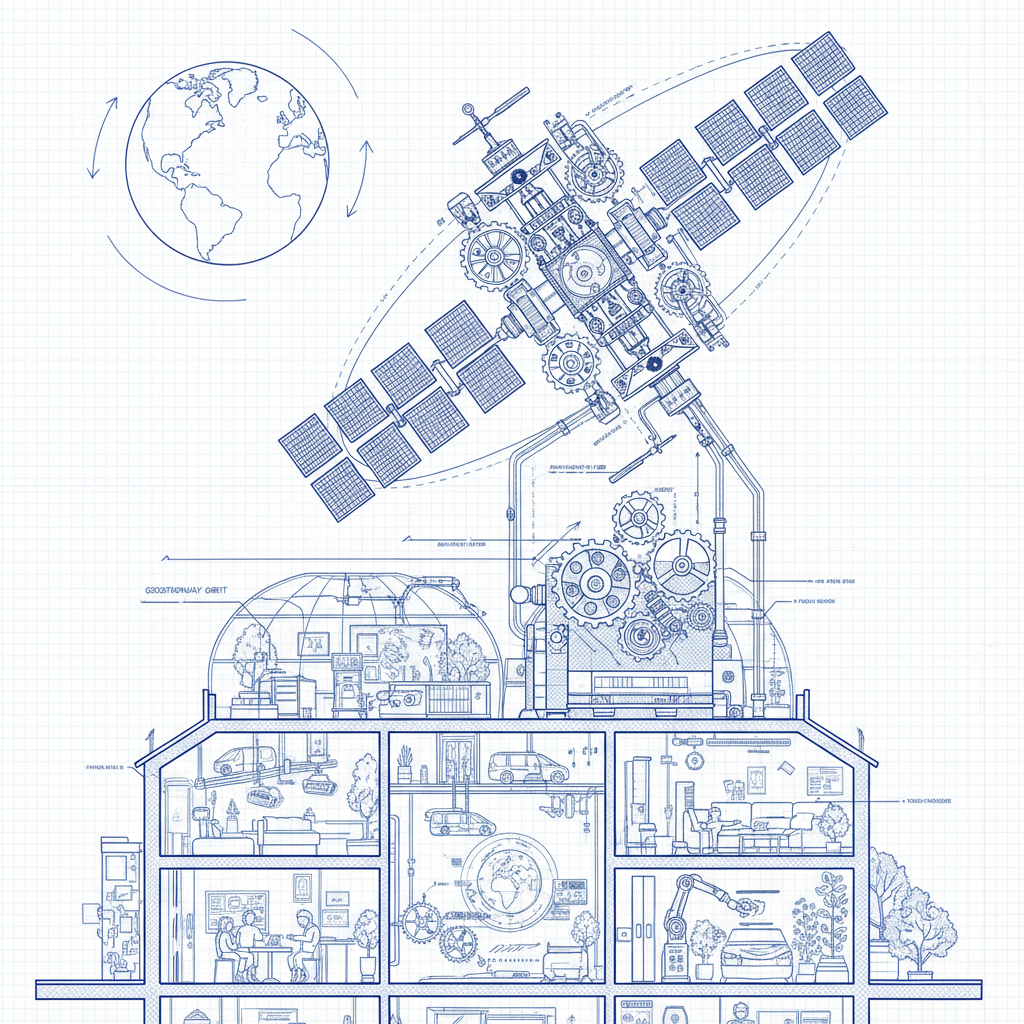
Satellite development isn't just about rockets and orbits; it’s the backbone of modern communication, navigation, and observation. From the GPS guiding your commute to the weather forecasts predicting storms, satellites are integral to our daily lives. The industry is currently experiencing explosive growth, driven by the demand for higher bandwidth, improved imagery, and expanded global coverage, creating opportunities for innovation in every aspect of design, manufacturing, and launch. Understanding this field is crucial, not just for engineers, but for anyone involved in telecommunications, disaster management, or even agriculture.
The increasing accessibility of space, thanks to advancements in miniaturization and reusable launch vehicles, is democratizing access to this powerful technology. We’re seeing a surge in ‘NewSpace’ companies challenging traditional players, pushing boundaries, and creating new business models. This means a growing need for skilled professionals across a wide range of disciplines – from electrical and mechanical engineering to software development and data science. Successful satellite development hinges on a complex interplay of technological expertise, project management, and regulatory compliance.
At its core, satellite development is the process of designing, building, testing, and launching spacecraft into orbit. These spacecraft carry a variety of instruments and payloads to perform specific tasks, like providing internet access, monitoring climate change, or conducting scientific research. It’s a multi-billion dollar industry that directly supports countless applications and continues to evolve rapidly, fueled by constant innovation and growing global demand.
The Importance of Satellite Development
The ability to reliably operate in the harsh environment of space requires meticulous attention to detail during the satellite development process. We're not just building hardware; we’re building infrastructure that supports global connectivity and critical services. The demand for data – from earth observation to secure communications – is only increasing, which makes robust satellite development absolutely essential.
The benefits extend far beyond commercial applications. Satellite technology plays a crucial role in disaster relief, environmental monitoring, and scientific exploration. Improvements in satellite capabilities directly translate into more accurate weather forecasting, more efficient agricultural practices, and a better understanding of our planet.
Defining Satellite Development
Satellite development, simply put, is the entire lifecycle of creating a spacecraft capable of operating in Earth’s orbit (or beyond!). It encompasses everything from initial concept and design, through component selection and fabrication, rigorous testing and integration, successful launch, and finally, ongoing operations and maintenance. It's a profoundly interdisciplinary field, requiring expertise in aerospace engineering, electrical engineering, software engineering, materials science, and more.
The connection to modern industry is undeniable. Satellite data drives decision-making across diverse sectors, including finance, insurance, logistics, and energy. Humanitarian needs are also addressed through satellite communication, providing critical connectivity in remote areas and during emergencies. The increasing prevalence of Internet of Things (IoT) devices relies heavily on satellite networks for global coverage.
Essentially, satellite development empowers us to collect, analyze, and utilize information about our planet and the universe in ways that were previously unimaginable. It’s a technology that is continually pushing the boundaries of what’s possible.
Key Factors in Satellite Development
Several key factors influence the success of any satellite development project. First and foremost is reliability. A satellite operating hundreds or thousands of kilometers above Earth needs to function flawlessly for years, often without the possibility of repair. Then there’s cost-effectiveness – designing and building satellites is expensive, so optimizing resources and finding innovative solutions is crucial.
Another critical aspect is scalability. The ability to quickly manufacture and launch multiple satellites is essential to meet growing demand. Power efficiency is also paramount, as satellites have limited onboard power generation capabilities. Finally, radiation hardening is vital, as the space environment is filled with harmful radiation that can damage sensitive electronics. These factors aren't independent; they're interconnected and require careful trade-offs.
These factors directly relate to practical applications. For example, a highly reliable satellite is essential for providing continuous communication services, while a cost-effective design can make satellite internet accessible to more people. Scalability is important for building constellations of satellites that provide global coverage. Power efficiency maximizes the satellite’s operational lifespan, and radiation hardening protects critical systems from failure. Addressing all these aspects ensures a successful mission and a strong return on investment.
Ignoring any of these factors can lead to catastrophic consequences, from mission failure to significant financial losses. The intricate balance between these components is what separates successful satellite programs from those that fall short. It’s about building for the long haul, understanding the challenges of the space environment, and prioritizing robust, efficient design.
Critical Aspects of Durability in Satellite Systems
Durability in satellite development isn't just about building something that can withstand the space environment; it's about proactively anticipating and mitigating potential failure points over the entire mission lifespan. This extends beyond radiation hardening to encompass thermal cycling, micrometeoroid impacts, and even the stresses of launch.
Material selection plays a huge role. We're constantly evaluating new composites and alloys to improve strength-to-weight ratios and resistance to extreme temperatures. Redundancy is another key strategy – incorporating backup systems that can take over if a primary component fails. Rigorous testing is non-negotiable, including vibration testing, vacuum chamber testing, and prolonged operational simulations.
Durability Factors in Satellite Development
Global Applications of Satellite Technology
The reach of satellite technology is truly global. In post-disaster relief operations, satellites provide crucial communication links and damage assessments. In remote industrial zones, they enable connectivity for monitoring and control systems. Precision agriculture relies on satellite imagery to optimize crop yields and resource management.
Organizations like the United Nations utilize satellites for peacekeeping missions and humanitarian aid. Weather agencies worldwide depend on satellite data for accurate forecasting. The financial sector leverages satellite imagery for market intelligence and risk assessment. From tracking wildlife migrations to monitoring deforestation, the applications are incredibly diverse and impactful.
Advantages and Long-Term Value
The advantages of investing in satellite development are numerous. Cost savings are achieved through increased efficiency and improved resource allocation. Sustainability is enhanced by enabling remote monitoring of environmental changes and promoting responsible resource management. Social impact is amplified by providing access to information and communication in underserved communities.
Beyond the tangible benefits, satellite technology fosters innovation, builds trust through reliable data, and ultimately contributes to a safer and more connected world. It's about empowering decision-makers with the information they need to address global challenges effectively.
Future Trends in Satellite Development
We’re on the cusp of a new era in satellite development. Mega-constellations of small satellites are becoming increasingly common, offering lower latency and wider coverage. Advances in electric propulsion are enabling more efficient orbital maneuvers and extended mission lifespans.
The integration of artificial intelligence (AI) and machine learning (ML) is revolutionizing data processing and analysis. Additive manufacturing (3D printing) is streamlining component production and enabling customized designs. And the development of on-orbit servicing, assembly, and manufacturing (OSAM) capabilities promises to reshape the economics of space operations.
Summary of Future Trends in Satellite Development
| Trend Category |
Description |
Impact on Satellite Development |
Estimated Timeline |
| Mega-Constellations |
Large numbers of small satellites in low Earth orbit (LEO). |
Increased coverage, lower latency, reduced costs. |
Currently Deploying |
| Electric Propulsion |
Using electric fields to accelerate propellant. |
Increased fuel efficiency, longer mission life. |
5-10 Years |
| AI/ML Integration |
Applying AI and ML algorithms to satellite data. |
Automated data analysis, improved decision-making. |
2-5 Years |
| Additive Manufacturing |
Using 3D printing to create satellite components. |
Reduced manufacturing costs, faster prototyping. |
3-7 Years |
| On-Orbit Servicing |
Repairing, refueling, and upgrading satellites in space. |
Extended mission life, reduced space debris. |
7-15 Years |
| Quantum Communications |
Utilizing quantum mechanics for secure data transmission. |
Enhanced data security, improved encryption. |
10+ Years |
FAQS
The typical lifespan of a modern satellite varies significantly depending on its orbit, design, and purpose. Geostationary satellites generally have a lifespan of 15-20 years, limited by fuel and component degradation. Low Earth Orbit (LEO) satellites, especially those in mega-constellations, often have shorter lifespans of 5-7 years due to atmospheric drag and more frequent component failures. Careful planning and redundancy are crucial to maximizing operational longevity, and ongoing advancements in radiation hardening and component reliability are extending these lifespans.
Launching a new satellite presents a multitude of challenges. Securing launch access is often competitive and expensive. Ensuring the satellite survives the intense vibrations and accelerations of launch is critical. Successfully deploying the satellite into its intended orbit requires precise timing and control. And, of course, there's always the risk of launch failure. Thorough testing, robust design, and careful coordination with launch providers are essential to mitigate these risks.
Space debris is a growing concern for satellite development. The increasing amount of debris in orbit poses a collision risk to operational satellites, potentially causing catastrophic damage. Developers are incorporating debris avoidance maneuvers into satellite operations and actively tracking debris to minimize collision risks. Furthermore, there's a growing emphasis on designing satellites for end-of-life deorbiting to prevent them from contributing to the debris problem. Active debris removal technologies are also under development.
Software plays a vital, and often understated, role in satellite operations. It controls everything from attitude control and orbital maneuvers to data acquisition and processing. Sophisticated software algorithms are used to optimize satellite performance, manage limited resources, and ensure reliable communication with ground stations. The rise of onboard processing is enabling satellites to perform more complex tasks autonomously, reducing reliance on ground control.
Sustainability is becoming increasingly important in satellite development. This includes designing satellites for easier recycling, using more environmentally friendly materials, and reducing the environmental impact of launches. Developing technologies for on-orbit servicing and debris removal is also crucial. Furthermore, the industry is exploring the use of reusable launch vehicles and alternative propellants to minimize pollution.
Satellite development is subject to stringent regulatory oversight. Obtaining licenses for spectrum allocation and orbital slots can be a complex and time-consuming process. Compliance with international treaties and national regulations governing space operations is essential. Ensuring that satellites meet safety standards and do not pose a threat to other spacecraft or the space environment is also a key regulatory requirement. The regulatory landscape is constantly evolving, requiring developers to stay informed and proactive.
Conclusion
Satellite development is a complex and rapidly evolving field, yet one that is fundamentally vital to the functioning of the modern world. From global communications and navigation to earth observation and disaster relief, the benefits are far-reaching and continue to expand as technology advances. Successfully navigating the challenges of durability, cost, and regulatory compliance requires a holistic approach, a commitment to innovation, and a deep understanding of the space environment.
Looking ahead, the future of satellite development promises even greater access to space, more sophisticated capabilities, and a more sustainable approach to space operations. For those looking to contribute to this exciting field, continuous learning and a willingness to embrace new technologies are key. For further exploration and insights into the world of satellite technology, visit our website: space-navi.com