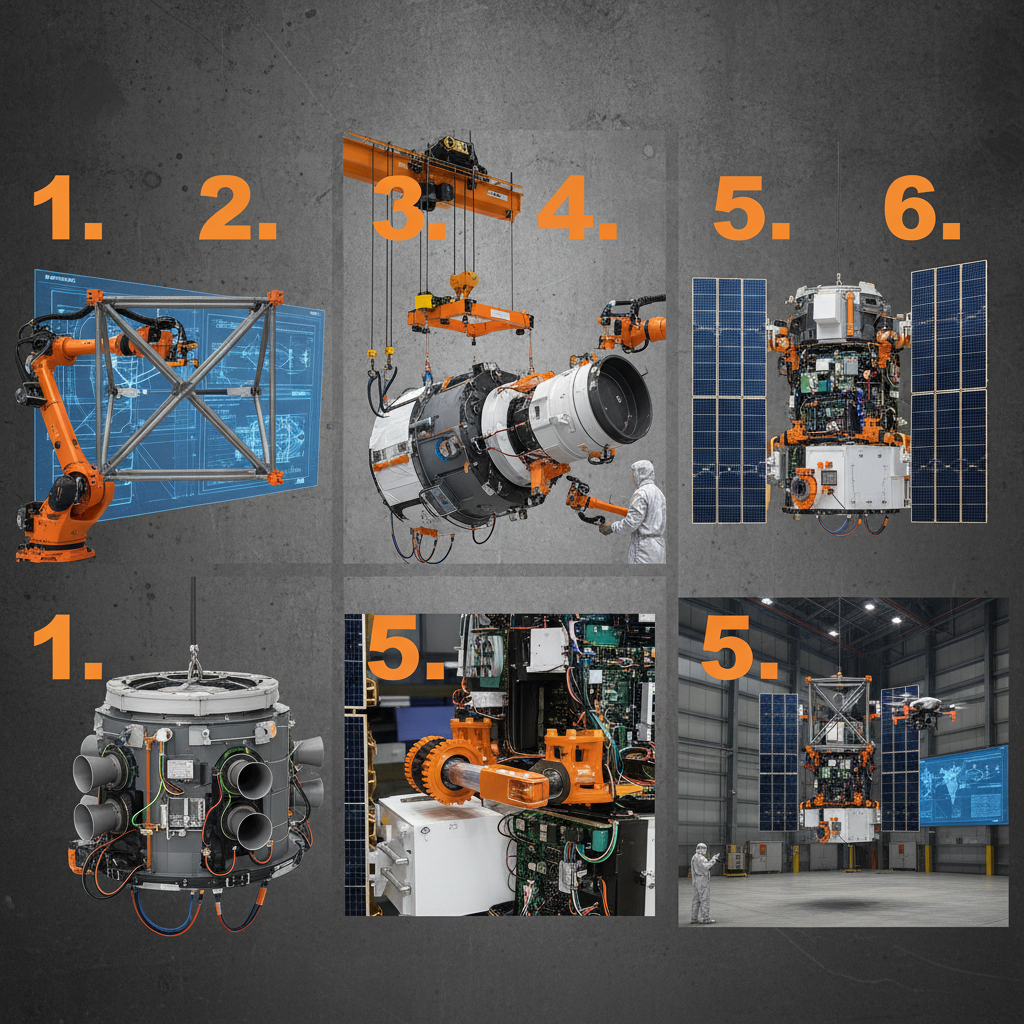
To be honest, things have been… hectic. I've been bouncing between job sites in Shanghai and Shenzhen for the past three months, and you wouldn't believe the things I've seen. Everyone’s talking about modular design now, prefabrication is the buzzword, but it’s not as simple as it looks. They all want everything faster, cheaper, lighter… like it’s magic. I swear, half the engineers I talk to haven’t actually touched a piece of material in years.
Have you noticed how everyone’s obsessed with carbon fiber? It’s strong, yeah, but handling it on-site… that dust gets everywhere. And it's expensive, seriously expensive. I was at a factory last time, and the scraps were just piling up. They said they were recycling, but… well, let’s just say I had my doubts. It’s like they forgot there's a human element involved in all of this.
And the tolerances. Oh, the tolerances. Everyone wants everything precise to the millimeter, but when you're trying to bolt something together in the rain, with a guy yelling at you to hurry up, a little wiggle room is a good thing.

Strangely enough, the biggest trend right now is simplification. Everyone's trying to reduce the number of components, streamline the assembly process. Which, on paper, is great. But I keep seeing designs that are too simplified. They shave off a few millimeters here, a few grams there, and end up with something that’s structurally weaker. I encountered this at a robotics factory last time – they'd redesigned a joint, and it looked sleek, but it buckled under the slightest pressure. They learned the hard way.
The other pitfall? Over-reliance on simulations. Look, simulations are useful, but they're not reality. A computer can’t account for the guy who's going to over-tighten a bolt or the vibration from a passing truck. You need to put these things through real-world stress tests, and you need to see how they fail.
Corrosion, temperature fluctuations, and physical impact are the usual suspects. We mitigate this through rigorous material selection – often opting for specialized alloys and protective coatings. Redundancy in critical systems is also key. Regular preventative maintenance schedules tailored to the specific environment are non-negotiable. It's about anticipating the stresses and building in resilience from the start, not just reacting when something breaks.
That’s the million-dollar question, isn’t it? We try to design modular systems where possible, allowing for interchangeability of components. We also maintain a library of common customizations so we can reuse designs and reduce engineering costs. The key is understanding where customization truly adds value and where it’s just nice-to-have. We actively push back against unnecessary changes – sometimes a client needs to be told “no.”
It’s becoming increasingly important. Sensors and data analytics allow us to monitor the performance of equipment in real-time and identify potential failures before they occur. This means we can schedule maintenance proactively, minimizing downtime and maximizing lifespan. We’re exploring AI-powered predictive maintenance solutions, but the biggest challenge is getting reliable data and interpreting it correctly.
Absolutely crucial. You can build the most sophisticated piece of equipment, but if the operators don’t understand how it works, it’s useless. We provide comprehensive training programs covering everything from basic operation to troubleshooting and preventative maintenance. We also offer on-site support and refresher courses. Properly trained workers are less likely to make mistakes and more likely to identify potential problems early on.
That it’s all about the technology. It's not. It's about people, processes, and understanding the environment where the equipment will be used. You can have the fanciest equipment in the world, but if you don’t have a well-trained workforce, a robust maintenance program, and a clear understanding of the application, it’s going to fail. It’s deceptively simple, really.
We’re focusing on several areas. Design for disassembly is huge – making it easier to repair and recycle components. We’re also exploring alternative materials with lower environmental impact. Waste reduction is a priority; we've implemented closed-loop systems for certain materials. And we're constantly evaluating our supply chain to ensure we're working with responsible suppliers. It's a long-term process, but it's essential.
Ultimately, the value of high end equipment manufacturing isn't just in the specs or the features, but in its ability to deliver consistent, reliable performance in the real world. It’s about reducing downtime, increasing efficiency, and ensuring the safety of the people who use it. It's about building things that last, and building them right.
Looking ahead, the future is undoubtedly digital. We’ll see more integration of AI, IoT, and robotics into the manufacturing process. But don’t underestimate the importance of good old-fashioned craftsmanship and hands-on experience. Ultimately, whether this thing works or not, the worker will know the moment he tightens the screw.
Visit our website at www.space-navi.com to learn more about our solutions.