The realm of space exploration and communication relies heavily on sophisticated technologies, and at the heart of it all lies the satellite. These artificial moons are not merely scientific marvels; they are integral to modern life, underpinning everything from global positioning and weather forecasting to television broadcasting and internet connectivity. Understanding the intricacies of satellite technology is crucial in a world increasingly dependent on space-based infrastructure.
Globally, the number of operational satellites is steadily increasing. As of early 2024, over 8,300 active satellites orbit Earth, with thousands more in various stages of development or decommissioning (Source: Union of Concerned Scientists). This growth reflects the expanding applications of satellite technology and the increasing accessibility of space through private companies. The economic impact is substantial, with the space economy projected to reach trillions of dollars in the coming decades (World Economic Forum).
This dependence, however, presents challenges. Concerns around space debris, orbital congestion, and the potential for disruption—whether accidental or intentional—necessitate ongoing innovation and international cooperation. Effective management of the orbital environment and the development of resilient satellite systems are paramount for ensuring continued access to the essential services they provide.
The Significance of Satellite Technology
Satellites have moved beyond purely governmental and military applications, becoming cornerstones of commercial and everyday life. Their significance stems from their unique ability to provide a broad, uninterrupted view of the Earth and beyond. This vantage point is invaluable for services ranging from weather monitoring and disaster response to navigation and communication, capabilities often unavailable or significantly limited by terrestrial infrastructure.
The proliferation of small satellites, often referred to as CubeSats, has further democratized access to space, enabling smaller organizations and even universities to conduct research and develop innovative applications. This is driving rapid advancements and fostering a dynamic ecosystem within the satellite industry.
Defining Satellite Systems
A satellite is fundamentally an artificial object intentionally placed into orbit around Earth or another celestial body. These objects utilize gravitational forces to maintain their positions and typically serve specific functions, such as relaying signals, collecting data, or providing observational capabilities. Their orbits vary significantly, ranging from Low Earth Orbit (LEO) – typically under 2,000 km – to Geostationary Orbit (GEO) at approximately 36,000 km.
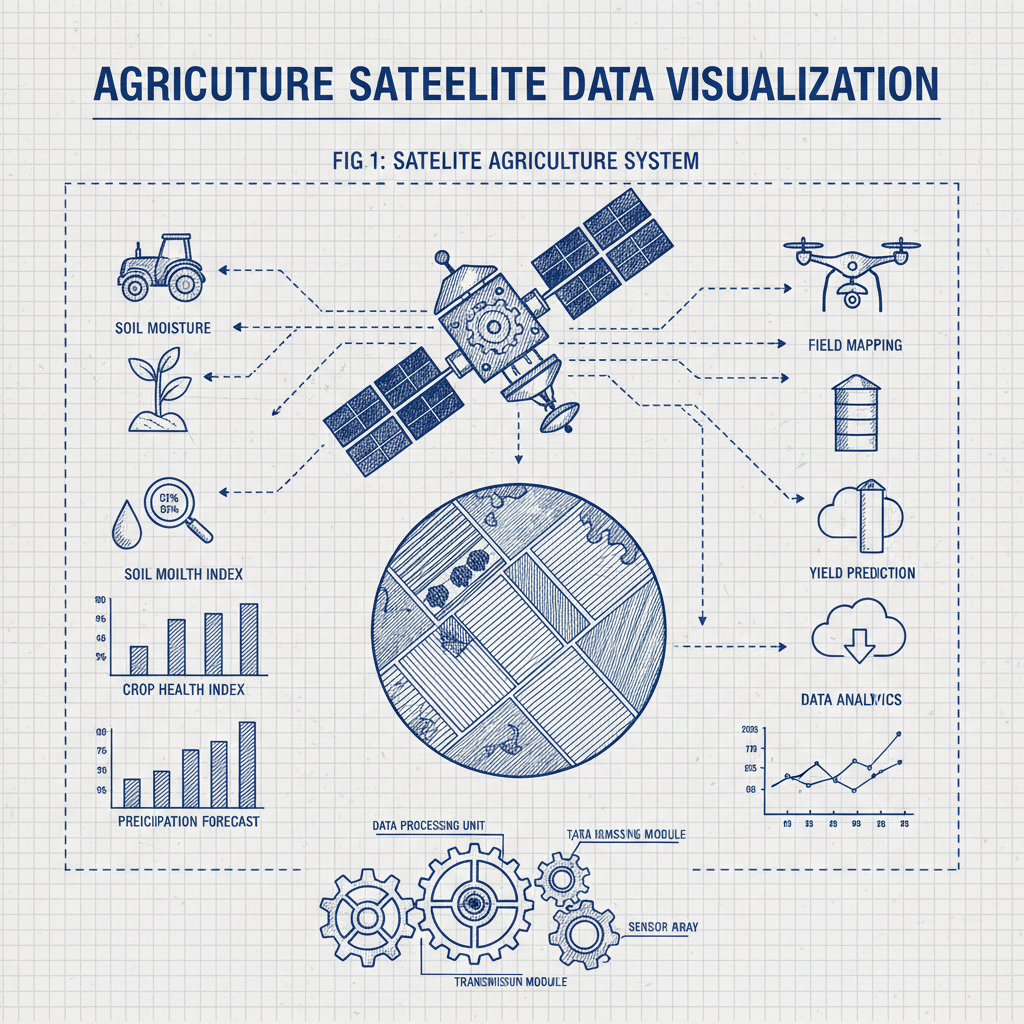
The connection to modern industry is undeniable. The financial sector relies on precise timing signals from GPS satellites for high-frequency trading. Agriculture benefits from satellite imagery for crop monitoring and yield prediction. Even the entertainment industry depends on satellites for the distribution of television and radio broadcasts. Without these systems, many industries would face significant operational challenges.
Humanitarian needs are also met by satellite technology. In disaster zones, satellite communication provides a lifeline when terrestrial networks are compromised. Satellite-based Earth observation data is used to assess damage, monitor environmental changes, and coordinate relief efforts. This connectivity and information are vital for saving lives and supporting recovery.
Core Components of a Satellite
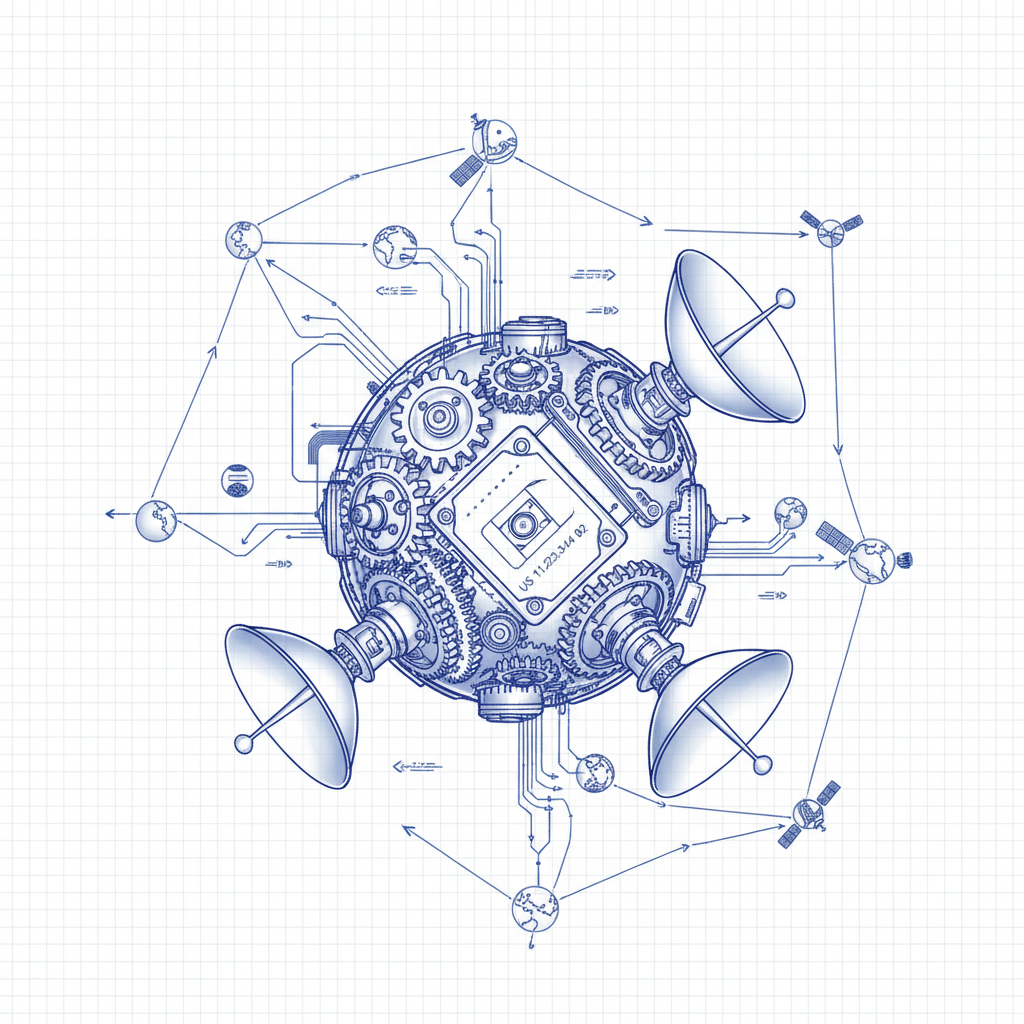
A typical satellite consists of several essential components working in synergy. The power system, often utilizing solar panels and batteries, provides the energy needed for operation. The communication system, including transponders and antennas, enables the transmission and reception of signals. Crucially, a robust attitude control system maintains the satellite’s orientation in space, ensuring accurate pointing and functionality.
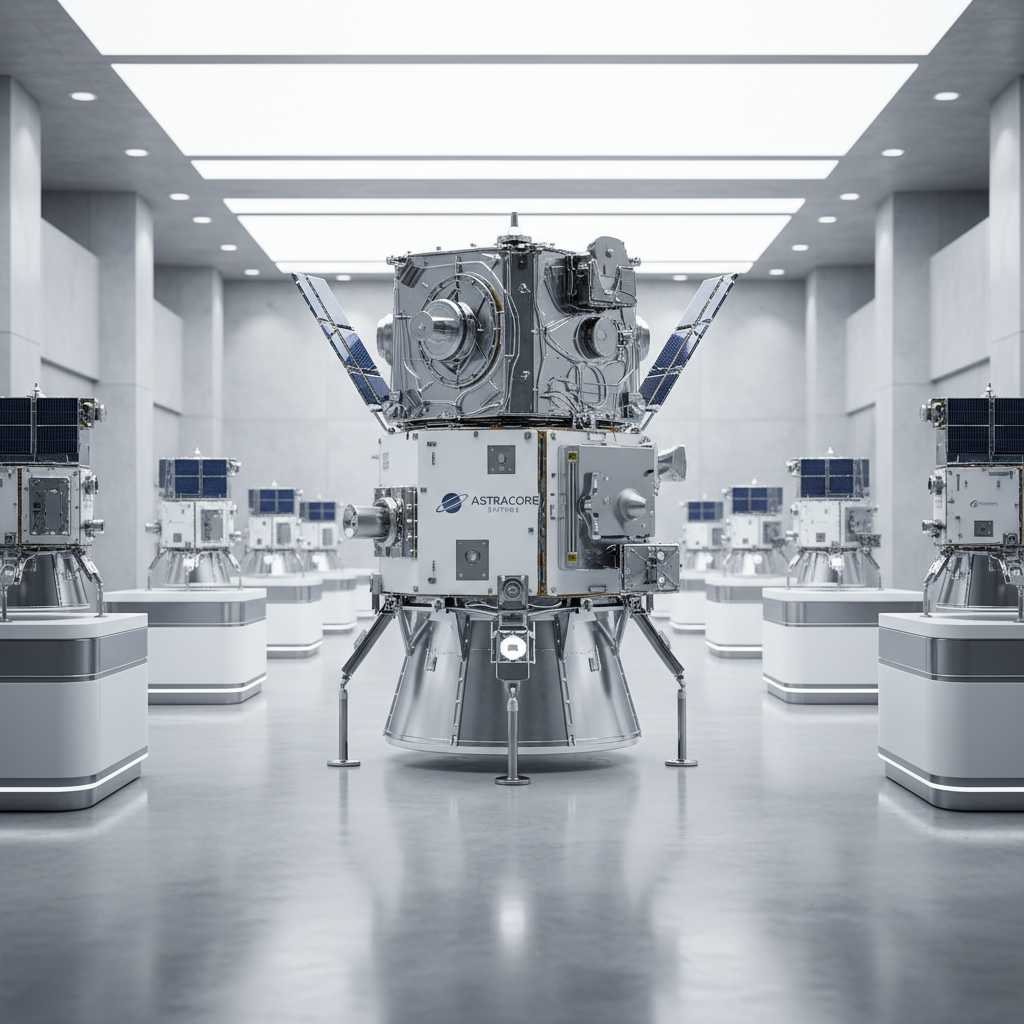
The thermal control system regulates temperature, protecting sensitive electronics from extreme conditions in space. The onboard computer manages all satellite operations, processing commands and data. Finally, the structure itself must be lightweight yet durable enough to withstand the stresses of launch and the harsh environment of space. Each component's reliability is vital for the overall mission success of a satellite.
These components aren’t static; continuous advancements in materials science and miniaturization are leading to more efficient and capable satellites. The development of more powerful and lightweight solar panels, for example, is extending satellite lifespans and reducing overall costs.
Key Performance Indicators for Satellite
Evaluating a satellite’s performance requires considering several key metrics. Signal strength is crucial for reliable communication, directly impacting data transfer rates and service quality. Orbital stability measures the satellite’s ability to maintain its designated position, preventing drift and ensuring continuous coverage. Another important indicator is lifespan, reflecting the durability and reliability of the satellite’s components.
These KPIs directly influence the practical applications of the satellite. For instance, a high-resolution imaging satellite requires exceptional optical stability and precise pointing control to deliver clear and accurate imagery. A communication satellite needs strong signal strength and wide beam coverage to support a large number of users.
Satellite KPI Performance
Global Applications of Satellite Technology
The applications of satellites are remarkably diverse and impactful. In the realm of telecommunications, satellites provide internet access to remote and underserved areas, bridging the digital divide. Weather forecasting relies heavily on satellite data for monitoring atmospheric conditions and predicting severe weather events. Earth observation satellites are used for environmental monitoring, urban planning, and disaster response.
These technologies benefit various regions globally. In Africa, satellites are facilitating mobile banking and agricultural monitoring. In South America, they support deforestation tracking and resource management. Organizations like the United Nations utilize satellite imagery for humanitarian aid and peacekeeping operations. In post-disaster relief operations, providing communication and damage assessment.
Advantages and Long-Term Value
The advantages of satellite technology are numerous and extend beyond mere functionality. Cost efficiency is a major draw, as satellites can provide coverage over vast areas with relatively low infrastructure costs compared to terrestrial networks. Sustainability is also a key benefit, as satellites can reduce the need for extensive ground-based infrastructure, minimizing environmental impact.
Socially, satellites empower communities by providing access to essential services like education, healthcare, and information. The reliability of satellite communication is critical for ensuring business continuity and public safety. From a strategic perspective, satellites enhance national security and promote international cooperation.
Future Trends in Satellite Development
The future of satellite technology is brimming with innovation. The development of mega-constellations, consisting of thousands of small satellites, is poised to revolutionize global internet access. Advancements in artificial intelligence (AI) and machine learning are enabling more autonomous satellite operations and advanced data analysis.
Sustainability is driving the development of more environmentally friendly satellite designs and launch technologies. The move towards reusable rockets and the use of biodegradable materials are reducing the environmental footprint of space activities. Green energy is also being integrated into satellite power systems, reducing reliance on traditional fuels.
Core Analysis Dimensions of Future Satellite Trends
| Technology Area |
Maturity Level (1-10) |
Potential Impact (1-10) |
Investment Required (Millions USD) |
| Mega-Constellations |
8 |
9 |
5000 |
| AI-Powered Satellites |
6 |
8 |
1500 |
| Reusable Rocket Technology |
7 |
7 |
3000 |
| Biodegradable Satellite Materials |
4 |
6 |
800 |
| Space-Based Solar Power |
3 |
10 |
10000 |
| Quantum Communication Satellites |
2 |
9 |
2000 |
FAQS
Space debris, consisting of defunct satellites and fragments from collisions, poses a significant threat to operational satellites. Even small pieces of debris can cause substantial damage due to the high velocities involved. Mitigation strategies include active debris removal, improved satellite disposal procedures, and international cooperation to track and avoid collisions. This debris impacts the long-term sustainability of the orbital environment and the continued use of satellite services.
The orbit of a satellite dictates its coverage area, resolution, and latency. LEO satellites are ideal for high-resolution imaging and low-latency communication, but require a larger number of satellites to provide global coverage. GEO satellites offer continuous coverage over a specific region but have higher latency. Choosing the right orbit is crucial for optimizing a satellite’s performance based on its intended application, a key design consideration for every satellite mission.
Ground stations serve as the vital link between satellites and users on Earth. They transmit commands to satellites, receive data from them, and provide tracking and telemetry services. A network of strategically located ground stations is essential for ensuring reliable and continuous communication with satellites, enabling the delivery of satellite-based services.
LEO (Low Earth Orbit) is below 2,000 km, offering lower latency and higher resolution, suitable for imaging and communication. MEO (Medium Earth Orbit) is between LEO and GEO, commonly used for navigation systems like GPS. GEO (Geostationary Earth Orbit) is at 36,000 km, providing continuous coverage over a specific area, ideal for broadcasting and weather monitoring. The choice of orbit depends heavily on the intended function of the satellite.
Satellites employ multiple layers of protection against the vacuum, extreme temperatures, and radiation in space. Thermal control systems regulate temperature, radiation shielding protects sensitive electronics, and robust structures withstand launch stresses and orbital forces. Redundancy in critical systems ensures continued operation even in the event of component failure, maximizing the lifespan of the satellite.
The small satellite market (CubeSats and microsatellites) is experiencing rapid growth, driven by decreasing launch costs and increasing demand for specialized services. Projections indicate a multi-billion dollar market in the coming years, with applications ranging from Earth observation and communication to scientific research. This growth is democratizing access to space and fostering innovation in the satellite industry.
Conclusion
In conclusion, satellite technology has become an indispensable part of modern life, providing essential services that impact nearly every aspect of our world. From enabling global communication and navigation to monitoring our planet’s health and responding to disasters, satellites offer unparalleled capabilities. The continued development and deployment of these technologies are crucial for addressing global challenges and fostering a more connected and sustainable future.
Looking ahead, ongoing innovation in areas like reusable launch systems, AI-powered satellite operations, and sustainable materials will further enhance the value and accessibility of space-based infrastructure. To learn more about the latest advancements in satellite technology and explore potential applications, visit our website at www.space-navi.com.