The realm of small satellite technology, specifically the cubesat platform, is undergoing a revolution. Once relegated to academic research, these miniaturized spacecraft are now pivotal in diverse fields like Earth observation, communications, scientific experimentation, and even space tourism. This shift is driven by the inherent advantages of cubesats – rapid development cycles, lower launch costs, and increased accessibility to space for a wider range of organizations and individuals. Understanding the nuances of the cubesat platform is therefore critical for anyone involved in space technology, data analytics, or future innovation.
Globally, the cubesat market is experiencing exponential growth. Data from the Union of Concerned Scientists indicates a significant increase in the number of cubesats launched annually, with projections showing continued expansion. The World Bank recognizes the potential of satellite data – including that gathered by cubesats – to address challenges in areas such as disaster management, agriculture, and infrastructure monitoring. The ISO standards are also evolving to incorporate best practices for cubesat development and operation. This burgeoning industry isn’t just about technological advancement; it's about democratizing access to space and its benefits.
Central to this democratization is the cubesat platform itself. It's a standardized, modular approach to satellite construction, typically based on a 10cm x 10cm x 10cm unit. This standardization allows for streamlined design, integration, and launch processes. The platform addresses the longstanding challenge of high barriers to entry in the space industry, making space-based solutions available to universities, startups, and even developing nations. By offering a cost-effective alternative to traditional satellites, cubesats are reshaping the landscape of space exploration and commercial applications.

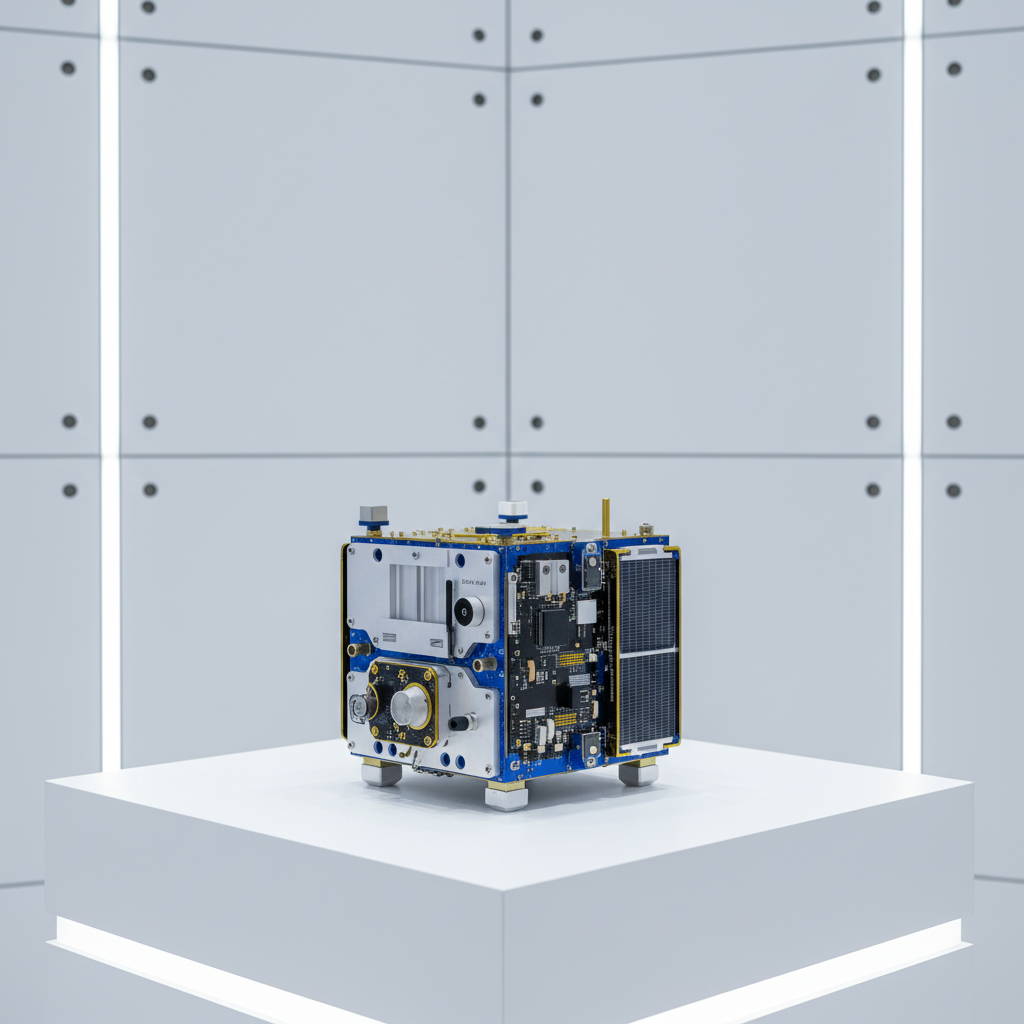
The cubesat platform represents a paradigm shift in space technology, moving away from massive, expensive satellites to smaller, more affordable, and readily deployable solutions. This accessibility is opening up new opportunities for research, commercial ventures, and global connectivity. The initial concept, originating from the University of California, Berkeley, and Stanford University in 1998, aimed to streamline the process of building and launching satellites for educational purposes.
Today, the platform has matured into a sophisticated ecosystem supporting a wide range of applications. The modularity inherent in the cubesat design encourages rapid prototyping and customization, allowing developers to quickly adapt to changing requirements. The increasing availability of commercial launch services further lowers the cost of access to space, making the platform an increasingly attractive option for a broader audience.
While cubesats are increasingly capable, limitations remain in achieving very high-resolution imagery compared to larger, dedicated satellites. This is primarily due to constraints in sensor size, power availability, and pointing accuracy. However, advancements in sensor technology and ADCS are continually improving resolution, and constellations of cubesats can provide frequent revisits and wider coverage to compensate for lower individual satellite resolution.
Development and launch timelines for cubesat missions can vary significantly depending on complexity, but generally range from 12 to 36 months. This is considerably faster than traditional satellite missions. The standardized nature of the cubesat platform streamlines the design and integration process, while the increasing availability of dedicated launch services for small satellites reduces launch lead times.
The cost of developing and launching a 3U cubesat can range from $50,000 to $500,000, depending on the payload, complexity, and launch provider. Development costs include components, engineering, testing, and integration. Launch costs vary based on the ride-sharing arrangement and the desired orbit. However, even at the higher end, this is significantly less expensive than traditional satellite missions.
Launching a cubesat requires compliance with international and national regulations. Key agencies involved include the International Telecommunication Union (ITU) for frequency allocation and national space agencies (e.g., NASA in the US, ESA in Europe) for licensing and orbital debris mitigation. Compliance typically involves submitting detailed mission plans, demonstrating adherence to space debris guidelines, and obtaining necessary operating licenses.
Many universities and research institutions begin with participation in cubesat competitions or collaborations with experienced cubesat developers. Resources such as NASA's CubeSat Launch Initiative provide funding and launch opportunities. Building a strong team, securing funding, and developing a clear mission objective are crucial first steps. There are also numerous online resources and workshops available to guide the process.
Orbital debris is a growing concern, and cubesats contribute to this challenge. Proper disposal procedures, such as designing for atmospheric re-entry or deploying drag sails, are crucial. Following best practices for debris mitigation, as outlined by agencies like the Inter-Agency Space Debris Coordination Committee (IADC), is essential to ensure the long-term sustainability of space activities.
The cubesat platform has fundamentally altered the landscape of space technology, democratizing access and fostering innovation. Its inherent advantages – cost-effectiveness, scalability, and rapid development cycles – are driving a wave of new applications, from Earth observation and environmental monitoring to disaster response and scientific exploration. The platform is not merely a technological advancement; it represents a paradigm shift in how we approach space exploration and utilization.
Looking ahead, continued advancements in miniaturization, propulsion, and AI will further enhance the capabilities of cubesats. By embracing sustainable practices, fostering collaboration, and investing in research and development, we can unlock the full potential of this transformative technology and build a more connected and sustainable future from space. Visit our website at www.space-navi.com to learn more about leveraging the power of the cubesat platform.