Multispectral imaging is rapidly becoming an indispensable tool across a diverse range of industries, from precision agriculture and environmental monitoring to defense and aerospace. This technology captures image data at specific wavelengths across the electromagnetic spectrum, revealing information invisible to the human eye. Its ability to discern subtle differences in material composition and health makes it invaluable for applications requiring detailed analysis and informed decision-making. Understanding the nuances of multispectral image technology is crucial for staying at the forefront of innovation in these sectors.
The global market for multispectral sensors and imaging systems is experiencing significant growth, driven by the increasing demand for efficient resource management, enhanced security measures, and advanced analytical capabilities. According to industry reports, the sector is projected to reach multi-billion dollar valuations in the coming years, with substantial investment in research and development. This growth underscores the pivotal role this technology plays in addressing critical global challenges, such as food security and climate change.
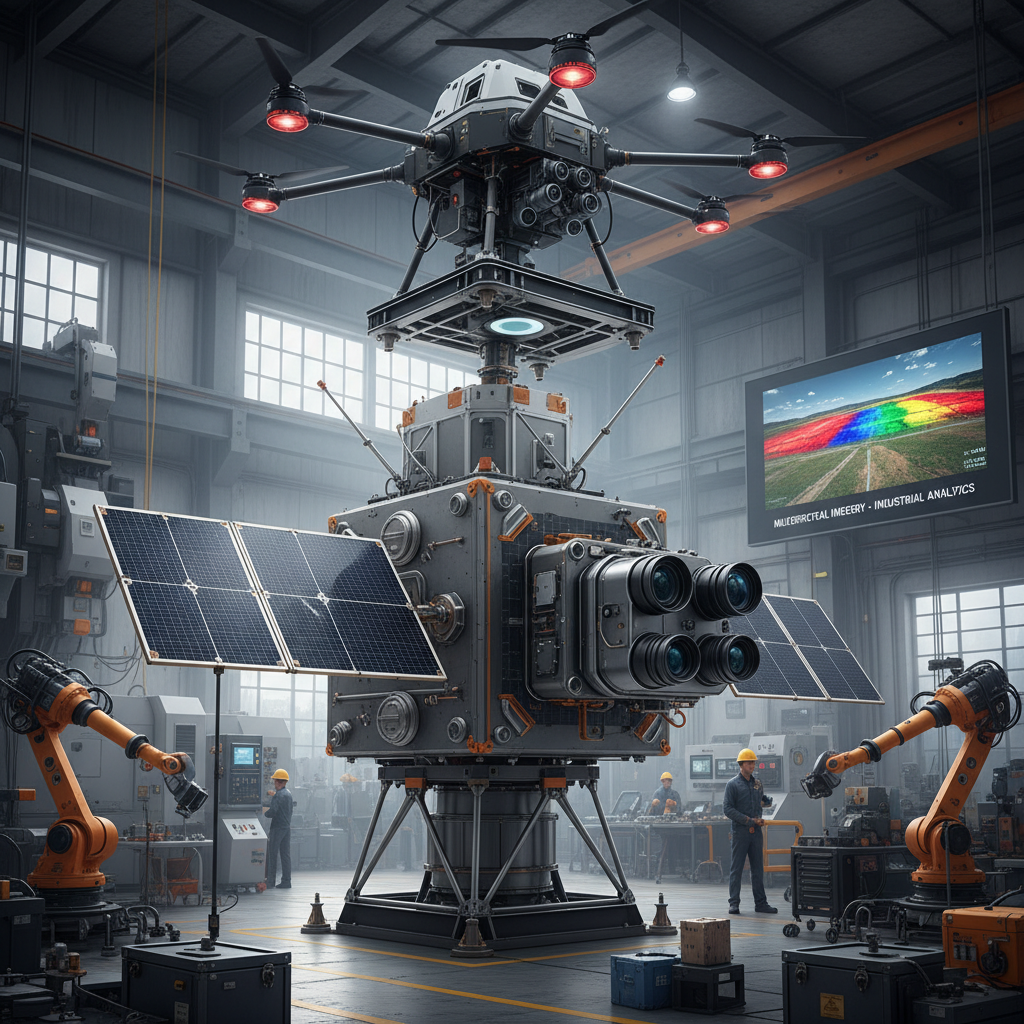
The aerospace industry, specifically in satellite technology and UAV applications, stands to gain immensely from advancements in multispectral imaging. From monitoring crop health and identifying environmental hazards to improving situational awareness for defense operations, the benefits are substantial. Our antenna products, calcium-titanium-mineral solar arrays, and sophisticated satellite components are designed to integrate seamlessly with these advanced imaging systems, providing reliable power and communication solutions for critical missions.
The Fundamentals of multispectral image
At its core, multispectral image analysis involves capturing and processing information from electromagnetic radiation beyond the visible light spectrum. This allows us to identify characteristics of objects and surfaces that would otherwise be undetectable. The quality of the resulting imagery is heavily influenced by the sophistication of the sensor and the spectral bands utilized.
Our expertise in designing and manufacturing high-performance antenna products and power subsystems directly supports the collection and transmission of these crucial multispectral data streams. Whether it's providing reliable power to remote sensing platforms or ensuring clear communication with ground stations, we are dedicated to enabling the success of these vital missions.
Global Relevance and Industry Context
The application of multispectral imaging extends far beyond the realm of scientific research. In agriculture, it's used to assess crop health, optimize irrigation, and predict yields, contributing directly to global food security. Environmental agencies leverage this technology for monitoring deforestation, tracking pollution levels, and assessing the impact of climate change. The ability to accurately monitor these factors is vital for sustainable development.
The defense and intelligence communities rely on multispectral imaging for target identification, surveillance, and reconnaissance, enhancing situational awareness and enabling informed decision-making. From detecting concealed objects to analyzing terrain features, the technology provides a significant tactical advantage. Organizations like the UN and World Bank utilize it for disaster assessment and resource allocation, ensuring aid reaches those in need efficiently.
The demand for precise, reliable data is driving innovation in multispectral sensors and analytics, with a parallel need for robust components capable of withstanding the harsh environments of space and aerial deployment. This is where our expertise in space-level calcium-titanium-mineral solar cell and lithium battery pack technologies becomes paramount.
Defining multispectral image Technology
In simple terms, multispectral image captures image data within specific wavelengths of the electromagnetic spectrum, beyond what the human eye can perceive. Unlike standard RGB images which capture only red, green, and blue light, multispectral imaging acquires information from multiple, narrow spectral bands – typically in the ultraviolet, visible, and infrared regions.
This data allows for the identification of subtle differences in materials based on their spectral reflectance and absorption characteristics. For example, healthy vegetation reflects infrared light strongly, while stressed vegetation reflects less, enabling the detection of plant diseases or nutrient deficiencies. This detailed analysis is particularly useful in agriculture, forestry, and environmental monitoring.
Its connection to modern industry is significant. The ability to gather detailed information from a distance makes it essential for industries dealing with large-scale environments such as agriculture, mining, and urban planning. The increasing need for remote monitoring and precision analysis drives the demand for sophisticated multispectral imaging systems and the high-performance components that power them.
Core Components and Key Factors
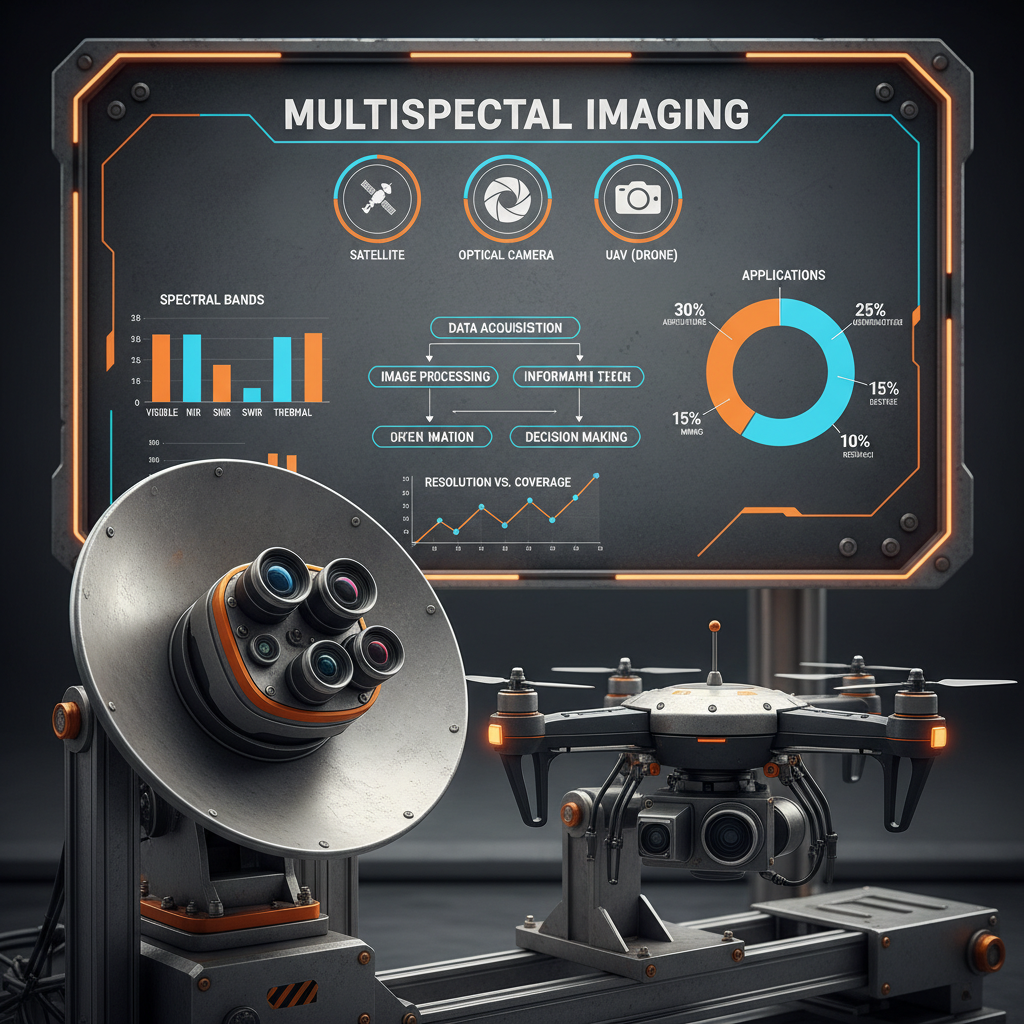
Several key factors influence the effectiveness of multispectral imaging. Sensor resolution – the ability to distinguish between closely spaced objects – is paramount for accurate analysis. Spectral resolution, or the width of the spectral bands, determines the level of detail captured. Radiometric resolution impacts the sensitivity of the sensor to variations in light intensity.
Durability and reliability are critical, particularly in demanding environments like space. Our component design focuses on withstanding extreme temperatures, radiation, and mechanical stress. Scalability is another important consideration, as systems must be adaptable to different applications and platforms. Cost efficiency also plays a role, making accessible technology imperative for wider adoption.
Multispectral Image Performance Factors
Real-World Applications of multispectral image
In agriculture, multispectral image is used to assess crop health, detect stress, and optimize irrigation. In environmental monitoring, it’s employed to track deforestation, monitor pollution, and assess water quality. The forestry industry uses it to map forest resources and assess tree health.
The mining sector benefits from identifying mineral deposits and monitoring environmental impacts. In urban planning, it assists with mapping land use, assessing infrastructure damage, and monitoring urban heat islands. These applications underscore the technology's versatility and growing importance.
Advantages and Long-Term Value
The tangible benefits of adopting multispectral image are numerous. It improves efficiency by enabling proactive decision-making, reduces costs through optimized resource allocation, and enhances sustainability by promoting responsible environmental stewardship.
From a societal perspective, this technology contributes to food security, environmental protection, and improved public safety. Our commitment to providing reliable and durable components ensures long-term value and minimizes the risk of mission failure. The inherent trust in our products allows our clients to focus on their core objectives without concerns about equipment performance.
Future Trends and Innovations
The future of multispectral imaging is marked by several exciting trends. Advancements in sensor technology are leading to higher resolution and more spectral bands. The integration of artificial intelligence and machine learning algorithms is enabling automated analysis and improved accuracy. Hyperspectral imaging, an extension of multispectral imaging with a larger number of spectral bands, is gaining traction.
The move towards miniaturization and lower power consumption will further expand the applications of this technology, particularly in UAVs and portable devices. Innovations in materials science, such as the development of more efficient solar cells, are crucial for powering these systems. Our dedication to calcium-titanium-mineral solar arrays positions us at the forefront of this innovation.
We are actively exploring the use of advanced materials and manufacturing techniques to enhance the performance and durability of our components, paving the way for the next generation of multispectral imaging systems.
FAQS
Multispectral imaging captures data within a few broad spectral bands, while hyperspectral imaging captures data across hundreds of narrow, contiguous bands. Hyperspectral offers more detailed spectral information, enabling more precise material identification, but at the cost of increased data complexity and processing requirements. Multispectral is often preferred for applications where cost and processing efficiency are critical.
Sensor resolution dictates the level of detail visible in the image. Higher resolution means the sensor can distinguish smaller objects and features, leading to more accurate analysis. However, higher resolution typically comes with increased data volume and processing demands. Selecting the appropriate resolution depends on the specific application and desired level of precision.
Data calibration is crucial for ensuring the accuracy and reliability of multispectral data. It involves correcting for sensor imperfections, atmospheric effects, and other factors that can distort the signal. Properly calibrated data is essential for quantitative analysis and comparison of results across different images and time periods.
Atmospheric conditions, such as clouds, aerosols, and water vapor, can significantly impact multispectral data by absorbing and scattering light. These effects can reduce image contrast and introduce errors in spectral measurements. Atmospheric correction techniques are used to mitigate these effects and improve data accuracy.
Our power controllers and lithium battery packs are specifically designed to provide stable and reliable power to demanding multispectral imaging systems. They are built to withstand extreme temperatures, vibrations, and radiation, ensuring continuous operation in harsh environments. We prioritize efficiency and longevity to maximize mission uptime.
Processing large volumes of multispectral data can be computationally intensive and require specialized algorithms and software. Challenges include data storage, data format compatibility, and the need for efficient data analysis techniques. Advanced processing methods, such as machine learning and cloud computing, are being increasingly used to overcome these challenges.
Conclusion
In conclusion, multispectral image represents a powerful and versatile technology with transformative potential across numerous industries. From enhancing agricultural practices and safeguarding the environment to strengthening national security and enabling scientific discovery, its applications are far-reaching and constantly expanding. The ability to capture and analyze information beyond the visible spectrum provides invaluable insights and facilitates informed decision-making.
Looking ahead, continued innovation in sensor technology, data analytics, and power management will further unlock the full potential of this field. We are committed to providing the high-performance components and integrated solutions needed to support the next generation of multispectral imaging systems. Visit our website at www.space-navi.com to learn more about how we can help you achieve your mission goals.