TEL:+86 180 1937 3459
0%

Table of Contents

Satellite bus design represents the foundational architecture upon which all satellite functionality is built. It's the skeleton that supports the payload, the nervous system that manages power and communications, and the protective shell that withstands the harsh conditions of space. Understanding the intricacies of satellite bus design is crucial not only for aerospace engineers but also for policymakers, investors, and anyone involved in the rapidly expanding space industry. A robust and innovative satellite bus design directly translates to longer mission lifetimes, increased payload capacity, and reduced overall costs.

The global relevance of satellite bus design is undeniable. Satellites are integral to modern life, underpinning communication networks, weather forecasting, navigation systems, Earth observation, and scientific research. The space economy, valued at over $469 billion in 2021 (Space Foundation Report), relies heavily on advancements in satellite technology, with the bus representing a significant portion of that investment. The United Nations recognizes access to space-based technologies as vital for sustainable development, and effective satellite bus designs are key to delivering these services to all nations.

Currently, a significant challenge within the industry is balancing performance with affordability, particularly as demand for smaller, more specialized satellites (SmallSats and CubeSats) increases. Traditional satellite bus designs are often over-engineered and expensive. Innovative approaches to satellite bus design, focusing on modularity, standardization, and the use of commercially available components, are essential to unlock the full potential of the space economy and make space access more democratic.
Advancements in Satellite Bus Design for Modern Space Applications

Introduction to Satellite Bus Design

Advancements in Satellite Bus Design for Modern Space Applications

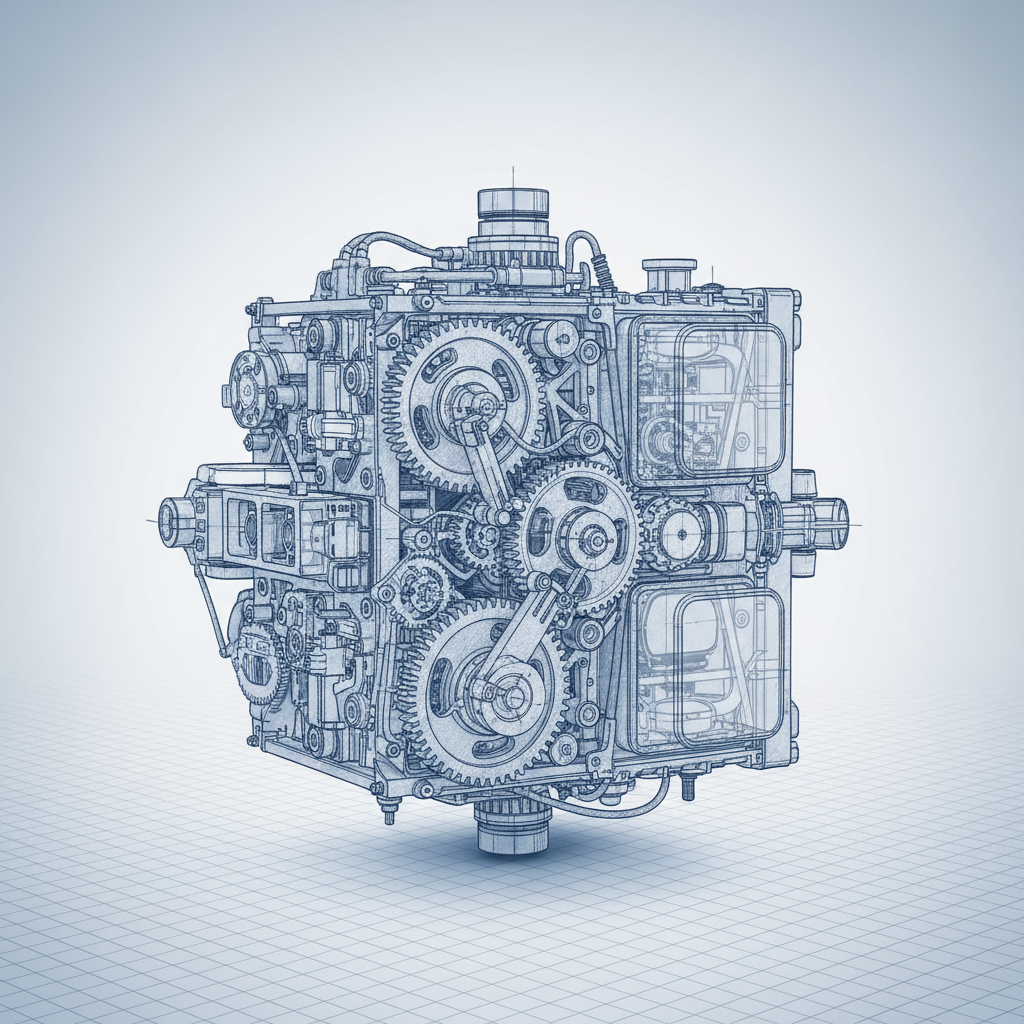
Satellite bus design is a complex engineering discipline that involves the integration of multiple subsystems to provide the necessary infrastructure for a satellite’s mission. These subsystems include power, propulsion, thermal control, attitude determination and control (ADCS), command and data handling (C&DH), and communications. A well-designed bus not only supports the payload but also ensures the satellite can operate reliably for its intended lifespan in the challenging environment of space.

The continuous drive for more capable and cost-effective satellites is pushing the boundaries of satellite bus design. New materials, advanced manufacturing techniques, and innovative architectural approaches are being explored to create buses that are lighter, more powerful, and more resilient. The rise of constellations of small satellites further intensifies the need for scalable and standardized bus designs.

Defining Satellite Bus Design

In essence, satellite bus design is the process of creating the core infrastructure of a satellite – everything except the specific payload it carries. Think of it like designing the chassis and engine of a car; it's the fundamental structure that enables the car to function, regardless of whether it’s a sports car or a family sedan. The bus provides the power, controls, and environmental protection needed for the payload to operate effectively.

This design encompasses selecting appropriate components, configuring their arrangement, and ensuring their seamless integration. Crucially, the bus design must accommodate the specific requirements of the intended mission, considering factors such as orbital altitude, mission duration, and payload characteristics. It’s a highly multidisciplinary field, drawing on expertise from electrical, mechanical, aerospace, and software engineering.

The importance of satellite bus design extends beyond purely technical aspects. It’s inextricably linked to modern industry and humanitarian needs. From providing global internet access to monitoring climate change and enabling disaster response, effective satellite bus designs are instrumental in addressing some of the world’s most pressing challenges.

Core Components of Effective Design

A successful satellite bus design hinges on several core components working in harmony. Firstly, the power subsystem must generate, store, and distribute electrical energy efficiently and reliably, typically utilizing solar panels and batteries. Secondly, the thermal control system is vital for maintaining operating temperatures within acceptable limits, protecting sensitive components from extreme heat or cold. Thirdly, the attitude determination and control system (ADCS) ensures the satellite is oriented correctly in space, crucial for pointing antennas and instruments towards their targets.

Furthermore, the communications subsystem handles the transmission and reception of data, utilizing antennas and transponders. The command and data handling (C&DH) subsystem acts as the satellite’s central nervous system, processing commands from ground control and managing data flow. Finally, the structural subsystem provides the physical framework that supports all other components and withstands the stresses of launch and operation in space.

These components aren’t isolated; their interactions are critical. For example, the power subsystem’s performance directly impacts the thermal control system, as generating power produces heat. Similarly, the ADCS needs accurate data from sensors managed by the C&DH to maintain orientation. An integrated, holistic approach to design is therefore essential.

Key Factors Influencing Bus Design

Several key factors profoundly influence satellite bus design choices. Durability is paramount; the satellite must withstand the harsh radiation environment, extreme temperature variations, and micrometeoroid impacts of space. This necessitates careful material selection and robust shielding. Scalability is increasingly important, particularly with the rise of satellite constellations. A modular bus design allows for easy replication and customization.

Comparison of Key Satellite Bus Design Metrics


Global Applications & Use Cases

Satellite bus designs are utilized across a remarkably diverse range of applications. In telecommunications, they provide the infrastructure for global internet access, mobile phone connectivity, and television broadcasting. In Earth observation, they monitor weather patterns, track deforestation, and assess the impact of climate change. For example, high-resolution imaging satellites built on robust bus designs are critical for precision agriculture, allowing farmers to optimize crop yields.

In post-disaster relief operations, satellites provide vital communication links and damage assessments, helping emergency responders coordinate their efforts. In remote industrial zones, satellite communications enable essential data transmission and remote monitoring of infrastructure. Satellite bus designs also play a crucial role in scientific research, supporting missions to study the Earth’s atmosphere, explore the solar system, and search for extraterrestrial life.

Advantages and Long-Term Value

Investing in advanced satellite bus design offers significant advantages. Cost efficiency is a major benefit, achieved through standardization, modularity, and the use of commercially available components. Reliability is enhanced through rigorous testing and the selection of high-quality components, leading to longer mission lifetimes and reduced risk of failure. Sustainability is increasingly important, with designers exploring the use of eco-friendly materials and energy-efficient technologies.

Beyond these tangible benefits, effective satellite bus design fosters innovation, builds trust with customers, and enhances national security. The ability to deploy reliable and capable satellites provides a strategic advantage in an increasingly interconnected world, and fosters a sense of safety and dignity through improved communication and access to information.

Future Trends and Innovations

The future of satellite bus design is brimming with exciting possibilities. The integration of artificial intelligence (AI) and machine learning (ML) will enable more autonomous operations and optimize resource allocation. The development of electric propulsion systems will increase fuel efficiency and extend mission lifetimes. New materials, such as advanced composites and self-healing polymers, will enhance durability and reduce weight.

The move towards distributed space architectures, involving constellations of small satellites, will drive demand for standardized and scalable bus designs. Furthermore, the increasing focus on sustainability will lead to the development of buses that are easier to recycle and repurpose, minimizing space debris and reducing environmental impact.

Briefly summarize the core of "Theme Seven"

Design Approach Cost (USD Millions) Mission Lifetime (Years) Technology Readiness Level (TRL)
Traditional Monolithic Design 50 15 9
Modular Bus Design 35 12 8
Standardized SmallSat Bus 20 8 7
Fully Electric Propulsion Bus 40 20 6
AI-Optimized Bus Management 30 10 5
Bio-Inspired Structural Design 45 18 4

FAQS

What are the main challenges in designing a satellite bus for high Earth orbit (HEO)?

Designing a satellite bus for High Earth Orbit (HEO) presents unique challenges due to the increased radiation exposure and prolonged periods of darkness. The power subsystem must be robust enough to handle extended eclipses, often requiring larger battery capacities or radioisotope thermoelectric generators (RTGs). Shielding against radiation is critical to protect sensitive electronics, increasing the mass of the bus. Thermal control also becomes more complex due to variations in solar exposure. Furthermore, the design must account for the unique orbital dynamics of HEO, which can affect attitude control and station-keeping.

How does modularity impact the cost and lead time of satellite bus manufacturing?

Modularity significantly impacts both the cost and lead time of satellite bus manufacturing. By utilizing standardized modules, manufacturers can achieve economies of scale, reducing per-unit costs. Furthermore, modularity allows for parallel development and integration, shortening the overall manufacturing timeline. The ability to easily swap out or upgrade modules also reduces the risk of obsolescence and simplifies maintenance. However, designing a truly modular bus requires careful planning and interface control to ensure compatibility and reliability.

What role does commercial off-the-shelf (COTS) components play in modern satellite bus designs?

Commercial off-the-shelf (COTS) components are playing an increasingly important role in modern satellite bus designs. Utilizing COTS components reduces development costs and lead times, as these components are readily available and have been thoroughly tested. However, using COTS components in space requires careful consideration of radiation hardening, temperature tolerance, and long-term reliability. Extensive qualification testing is often necessary to ensure COTS components can withstand the harsh space environment.

How is digital twin technology being applied to satellite bus design and operations?

Digital twin technology is revolutionizing satellite bus design and operations. A digital twin is a virtual replica of the satellite, allowing engineers to simulate its behavior under various conditions and identify potential problems before they occur. During the design phase, digital twins enable rapid prototyping and optimization. During operations, digital twins provide real-time monitoring and predictive maintenance capabilities, enhancing reliability and extending mission lifetimes.

What are the key considerations for thermal control in small satellite bus designs?

Thermal control in small satellite bus designs presents unique challenges due to the limited surface area available for radiators and the high power density of components. Passive thermal control techniques, such as multi-layer insulation (MLI) and heat pipes, are often employed to minimize complexity and weight. Careful component placement and selection are also crucial to distribute heat evenly. In some cases, active thermal control systems, such as louvers or heaters, may be necessary to maintain operating temperatures within acceptable limits.

What are the long-term implications of space debris for satellite bus design?

Space debris poses a significant long-term threat to satellite bus design and operations. Designers must incorporate shielding to protect against impacts from small debris particles. Furthermore, bus designs must include features that facilitate de-orbiting at the end of mission life, reducing the contribution to the debris population. Active debris removal technologies are also being explored to mitigate the existing debris problem, but these require innovative bus designs capable of capturing and removing debris.

Conclusion

Satellite bus design is the cornerstone of space technology, underpinning a vast array of applications that benefit humanity. From enabling global communications to monitoring our planet and advancing scientific knowledge, effective satellite bus designs are critical for addressing some of the world’s most pressing challenges. The field is constantly evolving, driven by advancements in materials, manufacturing techniques, and computing power.

Looking ahead, continued innovation in satellite bus design will be essential for unlocking the full potential of the space economy. By embracing modularity, standardization, and sustainable practices, we can create satellites that are more affordable, reliable, and environmentally responsible. For further exploration of advanced satellite bus design concepts and tailored solutions, please visit our website.

Ethan Bellwether

Ethan Bellwether

Ethan Bellwether is a Senior Optical Engineer at SpaceNavi, specializing in beam collimator design and testing. With over 12 years of experience in the industrial equipment manufacturing sector, he’s deeply involved in ensuring the precision and durability of SpaceNavi's optical components. Ethan’s expertise lies in troubleshooting complex optical systems and
Previous Understanding What is Satcom and Its Impact on Global Connectivity
Next Understanding and Optimizing Satellite Bus Cost for Space Missions

If you are interested in our products, you can choose to leave your information here, and we will be in touch with you shortly.