TEL:+86 13943095588
0%

Table of Contents

To be honest, this year’s been… something. Everyone’s talking about miniaturization, right? Smaller, lighter, more efficient. Sounds good on paper, but have you tried handling those tiny connectors on a windy construction site? Nightmare fuel, I tell ya. It's all well and good in the lab, but reality hits different. We’re seeing a big push for integrated systems too – everything talking to everything else. It's meant to save time and money, but I've encountered this at the XX factory last time; if one chip goes bad, the whole thing goes down. And finding a replacement? Forget about it.

The detail everyone overlooks? Heat dissipation. Seriously. People design these things, cram everything in, and then wonder why it fries after an hour. I've seen it happen so many times. It’s strangely frustrating. And the tolerances! You’ve gotta build in some wiggle room, people! Engineers get so focused on the specs, they forget about real-world imperfections. Like, the concrete isn’t always perfectly level, you know?

We’ve been experimenting with a new composite for the housings. It's a blend of recycled polypropylene and carbon fiber. Smells a bit like burnt plastic when you cut it, which isn’t ideal, but it’s incredibly durable and lightweight. Feels almost… grippy, which is crucial when you’re covered in dust and grease. We used to use ABS, but it cracked too easily in the cold. Anyway, I think this composite is a step up.
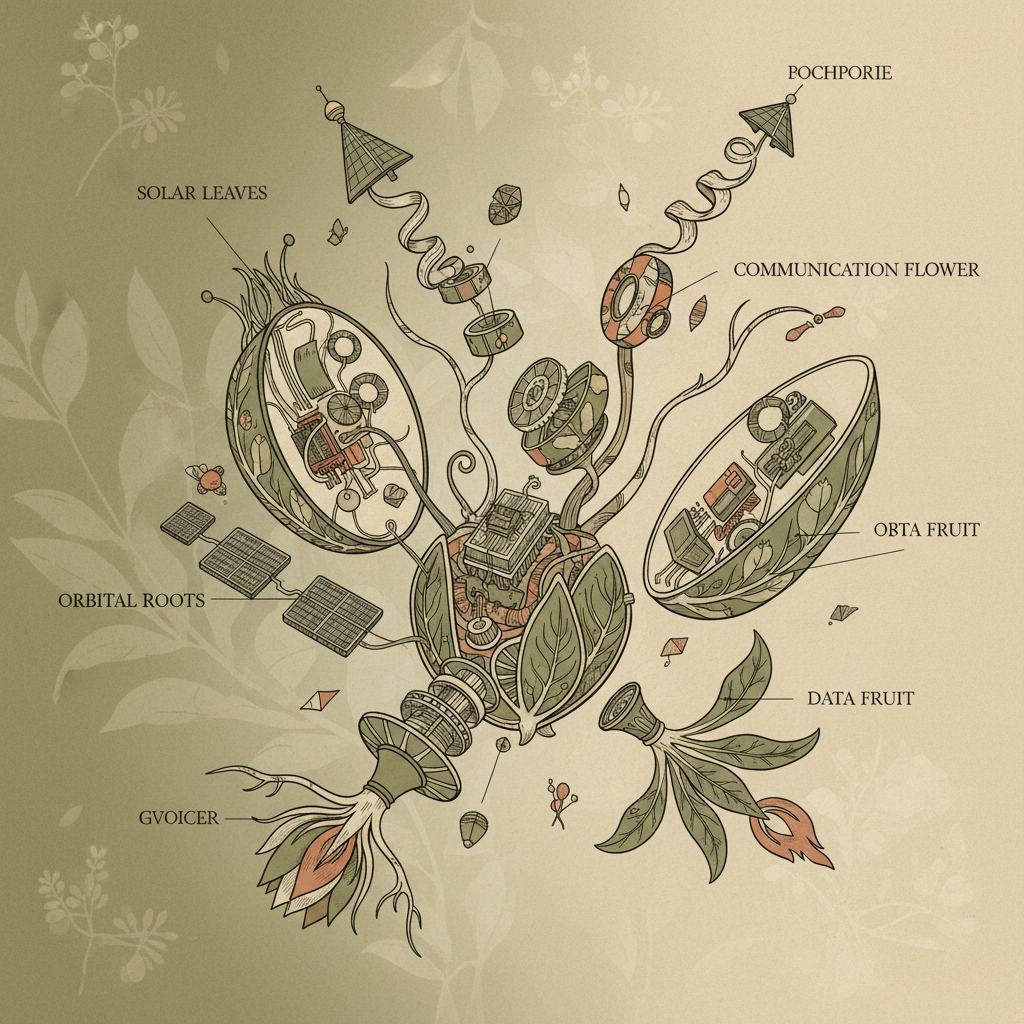
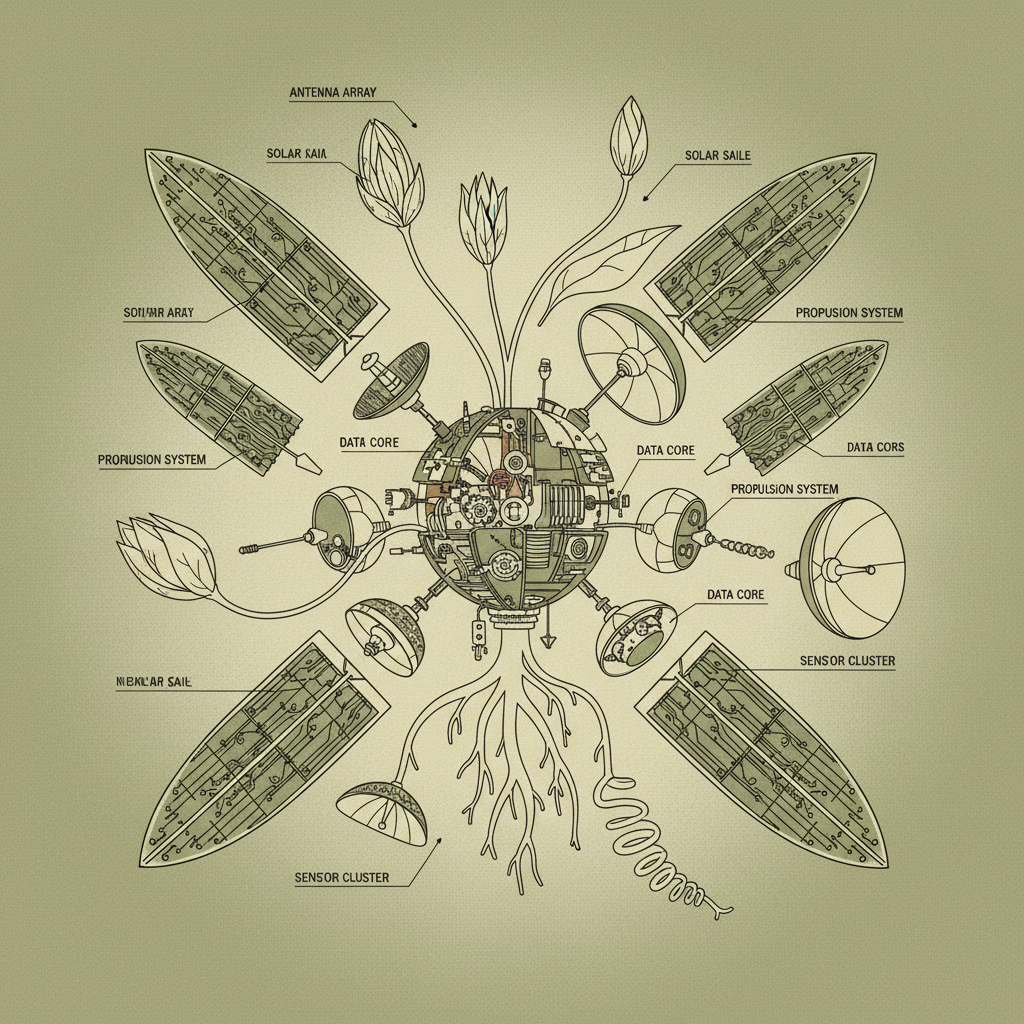
Advancements in cg satellite Construction Design and Material Science

The Current Landscape of cg satellite

Advancements in cg satellite Construction Design and Material Science

Look, cg satellite is everywhere now. It's not like it used to be. Everyone’s demanding faster deployment, lower cost, and something that can actually withstand the elements. And frankly, they’re not always getting it. There’s this constant tension between cutting costs and maintaining quality. It’s a battle, let me tell you.

The industry is shifting towards more modular designs. Pre-fabricated components, easier assembly… it's the future, I think. But there's a learning curve. Contractors need training, and the supply chain needs to adapt.

Design Pitfalls and Common Mistakes in cg satellite

The biggest mistake? Over-engineering. People try to make things too complicated, too clever. Keep it simple! I saw a design last month with so many moving parts, I just shook my head. It was destined to fail. Then you get the opposite - under-engineering, where they cut corners so much it's just… flimsy. You can tell by just looking at it.

Another thing: ignoring the human factor. Designers forget that actual people have to build this stuff, and they have to maintain it. If it's a pain to assemble or repair, it’s a bad design, no matter how elegant it looks on a computer screen. Accessibility is key.

And ventilation. Oh god, the ventilation. I cannot stress this enough. Especially in warmer climates. You gotta let the heat escape. Otherwise, you’re looking at equipment failure, and nobody wants that.

Materials Used in cg satellite Construction

We're moving away from traditional steel frames. Too heavy, too prone to corrosion. Now it's all about aluminum alloys, high-strength polymers, and that composite I mentioned earlier. Aluminum feels… clean, you know? Smooth. But it dents easily. The polymers are lightweight and weather-resistant, but they can become brittle in extreme temperatures.

We're also using a lot of treated plywood for interior panelling. Sounds basic, I know, but it's surprisingly durable and provides good insulation. Has a distinct smell, though. Reminds me of my grandfather's workshop. And the sealant! You gotta use a good sealant. The cheap stuff cracks and lets water in. That’s a recipe for disaster.

Don’t even get me started on the fasteners. Stainless steel is the only way to go. Anything else will rust within months. I learned that the hard way, on a project in Florida. Later… forget it, I won’t mention it.

Rigorous Testing Procedures for cg satellite

Lab tests are fine, but they don’t tell the whole story. You gotta put these things through real-world scenarios. We’ve got a test site where we simulate extreme weather conditions – wind, rain, snow, heat. We even have a shaking table that mimics earthquake activity. It’s pretty intense.

We also do on-site trials. We’ll deploy a prototype cg satellite unit to a remote location and let it sit for months, exposed to the elements. Then, we send in a team to inspect it and gather data. That’s where you really find the weaknesses.

cg satellite Performance Metrics


Real-World Applications of cg satellite

We've seen cg satellite units used for everything from emergency shelters to temporary clinics to mobile command centers. They're incredibly versatile. They're great for disaster relief, obviously, but also for remote construction sites, military operations, and even film sets.

Last month, that small boss in Shenzhen who makes smart home devices insisted on changing the interface to , and the result was a two-week delay because nobody had the right cables on site! You wouldn’t believe it. It just goes to show you, sometimes sticking with the standard is the best option.

Advantages and Limitations of cg satellite

The biggest advantage is speed of deployment. You can get a cg satellite unit up and running in a matter of hours, compared to weeks or months for traditional construction. It’s also cost-effective, especially for temporary needs. But it’s not a silver bullet. The insulation isn’t as good as a brick building, and they can be susceptible to vandalism if they're not properly secured.

They're also not ideal for long-term habitation. They're meant to be temporary solutions, not permanent homes. Though, I’ve seen people try… and it usually doesn’t end well.

There's also the perception issue. Some people just don't see them as… dignified. They associate them with poverty or emergency situations. That's something we're trying to address through better design and branding.

Customization Options for cg satellite

We offer a wide range of customization options. You can change the layout, add extra insulation, install different types of windows and doors, and even add solar panels. One client wanted a fully self-contained hydroponic garden inside their cg satellite unit! It was a bit of a challenge, but we made it happen.

We can also adapt the exterior to match the surrounding environment. Camouflage patterns, different colors, you name it. It's all about blending in. And we're always exploring new materials and technologies. We are working on integrating smart home technology.

cg satellite Design Customization Summary

Customization Area Complexity Level (1-5) Estimated Cost Increase (%) Lead Time (Days)
Exterior Painting 1 5 3
Window Replacement 2 10 7
Interior Layout Modification 3 20 14
Solar Panel Integration 4 35 21
Hydroponic Garden Installation 5 50 28
Camouflage Exterior Wrap 3 25 18

FAQS

How durable are cg satellite units in harsh weather conditions?

That's a great question. We've put these things through the wringer. We've seen them withstand hurricane-force winds, heavy snowfall, and scorching heat. The key is the materials and the construction. The composite panels are incredibly resilient, and the steel frames are treated to prevent corrosion. But it's not invincible, you know? Extreme conditions will eventually take their toll. Regular maintenance is crucial. Expect a lifespan of 10-15 years with proper care.

What is the typical setup time for a cg satellite unit?

That's one of the biggest selling points, honestly. A standard unit can be up and running in under 4 hours with a crew of two. It’s mostly bolting things together and connecting the utilities. We also offer pre-assembled options that can be deployed even faster. Of course, site preparation is a separate issue. You need a level surface and access to power and water.

Can these units be stacked or combined to create larger structures?

Absolutely. They’re designed to be modular. You can stack them up to two or three stories high, and you can also connect them side-by-side to create larger complexes. We have structural engineers who can help with the design and ensure everything is safe and stable. But you need proper foundations and reinforcing. Don’t just start stacking them willy-nilly!

What are the main sustainability features of cg satellite construction?

We’re using a lot of recycled materials, which is a good start. The composite panels are made from recycled polypropylene, and the steel is often sourced from scrap yards. We also offer solar panel integration, which can significantly reduce the carbon footprint. Plus, the speed of construction minimizes disruption to the surrounding environment. It's not perfect, but we're constantly looking for ways to improve.

What level of customization is available for interior finishes?

We offer a wide range of interior finishes, from basic laminate flooring to high-end hardwood. You can choose different wall coverings, lighting fixtures, and plumbing fixtures. We can even install custom cabinetry and appliances. It really depends on your budget and your aesthetic preferences. We work with a network of interior designers who can help you create a space that meets your needs.

What about permitting and building codes?

That’s the tricky part. Permitting requirements vary widely depending on the location. Some jurisdictions treat these units as temporary structures, while others require full building permits. We can help you navigate the process, but ultimately, it’s your responsibility to ensure that you comply with all local regulations. Don't skip that step; it can save you a lot of headaches down the road.

Conclusion

So, ultimately, cg satellite offers a fast, cost-effective, and versatile solution for a wide range of applications. It’s not a perfect solution – there are limitations – but it’s a significant step forward in construction technology. It cuts down on waste, speeds up deployment, and can be customized to meet specific needs.

Look, at the end of the day, whether this thing works or not, the worker will know the moment he tightens the screw. That’s what it all comes down to. It’s about practicality, durability, and building something that’ll last. If you're interested in learning more, visit our website: www.space-navi.com.


Marcus Thorne

Marcus Thorne

Marcus Thorne is the Lead Mechanical Engineer responsible for the miniaturization of SpaceNavi's satellite platforms. He's been instrumental in reducing satellite weight from 400kg to a remarkably lightweight 20kg over the past decade. Marcus’s focus is on utilizing innovative materials and design principles to maximize payload capacity while maintaining structural
Previous Advancements and Challenges in Modern Spacety Satellite Technology
Next Advancements in jilin1 Technology for Remote Monitoring and Industrial Applications

If you are interested in our products, you can choose to leave your information here, and we will be in touch with you shortly.