Scientific satellites are more than just technological marvels orbiting our planet; they’re the backbone of modern information, environmental monitoring, and global communication. From weather forecasting that saves lives to precision navigation guiding our daily commutes, these sophisticated instruments impact nearly every facet of modern life. Understanding the intricacies of scientific satellite technology isn’t just for aerospace engineers; it’s increasingly crucial for policymakers, investors, and anyone interested in the future of our connected world.
The global reliance on scientific satellite data is growing exponentially. According to the United Nations Office for Outer Space Affairs, there are over 8,000 active satellites in orbit as of 2023, with a projected increase to over 15,000 in the next decade. This growth is driven by demand for high-resolution imagery, precise positioning data, and continuous environmental monitoring. However, this rapid expansion also presents challenges, including space debris and the potential for signal interference, necessitating advancements in satellite design and operational strategies.
Essentially, a scientific satellite is an artificial satellite designed to collect and transmit data for scientific research. Unlike communication or broadcasting satellites, the primary purpose isn’t to relay signals but to conduct experiments, observe Earth or space, or gather information for various scientific disciplines. This data is vital for addressing pressing global challenges – from climate change to resource management – and fuels innovation across numerous industries.
The Core Principles of scientific satellite
The fundamental principle behind any scientific satellite is the utilization of remote sensing – gathering information without physical contact. This is achieved through a variety of sensors, each designed to detect different aspects of the electromagnetic spectrum. Everything from visible light and infrared radiation to radio waves and X-rays can be captured and analyzed, providing a wealth of data about Earth’s surface, atmosphere, and space environment.
A crucial aspect is orbital mechanics. Maintaining a stable orbit requires precise calculations and continuous adjustments. Different orbits – Low Earth Orbit (LEO), Geostationary Orbit (GEO), and Polar Orbit – serve different purposes. LEO satellites, for example, are ideal for high-resolution imaging but require frequent passes over a specific location. GEO satellites remain fixed over a specific point on Earth, making them suitable for continuous monitoring.
Global Significance and Data Dependency
The dependence on scientific satellite data is almost total for many critical applications. Weather prediction, for instance, relies heavily on data from geostationary and polar-orbiting satellites to track storms, monitor temperature changes, and forecast precipitation. Similarly, disaster management relies on satellite imagery to assess damage, coordinate relief efforts, and identify areas in need of assistance. This is especially true in remote regions where ground-based observation is limited.
The economic impact is also substantial. Precision agriculture utilizes satellite data to optimize irrigation, fertilization, and crop yields. The financial sector relies on satellite data for risk assessment and investment decisions. Even everyday activities like navigation through GPS depend on a network of scientific satellites. The World Bank estimates that the economic benefits of Earth observation data are in the tens of billions of dollars annually, and this number is expected to grow significantly.
However, this dependency also creates vulnerabilities. Satellite systems are susceptible to natural phenomena like solar flares, as well as intentional interference or even physical attacks. Ensuring the resilience and security of these critical infrastructures is paramount.
Defining Scientific Satellites and Their Applications
While the term “scientific satellite” often conjures images of telescopes peering into deep space, the reality is far more diverse. These satellites are employed across a wide range of disciplines, including atmospheric science, oceanography, geology, and astrophysics. Each discipline utilizes specialized sensors and analytical techniques tailored to its specific research objectives.
Consider the example of Earth observation satellites. These provide valuable data on land use, deforestation, water resources, and climate change. Remote sensing instruments onboard these satellites can measure vegetation health, track glacier movements, and monitor sea level rise with incredible accuracy. This data is then used by scientists and policymakers to develop strategies for sustainable resource management and climate mitigation.
The connection to modern humanitarian needs is also strong. Satellites provide early warning systems for natural disasters, enabling timely evacuations and reducing the loss of life. They also support efforts to monitor food security, track disease outbreaks, and assess the impact of conflicts. The information gleaned from scientific satellites is truly vital for addressing some of the world’s most pressing challenges.
Key Technological Components of scientific satellite
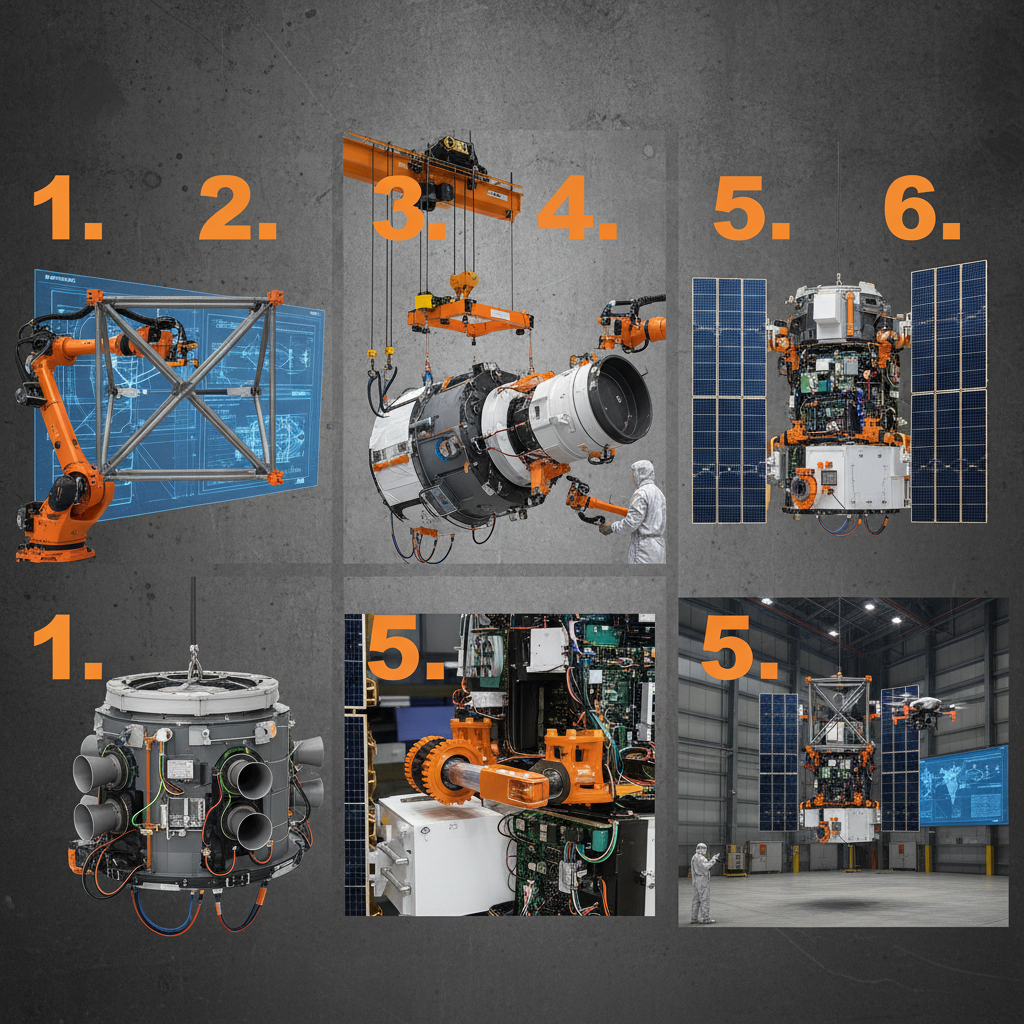
A scientific satellite isn’t just a sensor package flung into space. It's a carefully engineered system with several crucial components working in harmony. The power system, typically relying on solar panels and batteries, provides the energy needed for operation. The communication system transmits data back to ground stations, often utilizing sophisticated antennas and encoding techniques.
The attitude control system maintains the satellite’s orientation, ensuring that sensors are pointed in the correct direction. Thermal control systems regulate the temperature of sensitive components, preventing overheating or freezing. And, of course, the onboard computer processes data and manages all the satellite’s functions.
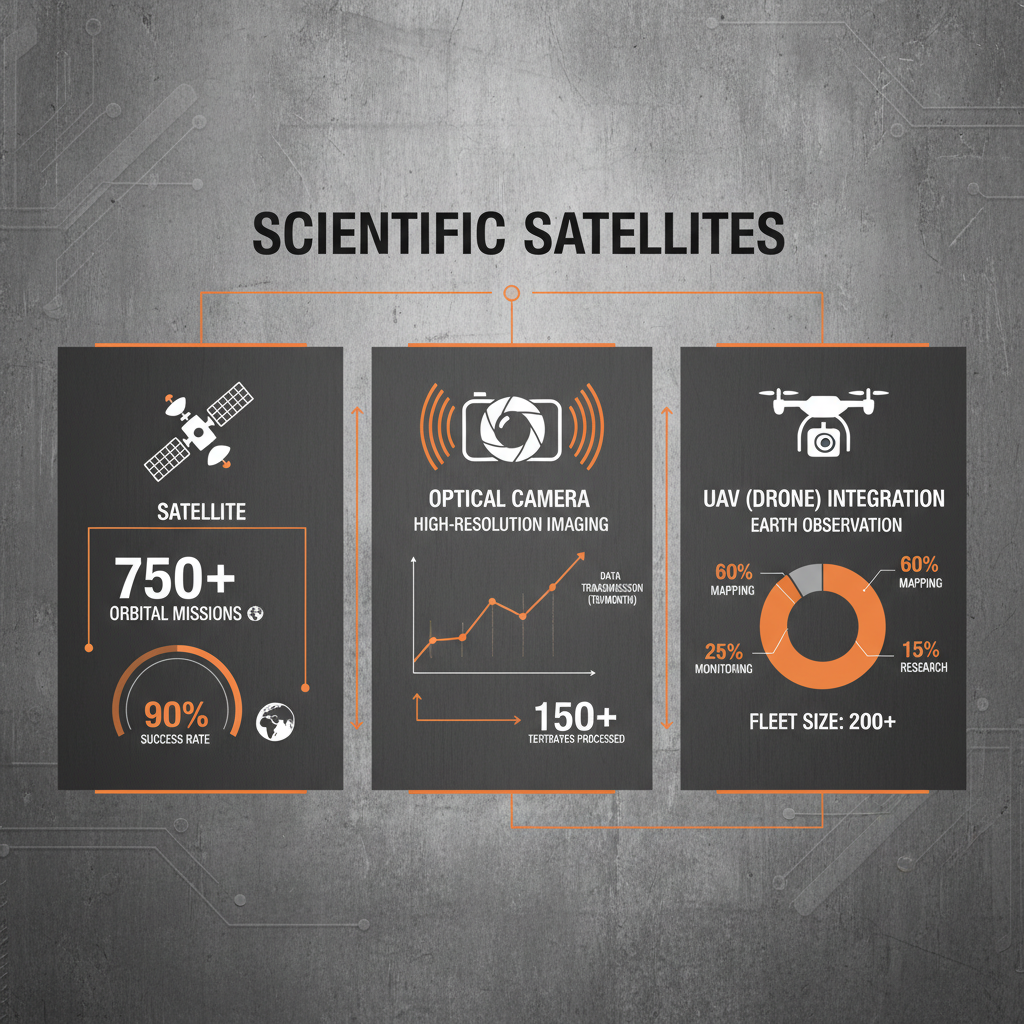
Performance Metrics of Scientific Satellite Components
Real-World Applications and Global Impact
In post-disaster relief operations, satellites provide critical damage assessments, helping rescue teams prioritize efforts and deliver aid to those most in need. Think of the response to the Haiti earthquake in 2010, where satellite imagery was instrumental in mapping the affected areas and coordinating international assistance.
In remote industrial zones, like oil and gas platforms or mining operations, satellites enable monitoring of environmental impacts, ensuring compliance with regulations and preventing ecological damage. They’re also used for infrastructure monitoring, detecting potential problems before they lead to costly repairs or safety hazards.
The Long-Term Value and Sustainable Advantages
The long-term value of scientific satellite technology extends beyond immediate applications. The data collected over decades provides a historical record of Earth’s changing environment, allowing scientists to identify trends and predict future impacts. This data is essential for developing long-term strategies for climate change adaptation, resource management, and sustainable development.
The advantages are clear: improved accuracy, increased efficiency, and reduced costs. Compared to traditional methods of data collection, satellites offer a cost-effective way to monitor large areas and gather data continuously. Furthermore, satellites contribute to environmental sustainability by reducing the need for on-site inspections and minimizing human impact on fragile ecosystems.
Future Trends and Emerging Innovations in scientific satellite
The future of scientific satellite technology is brimming with exciting possibilities. Miniaturization of satellites – the rise of CubeSats and other small satellite platforms – is democratizing access to space, allowing smaller organizations and universities to participate in research and development.
Another key trend is the development of more sophisticated sensors, capable of detecting even subtle changes in the environment. Hyperspectral imaging, for example, can identify different materials based on their unique spectral signatures, opening up new possibilities for environmental monitoring and resource exploration.
Finally, the integration of artificial intelligence and machine learning will enable more automated data analysis and faster insights. AI-powered algorithms can sift through vast amounts of satellite data, identifying patterns and anomalies that would be impossible for humans to detect.
Summary of Emerging Challenges and Potential Solutions
| Challenge |
Impact on scientific satellite |
Potential Solution |
Implementation Timeline |
| Space Debris Accumulation |
Increased collision risk, satellite damage |
Active debris removal technologies, improved tracking |
5-10 years |
| Data Overload |
Difficulty in processing and analyzing vast datasets |
AI-powered data analytics, cloud-based processing |
2-5 years |
| Signal Interference |
Data corruption, loss of communication |
Advanced signal encryption, frequency management |
Ongoing |
| Cybersecurity Threats |
Satellite control compromise, data breaches |
Robust cybersecurity protocols, intrusion detection systems |
Ongoing |
| Cost of Launch |
Limits access to space for smaller organizations |
Reusable launch vehicles, rideshare programs |
3-7 years |
| Sensor Calibration Drift |
Reduced data accuracy over time |
Onboard calibration systems, regular validation |
Ongoing |
FAQS
Current scientific satellite technology faces limitations in data resolution, revisit times, and the cost of launching and maintaining these systems. The sheer volume of data generated can also be overwhelming, requiring significant processing power and advanced analytical tools. Furthermore, the increasing risk of space debris poses a constant threat to operational satellites, demanding robust mitigation strategies.
A satellite’s orbit is fundamental to its data collection abilities. Low Earth Orbit (LEO) provides high resolution but requires frequent passes, making continuous monitoring challenging. Geostationary Orbit (GEO) offers constant coverage of a specific area, ideal for weather monitoring, but at a lower resolution. Polar orbits are effective for global mapping and environmental monitoring, while inclined orbits are tailored for specific regional studies.
Processing and analyzing satellite data presents several challenges. The sheer volume of data requires immense storage and processing capacity. Data quality can be affected by atmospheric conditions, sensor calibration issues, and data transmission errors. Furthermore, extracting meaningful information requires sophisticated algorithms and expertise in remote sensing techniques.
CubeSats are revolutionizing space research by lowering the barrier to entry. Their smaller size and lower cost allow universities and smaller organizations to develop and launch satellites, fostering innovation and expanding access to space-based data. While they generally have limited capabilities compared to larger satellites, they’re ideal for specific research projects and technology demonstrations.
Ethical considerations include data privacy, equitable access to data, and the potential for misuse. Satellite imagery can be used for surveillance or to track individuals, raising privacy concerns. Ensuring that data is accessible to all, especially developing countries, is crucial for promoting scientific collaboration and addressing global challenges. Furthermore, responsible use of data to avoid exacerbating inequalities is paramount.
AI is poised to transform scientific satellite technology in numerous ways. AI algorithms can automate data processing, identify patterns and anomalies, and improve the accuracy of predictions. Machine learning can be used to optimize satellite operations, enhance sensor calibration, and even predict potential failures. Furthermore, AI-powered analytics can unlock new insights from vast datasets, accelerating scientific discovery.
Conclusion
Scientific satellites are indispensable tools for understanding our planet, addressing global challenges, and driving innovation. From weather forecasting and disaster management to environmental monitoring and resource exploration, these sophisticated instruments provide a wealth of data that is essential for informed decision-making. Their continued development and deployment are critical for ensuring a sustainable and resilient future.
Looking ahead, continued investment in research and development is crucial for overcoming the challenges facing the scientific satellite industry – from space debris mitigation to data overload. Embracing emerging technologies like AI, miniaturization, and reusable launch vehicles will unlock new possibilities and further expand the benefits of space-based observations. Visit our website at space-navi.com to learn more about our contributions to this exciting field.