Revolutionizing Agriculture with Advanced Satellite Imaging Technologies
Satellite Imaging in Agriculture: A Comprehensive Guide
In the modern agricultural landscape, optimizing yields and resource management is crucial. Satellite imaging has emerged as a powerful tool, providing farmers and agricultural professionals with invaluable data-driven insights. From monitoring crop health to optimizing irrigation, the applications are vast and continuously expanding. This article delves into the benefits, technologies, and future trends of satellite imaging in agriculture, helping you understand how it’s revolutionizing food production. Understanding these technologies is no longer a luxury, but a necessity for staying competitive in today's market.
Understanding the Core Principles of Satellite Imaging
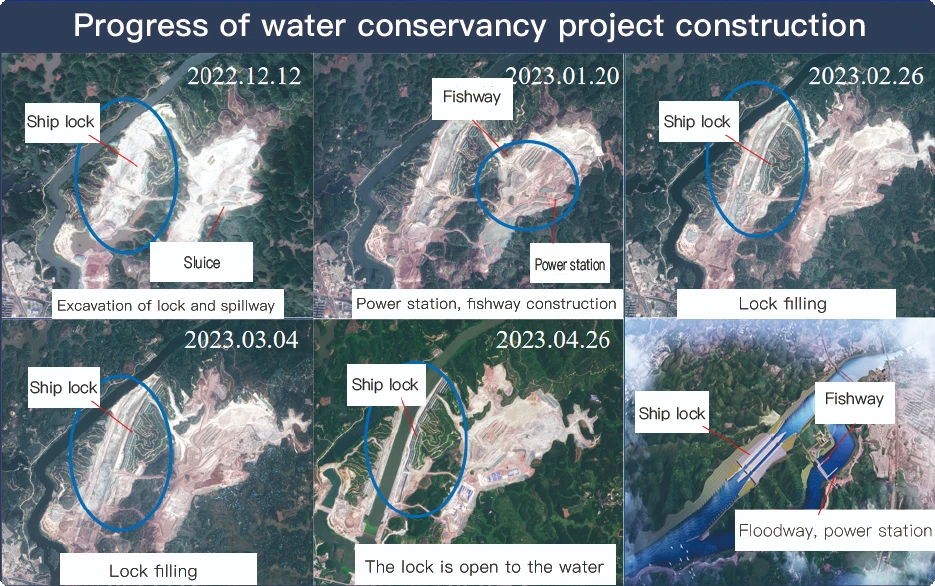
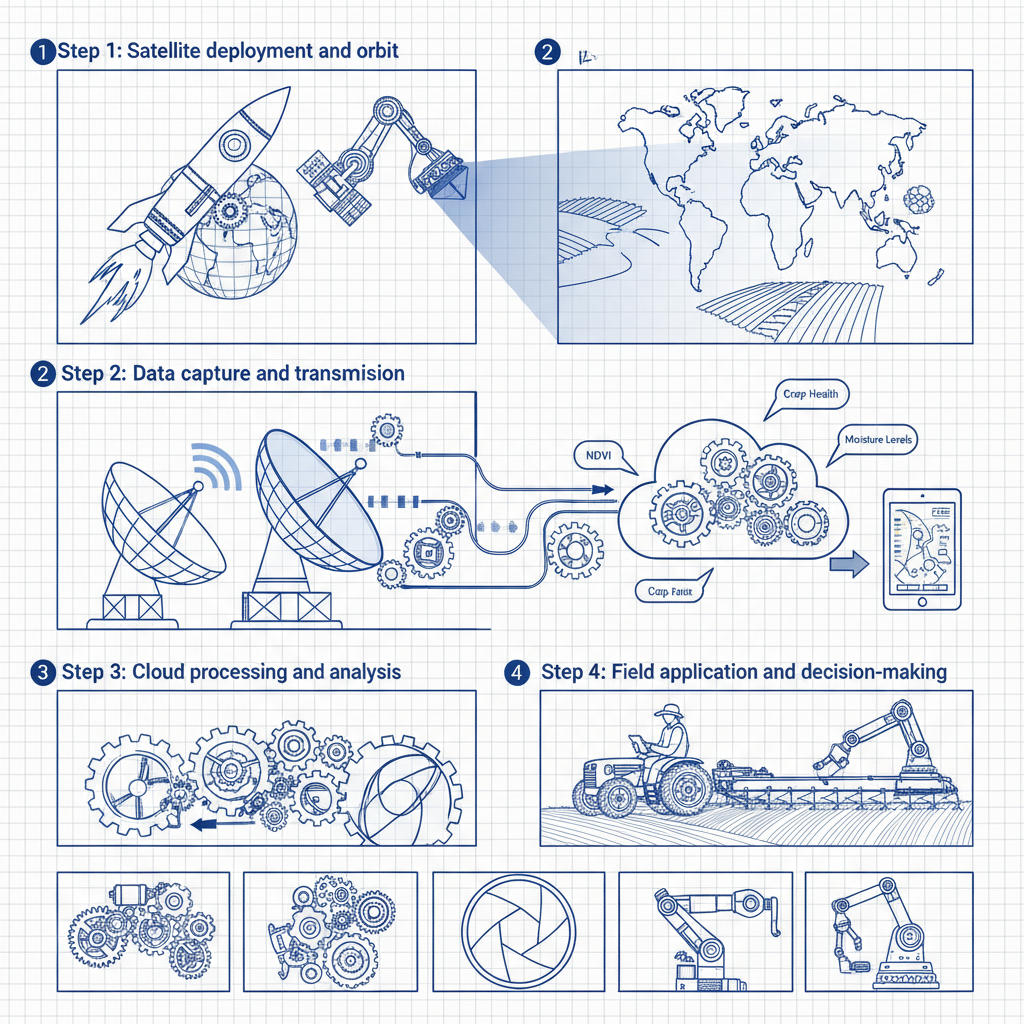
Satellite imaging relies on sensors aboard satellites to capture data about the Earth's surface. These sensors detect different wavelengths of electromagnetic radiation, including visible light, infrared, and microwave radiation. Different plant characteristics reflect different wavelengths, allowing analysts to assess crop health, identify stress factors, and estimate yields. The data collected is then processed and analyzed to create images and maps that provide valuable information for agricultural decision-making. Different spectral bands provide unique insights; for example, near-infrared (NIR) is highly sensitive to plant chlorophyll content and biomass. Space-Navi offers cutting-edge satellite imagery solutions designed to streamline your agricultural operations.
Key Applications of Satellite Imaging in Agriculture
The versatility of satellite imaging makes it applicable across a wide range of agricultural practices. Some key applications include:
- Crop Health Monitoring: Identifying areas of stress or disease early on.
- Precision Irrigation: Optimizing water usage based on plant needs.
- Yield Prediction: Estimating crop yields before harvest.
- Field Mapping: Creating accurate maps of fields for better management.
- Fertilizer Management: Applying fertilizers only where needed, reducing waste and environmental impact.
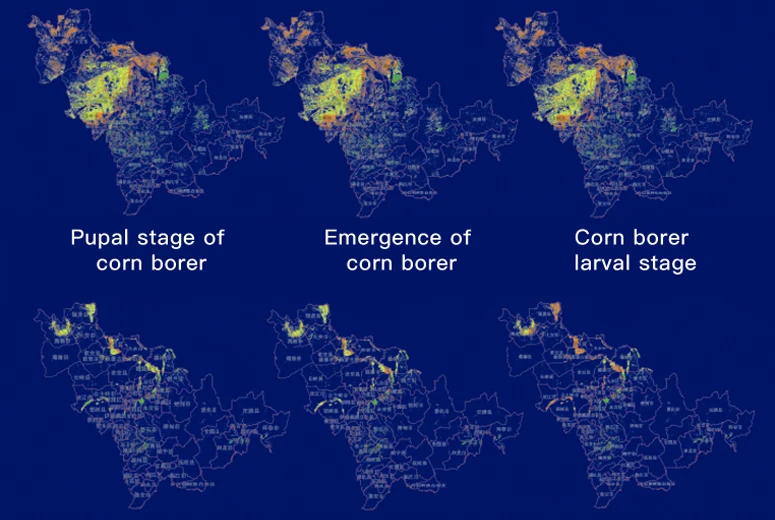
- Damage Assessment: Evaluating the extent of damage from pests, diseases, or natural disasters.
Key Benefits: Improved resource efficiency, increased yields, reduced costs, and more sustainable farming practices.
Different Satellite Imaging Technologies for Agriculture
Several types of satellite imaging technologies are utilized in agriculture, each offering unique advantages. These include:
- Multispectral Imaging: Captures data in multiple spectral bands (e.g., visible, near-infrared, shortwave infrared).
- Hyperspectral Imaging: Captures data in hundreds of narrow spectral bands, providing a more detailed analysis of plant characteristics.
- Synthetic Aperture Radar (SAR): Uses radar technology to penetrate clouds and provide data regardless of weather conditions.
- High-Resolution Optical Imagery: Provides very detailed images, useful for identifying individual plants or features.
Satellite Imaging vs. Drone Imaging vs. Ground-Based Sensors
While satellite imaging is powerful, it’s important to understand its place alongside other data collection methods. Here's a comparison:
The Future of Satellite Imaging in Agriculture
The future of satellite imaging in agriculture is incredibly promising. We can expect to see:
- Increased Resolution: Higher-resolution imagery enabling even more precise analysis.
- Artificial Intelligence (AI) Integration: AI-powered algorithms automating data analysis and providing actionable insights.
- More Affordable Access: Decreasing costs making the technology accessible to smaller farms.
- Integration with IoT Devices: Combining satellite data with data from ground-based sensors and drones for a comprehensive view of farm conditions.
- Advanced Analytics: Predictive models for disease outbreaks, pest infestations, and yield optimization.
Conclusion: Embracing the Power of Satellite Imagery
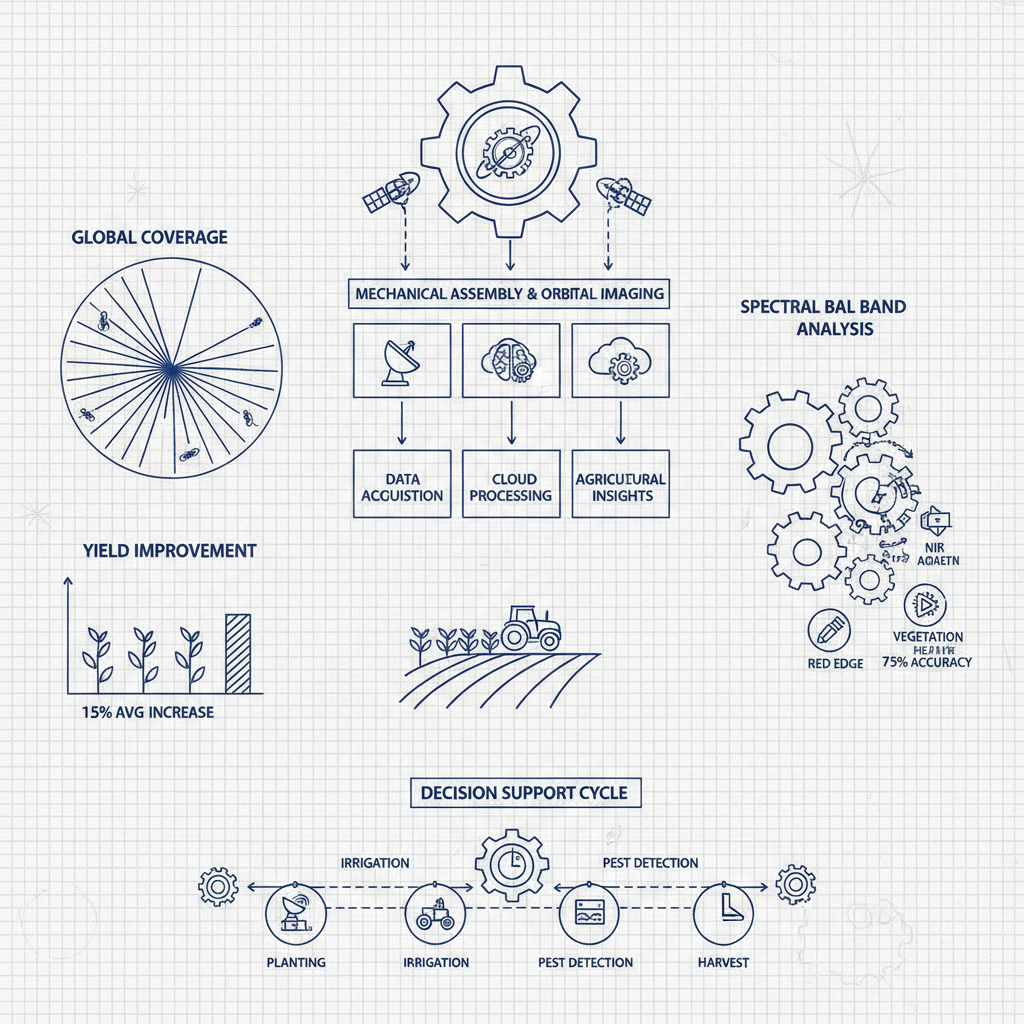
Investing in satellite imaging technology is a strategic move for any modern agricultural operation. The ability to monitor crop health, optimize resource allocation, and improve yields translates into increased profitability and sustainability. Space-Navi is dedicated to providing cutting-edge solutions that empower farmers to make informed decisions and achieve optimal results. Don't fall behind – embrace the future of agriculture today.
Frequently Asked Questions (FAQs)
What types of crops benefit most from satellite imaging?
While nearly all crops can benefit, large-scale operations growing row crops like corn, soybeans, wheat, and cotton see significant advantages. Satellite imaging allows for monitoring vast areas efficiently, identifying variations in crop health that might go unnoticed with traditional methods. Fruit and vegetable farms also benefit greatly from detailed imagery, enabling early detection of stress and optimizing irrigation. Precision viticulture, focused on vineyard management, utilizes satellite data to assess vine vigor and predict grape yields. Essentially, any crop that benefits from careful monitoring and optimized resource management can leverage the power of satellite imaging. Utilizing platforms like Space-Navi will help provide solutions for your crop of choice.
How often should satellite imagery be collected for optimal results?
The optimal frequency of image collection depends on the crop type, growth stage, and specific monitoring goals. During critical growth periods, such as planting, flowering, and fruit development, more frequent imagery (e.g., every 3-5 days) is recommended. For monitoring larger fields or assessing overall crop health, less frequent imagery (e.g., weekly or bi-weekly) may suffice. Factors like weather conditions also play a role, as cloud cover can obstruct data collection. Space-Navi offers customizable data collection schedules to meet your specific needs.
What level of technical expertise is required to interpret satellite imagery?
While understanding the basics of remote sensing is helpful, many satellite imagery platforms now offer user-friendly interfaces and analytical tools that require minimal technical expertise. AI-powered platforms can automate much of the data analysis, providing farmers with actionable insights without the need for specialized training. Services like Space-Navi provide expert interpretation and support, helping you translate the data into practical strategies for improving your farm's performance.