- Afrikaans
- Albanian
- Amharic
- Arabic
- Armenian
- Azerbaijani
- Basque
- Belarusian
- Bengali
- Bosnian
- Bulgarian
- Catalan
- Cebuano
- China
- Corsican
- Croatian
- Czech
- Danish
- Dutch
- English
- Esperanto
- Estonian
- Finnish
- French
- Frisian
- Galician
- Georgian
- German
- Greek
- Gujarati
- Haitian Creole
- hausa
- hawaiian
- Hebrew
- Hindi
- Miao
- Hungarian
- Icelandic
- igbo
- Indonesian
- irish
- Italian
- Japanese
- Javanese
- Kannada
- kazakh
- Khmer
- Rwandese
- Korean
- Kurdish
- Kyrgyz
- Lao
- Latin
- Latvian
- Lithuanian
- Luxembourgish
- Macedonian
- Malgashi
- Malay
- Malayalam
- Maltese
- Maori
- Marathi
- Mongolian
- Myanmar
- Nepali
- Norwegian
- Norwegian
- Occitan
- Pashto
- Persian
- Polish
- Portuguese
- Punjabi
- Romanian
- Russian
- Samoan
- Scottish Gaelic
- Serbian
- Sesotho
- Shona
- Sindhi
- Sinhala
- Slovak
- Slovenian
- Somali
- Spanish
- Sundanese
- Swahili
- Swedish
- Tagalog
- Tajik
- Tamil
- Tatar
- Telugu
- Thai
- Turkish
- Turkmen
- Ukrainian
- Urdu
- Uighur
- Uzbek
- Vietnamese
- Welsh
- Bantu
- Yiddish
- Yoruba
- Zulu
LEO Satellite Life-Cycle Cost Breakdown (Part 1): Design and R&D Phase
Introduction
Cost control for LEO satellites does not start in manufacturing, but spans the entire life cycle from design to decommissioning. As the starting point of satellite development, the design and R&D phase not only determines satellite performance and reliability, but also accounts for 70%–80% of total cost impact. For commercial aerospace companies, controlling costs in the design and R&D phase is critical to project profitability and large‑scale deployment. This paper provides an in‑depth breakdown of cost composition, core drivers, and optimization strategies for these two phases.
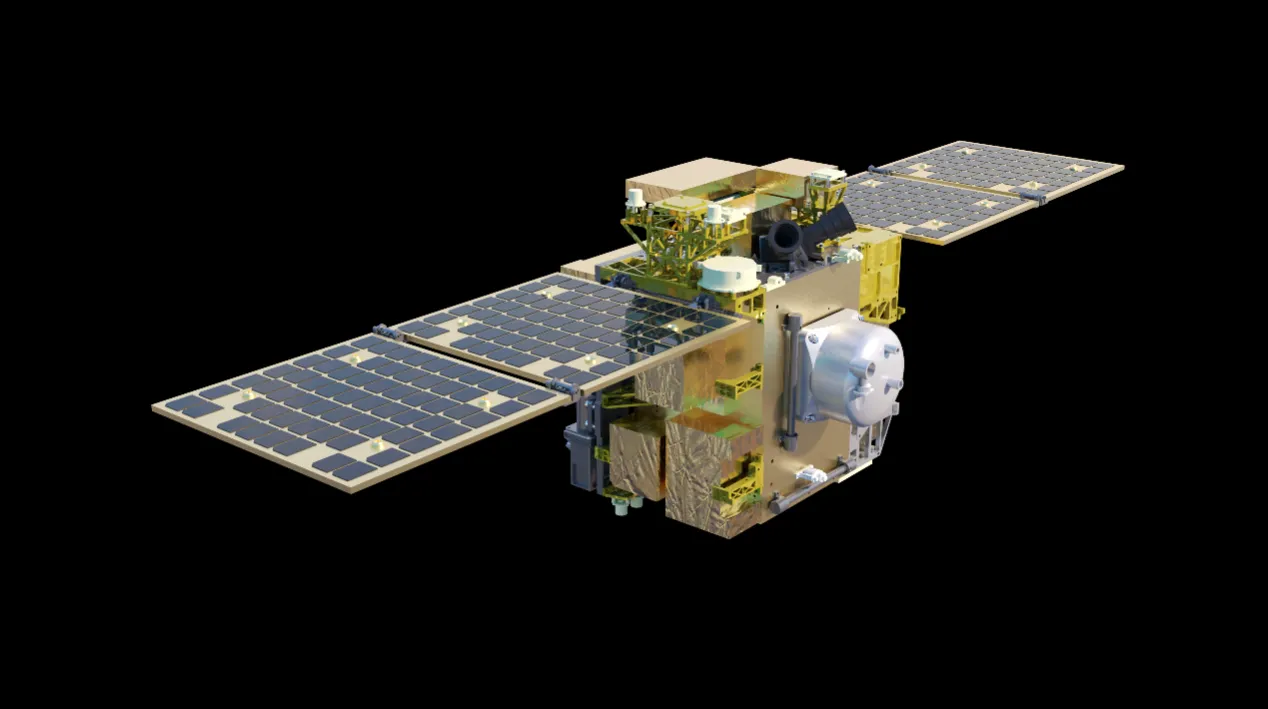
I. Design Phase: Source Control of Cost
The design phase is the “blueprinting” stage of satellite development, covering system design, detailed design, simulation analysis, design reviews, and other core activities. Its cost directly sets the cost baseline for all subsequent stages.
1. Cost Composition and Scale
Costs in the design phase mainly include:
- System design: covering orbit design, structural design, software programming, etc. As the foundation of satellite intelligence, software development accounts for approximately 10% of total cost.
- Detailed design: involving concrete design of each subsystem, such as electrical design, mechanical design, and thermal design.
- Simulation analysis: verifying the feasibility and performance of design solutions via computer simulation to avoid rework.
- Design reviews: organizing industry experts to review design solutions and ensure quality.
2. Core Cost Drivers
- Technical complexity: higher functional requirements (e.g., communication band, resolution) increase design difficulty and cost. For example, design costs for Ka‑band satellites are 30%–40% higher than Ku‑band satellites.
- Degree of customization: custom satellites require redesign for specific missions, resulting in significantly higher costs than standardized platform satellites.
- Reliability requirements: the harsh space environment demands high redundancy and fault tolerance, increasing design complexity and cost.
II. R&D Phase: Cost Challenge for Technology Realization
The R&D phase transforms design concepts into prototypes, including prototype manufacturing, technical verification, key technology research, and testing. It accounts for 40%–50% of total development cost for aerospace products.
1. Cost Composition and Scale
Core cost items in the R&D phase include:
- Prototype manufacturing: building engineering and qualification models to verify manufacturability and performance.
- Technical verification: ground testing of core technologies such as inter‑satellite laser communication and ion propulsion.
- Key technology development: targeted research on technical bottlenecks such as high‑power RF devices and radiation‑hardened chips.
- Testing and verification: component‑level, subsystem‑level, and system‑level functional and environmental tests.
2. Core Cost Drivers
- Technology readiness level: immature new technologies increase R&D risk and cost; extended development may double costs.
- Test intensity: space‑grade products require multiple environmental tests (vibration, thermal vacuum, radiation, etc.). More tests and stricter standards raise costs.
- Supply chain maturity: reliance on imported or custom core components (star trackers, thrusters, etc.) extends schedules and increases costs.
III. Cost Optimization for the Design and R&D Phase
-
Standardized and modular designBy adopting a unified satellite platform architecture and modular subsystems, subsequent missions can reuse the platform design and only adapt the payload. This can reduce design costs by 40%–50%.
-
Technology reuse and domestic substitutionReuse mature verified technologies and reduce new technology development. Increase domestic substitution of key components from 60% to over 90%, avoiding cost volatility and delivery delays caused by import dependence.
-
Simulation-driven designExpand simulation and use digital twin technology to predict performance and environmental adaptability during design, reducing physical prototyping and testing. This can lower R&D costs by 20%–30%.
-
Iterative R&DAdopt a “prototype–test–improve” cycle to avoid excessive upfront investment, quickly respond to market changes, and improve R&D efficiency.