TEL:+86 13943095588

Aerospace Precision Engineering for Chile: Optimizing compliance regulations

Advanced electronic manufacturing and satellite components tailored for the unique geographic and regulatory landscape of the Chilean aerospace sector.

Aerospace Precision Engineering for Chile: Optimizing compliance regulations

Integrating state-of-the-art computer and electronic manufacturing to enhance aerospace reliability and regulatory adherence in South America.

Current State of Chile's Aerospace Manufacturing

Navigating the intersection of high-altitude geography and electronic precision.

Chile's aerospace sector is uniquely shaped by its Atacama region, which provides an unparalleled environment for satellite communications and astronomical observation. However, the manufacturing of electronic components must account for extreme thermal fluctuations and radiation, necessitating a strict revisit period for hardware maintenance and calibration.

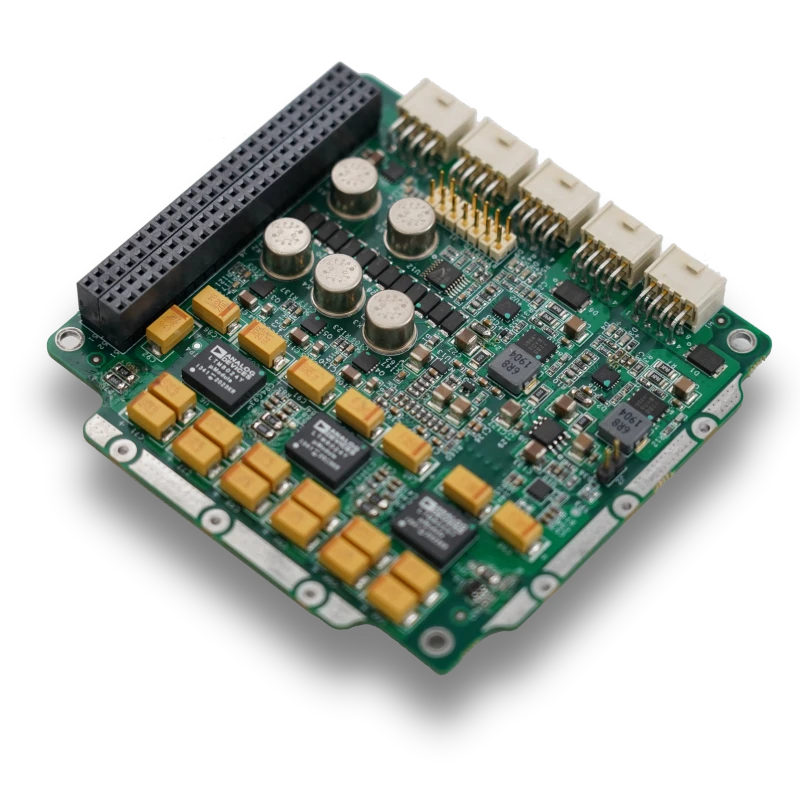
Currently, the industry is shifting from importing finished modules to developing local high-tech capabilities. This transition is heavily influenced by the need to align with international compliance regulations, ensuring that every semiconductor and PCB assembly meets global aviation safety standards.

Moreover, the integration of machine learning models is becoming essential for predicting component failure in the harsh Andean climate, allowing Chilean firms to optimize their supply chains and reduce operational downtime.
Evolution of Aerospace Electronics in Chile

From basic assembly to AI-driven aerospace manufacturing.

Market Development History

In the early 2000s, the Chilean aerospace landscape was primarily focused on maintenance and repair operations (MRO). The electronic infrastructure was basic, relying on rigid legacy systems with manual oversight and infrequent inspection cycles.

Between 2010 and 2020, the emergence of regional satellite initiatives triggered a demand for specialized computer and communication equipment. This era saw the introduction of longitudinal studies to evaluate the long-term degradation of electronic materials exposed to high-altitude UV radiation.

From 2021 onwards, the industry entered the era of "Smart Aerospace." The adoption of deep learning has transformed how flight control systems and satellite telemetry are processed, moving from reactive to predictive maintenance.

Future Development Trends

AI-Integrated Quality Control

Implementation of neural networks to detect microscopic defects in PCB soldering for aerospace-grade electronics.

Autonomous Regulatory Auditing

Automating the verification process for international aviation standards to accelerate time-to-market for new spacecraft components.

Extreme Environment Hardening

Development of next-generation semiconductors designed specifically for the extreme temperature swings of the Southern Cone.

Industry Outlook and Technological Trajectory

Predicting the next leap in Chilean aerospace electronic manufacturing.

Predictive Maintenance 4.0
Shifting from fixed schedules to AI-driven health monitoring for aircraft electronics.
Satellite Miniaturization
Developing ultra-compact communication boards for CubeSat deployments in Chile.
Edge Computing in Space
Processing telemetry data on-board using specialized aerospace chipsets.
Radiation Hardening
Innovative coating and material science for electronics in high-altitude zones.

Industry Outlook

Over the next 3-5 years, Google search trends indicate a surging interest in "sustainable aerospace electronics" and "AI for satellite orbits" within the Latin American market. Chile is positioned to become a regional hub for aerospace computer manufacturing due to its stable economic environment and strategic geography.

The integration of autonomous systems will likely reduce the reliance on manual inspections, shifting the focus toward software-defined hardware that can be updated remotely, further optimizing the operational lifecycle of aerospace assets.

Localized Application Scenarios in Chile

Applying aerospace electronics to the specific needs of the Chilean territory.

01. Atacama Satellite Ground Station Hardware

Deploying radiation-hardened communication modules that withstand extreme UV exposure, utilizing specialized PCB materials to maintain signal integrity.

02. Andean High-Altitude Drone Electronics

Integrating lightweight, high-efficiency computer boards for environmental monitoring drones operating in the high Andes mountains.

03. Space-Based Agricultural Monitoring

Implementing specialized sensors and telemetry units for satellites tracking crop health in the Central Valley using AI-driven data analysis.

04. Antarctic Research Logistics Communication

Providing ruggedized electronic communication hubs for Chilean research stations in Antarctica, ensuring reliable connectivity in sub-zero temperatures.

05. Aerospace Regulatory Compliance Tooling

Developing digital twin software for Chilean manufacturers to simulate and verify compliance regulations before physical production.

Brand Story

Global Development History of Ningbo Mingji International Trade Co., Ltd.

Foundational Excellence

Established with a vision to bridge the gap between high-precision electronic manufacturing and the global aerospace market.

Technological Expansion

Investing in advanced R&D to integrate AI and deep learning into the production of communication equipment.

Global Quality Certification

Achieving gold-standard certifications to ensure every product meets rigorous international aerospace safety laws.

Strategic Latin American Entry

Developing tailored solutions for the Chilean market, focusing on environmental hardening and regulatory precision.

Future Vision

Striving to be the primary partner for aerospace electronics in South America, empowering local innovation with global expertise.

Comprehensive Aerospace Product Portfolio for Chile

High-reliability electronic components engineered for the South American aerospace sector.

Chilean Aerospace Electronics FAQ

Expert answers to common technical and regulatory questions in the region.

How do you ensure electronics meet Chilean aerospace compliance regulations?

We implement a multi-stage verification process that aligns with both DGAC Chile and international FAA/EASA standards, utilizing automated audit trails.

What is the recommended revisit period for satellite hardware in the Atacama region?

Due to high UV exposure, we recommend a shortened revisit period for thermal shielding and sensor calibration compared to temperate zones.

How are machine learning models used in your aerospace components?

Our components integrate embedded machine learning models for real-time anomaly detection in power distribution systems, reducing the risk of mid-flight failure.

Can longitudinal studies help in choosing the right PCB materials?

Yes, we utilize longitudinal studies to track material fatigue over 10+ years in high-altitude simulations, ensuring long-term reliability.

What role does deep learning play in satellite telemetry analysis?

Deep learning is used to filter cosmic noise from telemetry data, allowing for much cleaner communication between Chilean ground stations and orbiting assets.

Are your communication devices compatible with regional South American standards?

Absolutely. All our equipment is designed for multi-band compatibility, adhering to the specific spectrum allocations of Chile and neighboring countries.

Ready to Elevate Your Aerospace Capabilities?

Partner with the leaders in precision electronic manufacturing for the aerospace sector in Chile.

Contact Us Now

If you are interested in our products, you can choose to leave your information here, and we will be in touch with you shortly.