Leveraging Satellite Images Used for Agriculture to Enhance Crop Management and Yield
Satellite Images Used for Agriculture: A Comprehensive Guide
Modern agriculture is rapidly evolving, driven by the need for increased efficiency, sustainability, and yield. A pivotal technology enabling this transformation is the use of satellite images. These images provide a wealth of data that empowers farmers and agricultural professionals to make informed decisions, optimize resource allocation, and enhance crop management. This article will explore the various applications of satellite imagery in agriculture, the benefits it offers, and the future trends shaping this exciting field. Understanding how satellite images are utilized is key to maximizing agricultural output.
Understanding the Power of Satellite Imagery in Agriculture
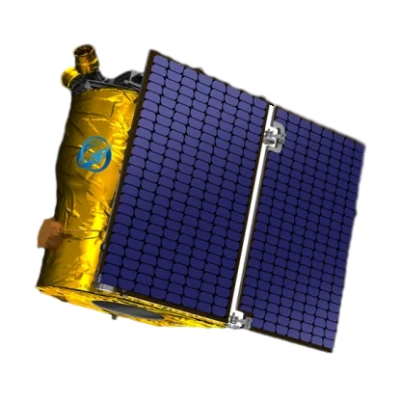
Satellite imagery, captured by sensors orbiting the Earth, offers a bird's-eye view of agricultural landscapes. Unlike traditional methods of field observation, satellite imagery covers vast areas efficiently and provides data across multiple spectral bands. This multi-spectral capability is crucial because different plants reflect light differently, allowing for the identification of plant health, stress levels, and even species. The data collected is then processed and analyzed to generate actionable insights for farmers. These insights help with tasks such as crop monitoring, yield prediction, and precision irrigation, ultimately improving agricultural productivity and profitability.
Key Benefits: Increased efficiency, sustainability, improved yield, and optimized resource allocation.
Key Applications of Satellite Images in Agriculture
The applications of satellite images in agriculture are diverse and constantly expanding. Some of the most prominent uses include:
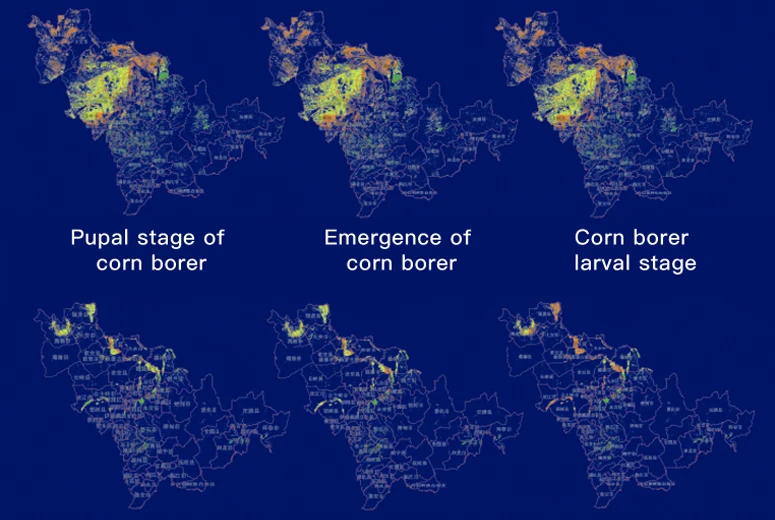
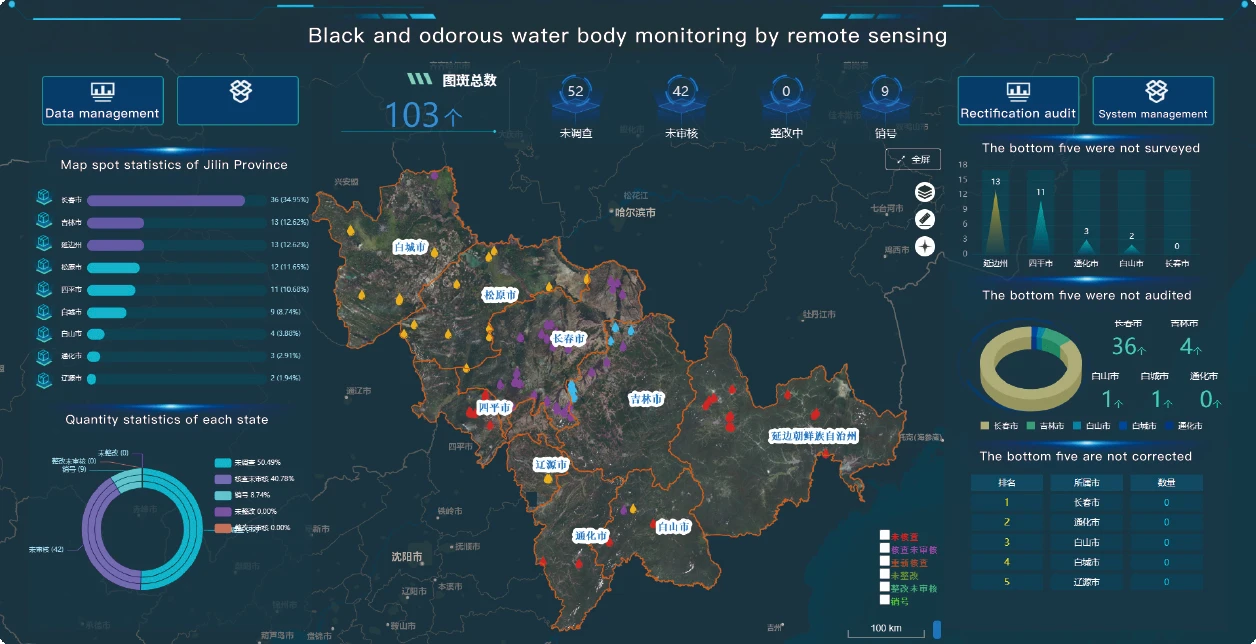
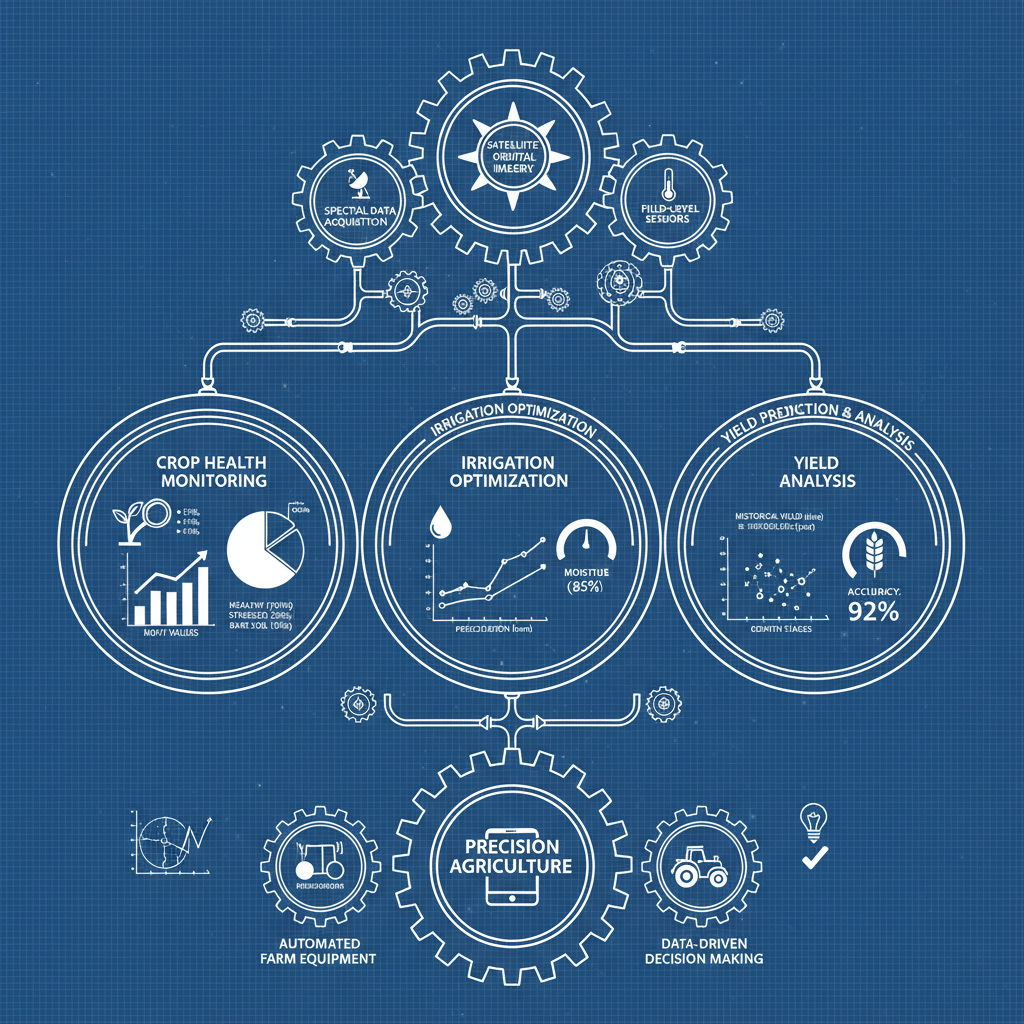
Crop Health Monitoring: Identifying areas of stress or disease within fields.
Precision Irrigation: Determining optimal watering schedules based on plant water needs.
Yield Prediction: Estimating crop yields to optimize harvesting and distribution.
Field Mapping and Boundary Delineation: Creating accurate maps of fields for efficient management.
Insurance and Risk Assessment: Evaluating crop damage for insurance claims.
Fertilizer Management: Optimizing fertilizer application to maximize nutrient uptake and minimize environmental impact.
Application Breakdown:
• Crop health monitoring enhances early disease detection.
• Precision irrigation conserves water and improves crop quality.
• Yield prediction streamlines supply chain management.
• Optimized fertilizer application reduces environmental impact.
Satellite Images Used for Agriculture: Comparing Different Data Sources
Several types of satellite imagery are available, each with its own strengths and weaknesses. The choice of data source depends on the specific application and budget. Here's a comparison of some common options:
The Future of Satellite Imagery in Agriculture
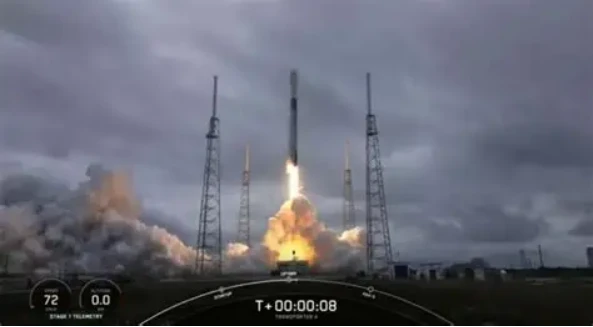
The future of satellite imagery in agriculture is incredibly promising. Advancements in technology are leading to higher resolution imagery, more frequent revisit times, and the integration of artificial intelligence (AI) and machine learning (ML). AI/ML algorithms can analyze vast amounts of satellite data to identify patterns and predict outcomes with greater accuracy. This allows for even more precise and proactive agricultural management. Furthermore, the decreasing cost of satellite data and the increasing availability of user-friendly platforms are making this technology accessible to a wider range of farmers and agricultural professionals. Companies like Space-Navi are at the forefront of these innovations, providing cutting-edge solutions for agricultural monitoring and analysis.
Conclusion: Embracing the Power of Satellite Technology
Investing in a Sustainable Future
The use of satellite images in agriculture is no longer a futuristic concept; it's a vital tool for modern farming. By leveraging the power of satellite data, farmers can improve efficiency, reduce costs, and promote sustainable agricultural practices. As technology continues to advance, the potential of satellite imagery to transform the agricultural landscape will only grow. Embracing these technologies is crucial for ensuring food security and environmental sustainability for future generations.
Frequently Asked Questions (FAQs)
What types of crops benefit the most from satellite imagery analysis?
While all crops can benefit, large-scale commodity crops like corn, soybeans, wheat, and rice see the most significant advantages. Satellite imagery allows for the monitoring of vast fields, identification of stress factors, and optimization of irrigation and fertilization. However, specialty crops like vineyards, orchards, and vegetable farms also benefit greatly from the precision offered by satellite data, allowing for targeted interventions and improved quality control. The key is the ability to monitor variability within the field, regardless of the crop type.
How accurate are yield predictions based on satellite imagery?
The accuracy of yield predictions depends on several factors, including the quality of the imagery, the sophistication of the analysis algorithms, and the specific crop and region. However, with advancements in AI and ML, yield predictions have become increasingly accurate, often achieving accuracy rates of 80-90%. These predictions are valuable for supply chain planning, marketing, and price forecasting. It’s important to note that these are estimates and should be used in conjunction with other data sources and expert knowledge.
What is the role of NDVI in agricultural applications?
NDVI, or Normalized Difference Vegetation Index, is a key metric derived from satellite imagery. It measures the greenness of vegetation, indicating plant health and vigor. Healthy plants absorb most visible light and reflect more near-infrared light, resulting in a higher NDVI value. Lower NDVI values can indicate stress due to drought, disease, or nutrient deficiencies. NDVI is widely used for crop monitoring, yield estimation, and identifying areas that require attention. Space-Navi utilizes NDVI and other vegetation indices for comprehensive agricultural analysis.
Is satellite imagery a cost-effective solution for small farmers?
Traditionally, the cost of satellite imagery and analysis was a barrier for small farmers. However, the increasing availability of free data sources like Landsat and Sentinel-2, along with the emergence of affordable data analysis platforms, are making this technology more accessible. Furthermore, the benefits of optimized resource allocation and increased yields can often outweigh the costs, even for small-scale operations. Cloud-based services and subscription models are also lowering the barrier to entry, making it a cost-effective solution.