Satellite Remote Sensing Data: Precision for Environmental & Disaster Management
The Transformative Power of Satellite Remote Sensing Data in Modern Industries
In an era defined by rapid technological advancement and increasing demands for real-time, actionable intelligence, satellite remote sensing data has emerged as an indispensable asset across a multitude of sectors. This advanced geospatial information provides an unparalleled perspective on our planet, enabling comprehensive monitoring, analysis, and strategic decision-making. From meticulous environmental data monitoring to critical disaster management, the insights derived from satellite imagery are reshaping operational strategies and fostering sustainable practices for businesses and governmental organizations alike.
The global market for advanced geospatial intelligence is experiencing robust growth, driven by innovations in sensor technology, increased satellite launches, and the pervasive need for precise, large-scale observational capabilities. Industries such as petrochemicals, metallurgy, water supply & drainage, agriculture, and urban planning are increasingly leveraging this technology to enhance efficiency, mitigate risks, and comply with stringent regulatory standards. Understanding the intricacies of data acquisition, processing, and application is paramount for B2B decision-makers seeking to harness its full potential.
Acquisition and Processing Pipeline of Satellite Remote Sensing Data
The generation of actionable satellite remote sensing data involves a sophisticated, multi-stage process, beginning with the acquisition from space-borne platforms and culminating in refined data products ready for analysis. This process can be conceptualized as a highly technical "manufacturing" pipeline for information.
1. Data Acquisition: Sensors and Platforms
The primary 'materials' for this data are electromagnetic radiation and sensor capabilities. Data is captured by various types of sensors mounted on satellite platforms operating in Earth orbit.
- Platforms: Low Earth Orbit (LEO) satellites provide high spatial resolution and frequent revisit times, while Geostationary Earth Orbit (GEO) satellites offer continuous monitoring over a fixed area.
- Sensor Types:
- Optical Sensors: Passive sensors measuring reflected sunlight (e.g., multispectral, hyperspectral) are crucial for land cover classification, vegetation analysis, and water quality.
- Synthetic Aperture Radar (SAR): Active sensors emitting and receiving microwave signals, ideal for all-weather, day-and-night monitoring, and penetration of vegetation or clouds, essential for flood mapping and structural integrity assessment.
- Lidar: Active sensors using laser pulses to create highly accurate 3D models of terrain and structures, valuable for forestry and urban planning.
2. Data Pre-processing and Refinement
Once raw data is downlinked, it undergoes a series of complex processing steps to transform it into usable formats, ensuring accuracy and consistency. These processes are analogous to precision machining in manufacturing.
- Radiometric Correction: This step calibrates sensor responses, removing noise and converting digital numbers into physically meaningful units like radiance or reflectance. It ensures consistency across different acquisitions and sensors, akin to material purity checks.
- Geometric Correction & Orthorectification: Correcting geometric distortions introduced by sensor optics, Earth's curvature, and terrain relief. Orthorectification aligns imagery to a precise map projection, ensuring positional accuracy comparable to ISO GPS standards.
- Atmospheric Correction: Removing the effects of atmospheric scattering and absorption (e.g., haze, clouds) to derive true surface reflectance values. This is critical for quantitative analysis and time-series comparisons of environmental data.
- Image Registration: Aligning multiple images of the same area taken at different times or by different sensors to sub-pixel accuracy. This is a critical step for change detection and multi-temporal analysis, ensuring that all data layers are perfectly superimposed.
3. Data Products and Quality Standards
Processed data is then categorized into various levels (e.g., Level 0 - raw, Level 1 - radiometrically corrected, Level 2 - atmospherically and geometrically corrected, Level 3/4 - derived products like land cover maps or biomass estimates). Data quality is rigorously tested against international standards like ISO 19115 (Geographic Information – Metadata) and ISO 19157 (Geographic Information – Data Quality) to ensure reliability and interoperability. The "service life" of this data is effectively indefinite, as properly archived and accessible data remains valuable for historical analysis and long-term trend monitoring across target industries such as petrochemical, metallurgy, water supply & drainage.
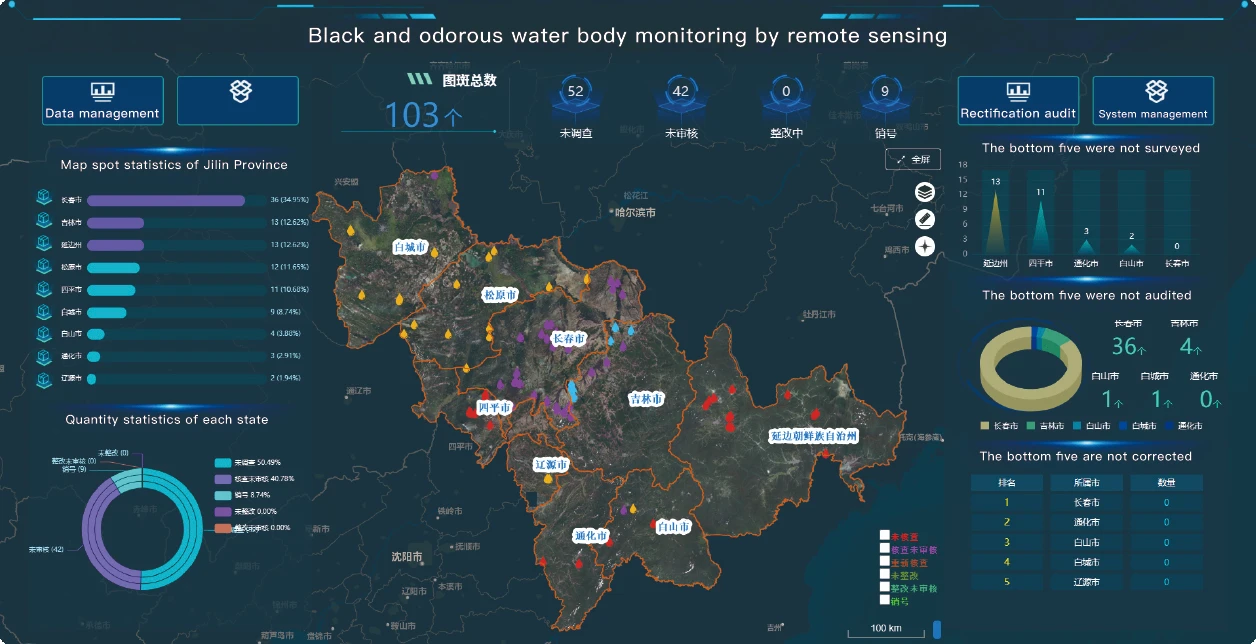
Key Technical Specifications of Satellite Remote Sensing Data
The utility and applicability of satellite remote sensing data are fundamentally defined by its technical specifications. Understanding these parameters is crucial for selecting the appropriate data for specific B2B applications, from precise infrastructure monitoring to broad-scale environmental assessments.
- Spatial Resolution: The smallest discernible feature on the Earth's surface (e.g., 0.3m for very high resolution, 10-30m for medium resolution).
- Spectral Resolution: The number and width of spectral bands a sensor can detect, influencing its ability to differentiate materials (e.g., multispectral for land cover, hyperspectral for detailed material identification).
- Temporal Resolution (Revisit Time): How frequently a satellite can acquire imagery of the same area. This is vital for change detection and dynamic monitoring, ranging from sub-daily to several weeks.
- Radiometric Resolution: The sensor's ability to distinguish between subtle differences in signal intensity, often expressed in bits (e.g., 8-bit, 12-bit, 16-bit). Higher radiometric resolution allows for more nuanced analysis of surface features.
- Data Latency: The time elapsed between data acquisition and its availability to end-users, a critical factor for real-time applications like disaster management.
Product Specification Table: Representative Satellite Sensor Parameters
| Sensor/Platform | Spatial Resolution (m) | Spectral Bands | Revisit Time (Days) | Radiometric Resolution (bits) |
|---|---|---|---|---|
| Sentinel-2 (ESA) | 10, 20, 60 | 13 (Visible, NIR, SWIR) | 5-6 (at equator) | 12 |
| Landsat 8/9 (USGS/NASA) | 15 (Pan), 30 (Multispectral), 100 (Thermal) | 11 (Visible, NIR, SWIR, Thermal) | 16 | 12 |
| PlanetScope (Planet) | 3-5 | 4-8 (Visible, NIR) | Daily to sub-daily | 12 |
| TerraSAR-X (Airbus) | 0.25 - 18 | SAR (X-band) | 11 (targetable) | 16 |
Versatile Application Scenarios for Satellite Remote Sensing Data
The diverse capabilities of satellite remote sensing data translate into a vast array of application scenarios, offering significant value to industries focused on sustainability, operational efficiency, and risk mitigation.
Environmental Data Monitoring and Conservation
Environmental data derived from satellites is crucial for understanding and managing our planet's ecosystems. This includes:
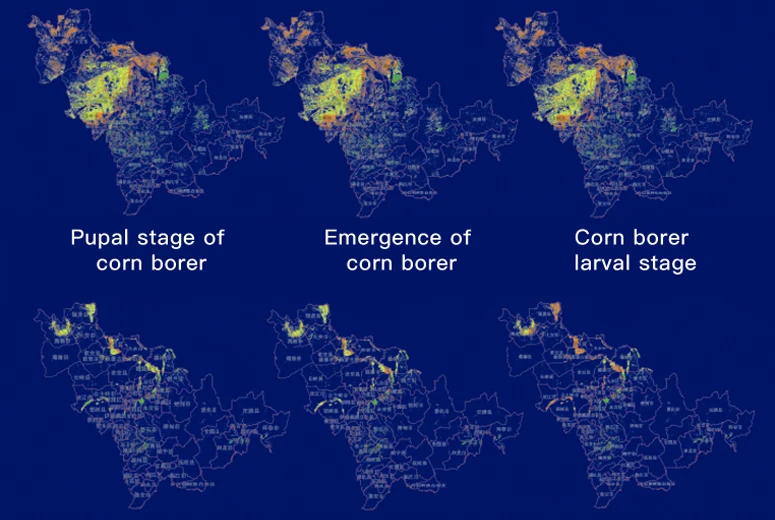
- Deforestation & Land-Use Change: Tracking forest cover loss, identifying illegal logging, and monitoring reforestation efforts. This supports compliance with environmental regulations and carbon accounting.
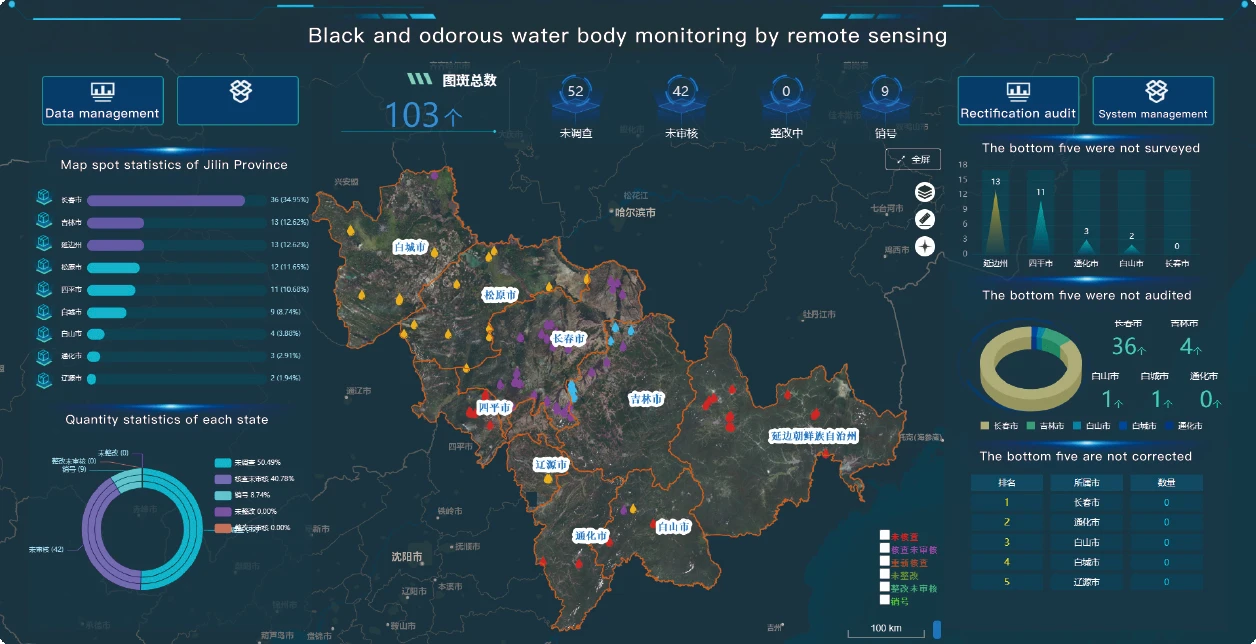
- Water Quality & Resources: Assessing water turbidity, algal blooms, and reservoir levels in large bodies of water. This aids in managing water supply & drainage systems and ensuring ecological health.
- Air Quality Monitoring: Detecting and quantifying atmospheric pollutants (e.g., NO2, SO2) over industrial areas, supporting regulatory compliance for petrochemical and metallurgy industries.
- Biodiversity & Habitat Mapping: Identifying and monitoring critical habitats, supporting conservation efforts and ecological impact assessments.
Disaster Management and Emergency Response
In times of crisis, timely and accurate satellite-derived information is invaluable for disaster management, providing a bird's-eye view of affected areas and guiding response efforts.
- Flood Mapping & Damage Assessment: Rapidly delineating flooded areas and assessing infrastructure damage, aiding rescue operations and recovery planning. SAR data is particularly effective here due to its cloud-penetrating capability.
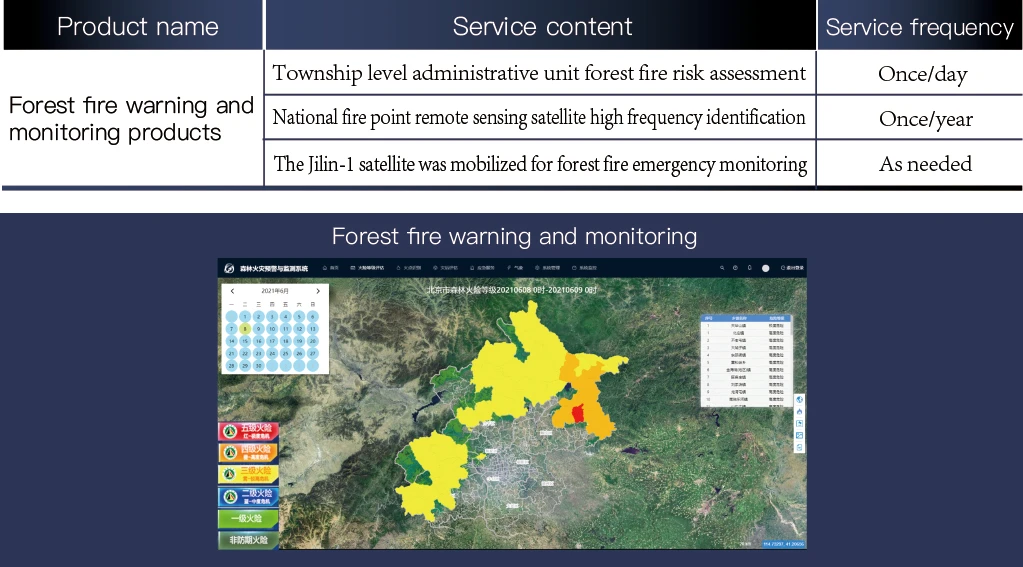
- Wildfire Detection & Monitoring: Identifying active fires, mapping burn scars, and tracking fire progression, supporting fire suppression and post-fire rehabilitation.
- Earthquake & Landslide Monitoring: Using InSAR (Interferometric SAR) techniques to detect ground deformation with millimeter-level precision, crucial for assessing structural stability and identifying potential risks in critical infrastructure.
- Oil Spill Detection: Identifying and tracking oil spills on water surfaces, facilitating containment and cleanup operations.
Industrial and Infrastructure Monitoring
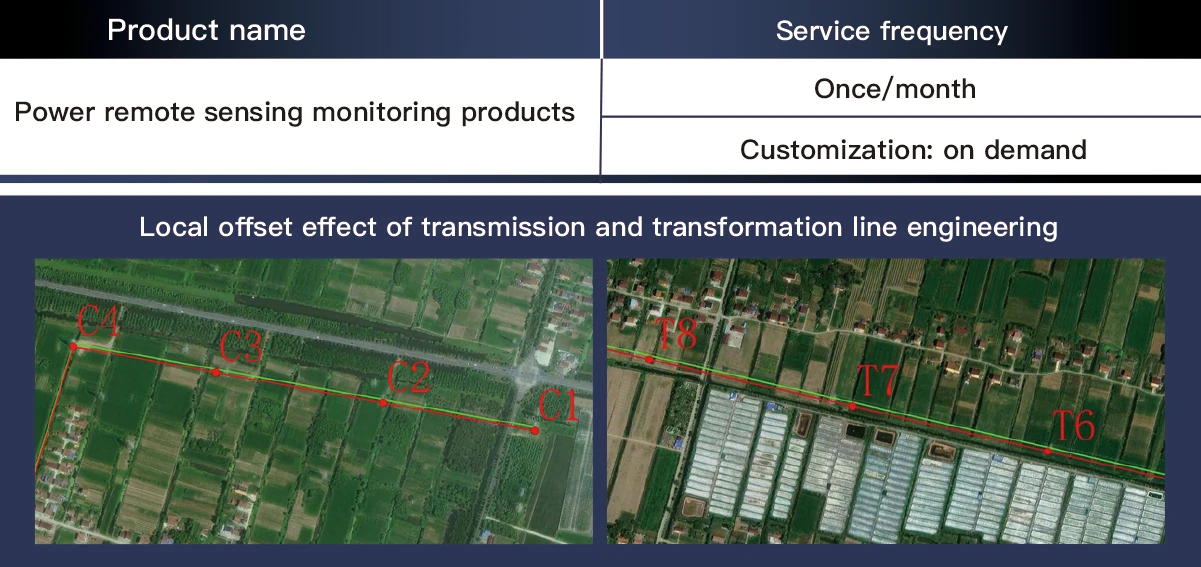
- Energy Sector: Monitoring pipelines for leaks, assessing solar farm efficiency, and planning for new energy infrastructure.
- Mining: Monitoring excavation sites, tailings dams, and environmental impacts of mining operations.
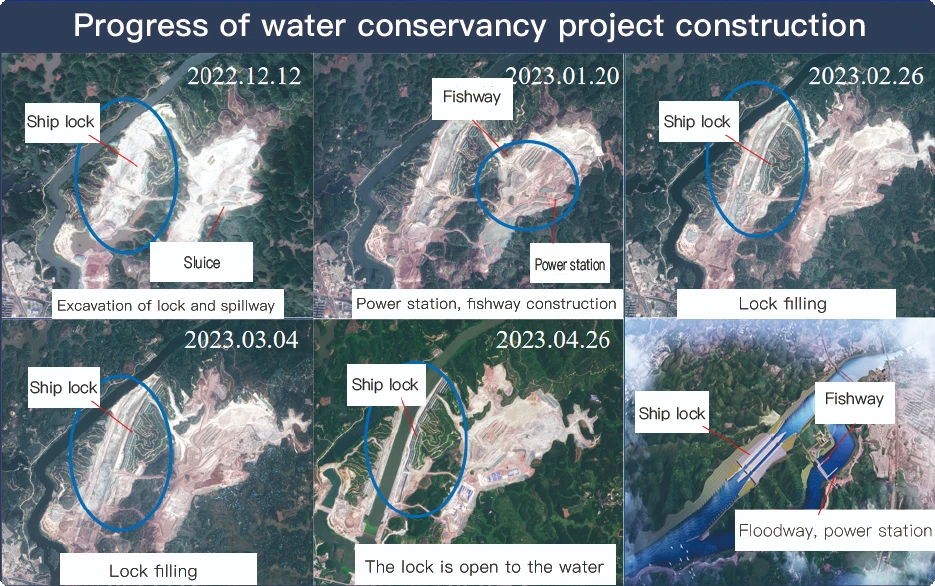
- Urban Development: Tracking urban sprawl, monitoring construction progress, and assessing changes in impervious surfaces.
Technical Advantages of Leveraging Satellite Remote Sensing Data
The inherent capabilities of satellite remote sensing data offer distinct technical advantages over traditional ground-based survey methods or aerial photography, making it a superior choice for many B2B operations.
- Unprecedented Scale and Coverage: Satellites can cover vast, geographically dispersed areas, including remote or inaccessible regions, efficiently and cost-effectively. A single satellite pass can capture data for thousands of square kilometers.
- Frequent and Consistent Monitoring: With constellations of satellites providing daily to sub-daily revisit times, continuous monitoring of dynamic phenomena is possible, enabling timely detection of changes and trend analysis.
- Non-Intrusive and Safe Data Acquisition: Data is collected remotely, eliminating the need for hazardous on-site inspections in dangerous environments or politically sensitive areas, enhancing worker safety and reducing operational risks.
- Multi-Spectral and Multi-Temporal Analysis: The ability to collect data across various electromagnetic spectrum bands (e.g., visible, near-infrared, shortwave-infrared) provides unique insights into surface properties, vegetation health, and material composition. Historical archives allow for robust multi-temporal analysis, revealing long-term patterns and anomalies.
- Cost-Effectiveness at Scale: While initial investment in satellite infrastructure is high, the per-unit cost of data over large areas, especially for repeat monitoring, is significantly lower than deploying ground crews or manned aircraft. This contributes to energy saving and optimizes resource allocation.
- Standardized Data Products: Processed satellite data adheres to global standards, ensuring interoperability and comparability across different projects and regions, which is vital for multinational corporations and regulatory bodies.
Vendor Comparison: Navigating the Satellite Data Landscape
The market for satellite data is characterized by a diverse ecosystem of data providers, each offering unique strengths in terms of resolution, coverage, revisit rates, and pricing models. Selecting the right vendor and data source requires careful consideration of project-specific needs.
Key Considerations for Vendor Selection
- Data Resolution Requirements: Do you need sub-meter imagery for asset-level monitoring or medium resolution for regional analysis?
- Temporal Frequency: Is daily monitoring critical for your application (e.g., disaster response), or are weekly/monthly updates sufficient?
- Spectral Band Requirements: Are specific bands (e.g., thermal, red-edge) necessary for your analysis (e.g., vegetation stress, heat detection)?
- Coverage Area and Archival Depth: Do you need global coverage or specific regional data? Is historical data crucial for your analysis?
- Cost Model and Licensing: Understand whether pricing is per square kilometer, subscription-based, or by tasking.
Vendor and Platform Comparison Table
| Provider/Platform | Primary Data Type | Typical Spatial Resolution | Revisit Frequency | Access Model |
|---|---|---|---|---|
| ESA Copernicus (Sentinel) | Optical, SAR | 10m-1km | 1-6 days | Open & Free |
| USGS (Landsat) | Optical, Thermal | 15-100m | 16 days | Open & Free |
| Planet Labs (PlanetScope, SkySat) | Optical (VHR & HR) | 0.5m-5m | Daily to sub-daily | Commercial (Subscription/Area) |
| Maxar Technologies (WorldView, GeoEye) | Optical (VHR) | 0.3m-0.5m | Daily (targetable) | Commercial (Tasking/Archive) |
| Airbus Defence and Space (TerraSAR-X, Pleiades) | SAR, Optical (VHR) | 0.25m-18m (SAR), 0.5m (Optical) | Daily (targetable) | Commercial (Tasking/Archive) |
While open-source data like Sentinel and Landsat provide excellent foundational datasets for broad applications, commercial providers excel in offering very high-resolution imagery and flexible tasking capabilities, crucial for specific industrial monitoring and detailed asset management.
Customized Solutions for Satellite Remote Sensing Data Integration
For businesses requiring more than off-the-shelf data, customized solutions are paramount. Providers like SpaceNavi specialize in tailoring satellite remote sensing data to meet unique operational requirements, particularly for Environment Protection Field Application.
Our approach involves a comprehensive understanding of your specific challenges and objectives, followed by the design and implementation of an integrated solution. This typically includes:
- Requirements Analysis: Defining optimal data sources, resolutions, and temporal frequencies based on your specific use case (e.g., precision agriculture, leak detection in pipelines, water quality monitoring).
- Tailored Data Acquisition & Processing: Custom tasking of satellites for specific areas of interest, followed by advanced processing pipelines (including specific image registration algorithms) to generate highly accurate and application-ready products.
- Advanced Analytics & Interpretation: Developing proprietary algorithms for anomaly detection, change analysis, and feature extraction relevant to your industry (e.g., quantifying corrosion risk, biomass estimation, identifying early signs of environmental stress).
- Integration with Existing Data Acquisition System: Seamless integration of satellite-derived insights into your current operational platforms, GIS systems, or data acquisition systems, ensuring a cohesive and efficient workflow.
- Custom Reporting & Visualization: Delivering insights through intuitive dashboards, detailed reports, and alerts, optimized for your decision-making processes.
Our solutions are designed to provide not just data, but actionable intelligence that drives efficiency, improves environmental compliance, and enhances overall operational resilience, ensuring advantages like corrosion resistance and energy saving in your field applications.
Application Case Studies: Satellite Remote Sensing Data in Action
Real-world applications demonstrate the profound impact of satellite-derived insights in tackling complex B2B challenges.
Case Study 1: Large-Scale Environmental Data Monitoring for a Petrochemical Complex
- Challenge: A major petrochemical company needed to continuously monitor its vast complex and surrounding areas for potential environmental impacts, including effluent discharge, air quality, and land-use changes, to ensure compliance with strict ISO 14001 environmental management standards. Traditional ground surveys were costly, time-consuming, and provided limited spatial coverage.
- Solution: Implementation of a custom solution utilizing a combination of high-resolution optical and SAR imagery with daily to weekly revisit times. The system was integrated with their existing data acquisition system to provide automated alerts. Algorithms were developed to detect changes in water turbidity, vegetation stress (indicating potential leaks or spills), and atmospheric gas concentrations, thus providing critical environmental data.
- Outcome: The company achieved proactive environmental monitoring, significantly reducing the response time to potential incidents. Early detection of minor effluent anomalies prevented larger environmental liabilities. Compliance reporting became more accurate and efficient, backed by verifiable satellite data. The solution demonstrated enhanced operational efficiency and resource saving, contributing to the company's commitment to environmental stewardship.
Case Study 2: Rapid Disaster Management for Post-Hurricane Infrastructure Assessment
- Challenge: Following a devastating hurricane, a utility company faced the immense challenge of assessing damage to power lines, substations, and other critical infrastructure across a large, often inaccessible, rural region. Ground teams were hampered by debris and impassable roads, delaying restoration efforts.
- Solution: A rapid response disaster management solution was deployed using very high-resolution (VHR) optical imagery acquired within 24-48 hours post-event. Advanced change detection and object recognition algorithms were applied to identify damaged infrastructure, including downed power lines, compromised utility poles, and flooded substations.
- Outcome: The utility company gained an immediate, comprehensive overview of the damage, allowing them to prioritize repair efforts and strategically deploy ground crews. This reduced infrastructure downtime by an estimated 30%, saving millions in recovery costs and accelerating service restoration to affected communities. The solution proved critical for efficient resource allocation and improved safety for response teams.
Frequently Asked Questions (FAQ) about Satellite Remote Sensing Data
Q: What is the typical lead time for acquiring new satellite data?
A: Lead times vary significantly based on the sensor, desired resolution, and area of interest. For existing archive data, it can be hours to days. For new tasking of high-resolution imagery, it might range from 3-7 days, depending on weather conditions, satellite availability, and target priority. Urgent disaster management requests can often be expedited.
Q: How accurate is the remote sensing data?
A: The accuracy of the data depends on several factors, including sensor type, resolution, and the level of post-processing (e.g., orthorectification). High-resolution imagery can achieve sub-meter absolute positional accuracy. Data quality is often certified against standards like ISO 19157, ensuring verifiable precision for B2B applications.
Q: Can satellite data penetrate clouds or vegetation?
A: Optical satellite data is largely obstructed by clouds, though some penetration of thin haze is possible. However, Synthetic Aperture Radar (SAR) data can penetrate clouds, smoke, and even some vegetation cover, making it invaluable for all-weather monitoring and applications like forest structure analysis or flood mapping. Lidar data can also penetrate forest canopy to map underlying terrain.
Q: How can environmental data from satellites be integrated into our existing data acquisition system?
A: Modern satellite data providers offer various APIs, web services (WMS/WCS), and data formats (GeoTIFF, NetCDF, HDF5) that facilitate seamless integration. Our customized solutions include expert assistance in designing and implementing robust integration strategies, ensuring that satellite-derived insights flow directly into your operational data acquisition systems for real-time decision support.
Commitment to Service: Lead Time, Warranty, and After-Sales Support
Our dedication extends beyond merely providing geospatial data. We understand that reliable service, transparent commitments, and robust support are critical for B2B clients.
- Lead Time & Fulfillment: We strive for efficiency in data delivery. For existing archival data, fulfillment typically occurs within 24-48 hours. For new satellite tasking, a lead time of 3-7 business days is standard, subject to weather conditions and satellite schedules. Critical disaster management requests are prioritized with expedited processing pathways. All delivery timelines are clearly communicated and agreed upon during the solution design phase.
- Warranty & Data Quality Assurance: We guarantee the quality and accuracy of our derived environmental data and all data products, adhering to industry-leading standards (e.g., ISO 19157 for data quality). Our warranty covers data completeness, geometric and radiometric accuracy as per agreed-upon specifications. In the unlikely event of data failing to meet these standards, we commit to reprocessing or providing alternative suitable data at no additional cost.
- Comprehensive After-Sales Support: Our expert technical support team is available to assist with data integration, interpretation, and troubleshooting. We offer various support packages, including dedicated account managers, technical training sessions, and ongoing consultation to ensure you maximize the value from your satellite remote sensing data investment. Our commitment to client satisfaction is a cornerstone of our service, reflected in our long-standing relationships with partner clients and years of dedicated service in the geospatial industry.
Authoritative References
- European Space Agency (ESA) Copernicus Programme. Available at: https://www.copernicus.eu/
- U.S. Geological Survey (USGS) Landsat Program. Available at: https://landsat.gsfc.nasa.gov/
- International Organization for Standardization (ISO) – Geographic Information Standards. Available at: https://www.iso.org/standards/tg_data_28122.html
- Committee on Earth Observation Satellites (CEOS). Available at: https://ceos.org/