- Afrikaans
- Albanian
- Amharic
- Arabic
- Armenian
- Azerbaijani
- Basque
- Belarusian
- Bengali
- Bosnian
- Bulgarian
- Catalan
- Cebuano
- China
- Corsican
- Croatian
- Czech
- Danish
- Dutch
- English
- Esperanto
- Estonian
- Finnish
- French
- Frisian
- Galician
- Georgian
- German
- Greek
- Gujarati
- Haitian Creole
- hausa
- hawaiian
- Hebrew
- Hindi
- Miao
- Hungarian
- Icelandic
- igbo
- Indonesian
- irish
- Italian
- Japanese
- Javanese
- Kannada
- kazakh
- Khmer
- Rwandese
- Korean
- Kurdish
- Kyrgyz
- Lao
- Latin
- Latvian
- Lithuanian
- Luxembourgish
- Macedonian
- Malgashi
- Malay
- Malayalam
- Maltese
- Maori
- Marathi
- Mongolian
- Myanmar
- Nepali
- Norwegian
- Norwegian
- Occitan
- Pashto
- Persian
- Polish
- Portuguese
- Punjabi
- Romanian
- Russian
- Samoan
- Scottish Gaelic
- Serbian
- Sesotho
- Shona
- Sindhi
- Sinhala
- Slovak
- Slovenian
- Somali
- Spanish
- Sundanese
- Swahili
- Swedish
- Tagalog
- Tajik
- Tamil
- Tatar
- Telugu
- Thai
- Turkish
- Turkmen
- Ukrainian
- Urdu
- Uighur
- Uzbek
- Vietnamese
- Welsh
- Bantu
- Yiddish
- Yoruba
- Zulu
UAV
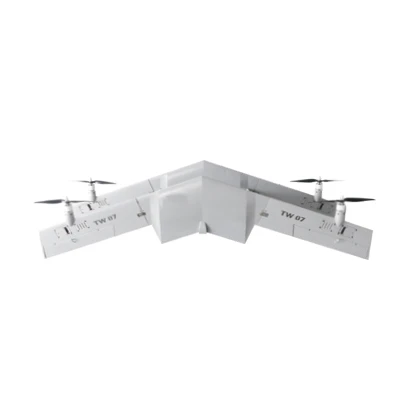
A UAV (Unmanned Aerial Vehicle), commonly known as a drone, is an aircraft that operates without a human pilot onboard. Some models, such as those with VTOL capabilities, can take off and land vertically, making them especially useful in constrained environments. UAVs are widely used in industries such as defense, agriculture, logistics, and aerial photography, offering efficient, cost-effective, and innovative solutions for various applications.
اپنی ایپلی کیشنز کے لیے اعلیٰ کارکردگی والے UAVs تلاش کر رہے ہیں؟
پیشہ ورانہ طور پر پریمیئر طاق بازاروں کے ذریعے وسائل پر ٹیکس لگانے والے تعلقات کو مکمل طور پر ہم آہنگ کریں۔
ہم سے رابطہ کریں۔UAVs کی مختلف اقسام اور ان کی ایپلی کیشنز کیا ہیں؟
UAVs ان کے سائز، رینج، اور فنکشن کی بنیاد پر مختلف اقسام میں آتے ہیں، ہر ایک کو مخصوص ایپلی کیشنز کے لیے ڈیزائن کیا گیا ہے۔ سب سے زیادہ عام زمروں میں فکسڈ ونگ UAVs، روٹری-ونگ UAVs، ہائبرڈ UAVs، اور زیادہ اونچائی والے طویل برداشت (HALE) UAVs شامل ہیں۔
فکسڈ ونگ UAVs روایتی ہوائی جہازوں سے مشابہت رکھتے ہیں اور ان کی طویل پرواز برداشت اور تیز رفتار صلاحیتوں کے لیے جانا جاتا ہے۔ یہ UAVs بڑے پیمانے پر نقشہ سازی، نگرانی اور ماحولیاتی نگرانی کے لیے استعمال ہوتے ہیں، کیونکہ یہ بڑے علاقوں کو مؤثر طریقے سے کور کر سکتے ہیں۔ وہ عام طور پر زراعت میں فصلوں کی نگرانی کے لیے، متاثرہ علاقوں کا اندازہ لگانے کے لیے ڈیزاسٹر مینجمنٹ میں، اور جاسوسی مشن کے لیے فوجی آپریشن میں تعینات ہوتے ہیں۔
روٹری ونگ UAVs، جس میں کواڈ کاپٹر اور ہیلی کاپٹر شامل ہیں، زیادہ چالاکیت اور جگہ پر منڈلانے کی صلاحیت پیش کرتے ہیں۔ یہ UAVs فضائی فوٹو گرافی، حقیقی وقت کی نگرانی، اور ترسیل کی خدمات کے لیے مثالی ہیں۔ ان کی عمودی ٹیک آف اور لینڈنگ (VTOL) کی صلاحیتوں کی وجہ سے، یہ بڑے پیمانے پر شہری علاقوں میں استعمال ہوتے ہیں جہاں جگہ محدود ہے۔ پولیس اور ایمرجنسی رسپانس ٹیمیں ٹریفک کی نگرانی، مشتبہ افراد کا سراغ لگانے اور امدادی کارروائیوں میں فضائی مدد فراہم کرنے کے لیے روٹری ونگ UAVs کا استعمال کرتی ہیں۔
ہائبرڈ UAVs فکسڈ ونگ اور روٹری ونگ UAVs دونوں کی خصوصیات کو یکجا کرتے ہیں، جس سے وہ عمودی طور پر ٹیک آف کر سکتے ہیں اور توسیعی رینج اور کارکردگی کے لیے آگے کی پرواز میں منتقل ہو سکتے ہیں۔ یہ UAVs ان ایپلی کیشنز میں استعمال ہوتے ہیں جہاں لچک کی ضرورت ہوتی ہے، جیسے کارگو ٹرانسپورٹ اور طویل فاصلے تک نگرانی۔
ہائی-اونچائی طویل برداشت (HALE) UAVs کو اونچائی پر توسیعی مشنوں کے لیے ڈیزائن کیا گیا ہے۔ یہ UAVs بنیادی طور پر ملٹری انٹیلی جنس، موسم کی نگرانی اور سائنسی تحقیق کے لیے استعمال ہوتے ہیں۔ اعلی درجے کے سینسروں سے لیس، وہ دنوں یا ہفتوں تک ہوا میں رہ سکتے ہیں، وسیع علاقوں میں ریئل ٹائم ڈیٹا اکٹھا کرتے ہیں۔
UAV ٹیکنالوجی میں مسلسل ترقی کے ساتھ، خود مختار ڈرون کی ترسیل سے لے کر جدید فوجی کارروائیوں تک، ان کی ایپلی کیشنز تیزی سے پھیل رہی ہیں۔ AI کا انضمام، بہتر بیٹری کی زندگی، اور بہتر مواصلاتی نظام مستقبل میں UAV کی صلاحیتوں کو مزید بڑھا دے گا۔
What Is the Difference Between a UAV, Drone, And UAS?
Understanding the distinctions between a UAV, drone, and UAS is important for anyone involved in aerial operations or technology acquisition. A UAV (Unmanned Aerial Vehicle) specifically refers to the aircraft itself—an aerial vehicle operated without an onboard human pilot. In contrast, the term drone is a more informal and popular phrase that people commonly use to describe any unmanned flying machine, whether remotely piloted or fully autonomous. The terminology tends to overlap in everyday conversations but can vary depending on the context.
Expanding beyond just the vehicle, a UAS (Unmanned Aircraft System) includes the UAV along with its ground control stations, communication links, data processing equipment, and all supporting elements needed for its operation. This means when you purchase or deploy a UAS, you are acquiring an entire ecosystem designed for effective mission execution—from takeoff to data collection and control.
In practical terms, if you are considering purchasing a Dual-all-wing VTOL UAV or a twin tail drone, you’re likely looking at components that fit into a broader UAS setup, which enables autonomous and remote operations, supports modular payloads, and provides real-time data transmission. Understanding these differences helps operators select the best equipment for their mission needs, whether for surveillance, mapping, or industrial inspections. Manufacturers like SpaceNavi Co., Ltd recommend choosing systems where these parts work seamlessly together to optimize performance, efficiency, and operational flexibility.
How Does a Dual-All-Wing Vtol UAV Improve Operational Flexibility?
The Dual-all-wing VTOL UAV design represents an innovative fusion between the capabilities of fixed-wing aircraft and the maneuverability of rotary-wing drones. Traditional fixed-wing UAVs require runways or catapult launchers for takeoff and landing, which limits where and how they can be deployed. In contrast, VTOL drones with dual all-wing configurations offer the ability to take off and land vertically in tight spaces without needing runways, vastly improving their operational flexibility.
This means the drone can be rapidly deployed in urban environments, rugged terrains, or disaster zones, where runway access is impossible or impractical. Additionally, the aerodynamic efficiency of the all-wing design provides longer flight endurance compared to multirotor drones, enabling extended mission durations with optimized fuel consumption and lightweight construction.
The twin tail drone design enhances stability and control, especially when dealing with varying wind conditions. This improved wind resistance level is crucial during high-altitude operations or in areas with unpredictable weather, ensuring safe flight and accurate data collection. Moreover, many of these VTOL UAVs support multi-payload capability, allowing operators to switch between cameras, sensors, or communication modules as needed, maximizing mission versatility. Real-time data transmission features further enable seamless monitoring and analysis during flight, making such UAVs indispensable tools for modern aerial operations.
What Role Does Wind Resistance Level Play in Uav Performance?
Wind resistance is one of the most important performance metrics for any UAV, and it becomes especially critical for vertical take-off and landing drones operating outdoors in a wide range of weather conditions. When drones face gusty winds or turbulent airflow, their ability to maintain stable flight, precise control, and accurate navigation can be significantly challenged. This factor, often measured as the drone’s wind resistance level, directly affects mission success, particularly for tasks that demand long endurance or take place in exposed, high-altitude environments where wind speeds are unpredictable and often strong.
For example, a Dual-all-wing VTOL UAV used in environmental monitoring or search and rescue operations must reliably hover, maneuver, or cruise despite sudden wind shifts. Without sufficient wind resistance, the drone risks losing control or deviating from its flight path, which can interrupt data transmission or cause mission failure. In contrast, drones designed with superior aerodynamic features and high wind resistance maintain smooth flight dynamics, requiring less corrective power from motors and therefore conserving battery or fuel—critical during extended flights.
Specifically, advanced UAV designs such as twin tail drones incorporate structural reinforcements and aerodynamic efficiencies that minimize drag and improve stability under windy conditions. These design elements allow for seamless transitions between hovering—needed during vertical takeoff or precise positioning—and forward flight, often required for long-distance travel. Such aerodynamic stability also means these UAVs can safely carry heavier or asymmetrical payloads without negatively affecting flight control, making them versatile for multi-payload missions.
When selecting a UAV, buyers should pay close attention to the manufacturer’s published wind resistance level ratings and seek real-world performance data or test results reflecting operation in challenging weather. Reliable manufacturers focus on balancing lightweight construction with rugged materials and design innovations that ensure both durability and aerodynamic resilience. This balance is essential to provide operators with confidence that their UAV can withstand the elements and perform consistently across diverse mission profiles, from urban infrastructure inspections to high-altitude surveillance.
In summary, wind resistance is not just a technical specification but a key factor influencing UAV operational reliability, safety, and efficiency. Choosing a UAV optimized for high wind resistance ultimately leads to longer, safer missions with higher quality data collection and less downtime, especially when dealing with vertical take-off and landing drones like Dual-all-wing VTOL UAVs or twin tail drones.
What Makes VTOL UAVs Superior in Restricted or Urban Environments?
VTOL UAVs provide unparalleled advantages in restricted or urban environments where space for takeoff and landing is extremely limited or non-existent. Unlike traditional fixed-wing UAVs that require runways or large open areas, vertical take-off and landing drones have the unique capability to ascend and descend vertically, enabling operation from rooftops, narrow alleyways, parking lots, or even moving vehicles. This vertical lift capability transforms how aerial missions are conducted in dense urban settings, disaster zones, and complex industrial sites where accessibility is a major challenge.
Their compact footprint and the ability to hover make VTOL drones particularly suitable for infrastructure inspection—such as bridges, power lines, and skyscrapers—where precise positioning is required. Emergency responders also rely on these drones to quickly deploy into tight spaces during search and rescue operations or disaster assessments, providing real-time situational awareness without risking human lives. Furthermore, urban surveillance benefits greatly from VTOL UAVs’ capacity to navigate congested airspace and capture detailed imagery or sensor data in areas where traditional aircraft or larger drones simply cannot operate safely.
Key to their superior performance in such demanding environments is the aerodynamic design. Many VTOL UAVs incorporate dual-all-wing configurations or twin tail drone layouts, enhancing stability and maneuverability even in turbulent urban wind conditions. A high wind resistance level allows these drones to withstand sudden gusts common in cityscapes caused by buildings and narrow streets, maintaining steady flight and precise control. This stability is essential for capturing accurate data, whether it’s high-resolution video, thermal imaging, or sensor readings during complex tasks.
Moreover, many VTOL drones feature advanced autonomous flight modes and support real-time data transmission, enabling operators to monitor missions remotely and react quickly to emerging situations. This reduces human workload and allows for more efficient mission management. The combination of vertical lift, aerodynamic efficiency, wind resistance, and intelligent control systems makes Dual-all-wing VTOL UAVs and twin tail drones the go-to choice for professionals working in urban environments or other confined areas. They deliver capabilities that traditional fixed-wing or multirotor drones simply cannot match, ensuring safe, reliable, and effective operations in some of the most challenging aerial settings.
UAVs کی اقسام اور ان کی درخواستیں۔
-
 فکسڈ ونگ UAVsطویل فاصلے کے مشنوں کے لیے ڈیزائن کیا گیا، جو نقشہ سازی، نگرانی اور زرعی نگرانی میں استعمال ہوتا ہے۔
 -
 روٹری ونگ UAVsکواڈ کاپٹر اور ہیلی کاپٹر شامل ہیں، جو فضائی فوٹو گرافی، قانون نافذ کرنے والے اداروں اور ترسیل کے لیے مثالی ہیں۔
 -
 ہائبرڈ UAVsفکسڈ ونگ اور روٹری ونگ کی صلاحیتوں کو یکجا کرتا ہے، نقل و حمل اور جاسوسی میں لچکدار استعمال کی پیشکش کرتا ہے۔
 -
 HALE UAVsموسم کی نگرانی، فوجی انٹیلی جنس، اور توسیعی نگرانی کے مشن کے لیے استعمال ہونے والے اونچائی والے ڈرون۔