- Afrikaans
- Albanian
- Amharic
- Arabic
- Armenian
- Azerbaijani
- Basque
- Belarusian
- Bengali
- Bosnian
- Bulgarian
- Catalan
- Cebuano
- China
- Corsican
- Croatian
- Czech
- Danish
- Dutch
- English
- Esperanto
- Estonian
- Finnish
- French
- Frisian
- Galician
- Georgian
- German
- Greek
- Gujarati
- Haitian Creole
- hausa
- hawaiian
- Hebrew
- Hindi
- Miao
- Hungarian
- Icelandic
- igbo
- Indonesian
- irish
- Italian
- Japanese
- Javanese
- Kannada
- kazakh
- Khmer
- Rwandese
- Korean
- Kurdish
- Kyrgyz
- Lao
- Latin
- Latvian
- Lithuanian
- Luxembourgish
- Macedonian
- Malgashi
- Malay
- Malayalam
- Maltese
- Maori
- Marathi
- Mongolian
- Myanmar
- Nepali
- Norwegian
- Norwegian
- Occitan
- Pashto
- Persian
- Polish
- Portuguese
- Punjabi
- Romanian
- Russian
- Samoan
- Scottish Gaelic
- Serbian
- Sesotho
- Shona
- Sindhi
- Sinhala
- Slovak
- Slovenian
- Somali
- Spanish
- Sundanese
- Swahili
- Swedish
- Tagalog
- Tajik
- Tamil
- Tatar
- Telugu
- Thai
- Turkish
- Turkmen
- Ukrainian
- Urdu
- Uighur
- Uzbek
- Vietnamese
- Welsh
- Bantu
- Yiddish
- Yoruba
- Zulu
УАВ
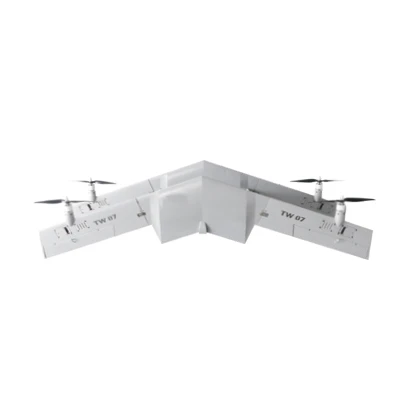
A UAV (Unmanned Aerial Vehicle), commonly known as a drone, is an aircraft that operates without a human pilot onboard. Some models, such as those with VTOL capabilities, can take off and land vertically, making them especially useful in constrained environments. UAVs are widely used in industries such as defense, agriculture, logistics, and aerial photography, offering efficient, cost-effective, and innovative solutions for various applications.
Сезнең кушымталар өчен югары җитештерүчәнле очкычлар эзлисезме?
Профессиональ базар базарлары аша ресурсларга салым мөнәсәбәтләрен тулысынча синергияләгез.
Безнең белән элемтәгә керегезОчкычларның төрле төрләре һәм аларның кулланылышы нинди?
Очкычлар зурлыгына, диапазонына, функциясенә карап төрле типта килә, һәрберсе махсус кушымталар өчен эшләнгән. Иң еш очрый торган категорияләргә каты канатлы очкычлар, әйләнүче канатлы очкычлар, гибрид очкычлар, һәм биек биеклектә озын чыдамлык (HALE) очкычлары керә.
Туры канатлы очкычлар традицион самолетларга охшаш һәм озын очыш чыдамлыгы һәм югары тизлек мөмкинлекләре белән билгеле. Бу очкычлар картография, күзәтү, әйләнә-тирә мохит мониторингы өчен киң кулланыла, чөнки алар зур мәйданнарны эффектив каплый ала. Алар гадәттә авыл хуҗалыгында уҗым культураларын мониторинглау өчен, зыян күргән төбәкләрне бәяләү өчен, разведка миссияләре өчен хәрби операцияләрдә урнаштырыла.
Квадкоптерлар һәм вертолетларны үз эченә алган әйләнүче канатлы очкычлар зуррак хәрәкәтчәнлекне һәм урында йөрү мөмкинлеген тәкъдим итә. Бу очкычлар һава фотографиясе, реаль вакытта күзәтү, җибәрү хезмәтләре өчен идеаль. Аларның вертикаль очып төшү һәм төшү (VTOL) мөмкинлекләре аркасында, алар мәйдан чикләнгән шәһәрләрдә киң кулланыла. Полиция һәм гадәттән тыш хәлләр отрядлары хәрәкәтне күзәтү, шикләнүчеләрне эзләү һәм коткару операцияләрендә һава ярдәме күрсәтү өчен әйләнүче канатлы очкычлар кулланалар.
Гибрид очкычлар тотрыклы канатлы һәм әйләнүче канатлы очкычларның үзенчәлекләрен берләштерәләр, бу вертикаль рәвештә очып китәргә һәм киңәйтелгән диапазон һәм эффективлык өчен алга очуга күчү мөмкинлеген бирә. Бу очкычлар йөк ташу һәм ерак араларга күзәтү кебек сыгылучылык кирәк булган кушымталарда кулланыла.
Биек биеклектә озын чыдамлык (HALE) очкычлары биек биеклектә киңәйтелгән миссияләр өчен эшләнгән. Бу очкычлар беренче чиратта хәрби разведка, һава торышын күзәтү, фәнни тикшеренүләр өчен кулланыла. Алга киткән сенсорлар белән җиһазландырылган, алар берничә көн, хәтта атналар дәвамында һавада йөри алалар, зур өлкәләрдә реаль вакытта мәгълүмат җыюны тәэмин итәләр.
УАВ технологиясендә өзлексез алгарыш белән, аларны куллану тиз арада киңәя, автоном пилотсыз җибәрүдән алып алдынгы хәрби операцияләргә кадәр. ЯИ интеграциясе, батарейка гомерен яхшырту, аралашу системалары киләчәктә UAV мөмкинлекләрен тагын да көчәйтәчәк.
What Is the Difference Between a UAV, Drone, And UAS?
Understanding the distinctions between a UAV, drone, and UAS is important for anyone involved in aerial operations or technology acquisition. A UAV (Unmanned Aerial Vehicle) specifically refers to the aircraft itself—an aerial vehicle operated without an onboard human pilot. In contrast, the term drone is a more informal and popular phrase that people commonly use to describe any unmanned flying machine, whether remotely piloted or fully autonomous. The terminology tends to overlap in everyday conversations but can vary depending on the context.
Expanding beyond just the vehicle, a UAS (Unmanned Aircraft System) includes the UAV along with its ground control stations, communication links, data processing equipment, and all supporting elements needed for its operation. This means when you purchase or deploy a UAS, you are acquiring an entire ecosystem designed for effective mission execution—from takeoff to data collection and control.
In practical terms, if you are considering purchasing a Dual-all-wing VTOL UAV or a twin tail drone, you’re likely looking at components that fit into a broader UAS setup, which enables autonomous and remote operations, supports modular payloads, and provides real-time data transmission. Understanding these differences helps operators select the best equipment for their mission needs, whether for surveillance, mapping, or industrial inspections. Manufacturers like SpaceNavi Co., Ltd recommend choosing systems where these parts work seamlessly together to optimize performance, efficiency, and operational flexibility.
How Does a Dual-All-Wing Vtol UAV Improve Operational Flexibility?
The Dual-all-wing VTOL UAV design represents an innovative fusion between the capabilities of fixed-wing aircraft and the maneuverability of rotary-wing drones. Traditional fixed-wing UAVs require runways or catapult launchers for takeoff and landing, which limits where and how they can be deployed. In contrast, VTOL drones with dual all-wing configurations offer the ability to take off and land vertically in tight spaces without needing runways, vastly improving their operational flexibility.
This means the drone can be rapidly deployed in urban environments, rugged terrains, or disaster zones, where runway access is impossible or impractical. Additionally, the aerodynamic efficiency of the all-wing design provides longer flight endurance compared to multirotor drones, enabling extended mission durations with optimized fuel consumption and lightweight construction.
The twin tail drone design enhances stability and control, especially when dealing with varying wind conditions. This improved wind resistance level is crucial during high-altitude operations or in areas with unpredictable weather, ensuring safe flight and accurate data collection. Moreover, many of these VTOL UAVs support multi-payload capability, allowing operators to switch between cameras, sensors, or communication modules as needed, maximizing mission versatility. Real-time data transmission features further enable seamless monitoring and analysis during flight, making such UAVs indispensable tools for modern aerial operations.
What Role Does Wind Resistance Level Play in Uav Performance?
Wind resistance is one of the most important performance metrics for any UAV, and it becomes especially critical for vertical take-off and landing drones operating outdoors in a wide range of weather conditions. When drones face gusty winds or turbulent airflow, their ability to maintain stable flight, precise control, and accurate navigation can be significantly challenged. This factor, often measured as the drone’s wind resistance level, directly affects mission success, particularly for tasks that demand long endurance or take place in exposed, high-altitude environments where wind speeds are unpredictable and often strong.
For example, a Dual-all-wing VTOL UAV used in environmental monitoring or search and rescue operations must reliably hover, maneuver, or cruise despite sudden wind shifts. Without sufficient wind resistance, the drone risks losing control or deviating from its flight path, which can interrupt data transmission or cause mission failure. In contrast, drones designed with superior aerodynamic features and high wind resistance maintain smooth flight dynamics, requiring less corrective power from motors and therefore conserving battery or fuel—critical during extended flights.
Specifically, advanced UAV designs such as twin tail drones incorporate structural reinforcements and aerodynamic efficiencies that minimize drag and improve stability under windy conditions. These design elements allow for seamless transitions between hovering—needed during vertical takeoff or precise positioning—and forward flight, often required for long-distance travel. Such aerodynamic stability also means these UAVs can safely carry heavier or asymmetrical payloads without negatively affecting flight control, making them versatile for multi-payload missions.
When selecting a UAV, buyers should pay close attention to the manufacturer’s published wind resistance level ratings and seek real-world performance data or test results reflecting operation in challenging weather. Reliable manufacturers focus on balancing lightweight construction with rugged materials and design innovations that ensure both durability and aerodynamic resilience. This balance is essential to provide operators with confidence that their UAV can withstand the elements and perform consistently across diverse mission profiles, from urban infrastructure inspections to high-altitude surveillance.
In summary, wind resistance is not just a technical specification but a key factor influencing UAV operational reliability, safety, and efficiency. Choosing a UAV optimized for high wind resistance ultimately leads to longer, safer missions with higher quality data collection and less downtime, especially when dealing with vertical take-off and landing drones like Dual-all-wing VTOL UAVs or twin tail drones.
What Makes VTOL UAVs Superior in Restricted or Urban Environments?
VTOL UAVs provide unparalleled advantages in restricted or urban environments where space for takeoff and landing is extremely limited or non-existent. Unlike traditional fixed-wing UAVs that require runways or large open areas, vertical take-off and landing drones have the unique capability to ascend and descend vertically, enabling operation from rooftops, narrow alleyways, parking lots, or even moving vehicles. This vertical lift capability transforms how aerial missions are conducted in dense urban settings, disaster zones, and complex industrial sites where accessibility is a major challenge.
Their compact footprint and the ability to hover make VTOL drones particularly suitable for infrastructure inspection—such as bridges, power lines, and skyscrapers—where precise positioning is required. Emergency responders also rely on these drones to quickly deploy into tight spaces during search and rescue operations or disaster assessments, providing real-time situational awareness without risking human lives. Furthermore, urban surveillance benefits greatly from VTOL UAVs’ capacity to navigate congested airspace and capture detailed imagery or sensor data in areas where traditional aircraft or larger drones simply cannot operate safely.
Key to their superior performance in such demanding environments is the aerodynamic design. Many VTOL UAVs incorporate dual-all-wing configurations or twin tail drone layouts, enhancing stability and maneuverability even in turbulent urban wind conditions. A high wind resistance level allows these drones to withstand sudden gusts common in cityscapes caused by buildings and narrow streets, maintaining steady flight and precise control. This stability is essential for capturing accurate data, whether it’s high-resolution video, thermal imaging, or sensor readings during complex tasks.
Moreover, many VTOL drones feature advanced autonomous flight modes and support real-time data transmission, enabling operators to monitor missions remotely and react quickly to emerging situations. This reduces human workload and allows for more efficient mission management. The combination of vertical lift, aerodynamic efficiency, wind resistance, and intelligent control systems makes Dual-all-wing VTOL UAVs and twin tail drones the go-to choice for professionals working in urban environments or other confined areas. They deliver capabilities that traditional fixed-wing or multirotor drones simply cannot match, ensuring safe, reliable, and effective operations in some of the most challenging aerial settings.
Очкычларның төрләре һәм аларның кулланылышы
-
 Тикшерелгән канатлы очкычларОзын дистанцион миссияләр өчен эшләнгән, картографиядә, күзәтүдә, авыл хуҗалыгы мониторингында кулланыла.
 -
 Ротари-канатлы очкычларКвадкоптерлар һәм вертолетлар керә, һава фотографиясе, хокук саклау һәм җибәрү өчен идеаль.
 -
 Гибрид очкычларТранспортта һәм разведкада сыгылмалы куллануны тәкъдим итеп, канатлы һәм әйләнүче канатлы мөмкинлекләрне берләштерә.
 -
 HALE очкычларыWeatherава торышын мониторинглау, хәрби разведка һәм киңәйтелгән күзәтү миссияләре өчен кулланылган биек биеклектәге дроннар.