Unlocking Precision with High Resolution Satellite Data Insights
Unlocking Precision: The Power of High Resolution Satellite Data
In an era where data drives decision-making, the ability to view the Earth's surface with pinpoint accuracy has become a competitive necessity. high resolution satellite data provides an unprecedented level of detail, allowing industries to monitor assets, track environmental changes, and optimize logistics in real-time. Whether it is urban planning, agricultural management, or disaster response, the transition from medium-resolution imagery to high-definition insights transforms how we interact with our planet. In this guide, we will explore how this technology works and why it is indispensable for modern global operations.

What Exactly is High Resolution Satellite Data?
At its core, high resolution satellite data refers to imagery where the "Ground Sample Distance" (GSD) is very small, often measuring less than one meter per pixel. This means that a single pixel in the image represents a very small area on the ground, enabling the identification of individual vehicles, building entrances, or even specific crop health markers. Unlike traditional satellite imagery, which might offer a broad overview of a city, high-resolution data allows users to zoom in on specific infrastructure with clarity. By leveraging advanced optical and SAR (Synthetic Aperture Radar) sensors, high resolution satellite data bridges the gap between orbital observation and ground-level truth.
Key Applications of High Resolution Satellite Data Across Industries
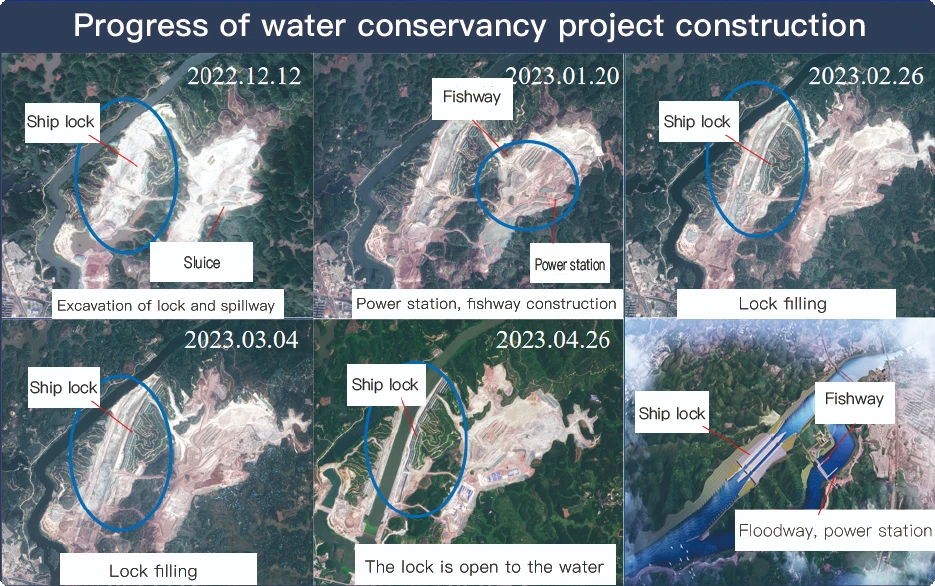
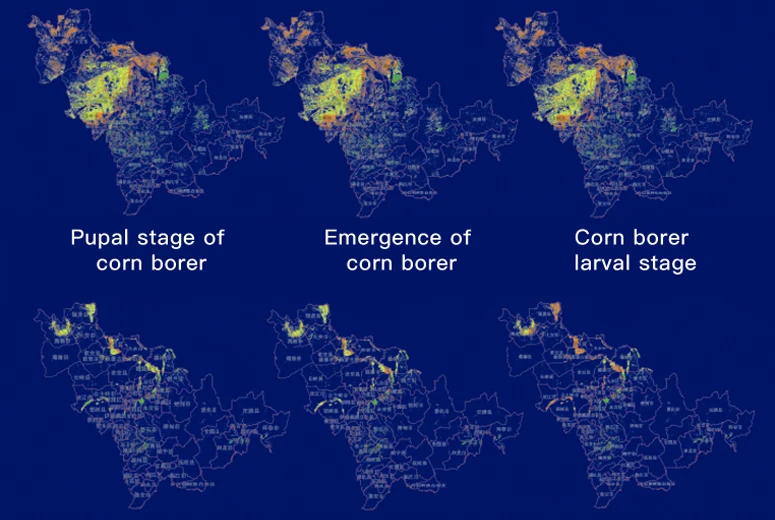
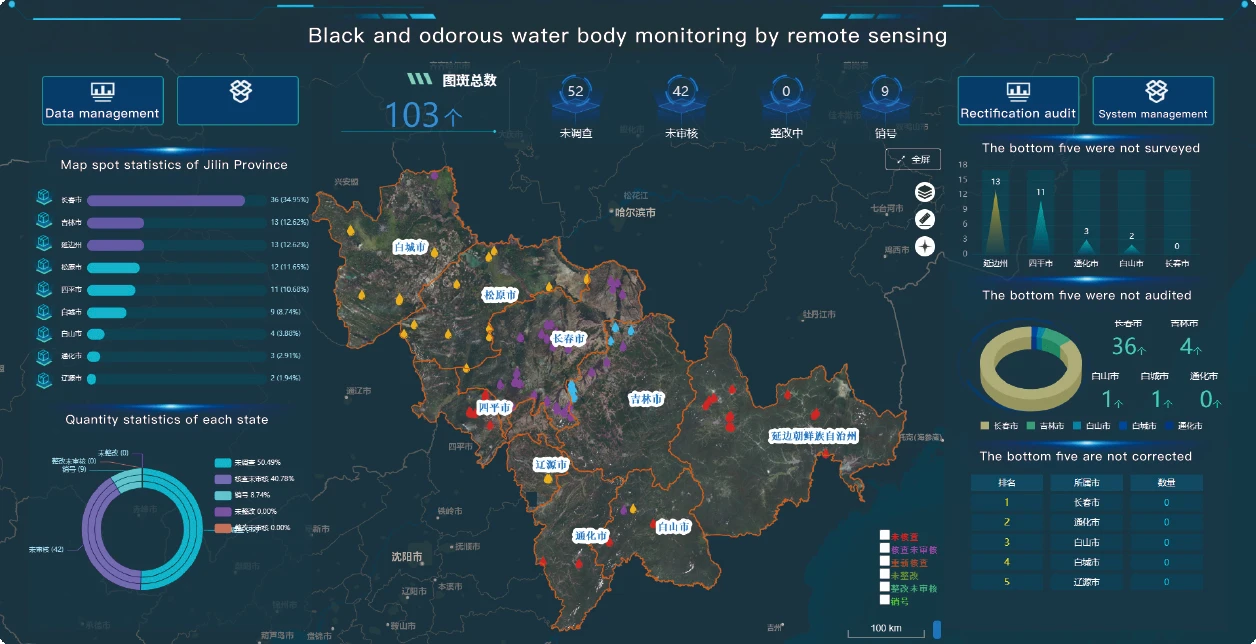
The versatility of high-definition orbital imagery extends far beyond simple mapping. In precision agriculture, farmers use it to detect pest infestations or nutrient deficiencies before they are visible to the naked eye. In urban development, city planners analyze traffic patterns and sprawl to optimize zoning. Furthermore, in the realm of environmental conservation, it is used to track illegal deforestation or monitor melting ice caps with centimeter-level precision. The integration of high resolution satellite data into GIS (Geographic Information Systems) allows for a dynamic, layered understanding of any location on Earth.
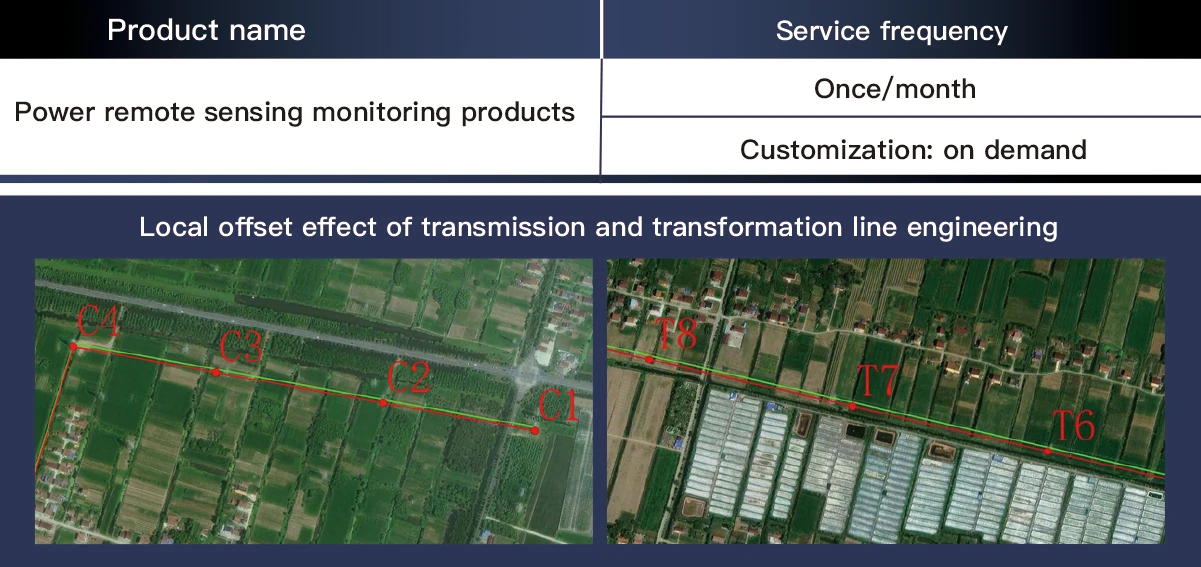
Industry Impact: From monitoring oil pipelines for leaks to tracking maritime vessel movements, the ability to "see" clearly from space reduces operational risk and enhances global security.
Comparing Resolution Levels: High vs. Medium vs. Low
Choosing the right data depends entirely on the scale of your project. While low-resolution data is excellent for monitoring global weather patterns, it is useless for inspecting a construction site. high resolution satellite data provides the granularity needed for tactical decision-making. The following table illustrates the stark differences in capability and use-case between these tiers.
Technical Specifications of Modern Satellite Imagery
When procuring high resolution satellite data, it is important to understand the technical specifications that determine the quality of the output. Beyond just resolution, factors like spectral bands (multispectral vs. panchromatic) and temporal resolution (revisit time) play a critical role. For instance, a satellite that can capture the same spot every 24 hours is far more valuable for disaster monitoring than one that visits every 15 days. Below is a standard specification table for professional-grade high-res data.
How to Integrate Satellite Data into Your Workflow
Acquiring high resolution satellite data is only the first step; the real value lies in the analysis. Modern companies use AI and Machine Learning (ML) to automate the detection of changes. For example, an algorithm can scan thousands of square kilometers of imagery to automatically count the number of ships in a port or identify new construction in a protected rainforest. By combining satellite imagery with on-the-ground IoT sensors, businesses create a "Digital Twin" of their physical assets, allowing for predictive maintenance and smarter resource allocation.
The Future of Orbital Intelligence
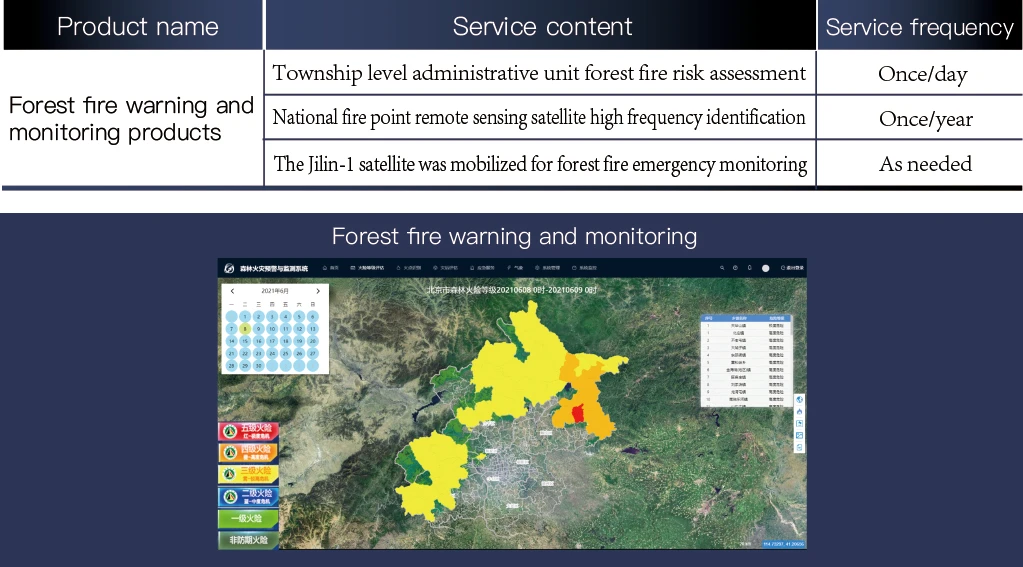
The future of high resolution satellite data is moving toward "Real-Time Earth Observation." With the deployment of small-satellite constellations (CubeSats), we are moving away from a few giant, expensive satellites toward hundreds of smaller ones. This shift increases the frequency of imagery, meaning we can capture changes as they happen. Additionally, the fusion of optical data with thermal and radar imagery will allow us to see through clouds and darkness, ensuring that critical monitoring never stops, regardless of weather conditions or time of day.
Conclusion: Elevating Your Perspective
The adoption of high resolution satellite data is no longer reserved for government intelligence agencies; it is a vital tool for any organization that operates in the physical world. By providing a clear, detailed, and objective view of the Earth, this technology reduces uncertainty and empowers leaders to make decisions based on facts rather than estimates. As the cost of data decreases and the quality increases, the opportunities for innovation in space-based intelligence are virtually limitless.
Frequently Asked Questions (FAQs)
What is the difference between spatial and temporal resolution?
Spatial resolution refers to the size of the smallest unit (pixel) that can be detected on the ground—essentially, how "sharp" the image is. Temporal resolution, on the other hand, refers to the revisit time, or how often a satellite returns to image the exact same location. For high-stakes monitoring, you need both high spatial resolution to see the detail and high temporal resolution to track changes over time. Many providers of high resolution satellite data offer customizable tasking to balance these two needs.
Can high resolution satellite data see through clouds?
Standard optical imagery cannot see through clouds. However, SAR (Synthetic Aperture Radar) data can. SAR uses microwave pulses that penetrate clouds, smoke, and darkness to provide a high-resolution map of the surface. For a complete intelligence solution, professionals often fuse optical high resolution satellite data with SAR data to ensure they have visibility regardless of the weather conditions on the ground.
Is this data accessible for small businesses?
Yes, the market has shifted significantly. While it used to be prohibitively expensive, the rise of commercial satellite constellations and "data-as-a-service" models has made high-resolution imagery accessible to small and medium enterprises. Depending on the area of interest (AOI) and the frequency of updates required, businesses can now purchase specific "chips" of imagery or subscribe to monitoring services, making the power of orbital intelligence a scalable asset for any business size.
How is satellite data processed for analysis?
Raw satellite data undergoes several stages of processing. First, it is orthorectified to remove distortions caused by the satellite's angle and the Earth's terrain. Then, atmospheric correction is applied to remove the "haze" caused by the air. Finally, the data is often passed through AI models for feature extraction—such as identifying building footprints or calculating vegetation indices. This workflow turns raw high resolution satellite data into actionable intelligence.