Revolutionizing Farming Practices with Precision Agriculture Satellite Imagery
Precision Agriculture with Satellite Imagery: A Comprehensive Overview
In today’s agricultural landscape, maximizing efficiency and yield is paramount. Precision agriculture, leveraging technologies like satellite imagery, is revolutionizing how farmers approach crop management. This article delves into the benefits, applications, and future trends of utilizing satellite data for optimized farming practices. By understanding these advancements, growers can make data-driven decisions, reduce costs, and improve sustainability. Space-navi.com offers cutting-edge satellite-based solutions to empower modern agriculture.
Understanding Precision Agriculture and Satellite Imagery
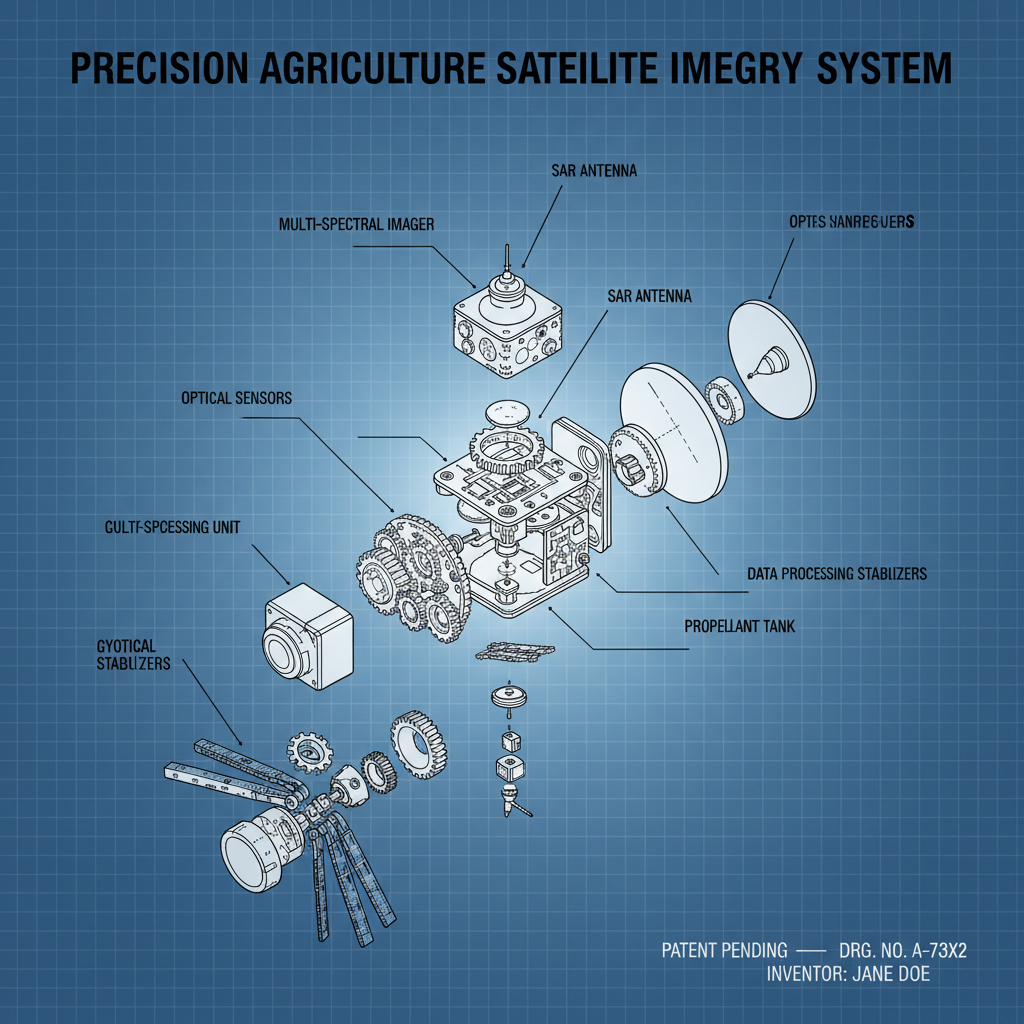
Precision agriculture involves using technology to observe, measure, and analyze field data, then act on that information. Satellite imagery provides a bird’s-eye view of crops, enabling farmers to assess plant health, identify stress areas, and monitor growth patterns over large areas quickly and efficiently. Unlike traditional methods, satellite data offers a non-destructive and scalable solution for farm monitoring. This technology moves beyond generalized farming practices to tailored strategies based on specific field conditions.
Key Benefits of Using Satellite Imagery in Agriculture
The adoption of satellite imagery in agriculture brings numerous advantages. These include early detection of crop stress (due to pests, diseases, or water deficiency), optimized irrigation scheduling, efficient fertilizer application, yield prediction, and reduced input costs. Furthermore, it supports sustainable farming practices by minimizing environmental impact. The ability to monitor field conditions remotely saves time and labor, allowing farmers to focus on critical tasks.
Key Highlights: Early detection of crop stress, optimized resource allocation, increased yields, and reduced environmental impact.
Applications of Precision Agriculture Satellite Imagery
The applications of precision agriculture satellite imagery are diverse and constantly evolving. Common uses include: crop health monitoring using vegetation indices (NDVI, EVI), variable rate fertilization based on nutrient deficiencies identified through imagery, irrigation management based on soil moisture levels derived from satellite data, damage assessment after natural disasters, and yield mapping to identify high-performing areas. Space-navi.com specializes in delivering these tailored solutions to meet unique farm needs.
Common Applications:
• Crop Health Monitoring
• Variable Rate Fertilization
• Irrigation Management
• Yield Mapping
Satellite Imagery vs. Traditional Scouting Methods: A Comparison
While traditional field scouting remains valuable, it’s often time-consuming and limited in scope. Satellite imagery provides a wider perspective, covering larger areas in a shorter timeframe. It can detect subtle variations in crop health that might be missed during visual inspection. The data is objective and quantifiable, reducing reliance on subjective assessments. Here's a detailed comparison:
The Future of Precision Agriculture and Satellite Technology
The future of precision agriculture is bright, with ongoing advancements in satellite technology and data analytics. We can expect higher resolution imagery, more frequent revisit times, and the integration of artificial intelligence (AI) and machine learning (ML) algorithms for automated analysis and predictive modeling. These developments will enable even more precise and proactive farm management practices. Space-navi.com is committed to staying at the forefront of these innovations.
Conclusion: Embrace the Power of Data-Driven Farming
Precision agriculture with satellite imagery is no longer a futuristic concept; it’s a practical and powerful tool available to farmers today. By embracing data-driven insights, growers can optimize their operations, increase profitability, and contribute to a more sustainable food system. Space-navi.com is dedicated to providing the technology and expertise needed to unlock the full potential of your farm.
Frequently Asked Questions (FAQs)
What types of satellite imagery are most useful for agriculture?
Multispectral imagery, particularly utilizing the Normalized Difference Vegetation Index (NDVI), is widely used for assessing crop health and vigor. NDVI highlights differences in chlorophyll content, indicating plant stress or optimal growth. Hyperspectral imagery, while more complex, provides detailed spectral information, allowing for identification of specific nutrient deficiencies or disease conditions. Radar imagery can penetrate cloud cover, providing data even in adverse weather conditions. Space-navi.com offers access to a variety of satellite imagery types to suit different agricultural needs.
How often should I analyze satellite imagery of my fields?
The frequency of analysis depends on the crop type, growth stage, and specific objectives. During critical growth stages, such as planting, flowering, and harvest, more frequent monitoring (e.g., weekly) is recommended. For routine monitoring, bi-weekly or monthly analysis may suffice. Regular monitoring allows for early detection of problems and timely intervention. Space-navi.com can help you establish a tailored monitoring schedule based on your specific crop and location.
Is satellite imagery expensive to implement?
The cost of implementing satellite imagery has significantly decreased in recent years, making it accessible to a wider range of farmers. Various subscription models and pay-as-you-go options are available. The return on investment (ROI) is often substantial, thanks to increased yields, reduced input costs, and optimized resource allocation. Space-navi.com offers flexible pricing plans to fit different budgets and farm sizes.
Do I need special software or expertise to interpret satellite imagery?
While some level of understanding is beneficial, specialized software and expertise are not always required. Several user-friendly platforms provide pre-processed imagery and intuitive analysis tools. Space-navi.com provides both the imagery and expert interpretation services, ensuring you get actionable insights without the need for extensive training.