Revolutionizing Farming Practices with the Use of Satellite in Agriculture
The Use of Satellite in Agriculture: A Modern Farming Revolution
Modern agriculture is increasingly reliant on technology to maximize efficiency and yields. Among the most impactful innovations is the use of satellite technology. This article explores the various applications of satellites in agriculture, their benefits, and how they are transforming farming practices. From precision farming to crop monitoring, satellites provide valuable data that empowers farmers to make informed decisions, optimize resource allocation, and increase productivity. Embracing these technologies is vital for meeting the growing global food demand sustainably.
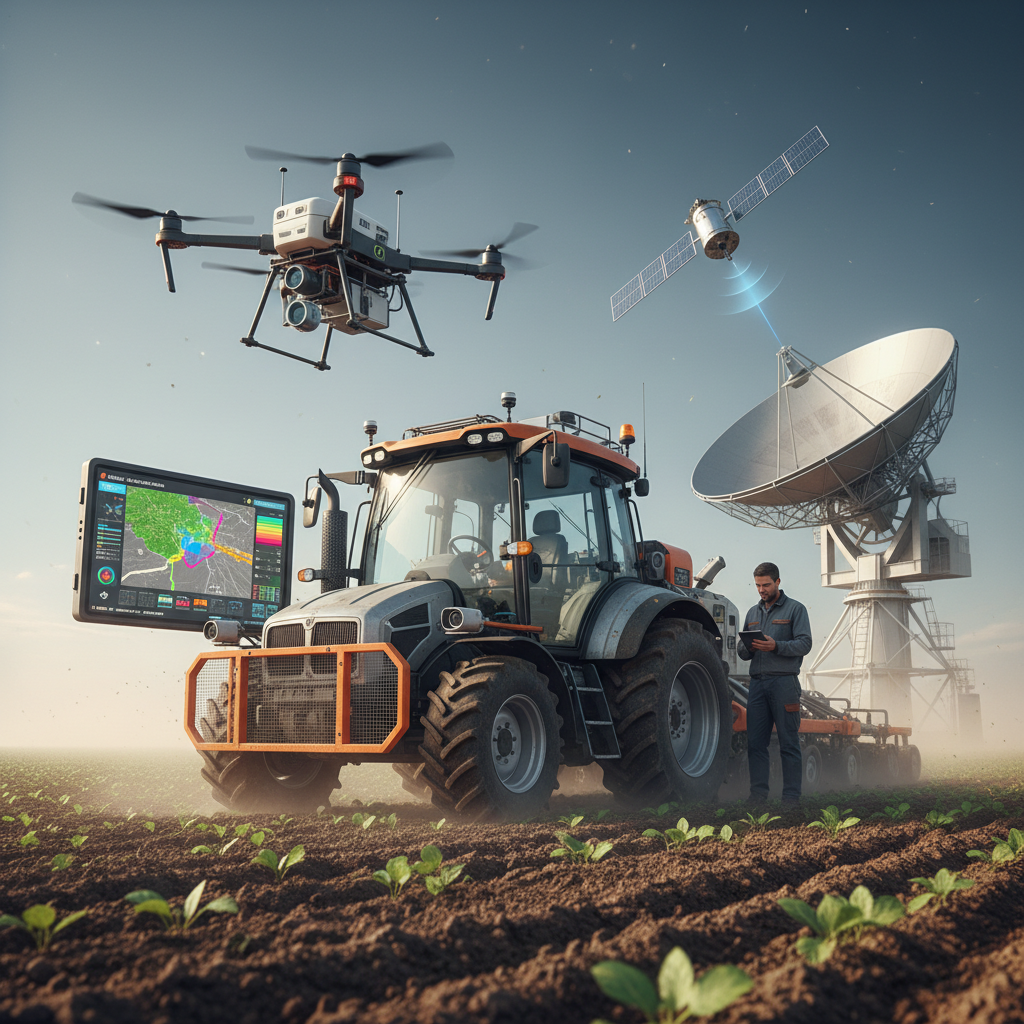
Understanding the Core Applications of Satellite Technology in Agriculture
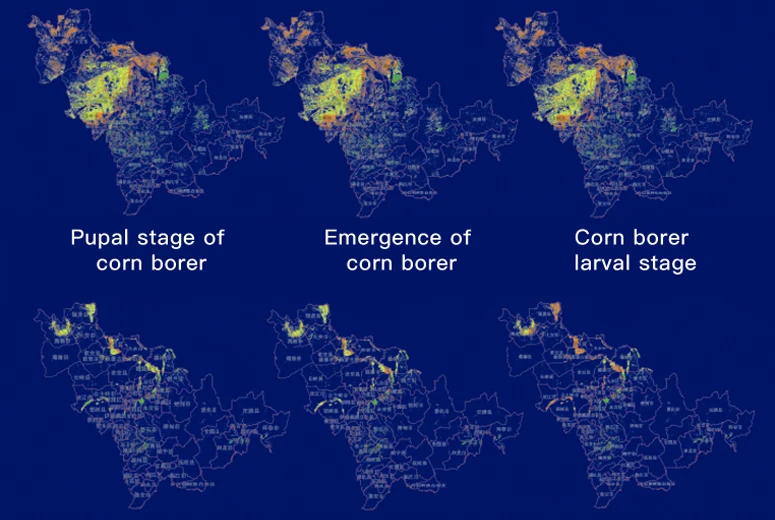
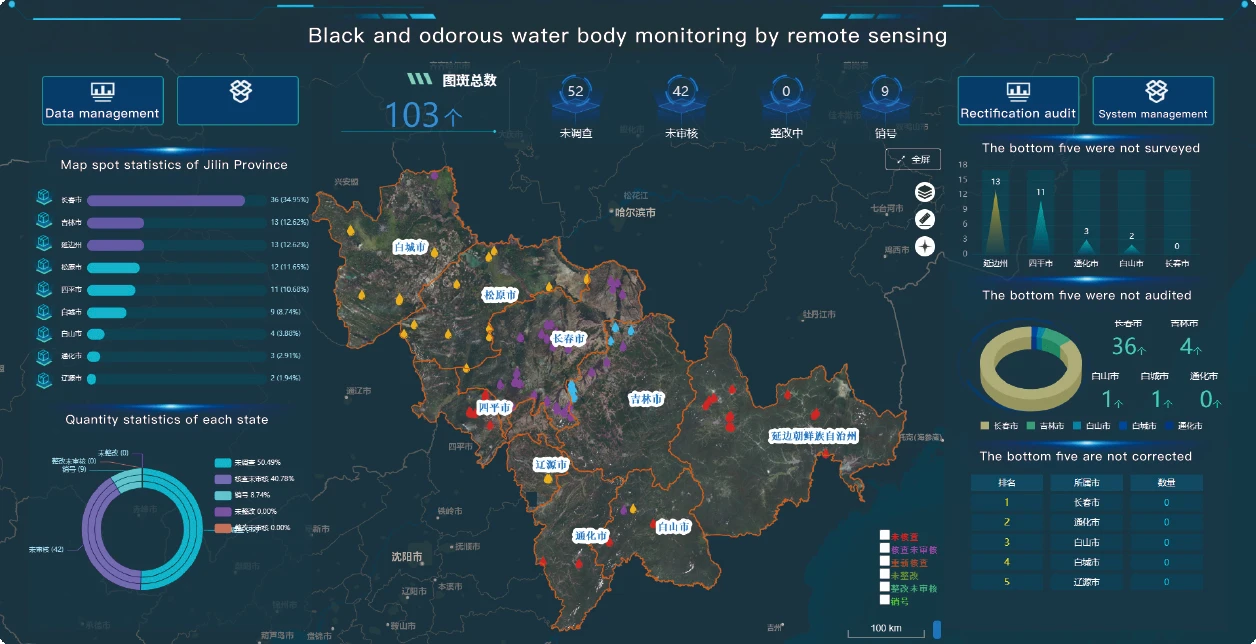
Satellites offer a broad spectrum of applications that cater to different needs within the agricultural sector. One of the primary uses is remote sensing, where satellites capture images of fields and crops. These images are then analyzed to assess crop health, identify areas of stress, and monitor growth patterns. Furthermore, satellite data is crucial for creating detailed maps of fields, enabling precision farming techniques. This allows farmers to apply fertilizers, pesticides, and water only where needed, reducing waste and environmental impact. The satellite data provides a cost-effective and scalable solution for large-scale farming operations.
Key Applications: Remote sensing, precision farming, crop health monitoring, yield prediction, irrigation management, and livestock monitoring.
Precision Farming and the Role of Satellite Data
Precision farming relies heavily on accurate and timely data, which satellites excel at providing. By analyzing satellite imagery, farmers can identify variations in soil conditions, nutrient levels, and plant health within a single field. This information is then used to create variable rate application maps, guiding machinery to apply inputs precisely where they are needed. This targeted approach minimizes waste, reduces costs, and maximizes yields. For example, areas with nutrient deficiencies can receive higher fertilizer application rates, while healthy areas receive less. The benefits of precision farming, driven by satellite technology, are substantial.
Precision Farming Benefits:
• Reduced input costs (fertilizers, pesticides, water)
• Increased crop yields
• Minimized environmental impact
• Improved resource efficiency
Satellite-Based Crop Health Monitoring: Early Detection of Issues
Early detection of crop stress is crucial for preventing significant yield losses. Satellites equipped with specialized sensors can detect subtle changes in plant health that are not visible to the naked eye. These sensors measure vegetation indices, such as the Normalized Difference Vegetation Index (NDVI), which indicates the amount of healthy vegetation in an area. A decrease in NDVI can signal the presence of disease, pest infestations, or water stress. This allows farmers to take corrective action promptly, minimizing the impact on their crops. This proactive approach, facilitated by satellite monitoring, is a game-changer for modern agriculture.
The Future of Agriculture: Integrating Satellite Data with Other Technologies
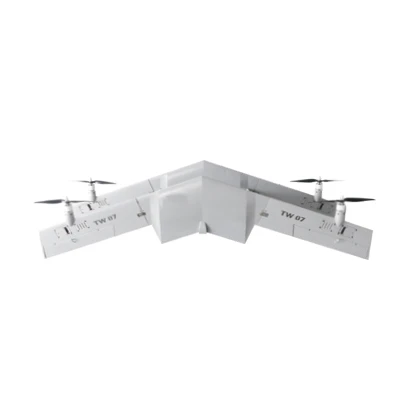
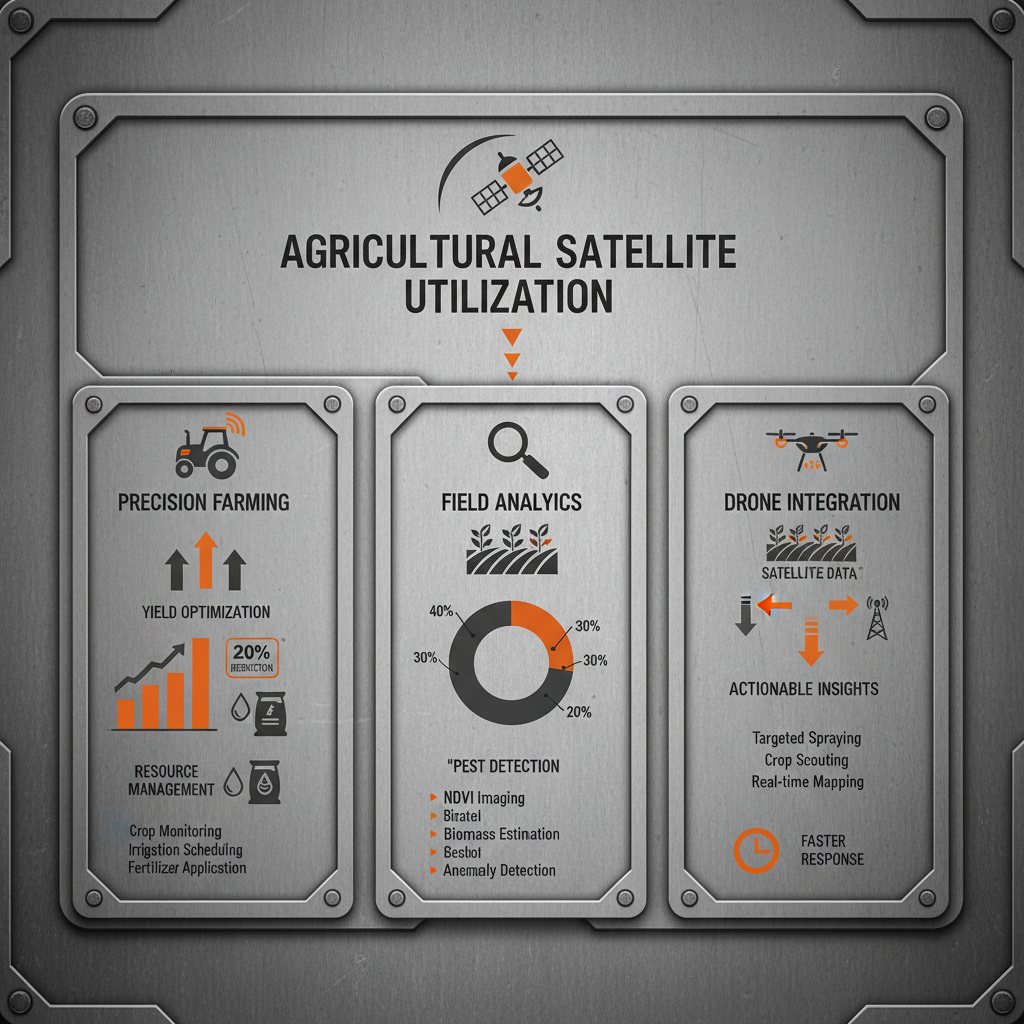
The potential of satellite technology in agriculture extends beyond the applications discussed above. Integrating satellite data with other technologies, such as drones, IoT sensors, and artificial intelligence, creates a powerful synergy. Drones can provide high-resolution imagery for detailed field inspections, while IoT sensors collect real-time data on soil moisture, temperature, and other critical parameters. AI algorithms can analyze this combined data to provide predictive insights, optimizing irrigation schedules, fertilizer application, and pest control strategies. Space-Navi is at the forefront of delivering these integrated solutions.
Conclusion: Empowering Farmers with Space-Based Solutions
The use of satellite technology in agriculture is no longer a futuristic concept but a present-day reality. It empowers farmers with the data and insights they need to make informed decisions, optimize resource allocation, and increase productivity. As technology continues to evolve, we can expect even more innovative applications of satellites in agriculture, contributing to a more sustainable and efficient food system. Embracing these technologies is essential for meeting the challenges of a growing global population.
Frequently Asked Questions (FAQs)
What is the cost of implementing satellite technology in agriculture?
The cost varies depending on the specific applications and services utilized. Basic satellite imagery can be relatively inexpensive, while more advanced services like precision farming solutions or customized data analysis can be more costly. Subscription-based models are common, offering access to data and analytics for a recurring fee. However, the return on investment can be significant, as improved efficiency and increased yields can offset the initial costs. Factors such as farm size, crop type, and level of automation also influence the overall cost.
What level of technical expertise is required to use satellite data for agriculture?
While some technical expertise is beneficial, many service providers offer user-friendly platforms and tools that simplify data analysis and interpretation. These platforms often provide pre-processed data and intuitive interfaces, making it accessible to farmers with limited technical backgrounds. Training programs and support services are also available to help farmers learn how to effectively utilize satellite data. Increasingly, AI-powered analytics tools are automating much of the analysis process, further reducing the need for specialized expertise.
How often is satellite imagery updated?
The frequency of satellite imagery updates depends on several factors, including the satellite's orbit, sensor capabilities, and weather conditions. Some satellites provide daily or near-daily coverage, while others offer less frequent updates. For critical applications like crop monitoring, high-frequency imagery is preferred. However, even less frequent updates can provide valuable insights, particularly for longer-term trends and assessments. The availability of cloud-free imagery can also impact update frequency.
What are the limitations of using satellite data in agriculture?
While highly valuable, satellite data has limitations. Cloud cover can obstruct imagery, hindering data collection. The spatial resolution of some satellites may be insufficient for detailed analysis of small fields. Furthermore, interpreting satellite data requires careful consideration of factors like atmospheric conditions and sensor calibration. However, advancements in satellite technology and data processing techniques are continuously addressing these limitations, making satellite data an increasingly reliable and versatile tool for agriculture.