Revolutionizing Farming Practices with Satellite in Agriculture Technology
Satellite Technology in Agriculture: Revolutionizing Farming Practices
Modern agriculture is undergoing a dramatic transformation, driven by the need for increased efficiency, sustainability, and yield. At the heart of this revolution lies satellite technology. From precision farming to crop monitoring and resource management, satellites provide invaluable data that empowers farmers to make informed decisions. This article will explore the diverse applications of satellites in agriculture, the benefits they offer, and the future trends shaping this exciting field. Understanding how satellite in agriculture works is key for anyone involved in the agricultural sector.
The Role of Satellites in Precision Farming
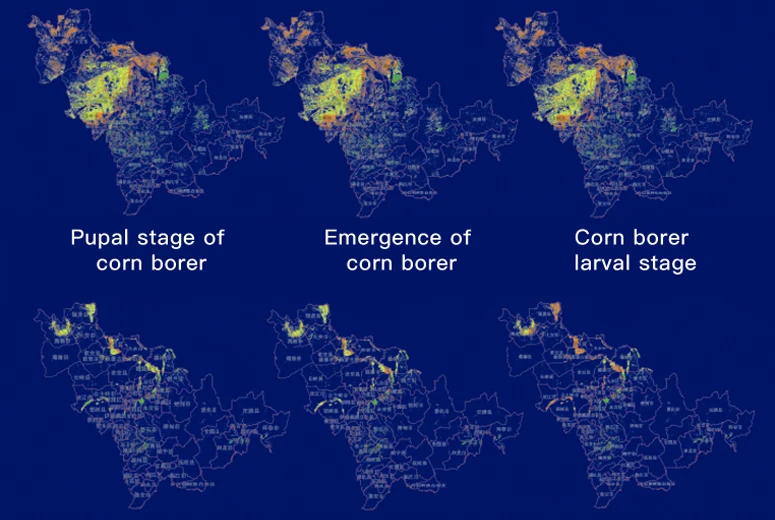
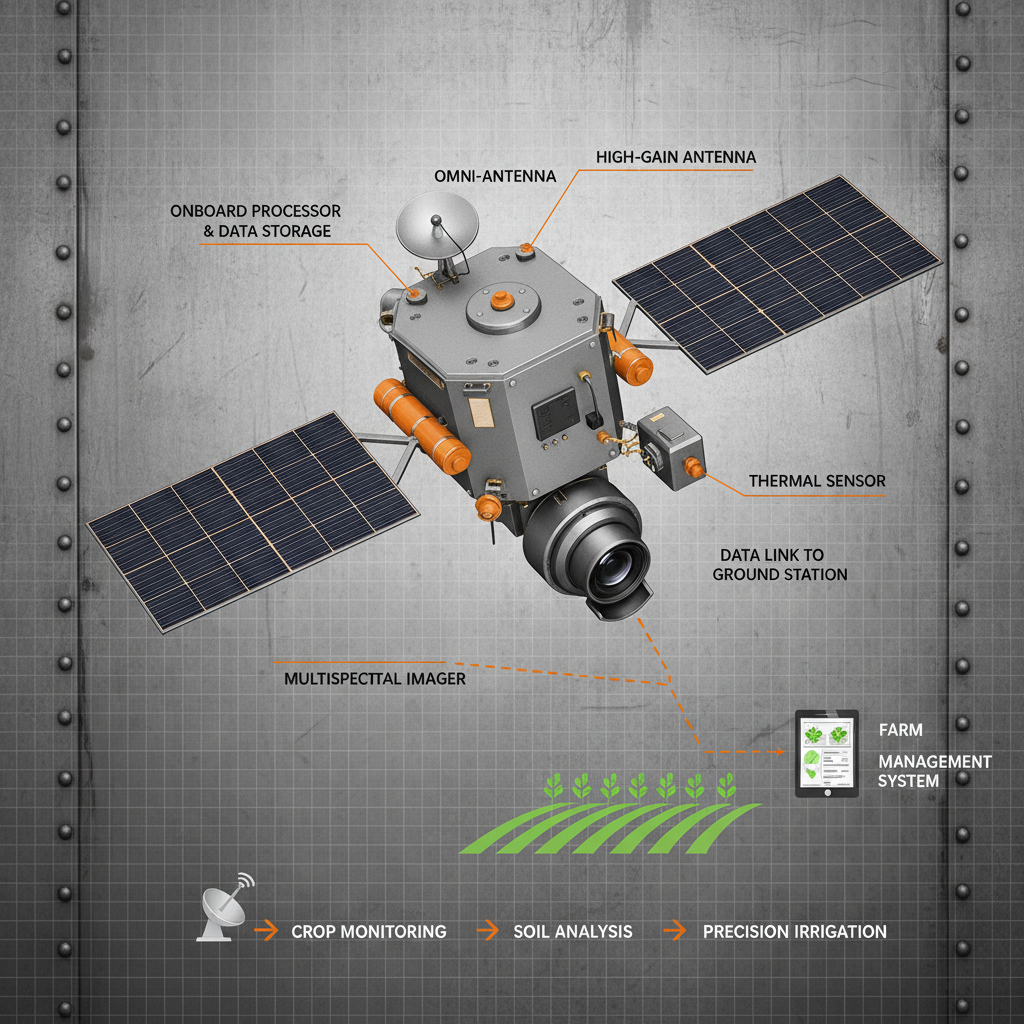
Precision farming, also known as site-specific crop management, relies heavily on data collected from satellites. Remote sensing technologies onboard these satellites capture images and data across various wavelengths, revealing insights into crop health, soil conditions, and water stress. This data is then processed and analyzed to create detailed maps that guide farmers in applying inputs – such as fertilizers, pesticides, and water – only where and when they are needed. The aim is to optimize resource utilization and minimize environmental impact. By utilizing satellite in agriculture, farmers can shift from uniform treatments to tailored approaches, resulting in significant cost savings and increased yields.
Key Benefits: Reduced input costs, increased yields, minimized environmental impact, and improved crop quality.
Crop Health Monitoring Using Satellite Imagery
Satellites equipped with multispectral and hyperspectral sensors can detect subtle changes in plant reflectance, which are often indicative of stress or disease long before they become visible to the naked eye. Normalized Difference Vegetation Index (NDVI), a commonly used metric derived from satellite in agriculture imagery, quantifies vegetation greenness and provides insights into crop vigor. Early detection of stress allows farmers to intervene promptly, preventing widespread damage and maximizing yield potential. Different satellite platforms offer varying spatial and temporal resolutions, catering to diverse monitoring needs.
NDVI Insights:
• High NDVI values indicate healthy, dense vegetation.
• Low NDVI values suggest stress, disease, or sparse vegetation.
• Changes in NDVI over time reveal crop growth patterns and potential problems.
Satellite-Based Water Management
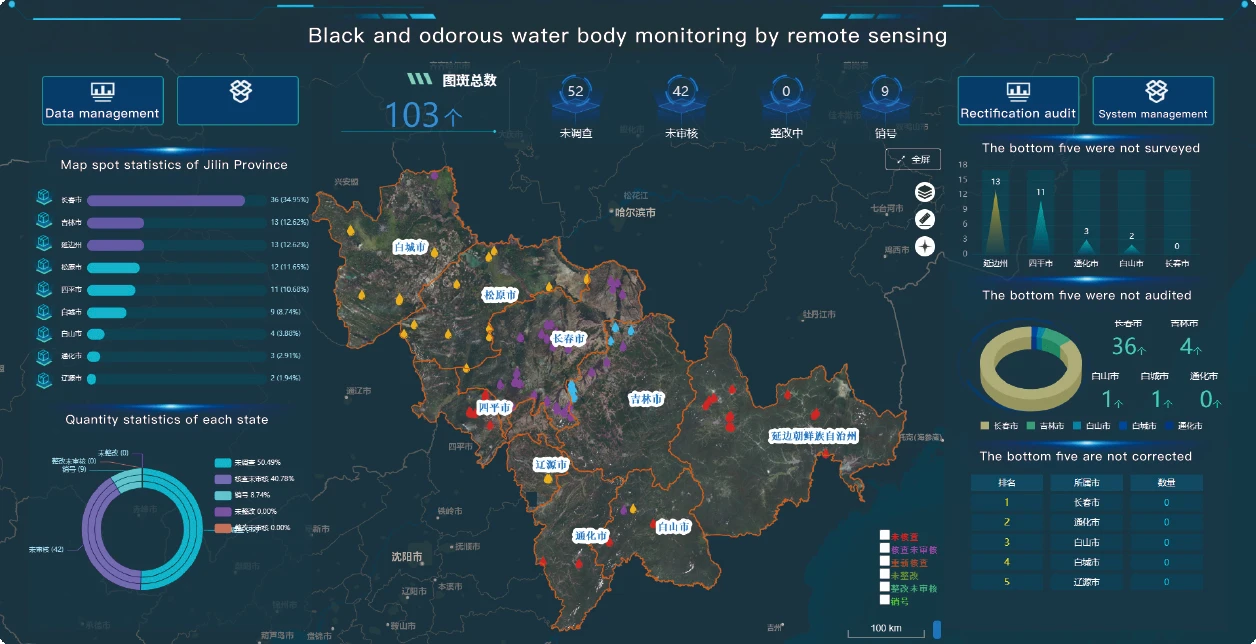
Water scarcity is a major challenge facing agriculture globally. Satellite in agriculture helps farmers optimize irrigation practices by providing information on soil moisture levels, evapotranspiration rates, and water stress indicators. Thermal imagery can identify areas of the field experiencing water deficits, allowing for targeted irrigation. This leads to significant water savings, reduced energy consumption, and improved crop yields. Advanced algorithms can even predict future water needs based on weather forecasts and historical data.
Future Trends in Satellite in Agriculture
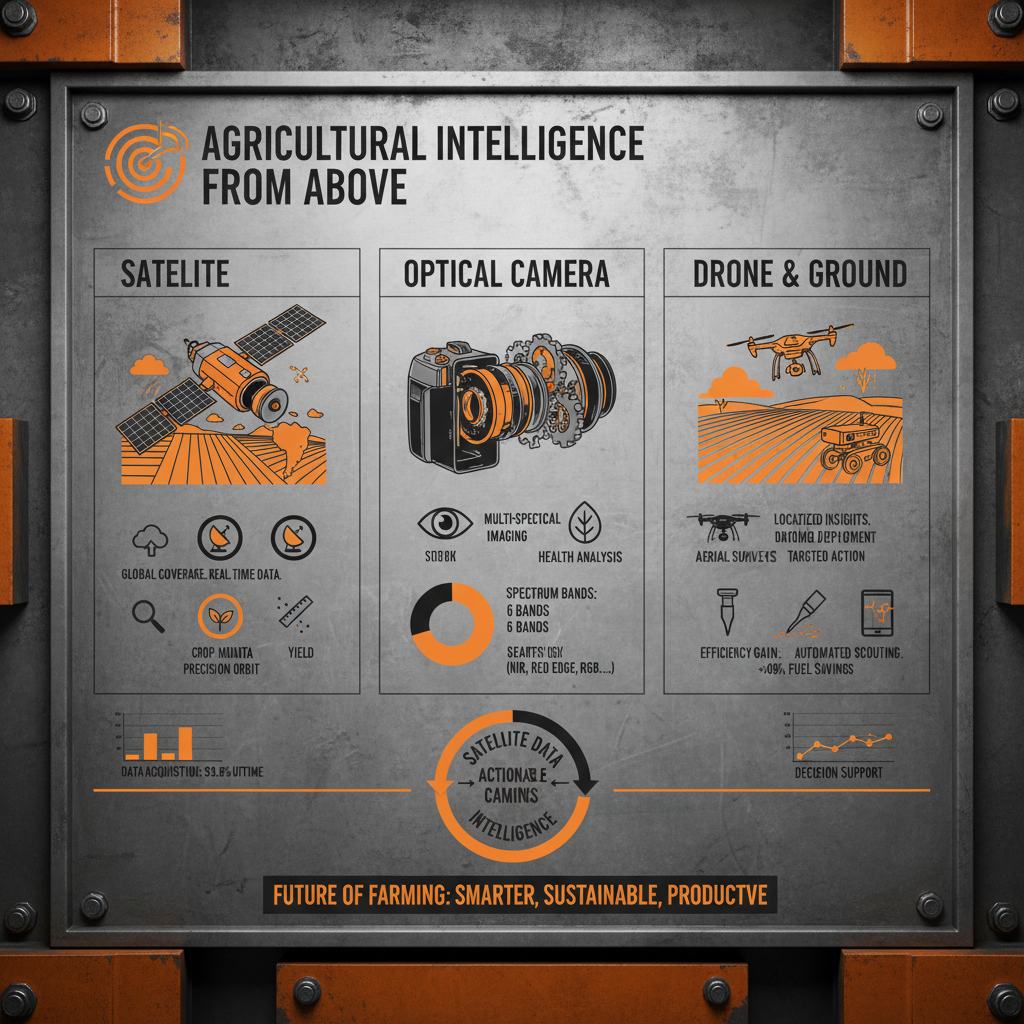
The future of satellite in agriculture is incredibly promising. We can expect to see increased integration of satellite data with other technologies, such as drones, IoT sensors, and artificial intelligence. Hyperspectral imaging will become more widespread, providing even more detailed information about crop health and composition. The launch of new satellite constellations with higher spatial and temporal resolutions will further enhance monitoring capabilities. Furthermore, the development of cloud-based platforms will make satellite data more accessible and affordable for farmers of all sizes. Space-Navi.com is dedicated to providing cutting-edge solutions in space-based technologies for the agricultural sector.
Conclusion: Embracing the Power of Space for Sustainable Agriculture
Satellite in agriculture is no longer a futuristic concept, but a practical and essential tool for modern farming. By leveraging the power of space-based technologies, farmers can optimize resource utilization, enhance crop yields, and promote sustainable agricultural practices. As the technology continues to evolve, we can expect even more innovative applications that will transform the future of food production. Visit Space-Navi.com to learn more about our advanced satellite solutions for agriculture.
Frequently Asked Questions (FAQs)
What are the limitations of using satellite imagery in agriculture?
While incredibly powerful, satellite imagery does have limitations. Cloud cover can obstruct views, reducing data availability. The spatial resolution of some satellites may not be sufficient for identifying issues at a very granular level. The cost of high-resolution imagery and data processing can also be a barrier for some farmers. Furthermore, interpreting satellite data requires expertise and specialized software. However, ongoing advancements in satellite technology and data analytics are continually addressing these limitations.
How does the cost of satellite data compare to other methods of crop monitoring?
The cost of satellite data varies depending on the resolution, frequency, and area covered. Generally, it is more affordable than frequent drone flights or extensive field scouting, especially for large farms. While the initial investment in software and data analysis tools can be significant, the long-term benefits in terms of increased efficiency and reduced input costs often outweigh the expenses. Space-Navi.com offers flexible pricing plans to suit different budgets and needs.
What types of crops benefit the most from satellite monitoring?
Satellite monitoring is beneficial for a wide range of crops, but it is particularly valuable for large-scale commodity crops such as corn, soybeans, wheat, and cotton. These crops often require precise management of inputs, and the large area covered makes satellite monitoring a cost-effective solution. However, it can also be effectively used for specialty crops, orchards, and vineyards, providing valuable insights into plant health and yield potential.
Where can I find more information about satellite applications in agriculture?
There are many resources available online and through agricultural organizations. Websites like Space-Navi.com provide comprehensive information about satellite technologies and their applications in agriculture. You can also find valuable resources through agricultural universities, government agencies, and industry associations.