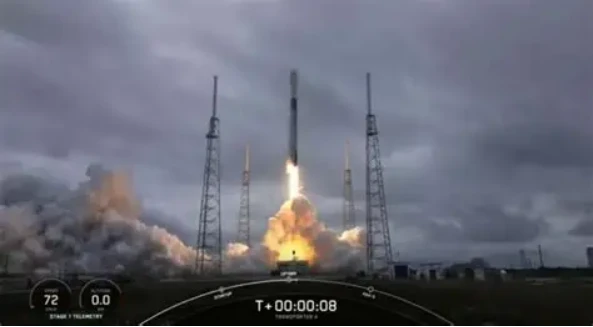
Exploring Solar Power Satellites SPS for a Sustainable Energy Future
Solar Power Satellites (SPS): A Deep Dive into Space-Based Solar Energy
The quest for sustainable and clean energy sources has led to innovative concepts, and among the most ambitious is the development of solar power satellites (SPS). These massive structures, positioned in geostationary orbit, aim to capture sunlight continuously and beam it back to Earth as usable energy. This article will explore the concept of SPS, its potential benefits, technological challenges, current development efforts, and future prospects. Addressing the world’s energy needs demands exploring all viable solutions, and SPS represents a potentially revolutionary approach to power generation.
Understanding the Core Concept of Solar Power Satellites
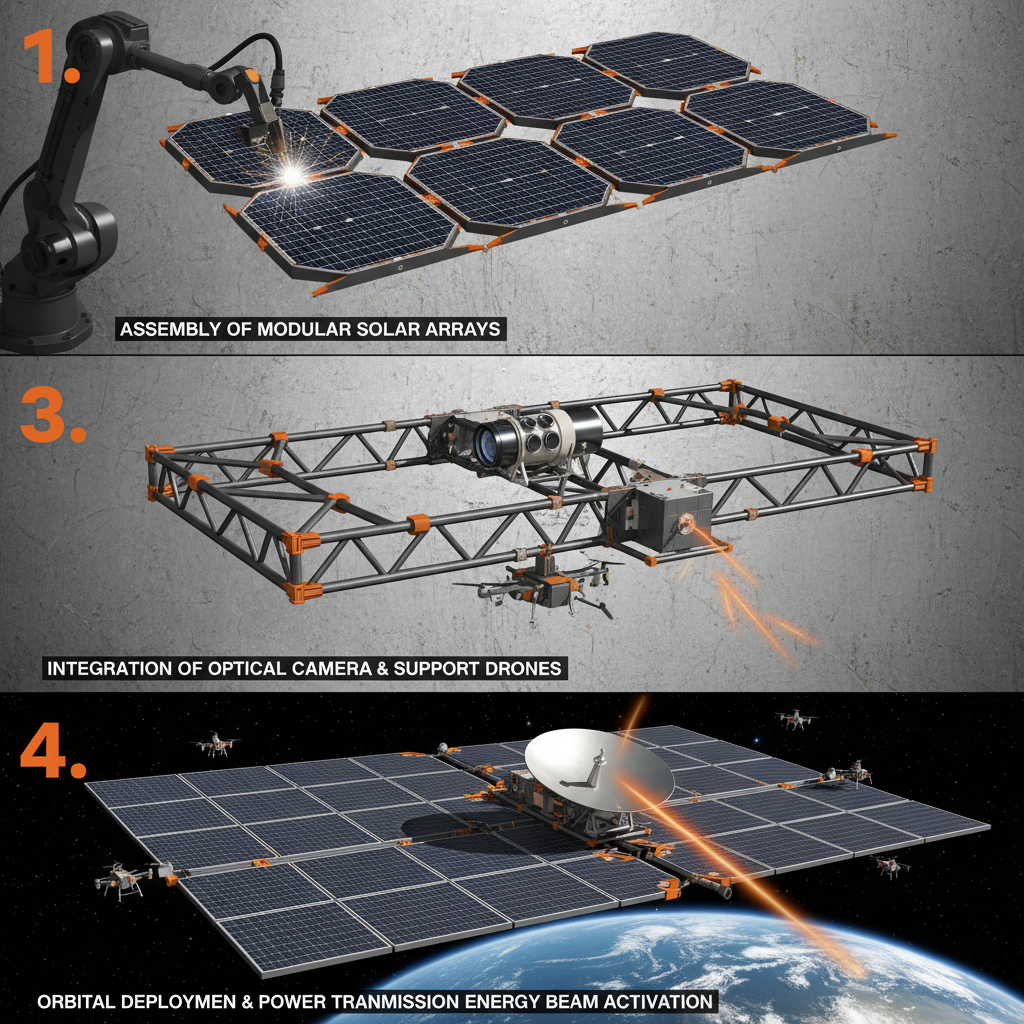
At its core, the SPS concept leverages the unique advantages of space. Unlike terrestrial solar farms, SPS are unaffected by weather patterns, atmospheric interference, or the day-night cycle. They can receive sunlight nearly 24/7, maximizing energy capture. The energy collected is then converted into microwave or laser radiation and beamed to receiving stations (rectennas) on Earth. These rectennas convert the received energy back into electricity for distribution. The fundamental principle is straightforward: harnessing the sun's energy in space and delivering it to where it’s needed on Earth. This system has the potential to provide a baseload power supply, unlike intermittent renewable sources like wind or terrestrial solar.
Key Benefits: Continuous energy capture, weather-independent operation, potential for baseload power, reduced reliance on fossil fuels, and large-scale energy production.
Technological Hurdles and Key Components
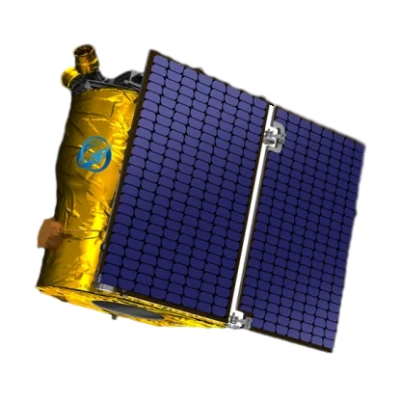
Despite its promise, realizing SPS technology requires overcoming significant technological hurdles. These include the development of lightweight, large-scale space structures, efficient energy transmission systems, and robust methods for orbital assembly. Key components of an SPS system include: Solar collectors (to capture sunlight), Power conversion equipment (to convert sunlight into electricity), Transmission antennas (to beam energy to Earth), Control systems (to maintain orbit and aim the beam), and Rectennas (to receive and convert the beamed energy). The sheer scale of these components and the complexities of building and operating them in space represent major engineering challenges.
Major Technological Challenges:
• Large-scale space structure construction
• Efficient and safe energy transmission
• Orbital debris mitigation
• Cost-effective launch and assembly
Solar Power Satellites vs. Terrestrial Solar: A Comparative Analysis
Comparing SPS to traditional terrestrial solar power reveals key differences. Terrestrial solar is limited by weather, time of day, and land use. SPS overcomes these limitations, offering continuous power generation. However, SPS requires substantial upfront investment in space infrastructure and faces challenges related to energy transmission efficiency and potential environmental concerns. The following table highlights a more detailed comparison:
Current Development & Future Trends in SPS Technology
Several organizations and governments are actively pursuing SPS development. The Japan Aerospace Exploration Agency (JAXA) has been a pioneer in SPS research, demonstrating wireless power transmission over short distances. China has also announced plans to build a test SPS facility by 2030. The U.S. Air Force Research Laboratory is exploring SPS technology for powering forward operating bases and remote locations. Future trends include advancements in robotics for in-space construction, improved energy transmission efficiency using millimeter waves or lasers, and the development of more affordable launch technologies. Space-navi.com provides up-to-date news and insights into these evolving developments.
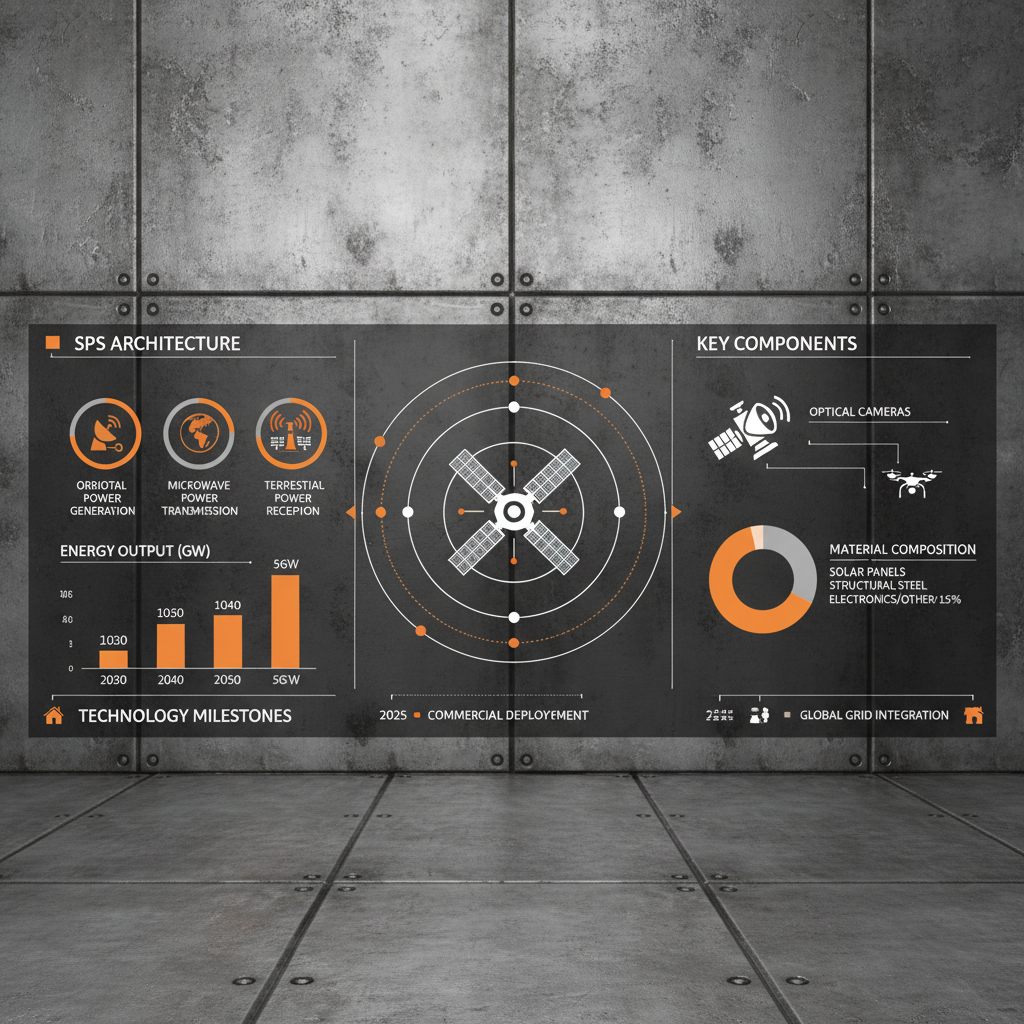
Key Specifications and Potential Output of Future SPS Systems
While designs vary, future SPS systems are envisioned to be truly massive. Here's a glimpse at potential specifications:
Conclusion: The Future of Energy May Be Above Us
Solar power satellites represent a bold vision for the future of energy. While significant challenges remain, the potential benefits – continuous, clean, and large-scale power generation – are compelling. Ongoing research and development, coupled with increasing concerns about climate change, are driving renewed interest in this transformative technology. With continued investment and innovation, SPS could play a crucial role in meeting the world's growing energy demands sustainably. Keep up with the latest advancements at Space-navi.com.
Frequently Asked Questions (FAQs)
What are the environmental concerns surrounding SPS?
While SPS offers clean energy, potential environmental concerns exist. The microwave or laser beams used to transmit energy could pose risks to wildlife, particularly birds. However, these beams can be precisely targeted and controlled to minimize interference. Another concern is orbital debris, which could damage the satellites. Mitigating this risk requires careful planning and the development of debris removal technologies. Thorough environmental impact assessments are crucial to address these concerns effectively and ensure the responsible development of SPS technology.
How efficient is the energy transmission from space to Earth?
The efficiency of energy transmission is a critical factor for SPS viability. Current estimates suggest that microwave transmission efficiency can reach around 80-90%, while laser transmission could potentially achieve even higher efficiencies. However, these efficiencies are affected by atmospheric conditions and the distance between the satellite and the receiving station. Ongoing research focuses on improving transmission technologies to minimize energy loss and maximize the overall efficiency of the system. Utilizing optimal frequencies and advanced beamforming techniques are key areas of development.
What is the cost of building and deploying a solar power satellite?
The cost of building and deploying an SPS is currently very high, primarily due to the challenges of space construction and launch. Estimates vary widely, but a single large-scale SPS could cost tens of billions of dollars. However, advancements in reusable launch vehicles, in-space robotics, and automated construction techniques are expected to significantly reduce these costs over time. Furthermore, the long-term benefits of clean and reliable energy could outweigh the initial investment, making SPS economically viable in the future.
Where would the rectennas (receiving stations) be located on Earth?
Rectennas would ideally be located in remote, sparsely populated areas with minimal environmental impact. Deserts and offshore platforms are potential locations. These sites need to be relatively flat and have clear weather conditions for optimal energy reception. The land occupied by a rectenna could also be used for other purposes, such as agriculture or grazing, as the technology doesn’t necessarily preclude other land uses. Careful consideration must be given to the potential impact on local ecosystems and communities.