
TEL:+86 13943095588

Next-Gen Aerospace Intelligence via deep learning for Venezuela

Optimizing aerospace manufacturing and maintenance in South America through predictive AI and rigorous regulatory frameworks.

Next-Gen Aerospace Intelligence via deep learning for Venezuela

Implementing advanced neural networks to revolutionize aircraft component durability and satellite manufacturing precision within the Venezuelan industrial landscape.

Aerospace Manufacturing Landscape in Venezuela

Navigating economic volatility and climatic challenges through technological resilience.

The aerospace sector in Venezuela currently faces a dual challenge: maintaining aging fleets under high-humidity tropical conditions and adapting to strict compliance regulations imposed by international aviation bodies. The reliance on legacy systems often leads to inefficient maintenance cycles.

Economically, the shift toward localized electronic component manufacturing is gaining momentum to reduce dependence on volatile import chains. This has created a demand for precise machine learning models that can predict part failure before it occurs in the Caribbean climate.

Furthermore, the integration of satellite communication hardware for remote Andean regions requires a new approach to material stress testing, moving away from manual checks toward automated, data-driven monitoring systems.
Evolution of Aerospace Electronics and AI Integration

From manual inspections to autonomous predictive maintenance.

Market Development History

Between 2000 and 2010, the Venezuelan aerospace industry relied heavily on traditional scheduled maintenance, where the revisit period for component audits was fixed regardless of actual wear and tear.

From 2011 to 2020, the industry transitioned toward "Condition-Based Maintenance," introducing basic sensors. However, data was siloed, making it difficult to perform comprehensive longitudinal studies on component degradation over decades.

Since 2021, there has been a pivot toward AI-driven manufacturing, where integrated circuits for avionics are now designed using generative algorithms to maximize weight-to-strength ratios.

Future Development Trends

Cognitive Avionics Systems

Integration of edge computing to allow aircraft to self-diagnose faults in real-time during trans-continental flights.

Sustainable Material Synthesis

Using AI to develop composite materials that resist the corrosive saline air of Venezuela's coastline.

Hyper-Automated Compliance

Blockchain-integrated reporting to automate the verification of safety standards and international audits.

Strategic Outlook for Venezuelan Aerospace Tech

Predicting the convergence of AI and high-precision electronic manufacturing.

Predictive Lifecycle Analytics
Using temporal data to optimize the revisit period for critical engine components.
Smart Compliance Frameworks
AI-driven auditing to ensure 100% adherence to global aerospace safety laws.
Neural Material Design
Accelerating the discovery of heat-resistant alloys for aerospace electronics.
Autonomous Production
Deploying robotic assembly lines governed by deep learning for zero-defect output.

Industry Outlook

Based on global search trends, the convergence of AI and aerospace manufacturing is accelerating. In Venezuela, we expect a surge in demand for localized AI hubs that can handle the specific telemetry data of regional flight paths.

The next five years will see a shift toward "Digital Twins," where every manufactured aircraft part has a virtual counterpart used for simulation and stress testing before physical implementation.

Localized Application Scenarios in Venezuela

Real-world implementation of aerospace AI in South American environments.

01. Coastal Corrosion Monitoring

Applying deep learning to analyze the rate of oxidation on aircraft frames operating in the salty air of La Guaira, optimizing maintenance schedules.

02. Andean Terrain Avionics

Implementing machine learning models to enhance autopilot stability for cargo flights crossing the high-altitude Andean peaks.

03. Satellite Hardware Durability

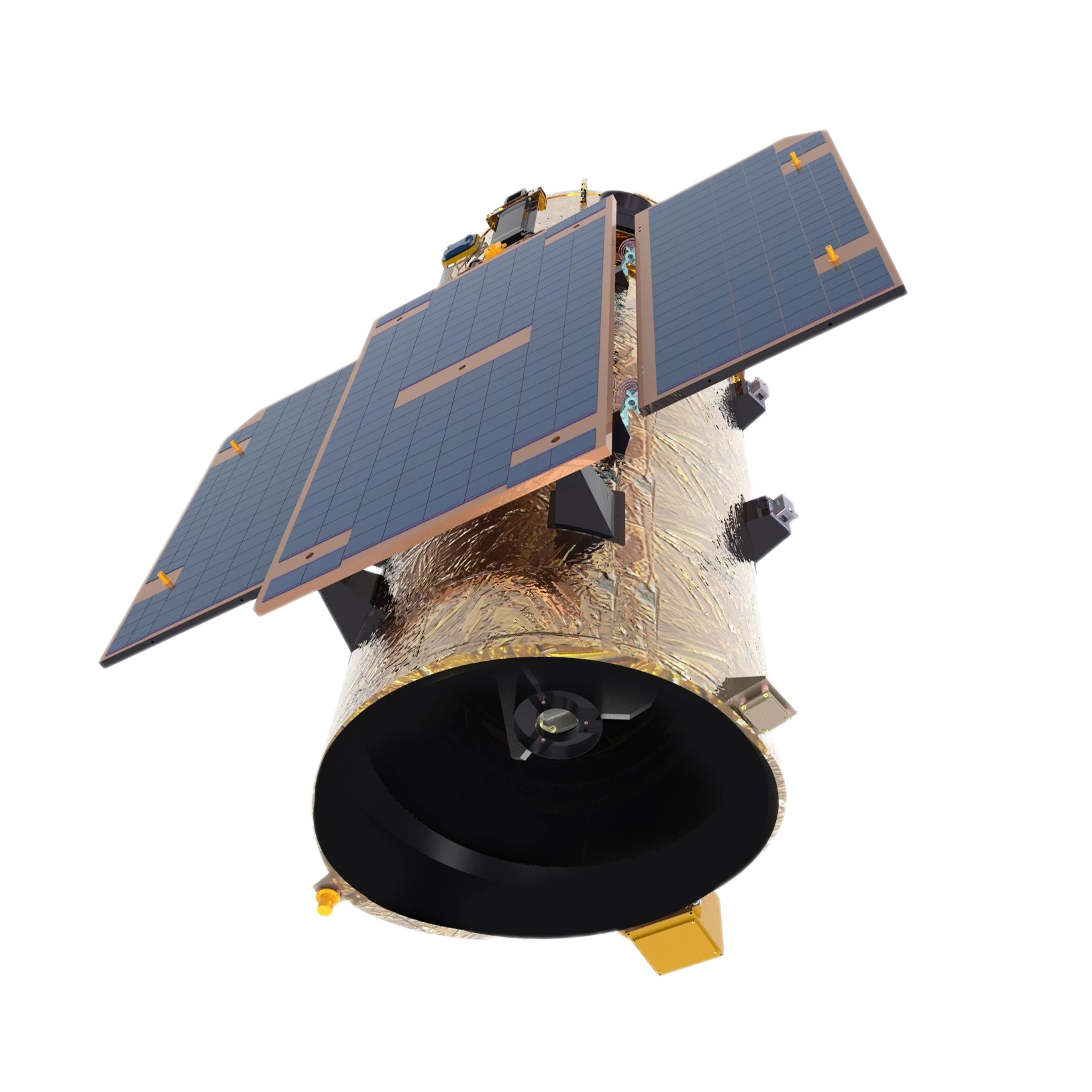
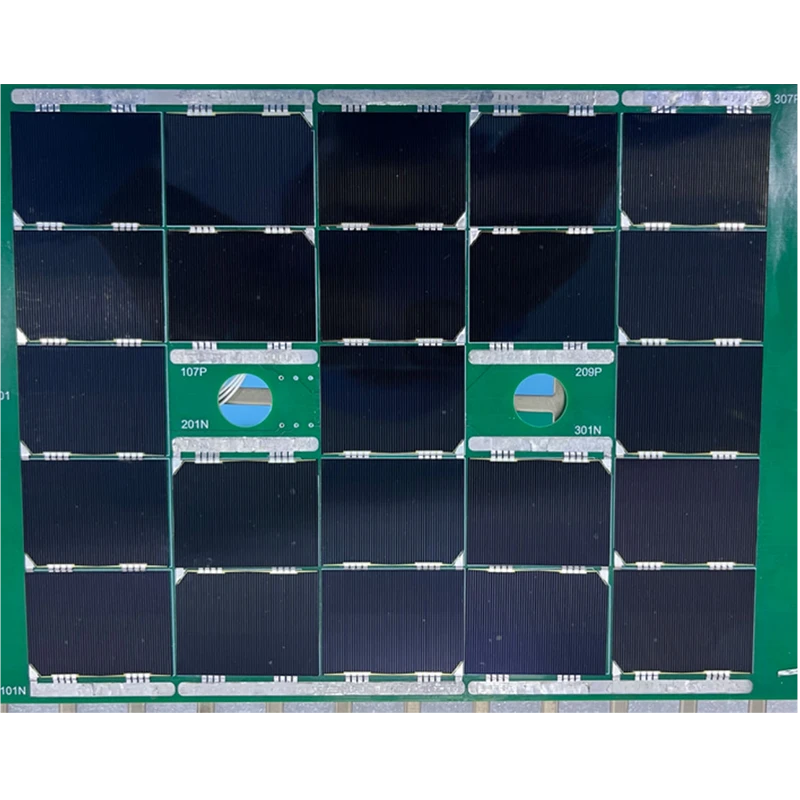
Conducting longitudinal studies on Venezuelan-made communication satellites to improve solar panel longevity in equatorial radiation.

04. Regulatory Automation Hubs

Deploying software that automatically maps local manufacturing outputs to international compliance regulations to expedite export certification.

05. Drone-Based Infrastructure Audit

Using AI-powered UAVs to inspect runway integrity at Maiquetía Airport, reducing the manual revisit period for safety checks.

Brand Story

Global Development History of Ningbo Mingji International Trade Co., Ltd.

Founding Vision

Established to bridge the gap between high-end electronic manufacturing and the global aerospace demand.

Technological Pivot

Integrating AI and smart logistics to solve the "last mile" delivery of critical aerospace components.

Market Expansion

Extending our reach into South America, specializing in the unique needs of the Venezuelan aerospace sector.

Quality Excellence

Achieving world-class certifications by combining rigorous testing with innovative AI auditing.

Future Mission

To empower every aerospace entity in Venezuela with the tools for a sustainable and autonomous future.

Integrated Aerospace Solutions for Venezuela

A comprehensive suite of AI-driven electronic components and software frameworks.

Venezuelan Aerospace Tech FAQ

Addressing common technical and regulatory queries for the local market.

How does deep learning optimize the revisit period for aircraft parts?

By analyzing real-time sensor data, AI identifies patterns of wear that traditional schedules miss, allowing for a dynamic revisit period that ensures safety while reducing unnecessary downtime.

Can machine learning models adapt to Venezuela's unique humidity levels?

Yes, our models are trained on localized datasets that specifically account for tropical humidity and saline exposure, ensuring higher accuracy in corrosion prediction.

What role do longitudinal studies play in aerospace component certification?

Longitudinal studies provide the historical performance data necessary to prove long-term reliability to regulators, which is essential for gaining certification in the Venezuelan market.

How do you ensure compliance regulations are met during rapid AI deployment?

We implement a "Compliance-by-Design" approach where regulatory constraints are hard-coded into the AI's decision-making logic, ensuring every output is pre-verified.

Is it possible to integrate these AI models into legacy avionics systems?

We provide middleware API layers that allow modern AI diagnostics to read data from legacy analog systems, bridging the gap between old hardware and new intelligence.

What is the expected ROI for implementing AI in Venezuelan manufacturing?

Companies typically see a 20-30% reduction in unplanned maintenance costs and a significant decrease in regulatory fine risks within the first 24 months.

Ready to Elevate Your Aerospace Operations?

Partner with the leading experts in aerospace AI and electronic manufacturing to transform your business in Venezuela.

Contact Us Now

If you are interested in our products, you can choose to leave your information here, and we will be in touch with you shortly.