Multispectral Camera: Calibrated Bands, SDK, Real-Time
Why a multispectral camera with true 5 m GSD is changing earth observation
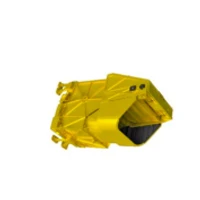
I’ve covered sensors for a decade, and, to be honest, I still get a little thrill when a lab-grade instrument finally becomes robust enough for daily ops. Space-Navi’s latest unit—officially “Multispectral Camera With A Resolution Of 5m”—lands in that sweet spot: 19 spectral segments, a Cook-type off‑axis three‑mirror optical system, high MTF, and a signal-to-noise ratio that doesn’t crumble in the real world. It was developed in about a year, which, given the optics, is quick.
Industry pulse
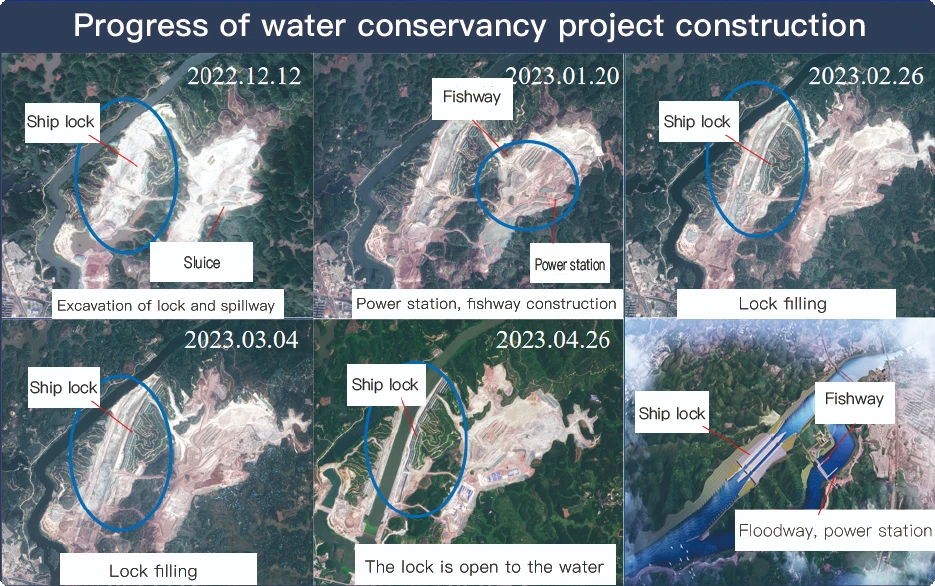
Across agriculture, forestry, and water quality monitoring, demand is shifting from “more pixels” to “better spectral truth.” We’re seeing more bands (15–30 is common now), better calibration, and onboard radiometric stability. Surprisingly, procurement teams mention uptime and service life almost as often as resolution. It seems that’s where value is won in year two.
What stands out
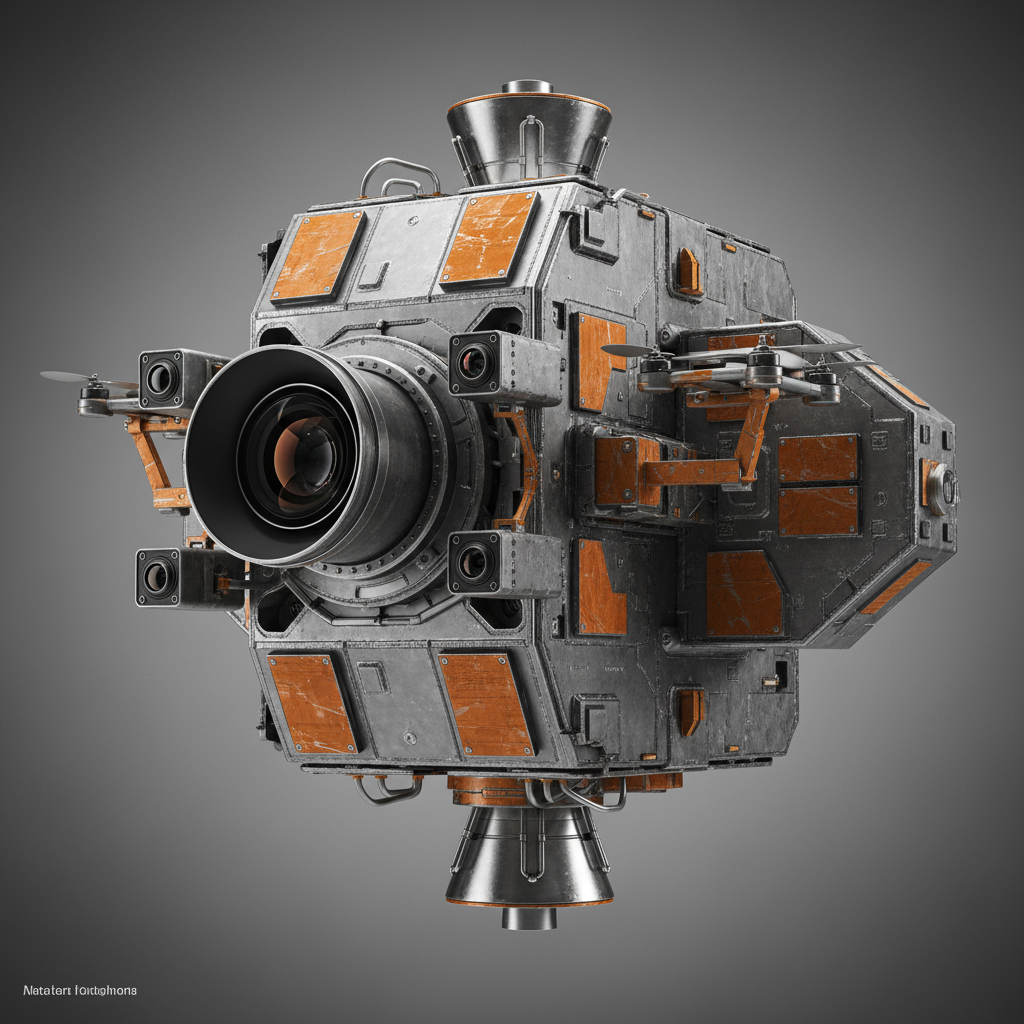
The Cook-type off‑axis TMA keeps the image flat and clean across the field. Many customers say they notice fewer registration quirks between bands—critical when calculating narrowband vegetation indices. The multispectral camera offers 19 segments tuned for VIS–NIR analytics, and its transfer function holds up nicely near Nyquist (lab figures below).
| Key spec | Multispectral Camera With A Resolution Of 5m (Space‑Navi) |
|---|---|
| Spatial resolution (GSD) | 5 m at reference altitude (≈; real‑world use may vary) |
| Spectral segments | 19 bands (VIS–NIR allocation; detailed list on request) |
| Optical design | Cook‑type off‑axis three‑mirror anastigmat (TMA) |
| MTF | ≈0.25–0.30 @ Nyquist (ISO 12233 edges) |
| SNR | >200:1 in bright scenes (ISO 15739 method) |
| Radiometric calibration | Panel‑based, NIST‑traceable; dark current compensation |
| R&D period | 1 year |
Process, materials, and testing
Materials: low‑CTE mirror substrates, protected silver coatings, stray‑light baffles, CNC‑milled aluminum housing. Methods: interferometric alignment, boresight verification, spectral channel registration, and thermal cycling (−20 to +50 °C). Testing standards: ISO 12233 (MTF), ISO 15739 (noise/SNR), ASTM E308 (spectral colorimetric calculations). Typical service life is around 5–7 years with annual recalibration.
Applications and quick case notes
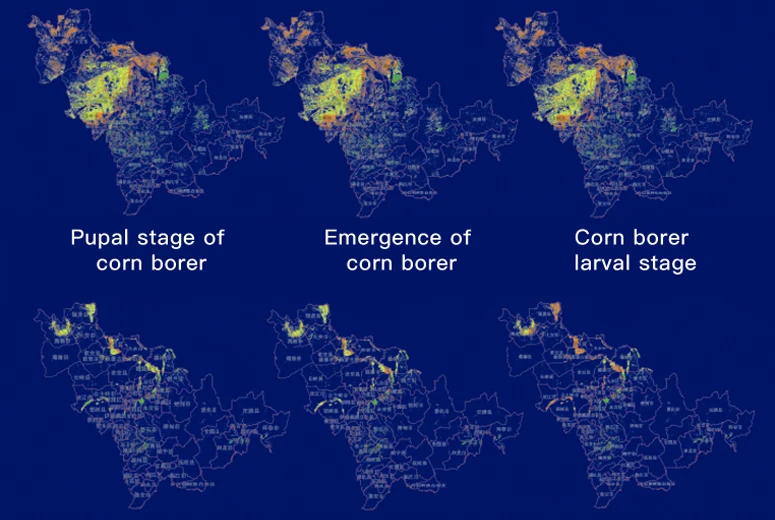
- Agri analytics: NDVI/RE indices, chlorophyll proxies; pilot sites reported NDVI agreement within ±0.02 vs. field spectrometer.
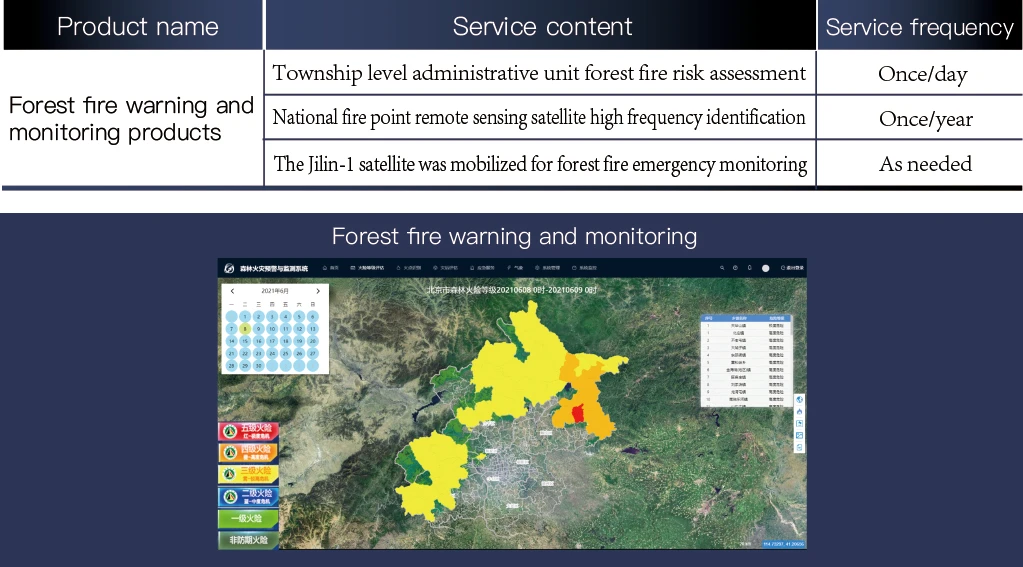
- Forestry: species mapping and stress detection; reduced false positives after rain events thanks to narrow NIR bands.
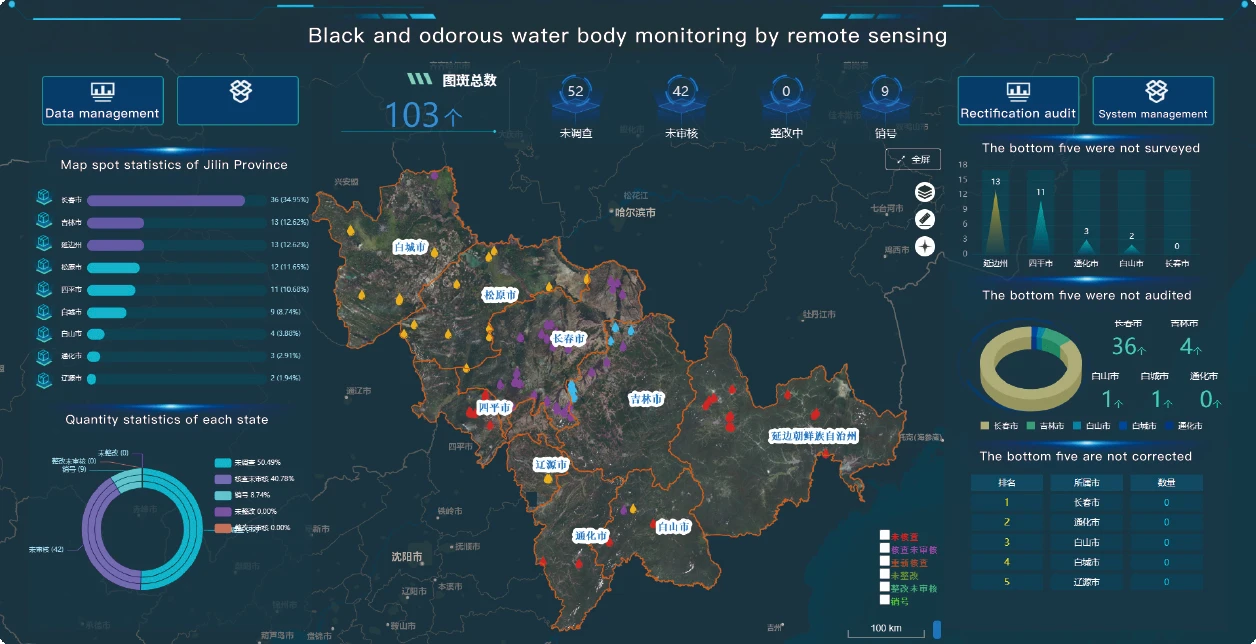
- Water bodies: algal bloom watch, turbidity mapping; cross‑checked with in‑situ reflectance, R² ≈0.88.
- Disaster response: burn severity maps at 5 m helped target replanting zones faster than legacy 10 m feeds.
Customer feedback: “Data is cleaner band‑to‑band, and the calibration workflow didn’t slow the team,” one integrator told me. Another mentioned the multispectral camera “held focus better across temperature swings than expected.”
Vendor snapshot (indicative)
| Vendor | Bands | Spatial res. | SNR | Notes |
|---|---|---|---|---|
| Space‑Navi (this model) | 19 | 5 m | High (>200:1) | Cook‑type off‑axis TMA; strong band registration |
| Vendor A (UAV‑class) | 5–10 | 5–10 cm | Medium | Great for fields; limited orbital use |
| Vendor B (satellite‑class) | 10–13 | 10 m | Medium–High | Fewer bands; strong catalog access |
Integration, customization, and compliance
Space‑Navi supports custom band placement, interface options (CameraLink/GigE/space‑rated harnesses), and bespoke baffling for stray‑light control. The multispectral camera is typically delivered with a calibration report, CE/RoHS documentation, and factory acceptance tests. For satellites, request ECSS‑compatible test plans and radiation tolerance notes.
Bottom line
If you need 5 m mapping with tight spectral behavior, this multispectral camera is a practical pick—especially when consistency across 19 bands matters more than flashy marketing numbers. The development pace (1 year) hints at an agile team, but the optics feel decidedly mature.
Authoritative references
- ISO 12233:2017—Photography—Electronic still picture imaging—Resolution and spatial frequency response.
- ISO 15739:2017—Photography—Electronic still-picture imaging—Noise measurements.
- ASTM E308—Standard Practice for Computing the Colors of Objects by Using the CIE System.
- NIST Handbook of Radiometric Calibration—Optical Radiation Measurements (NIST SP series).
- ECSS-E-ST-10-03—Space engineering: Testing (European Cooperation for Space Standardization).