GF Series Satellites With 0.75m Resolution - SpaceNavi Co., Ltd.|High-Resolution Imaging, Remote Sensing
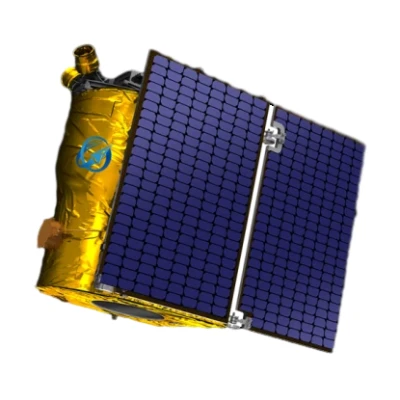
GF Series Satellites represent a significant leap in optical remote sensing technology, offering unprecedented clarity and versatility. Developed by SpaceNavi Co., Ltd., these satellites are designed to meet the growing demand for high-resolution data in various industries. With a resolution of 0.75 meters, the GF Series provides detailed imagery that is critical for applications ranging from environmental monitoring to urban planning. This article delves into the features, advantages, technical specifications, and applications of the GF Series, while also exploring the company behind this innovation.
Overview of the GF Series Satellites
The GF Series Satellites are a new generation of optical remote sensing satellites independently researched and developed by SpaceNavi Co., Ltd.. These satellites are engineered to deliver high-resolution imagery with exceptional accuracy, making them a valuable asset for a wide range of industries. The 0.75-meter resolution allows for the identification of small objects and features on the Earth's surface, enabling detailed analysis and decision-making. This level of detail is particularly beneficial for applications such as agriculture, disaster response, and infrastructure development.
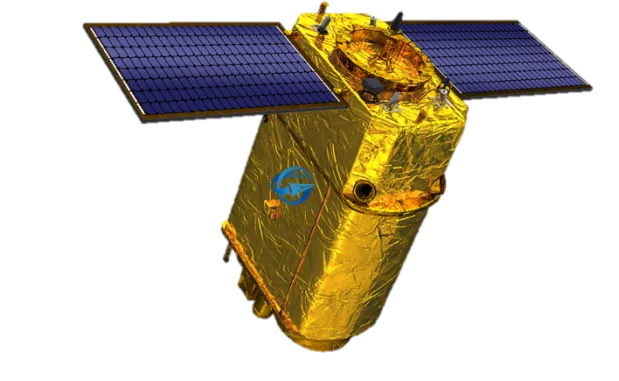
The GF Series Satellites are equipped with advanced imaging sensors that capture data across multiple spectral bands. This capability allows for the differentiation of various materials and features on the Earth's surface, enhancing the accuracy of remote sensing applications. Additionally, the satellites are designed to operate in a variety of weather conditions, ensuring consistent data collection even in challenging environments.
Key Features of the GF Series Satellites
The GF Series Satellites boast several key features that set them apart from other remote sensing satellites. One of the most notable features is their high-resolution imaging capability, which provides detailed and accurate data. This is achieved through the use of advanced optical systems and high-performance sensors. The satellites are also equipped with a wide range of spectral bands, enabling the collection of data that can be used for various applications, such as environmental monitoring and resource management.
Another important feature of the GF Series Satellites is their ability to operate in a variety of orbit configurations. This flexibility allows for the collection of data at different times and locations, ensuring that users have access to the most relevant information. Additionally, the satellites are designed to have a long operational lifespan, reducing the need for frequent replacements and minimizing costs.
Advantages of the GF Series Satellites
The GF Series Satellites offer several advantages that make them a preferred choice for remote sensing applications. One of the primary advantages is their high-resolution imaging capability, which provides detailed and accurate data. This is particularly useful for applications that require precise measurements, such as land use planning and environmental monitoring. The satellites' ability to capture data across multiple spectral bands also enhances their versatility, allowing for the analysis of different materials and features on the Earth's surface.
Another advantage of the GF Series Satellites is their reliability and durability. The satellites are designed to operate in a variety of weather conditions, ensuring consistent data collection even in challenging environments. This reliability is crucial for applications that require continuous monitoring, such as disaster response and agricultural management. Additionally, the satellites' long operational lifespan reduces the need for frequent replacements, making them a cost-effective solution for organizations that require ongoing remote sensing capabilities.
Technical Specifications of the GF Series Satellites
| Specification | Details |
|---|---|
| Resolution | 0.75 meters |
| Spectral Bands | Visible, Near-Infrared, Shortwave Infrared |
| Orbit Type | Low Earth Orbit (LEO) |
| Revisit Time | 1-3 days |
| Data Transmission Rate | Up to 10 Gbps |
| Operational Lifespan | 5-7 years |
Applications of the GF Series Satellites
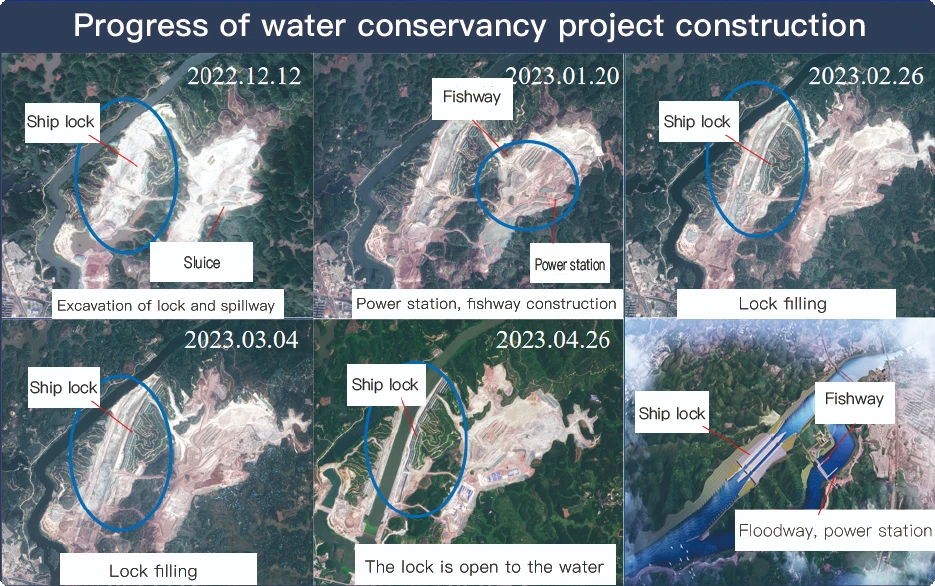
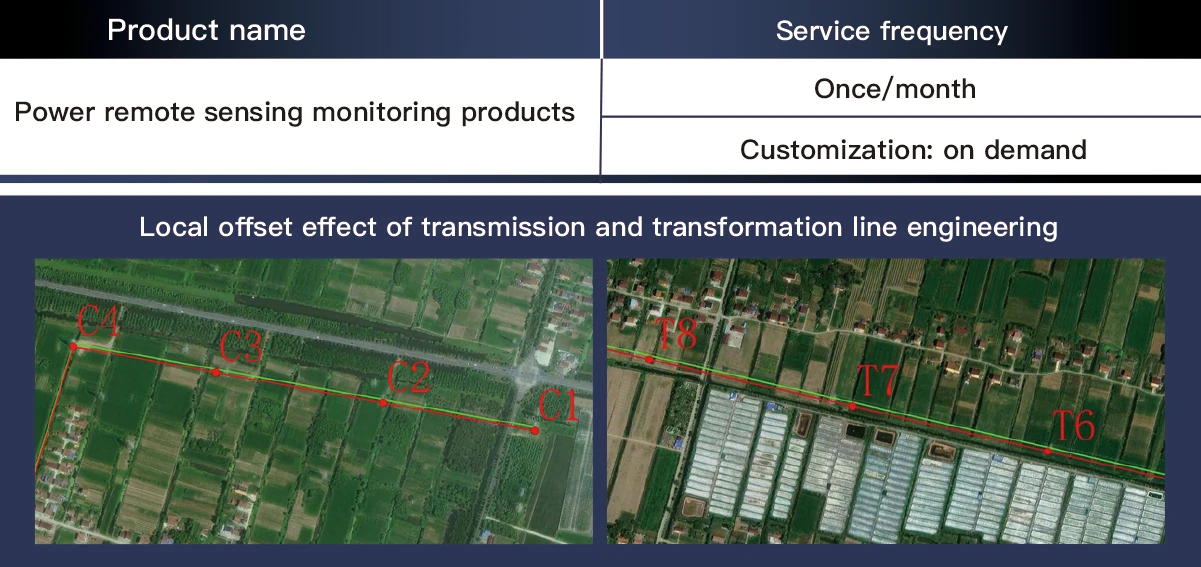
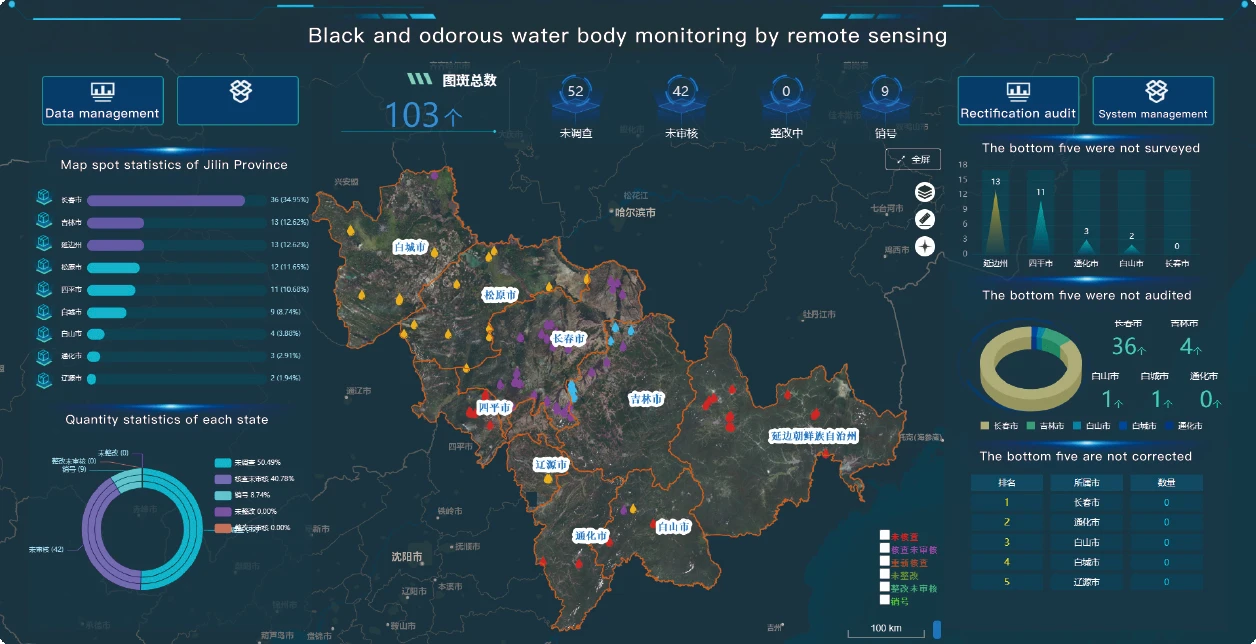
The GF Series Satellites have a wide range of applications across various industries. In the field of remote sensing, these satellites are used for environmental monitoring, providing data on deforestation, land use changes, and climate patterns. The high-resolution imagery allows for the detection of subtle changes in the environment, enabling timely interventions to mitigate potential issues.
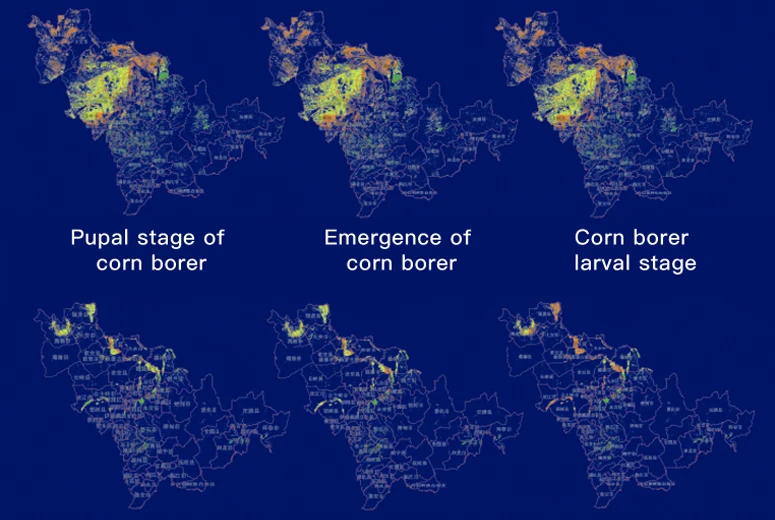
In the agricultural sector, the GF Series Satellites are used for crop monitoring and yield prediction. By analyzing the spectral data collected by the satellites, farmers can assess the health of their crops and make informed decisions about irrigation, fertilization, and pest control. This data-driven approach to agriculture helps increase productivity and reduce resource waste.
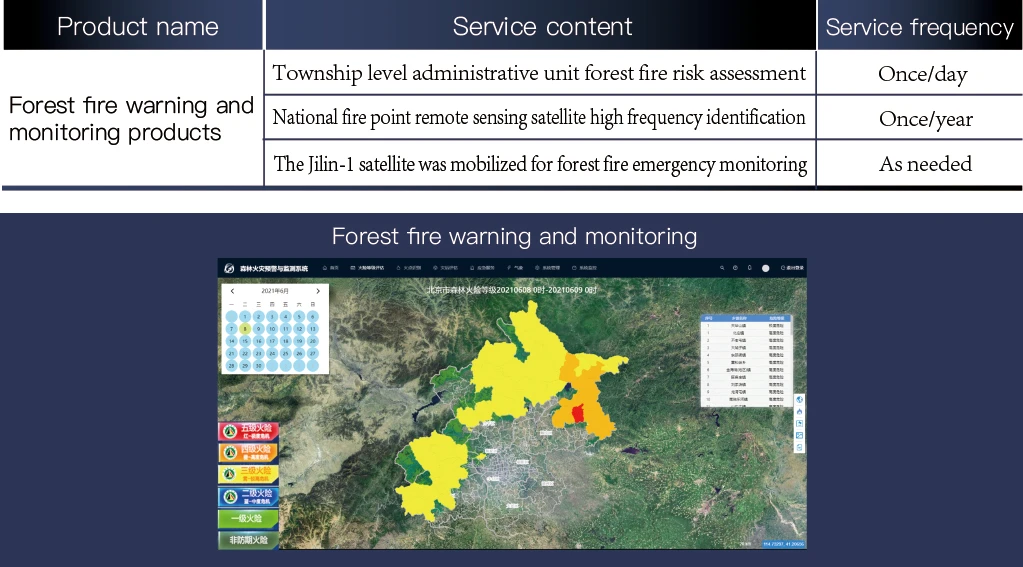
The satellites are also valuable in disaster response and management. During natural disasters such as floods, earthquakes, and wildfires, the GF Series Satellites provide critical data that helps in assessing the extent of damage and planning relief efforts. The high-resolution imagery allows for the identification of affected areas, enabling emergency responders to allocate resources more effectively.
Company Background: SpaceNavi Co., Ltd.
SpaceNavi Co., Ltd. is a leading company in the field of satellite technology and remote sensing solutions. With a focus on innovation and excellence, the company has developed a range of products and services that cater to the needs of various industries. The GF Series Satellites are a testament to the company's commitment to advancing remote sensing technology and providing high-quality solutions to its clients.
Founded with a vision to revolutionize the way data is collected and analyzed, SpaceNavi Co., Ltd. has established itself as a key player in the satellite industry. The company's expertise in satellite design, manufacturing, and data processing has enabled it to deliver cutting-edge solutions that meet the evolving needs of its customers. Through continuous research and development, the company strives to push the boundaries of what is possible in the field of remote sensing.
Integration with Satellite Communication Services
The GF Series Satellites are not only designed for remote sensing but also integrate seamlessly with satellite communication services. This integration allows for the transmission of data collected by the satellites to ground stations, where it can be processed and analyzed. The ability to combine remote sensing with satellite communication enhances the overall functionality of the satellites, making them a versatile tool for various applications.
By leveraging satellite communication services, the GF Series Satellites ensure that data is transmitted efficiently and reliably. This is particularly important for applications that require real-time data, such as weather monitoring and emergency response. The integration of these services also enables the satellites to operate in remote areas where traditional communication infrastructure may be limited.
Role in Artificial Intelligence and Satellite Technology
The GF Series Satellites are also at the forefront of integrating artificial intelligence (AI) with satellite technology. By incorporating AI algorithms, the satellites can analyze the data they collect more efficiently, identifying patterns and anomalies that may not be immediately apparent to human analysts. This AI-driven approach enhances the accuracy and speed of data processing, making the satellites more effective in their applications.
The use of artificial intelligence satellites like the GF Series is becoming increasingly important in the field of remote sensing. These satellites can autonomously make decisions based on the data they collect, reducing the need for manual intervention. This capability is particularly valuable for applications that require continuous monitoring, such as environmental protection and resource management.
Compliance with Industry Standards
The GF Series Satellites are designed to comply with industry standards and regulations, ensuring that they meet the highest levels of quality and performance. The development of these satellites has been guided by the principles of remote sensing and satellite communication, with a focus on delivering reliable and accurate data. The company has also collaborated with various organizations to ensure that its products align with the latest advancements in satellite technology.
According to the National Institute of Standards and Technology (NIST), "The development of high-resolution remote sensing satellites is crucial for advancing technological innovation and improving the accuracy of data collection." This statement underscores the importance of the GF Series Satellites in the broader context of satellite technology and remote sensing. NIST's research on measurement standards and technological advancements provides a framework for ensuring the reliability and accuracy of satellite data, which is essential for various applications.
Future Prospects and Innovations
Looking ahead, SpaceNavi Co., Ltd. is committed to further innovating the GF Series Satellites to meet the evolving needs of its clients. The company is investing in research and development to enhance the capabilities of its satellites, including improvements in resolution, data processing, and integration with emerging technologies such as artificial intelligence and satellite communication services. These efforts are aimed at ensuring that the GF Series Satellites remain at the forefront of remote sensing technology.
The future of the GF Series Satellites also involves expanding their applications to new industries and markets. By collaborating with other organizations and leveraging the latest advancements in satellite technology, SpaceNavi Co., Ltd. aims to create solutions that address a wide range of challenges and opportunities. This forward-thinking approach ensures that the GF Series Satellites continue to deliver value and innovation to their users.
Conclusion
The GF Series Satellites with a resolution of 0.75 meters represent a significant advancement in remote sensing technology. Developed by SpaceNavi Co., Ltd., these satellites offer high-resolution imagery, advanced spectral capabilities, and reliable data collection. Their applications span various industries, from environmental monitoring to disaster response, making them a versatile and valuable tool. As the company continues to innovate and expand its offerings, the GF Series Satellites are poised to play a crucial role in shaping the future of remote sensing and satellite technology.
References
1. National Institute of Standards and Technology (NIST). (n.d.). https://www.nist.gov. Retrieved from https://www.nist.gov
2. SpaceNavi Co., Ltd. (n.d.). https://www.space-navi.com. Retrieved from https://www.space-navi.com
3. NIST. (2025). NIST Engineers Design 5 New Ways to Connect Concrete Pieces for More Resilient Buildings. Retrieved from https://www.nist.gov/news-events/news/2025/09/nist-engineers-design-5-new-ways-connect-concrete-pieces-more-resilient-buildings
4. NIST. (2025). CAISI Evaluation of DeepSeek AI Models Finds Shortcomings and Risks. Retrieved from https://www.nist.gov/news-events/news/2025/09/caisi-evaluation-deepseek-ai-models-finds-shortcomings-and-risks