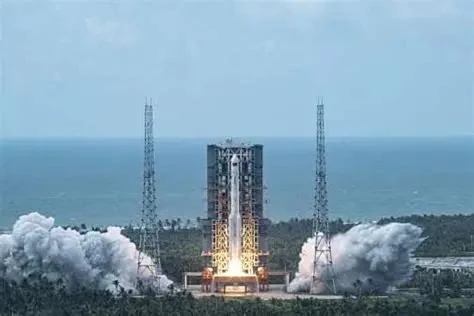
GF Series Satellites 0.75m - SpaceNavi | Remote Sensing, Satellite Tech
SpaceNavi Co., Ltd., a leading innovator in satellite technology, has introduced the GF Series Satellites with an unprecedented resolution of 0.75 meters. These cutting-edge optical remote sensing satellites represent a significant advancement in Earth observation capabilities, offering unparalleled precision and versatility for a wide range of applications. This article provides an in-depth analysis of the GF Series satellites, their technical specifications, potential uses, and the company behind this groundbreaking technology.
Product Overview
The GF Series Satellites are the latest addition to SpaceNavi's portfolio of advanced satellite systems. Developed in-house by the company, these satellites are designed to deliver high-resolution imagery for applications ranging from environmental monitoring to urban planning. The 0.75-meter resolution allows for detailed observation of terrestrial features, making them a valuable tool for both commercial and governmental sectors.
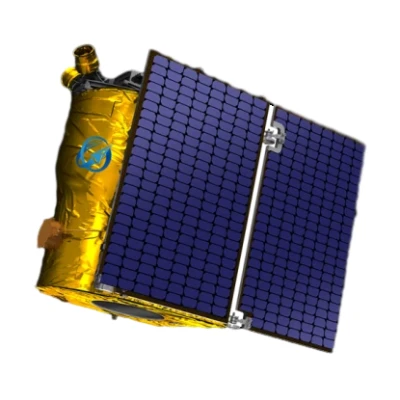
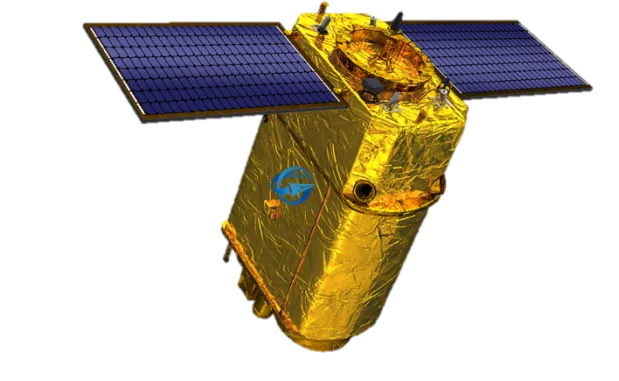
Technical Specifications
| Specification | Details |
|---|---|
| Resolution | 0.75 meters (panchromatic), 3 meters (multispectral) |
| Orbit Type | Low Earth Orbit (LEO) |
| Revisit Time | Less than 4 days (depending on constellation) |
| Sensor Type | Optical remote sensing |
| Data Transmission | High-speed downlink via X-band and Ka-band |
| Weight | Approximately 1,200 kg |
| Power System | Solar panels with advanced energy storage |
| Operational Lifespan | 5+ years |
Key Features and Advantages
The GF Series satellites are equipped with state-of-the-art technology that sets them apart from traditional remote sensing systems. Here are some of their standout features:
- High-Resolution Imagery: The 0.75-meter resolution enables the capture of detailed images, making it possible to identify small objects and features on the ground.
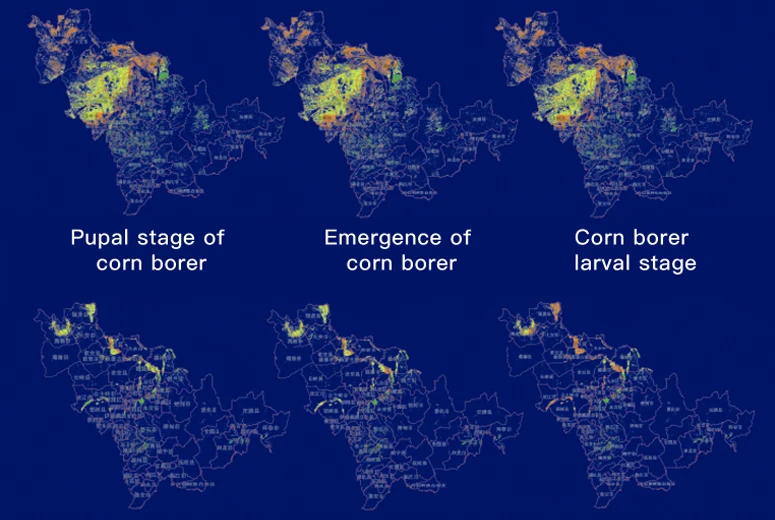
- Advanced Sensor Technology: Utilizing cutting-edge optical sensors, the satellites can collect data across multiple spectral bands, enhancing the accuracy of environmental and agricultural analyses.
- Fast Revisit Times: With a revisit time of less than 4 days, the GF Series ensures timely data acquisition, which is crucial for monitoring dynamic environments such as disaster zones or agricultural areas.
- High Data Transmission Rates: The satellites are equipped with high-speed data transmission capabilities, allowing for rapid delivery of imagery to end-users.
- Energy Efficiency: The advanced power system ensures optimal performance and longevity, even in challenging orbital conditions.
Applications and Use Cases
The versatility of the GF Series satellites makes them suitable for a wide range of applications. Some of the key areas where these satellites can be utilized include:
Environmental Monitoring
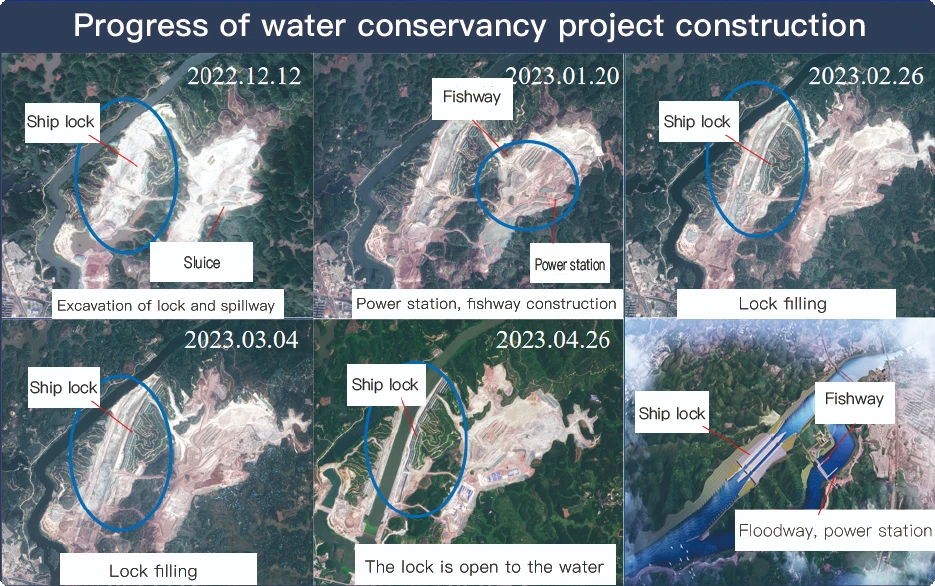
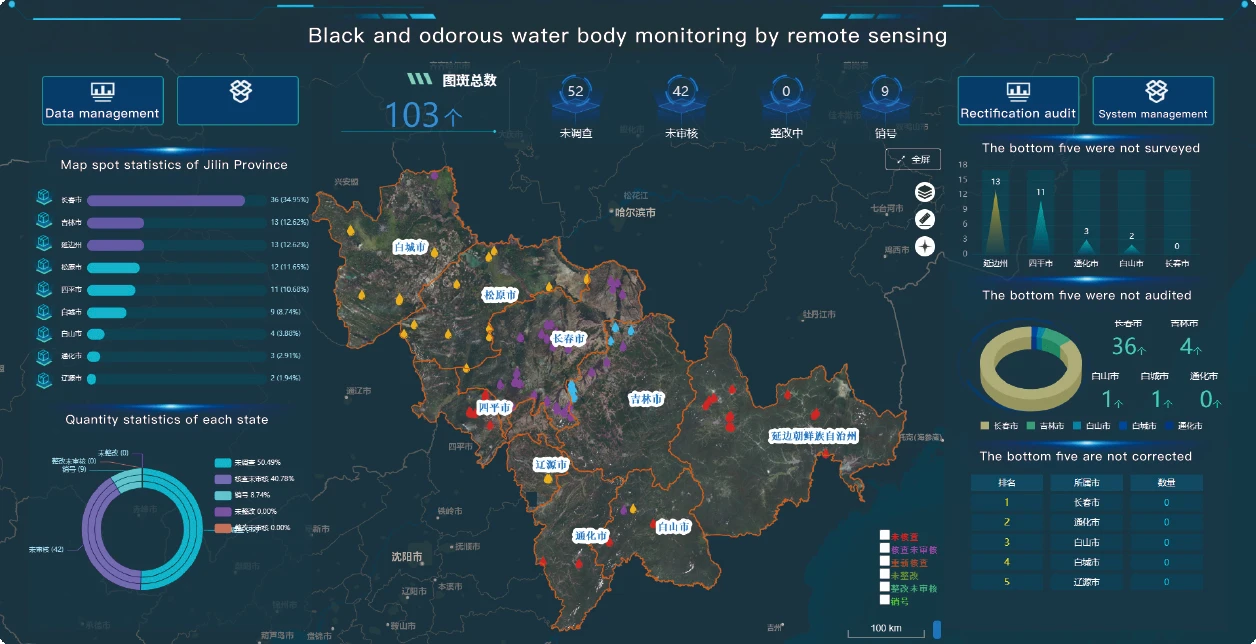
With their high-resolution capabilities, the GF Series satellites can monitor changes in ecosystems, track deforestation, and assess the impact of climate change. This data is invaluable for researchers and policymakers working to preserve natural resources.
Urban Planning and Development
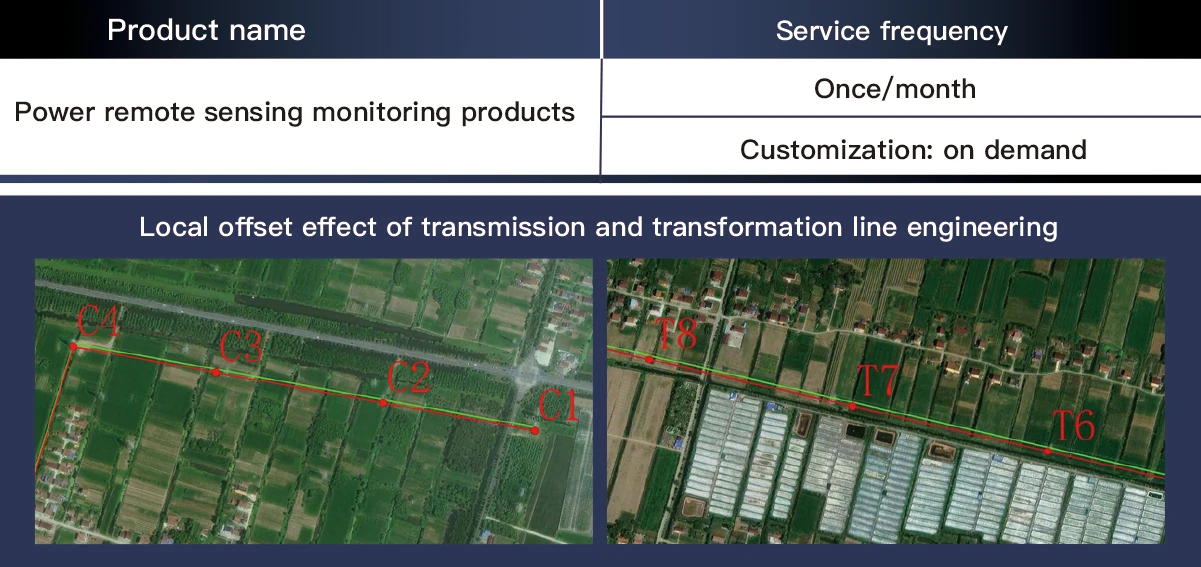
City planners and developers can leverage the detailed imagery provided by these satellites to design infrastructure, manage land use, and monitor urban growth. The ability to capture up-to-date information ensures that planning decisions are based on accurate data.
Disaster Response and Management
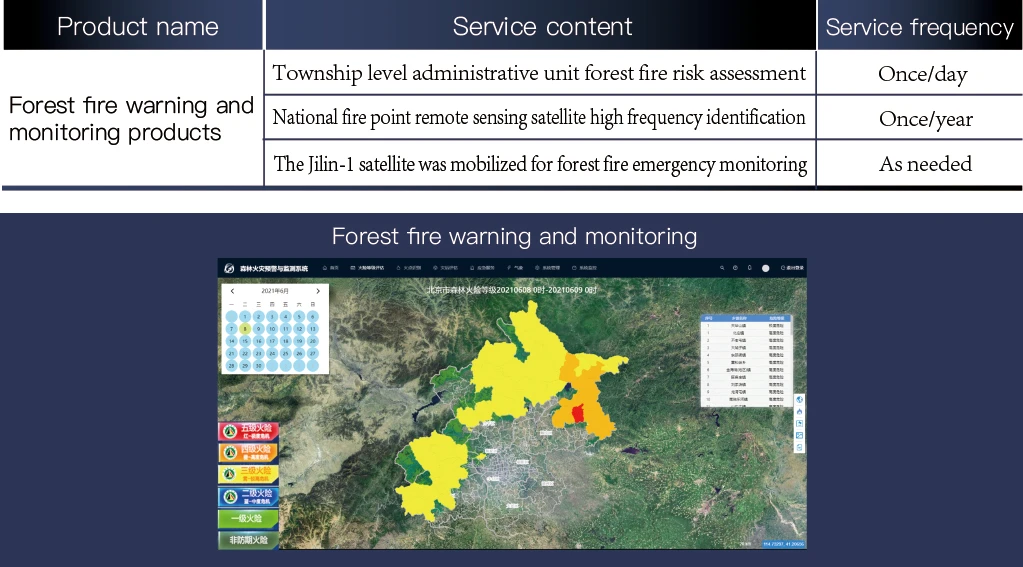
In the event of natural disasters such as earthquakes or floods, the GF Series satellites can quickly provide critical information to aid in rescue operations and damage assessment. Their fast revisit times ensure that the latest data is available for decision-making.
AgriTech and Agriculture
For the agricultural sector, the satellites can monitor crop health, assess soil conditions, and predict yields. This information helps farmers optimize their practices and improve productivity.
Security and Defense
The high-resolution imagery and rapid data transmission capabilities of the GF Series satellites make them an asset for security and defense applications. They can be used for surveillance, border monitoring, and tracking of potential threats.
Company Background
SpaceNavi Co., Ltd. is a prominent player in the satellite technology industry, known for its innovative solutions and commitment to excellence. Based in Ningbo, China, the company has established itself as a leader in the development of advanced satellite systems. With a focus on research and development, SpaceNavi has consistently pushed the boundaries of what is possible in the field of remote sensing.
The company's expertise in satellite technology is reflected in the GF Series satellites, which are a testament to its dedication to providing high-quality, reliable solutions. SpaceNavi's mission is to harness the power of space technology to address global challenges and support sustainable development.
Industry Context and Market Position
The GF Series Satellites are part of a broader trend in the satellite industry towards higher-resolution imaging and more efficient data collection. As the demand for real-time Earth observation data continues to grow, companies like SpaceNavi are at the forefront of developing technologies that meet these needs.
According to a report by the National Institute of Standards and Technology (NIST), the accuracy and reliability of remote sensing data are critical for various applications, including environmental monitoring and disaster response. The GF Series satellites align with these standards, offering a reliable source of high-quality data.
Future Prospects and Innovations
Looking ahead, SpaceNavi Co., Ltd. is poised to continue its innovation in satellite technology. The company is actively exploring advancements in artificial intelligence (AI) and machine learning to enhance the capabilities of its satellites. By integrating AI into data processing, SpaceNavi aims to provide even more insightful and actionable information to its users.
The potential for the GF Series satellites to be part of a larger constellation is also a promising avenue for future development. A constellation of satellites could significantly improve the revisit time and coverage, making the data even more accessible and valuable for a wide range of applications.
Conclusion
The GF Series Satellites represent a significant leap forward in the field of remote sensing. With their high-resolution capabilities, advanced sensor technology, and diverse applications, these satellites are set to make a lasting impact on industries ranging from agriculture to defense. As SpaceNavi Co., Ltd. continues to innovate and expand its offerings, the future of Earth observation looks brighter than ever.
References
1. National Institute of Standards and Technology (NIST). (n.d.). Standards for Remote Sensing Data Accuracy. Retrieved from https://www.nist.gov/