GF Series Satellites 0.75m - SpaceNavi|High-Resolution Imaging&Multi-Spectral Analysis
The GF Series satellites, developed by SpaceNavi Co., Ltd., represent a significant leap forward in optical remote sensing technology. With a resolution of 0.75 meters, these satellites are designed to deliver high-precision imagery for a wide range of applications, from environmental monitoring to urban planning. This article explores the features, advantages, technical specifications, and real-world applications of the GF Series, while also highlighting the company behind this innovation.
Product Features
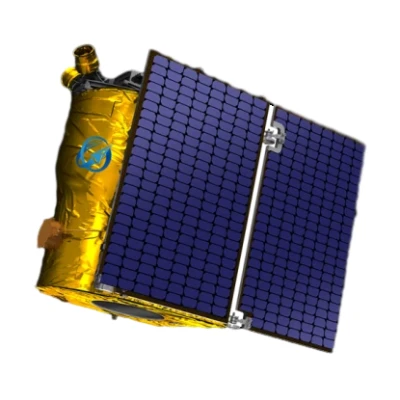
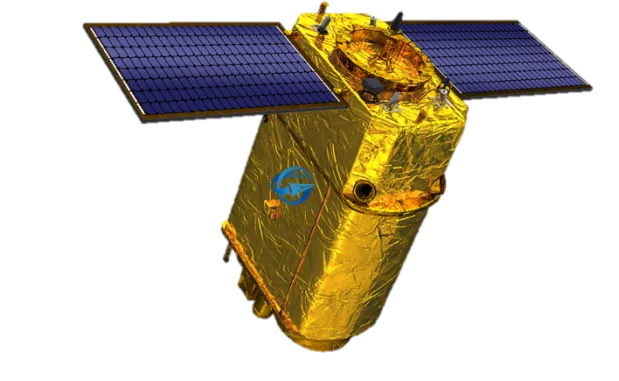
The GF Series satellites are part of the new generation of optical remote sensing satellites independently researched and developed by SpaceNavi Co., Ltd. These satellites are equipped with advanced imaging systems that enable them to capture detailed images of the Earth's surface with a resolution of 0.75 meters. This level of detail allows for the identification of small objects and features, making the GF Series an invaluable tool for various industries.
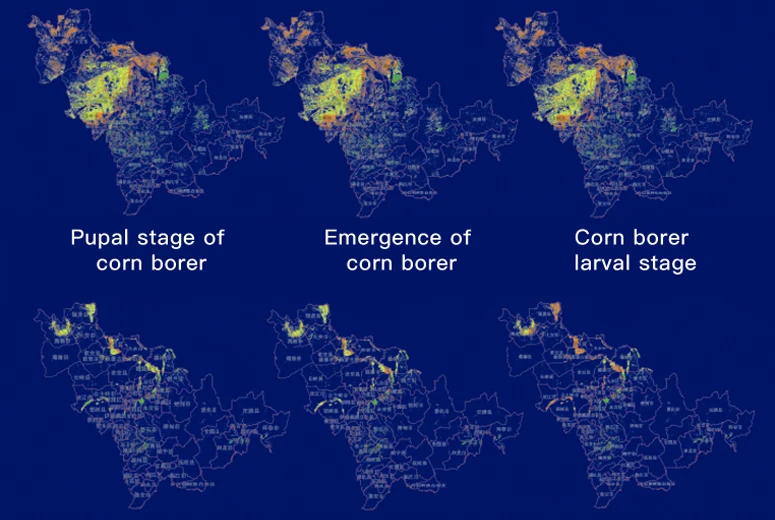
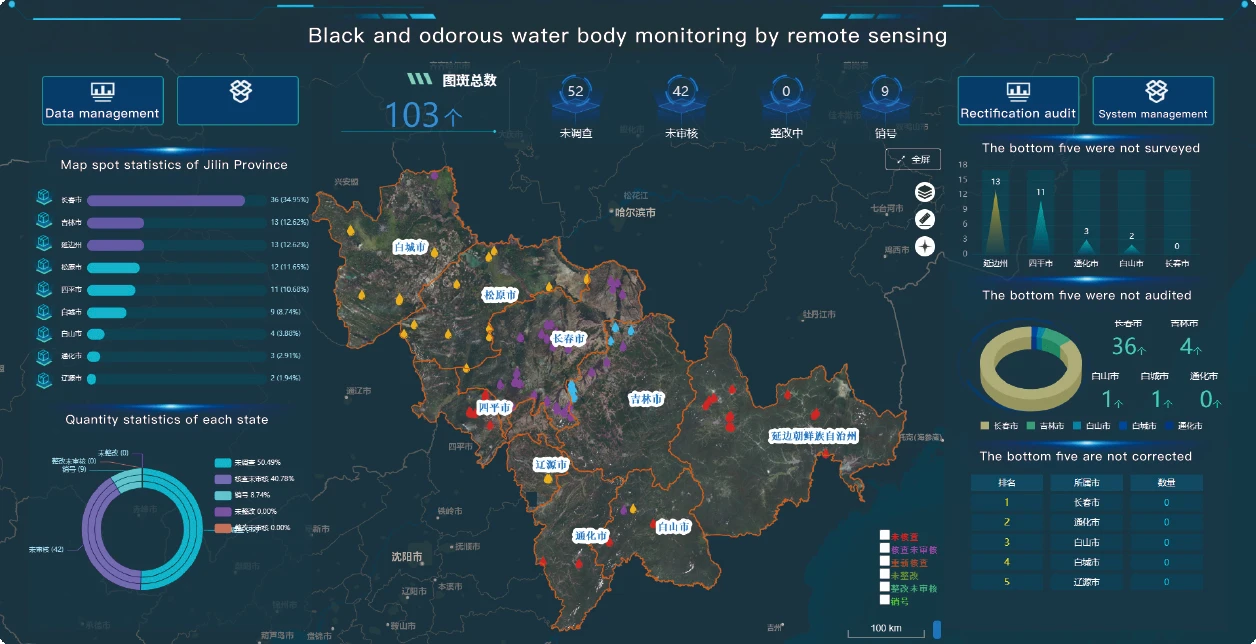
One of the standout features of the GF Series is its ability to provide high-resolution imagery in multiple spectral bands. This capability enhances the satellites' ability to analyze different aspects of the environment, such as vegetation health, water quality, and land use. The satellites also incorporate advanced data processing algorithms, ensuring that the collected data is accurate and reliable.
Additionally, the GF Series satellites are designed for efficient operation in low Earth orbit, allowing for frequent revisits to the same area. This feature is particularly useful for monitoring dynamic environments, such as agricultural fields or urban areas, where changes occur rapidly. The satellites' robust design and reliable performance make them a preferred choice for organizations seeking consistent and high-quality data.
Advantages of the GF Series Satellites
The GF Series satellites offer several advantages that set them apart from other remote sensing technologies. One of the primary benefits is their high-resolution imaging capability, which allows for the detection of small details that other satellites may miss. This level of detail is crucial for applications such as disaster response, where quick and accurate assessments are essential.
Another significant advantage of the GF Series is its versatility. The satellites can be used in various industries, including agriculture, environmental monitoring, and urban planning. Their ability to capture data in multiple spectral bands makes them suitable for a wide range of applications, from assessing crop health to monitoring deforestation. This versatility ensures that the GF Series can meet the diverse needs of different users.
Furthermore, the GF Series satellites are designed for efficient data collection and transmission. Their advanced communication systems enable the rapid transfer of data to ground stations, ensuring that users receive timely and accurate information. This efficiency is particularly important for time-sensitive applications, such as weather forecasting and emergency response.
Technical Specifications
| Specification | Details |
|---|---|
| Resolution | 0.75 meters |
| Orbit Type | Low Earth Orbit (LEO) |
| Spectral Bands | Multi-spectral (Visible, Near-Infrared) |
| Data Transmission Rate | High-speed communication systems |
| Revisit Time | Varies based on mission requirements |
| Launch Date | 2023 (as per company reports) |
Applications of the GF Series Satellites
The GF Series satellites have a wide range of applications across various industries. In the agricultural sector, they are used to monitor crop health, assess soil conditions, and optimize irrigation practices. By providing high-resolution imagery, these satellites enable farmers to make informed decisions that can increase yields and reduce resource waste.
In environmental monitoring, the GF Series satellites play a crucial role in tracking changes in ecosystems, such as deforestation, urban expansion, and climate change impacts. Their ability to capture detailed images allows scientists and policymakers to develop effective strategies for conservation and sustainable development.
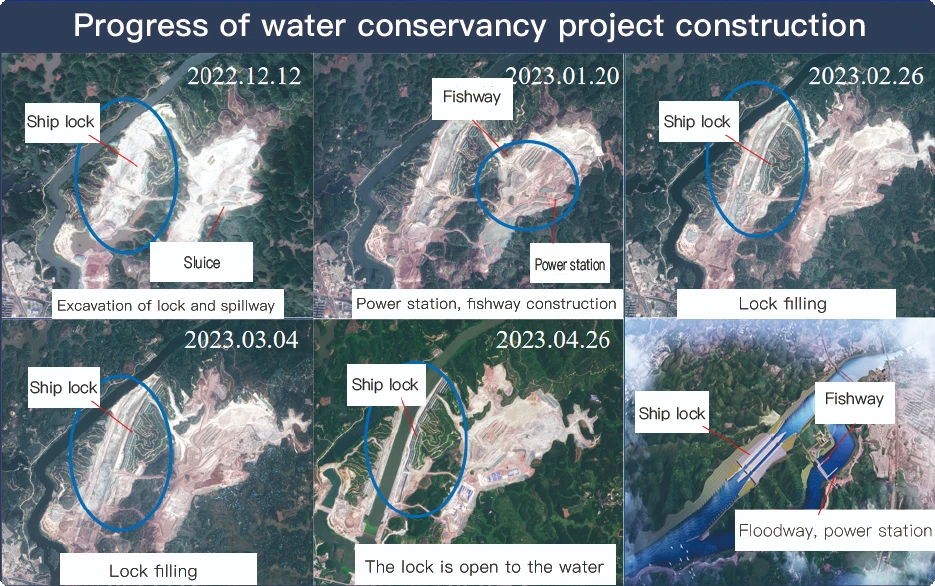
The satellites are also used in urban planning and infrastructure development. City planners can use the high-resolution data to monitor construction progress, assess land use, and plan for future growth. This information is essential for creating sustainable and efficient urban environments.
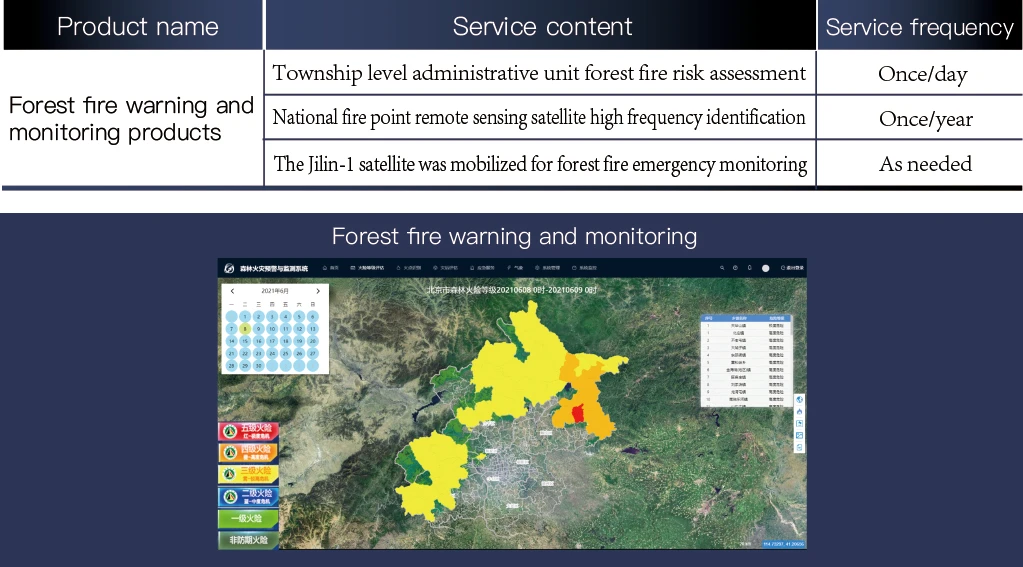
Additionally, the GF Series satellites are valuable tools for disaster management. They can be used to assess damage after natural disasters, such as floods or earthquakes, and support relief efforts. Their high-resolution imagery provides critical information that helps emergency responders make informed decisions.
Company Background: SpaceNavi Co., Ltd.
SpaceNavi Co., Ltd. is a leading company in the field of satellite technology and remote sensing solutions. With a commitment to innovation and excellence, the company has established itself as a key player in the industry. SpaceNavi's mission is to provide cutting-edge satellite technology that meets the evolving needs of various sectors.
As a pioneer in the development of optical remote sensing satellites, SpaceNavi has consistently pushed the boundaries of what is possible in the field. The GF Series is a testament to the company's dedication to delivering high-quality, reliable solutions. By focusing on research and development, SpaceNavi ensures that its products remain at the forefront of technological advancements.
SpaceNavi's expertise extends beyond satellite technology. The company also offers comprehensive satellite communication services, ensuring that users can access and utilize the data collected by the GF Series satellites efficiently. This holistic approach to satellite solutions makes SpaceNavi a trusted partner for organizations seeking reliable and innovative technology.
Conclusion
The GF Series satellites with a 0.75m resolution represent a significant advancement in remote sensing technology. Their high-resolution imaging capabilities, versatility, and efficient data collection make them an essential tool for various industries. As SpaceNavi Co., Ltd. continues to innovate, the GF Series is poised to play a crucial role in shaping the future of remote sensing and satellite technology.
References
For more information on the technical standards and research related to satellite technology, refer to the National Institute of Standards and Technology (NIST) website. NIST's work in developing measurement standards and advanced technologies ensures that innovations like the GF Series meet rigorous benchmarks.
Keywords
types of remote sensing satellites are essential for various applications, from environmental monitoring to urban planning. Starlink satellite internet is a notable player in the satellite communication sector, but the GF Series offers unique advantages in optical remote sensing. Satellite communication services are vital for data transmission, and the GF Series integrates these services effectively. Artificial intelligence satellite technology is increasingly relevant, and the GF Series incorporates advanced algorithms for data processing.