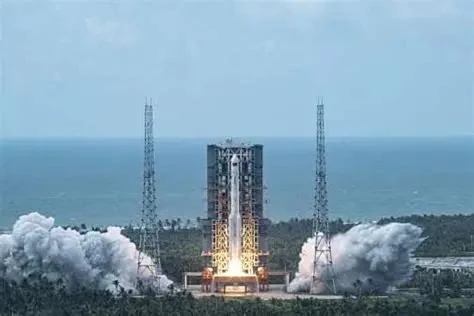
GF Series Satellites 0.75m - SpaceNavi | High-Resolution Imaging, AI-Driven Data Processing
The GF Series Satellites represent a groundbreaking advancement in optical remote sensing technology, offering a resolution of 0.75 meters. Developed by SpaceNavi Co., Ltd., these satellites are designed to deliver unparalleled clarity and precision for a wide range of applications. This article explores the features, advantages, technical specifications, and real-world applications of the GF Series, along with insights into the company behind this innovation.
Company Background: SpaceNavi Co., Ltd.
SpaceNavi Co., Ltd., based in Ningbo, China, is a leading provider of satellite technology and remote sensing solutions. With a focus on developing cutting-edge remote sensing satellites, the company has established itself as a key player in the global space industry. Their commitment to innovation is evident in the GF Series, which combines advanced optical systems with AI-driven data processing to meet the demands of modern industries.
SpaceNavi's expertise extends beyond satellite manufacturing. The company also offers satellite communication services and integrates artificial intelligence satellite technologies to enhance data analysis and operational efficiency. Their solutions cater to sectors such as agriculture, urban planning, and disaster management, demonstrating a holistic approach to satellite technology.
Product Features: Precision and Innovation
The GF Series Satellites are engineered to deliver exceptional performance. Key features include:
- High-Resolution Imaging: With a resolution of 0.75 meters, these satellites capture detailed images of the Earth's surface, enabling precise monitoring and analysis.
- Optical Remote Sensing: Utilizing advanced optical systems, the satellites collect data across multiple spectral bands, enhancing their ability to detect and analyze environmental changes.
- AI Integration: The satellites incorporate artificial intelligence to automate data processing, reducing the time required for analysis and improving accuracy.
- Global Coverage: Designed for wide-area surveillance, the GF Series supports real-time monitoring of large regions, making it ideal for applications like agriculture and disaster response.
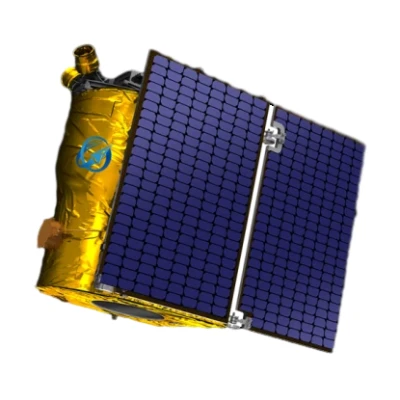
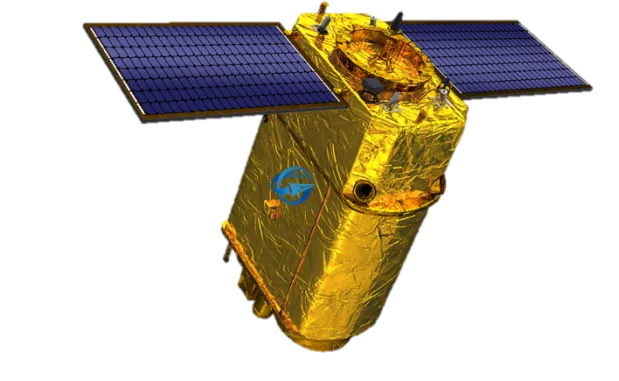
Technical Specifications: A Closer Look
The GF Series Satellites are equipped with state-of-the-art technology to ensure optimal performance. Below is a detailed breakdown of their specifications:
| Parameter | Details |
|---|---|
| Resolution | 0.75 meters (panchromatic) |
| Spectral Bands | Visible (Red, Green, Blue) and Near-Infrared |
| Revisit Time | 1-3 days (depending on orbit and location) |
| Data Transmission Rate | Up to 10 Gbps |
| Orbit | Low Earth Orbit (LEO), 500 km altitude |
| Weight | Approximately 500 kg |
Advantages: Why the GF Series Stands Out
The GF Series Satellites offer several advantages over traditional remote sensing systems:
- Enhanced Clarity: The 0.75m resolution allows for the detection of small objects and subtle changes in the environment, making it ideal for applications like urban planning and infrastructure monitoring.
- Real-Time Data: With rapid revisit times, the satellites provide up-to-date information, critical for time-sensitive applications such as disaster response and agricultural management.
- Cost-Effectiveness: By integrating AI for data processing, the GF Series reduces the need for extensive post-processing, lowering operational costs.
- Scalability: The satellites can be deployed in constellations to cover larger areas, offering flexible solutions for diverse industries.
Application Scenarios: Diverse Uses of the GF Series
The versatility of the GF Series Satellites makes them suitable for a wide range of applications:
1. Agriculture Monitoring
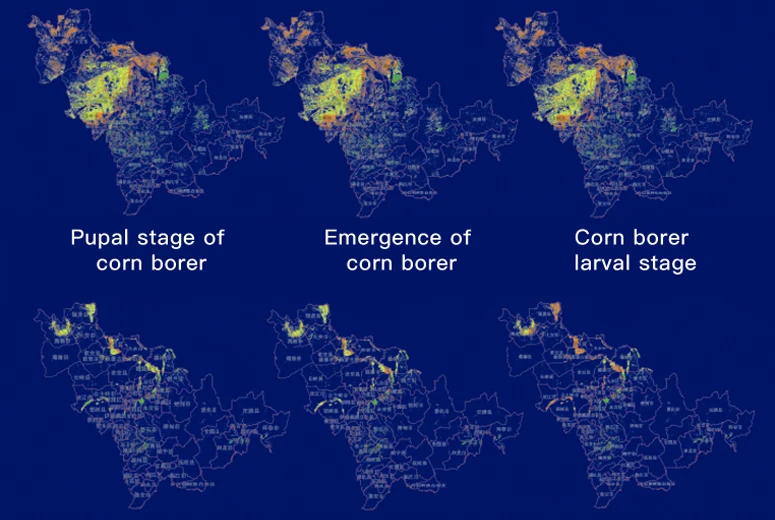
Farmland managers can use the satellites to monitor crop health, detect pests, and optimize irrigation. The high-resolution images provide insights into soil conditions and yield predictions, enabling data-driven farming decisions.
2. Urban Planning
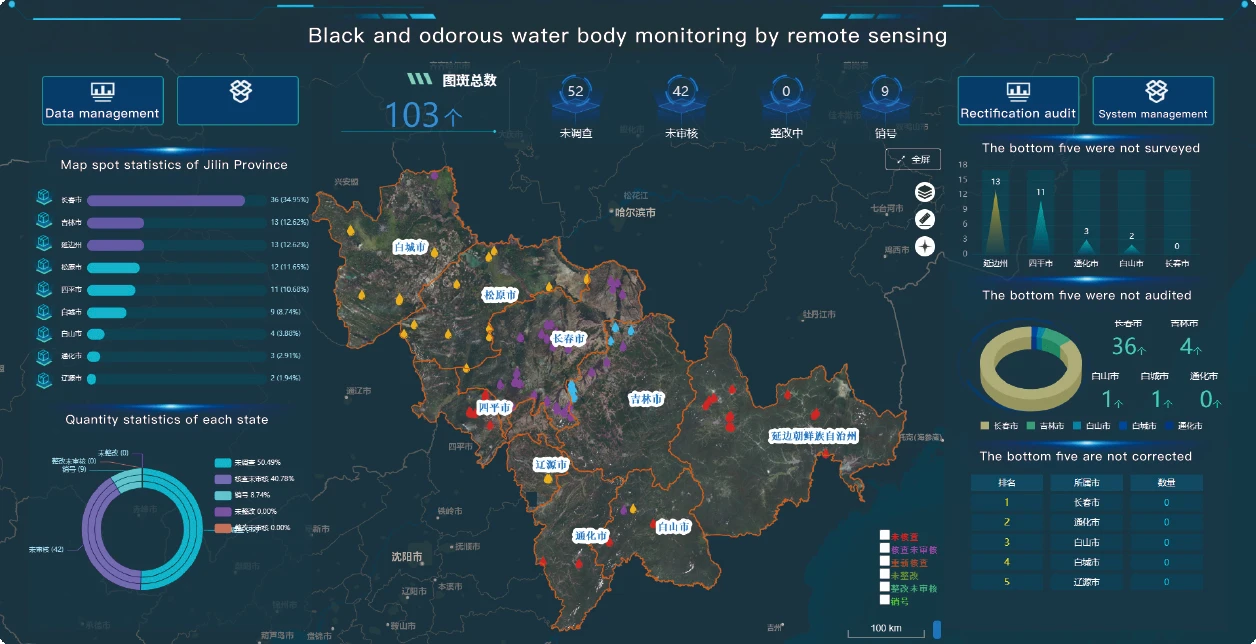
City planners leverage the GF Series for mapping and monitoring urban development. The satellites help identify infrastructure needs, track population growth, and assess environmental impacts, ensuring sustainable city planning.
3. Disaster Management
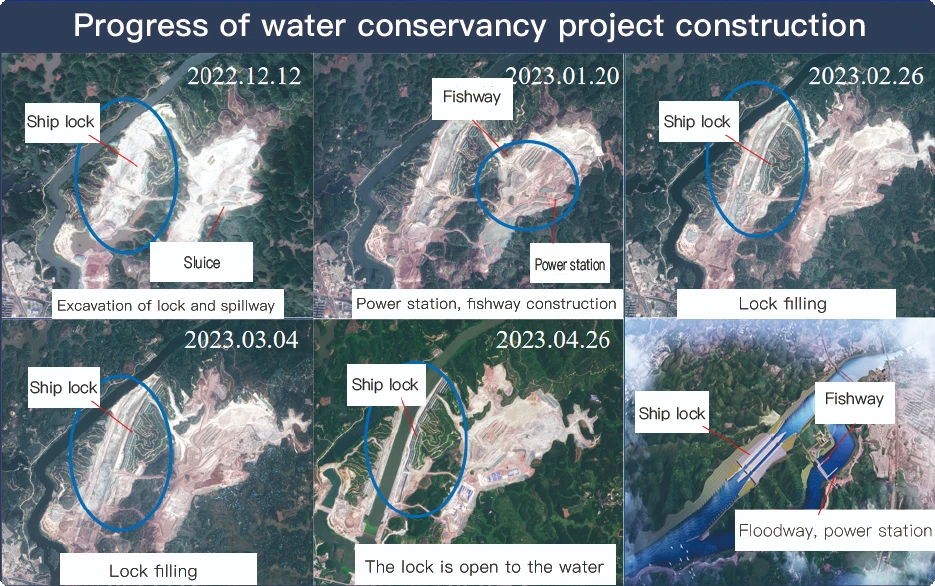
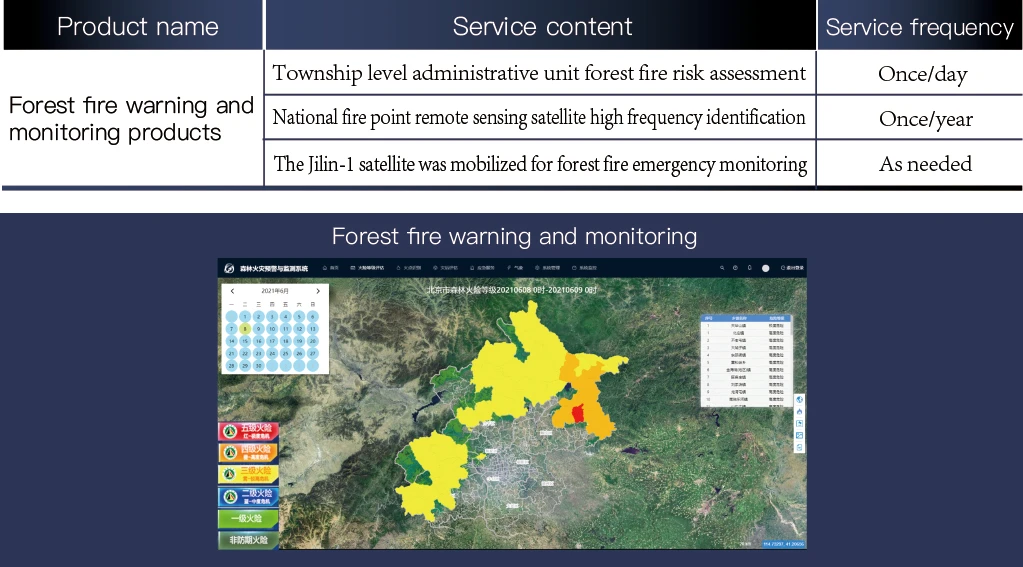
In the event of natural disasters like floods or wildfires, the GF Series offers real-time imaging to assess damage and guide relief efforts. The satellites' ability to capture detailed data quickly is invaluable for emergency response teams.
4. Environmental Conservation
Environmental agencies use the GF Series to monitor deforestation, track wildlife habitats, and assess climate change impacts. The satellites' spectral analysis capabilities aid in identifying ecological changes and supporting conservation initiatives.
5. National Security
Government agencies employ the GF Series for border surveillance, infrastructure security, and military reconnaissance. The satellites' high-resolution imaging and global coverage enhance situational awareness and strategic planning.
Integration with Satellite Communication Services
SpaceNavi's satellite communication services complement the GF Series by ensuring seamless data transmission. This integration allows users to access real-time satellite imagery and analysis, even in remote or underserved areas. The combination of high-resolution imaging and reliable communication systems makes the GF Series a comprehensive solution for modern remote sensing needs.
Authoritative Citations and References
The development of high-resolution remote sensing satellites aligns with standards and research initiatives supported by institutions like the National Institute of Standards and Technology (NIST). While specific data on the GF Series may not be publicly available, NIST's role in advancing measurement science and technology underscores the importance of precision in satellite systems. For further information on NIST's contributions to remote sensing and satellite technology, visit https://www.nist.gov.
Conclusion: The Future of Remote Sensing
The GF Series Satellites exemplify the future of optical remote sensing, combining high-resolution imaging, AI-driven analytics, and global coverage. As industries increasingly rely on satellite data for decision-making, SpaceNavi's innovation positions the GF Series as a vital tool for addressing complex challenges in agriculture, urban planning, disaster management, and beyond. With continued advancements in satellite technology, the GF Series sets a new benchmark for accuracy, efficiency, and application versatility.
References
National Institute of Standards and Technology (NIST). (n.d.). Driving Innovation. Retrieved from https://www.nist.gov.