GF Series Satellites 0.75m - SpaceNavi|High-Res Remote Sensing&AI
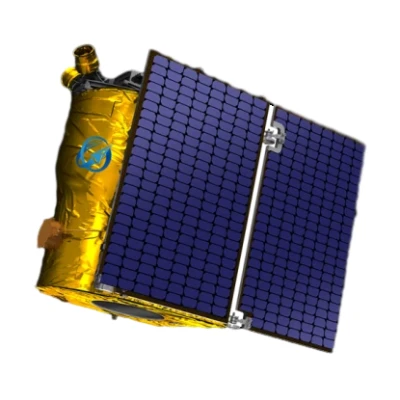
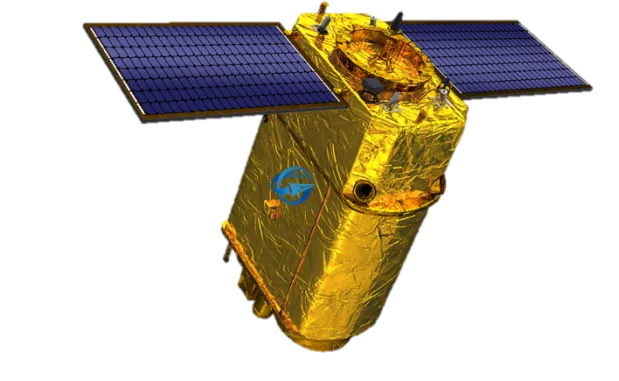
The GF Series satellites, developed by SpaceNavi Co., Ltd., represent a significant leap in optical remote sensing technology. These satellites offer a remarkable resolution of 0.75 meters, enabling unprecedented detail in Earth observation. As part of the company's commitment to advancing space technology, the GF Series is designed to meet the growing demand for high-resolution data across various industries. This article explores the features, technical specifications, applications, and the company's role in the satellite technology sector.
Product Features and Advantages
The GF Series satellites are engineered to deliver exceptional performance in remote sensing applications. With a resolution of 0.75 meters, these satellites can capture detailed imagery that is critical for tasks such as urban planning, environmental monitoring, and disaster management. The advanced optical sensors used in the GF Series ensure high-quality data collection, even under challenging atmospheric conditions. This level of precision allows users to make informed decisions based on accurate and up-to-date information.
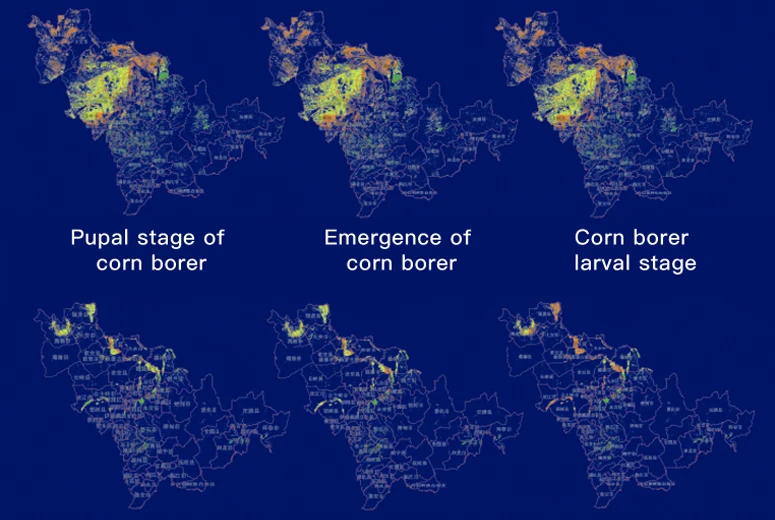
One of the key advantages of the GF Series is its ability to support multiple applications. Whether it's monitoring agricultural fields, tracking changes in forest cover, or assessing urban development, the satellites provide versatile solutions. The integration of artificial intelligence (AI) in the data processing pipeline further enhances the satellites' capabilities, enabling automated analysis and real-time insights. This synergy between AI and satellite technology positions the GF Series as a leader in the types of remote sensing satellites market.
Technical Specifications
| Specification | Details |
|---|---|
| Resolution | 0.75 meters (panchromatic), 3 meters (multispectral) |
| Orbit Type | Low Earth Orbit (LEO) |
| Sensor Technology | Optical Remote Sensing |
| Data Transmission | High-speed satellite communication services |
| Revisit Time | As frequent as 1-2 days |
| Applications | Environmental monitoring, agriculture, urban planning, disaster response |
Applications and Use Cases
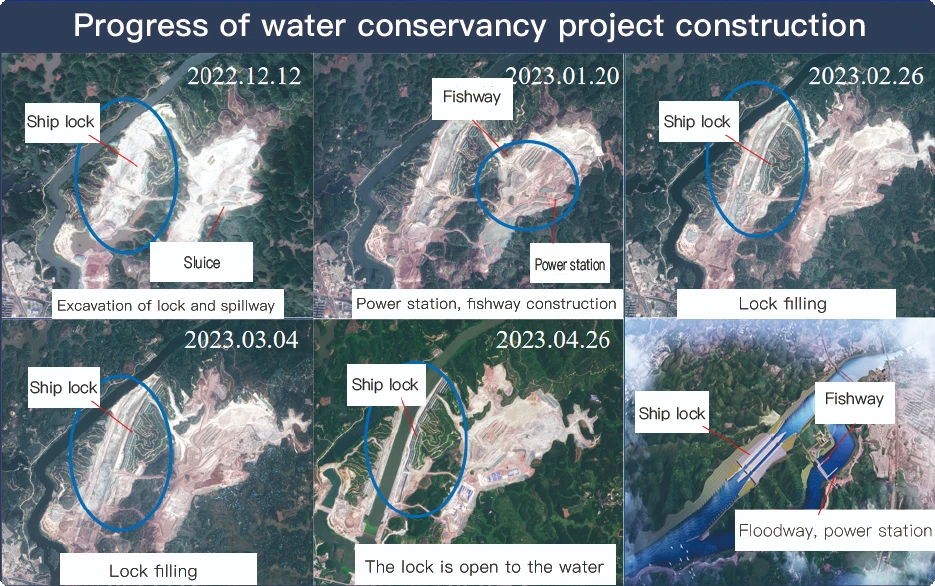
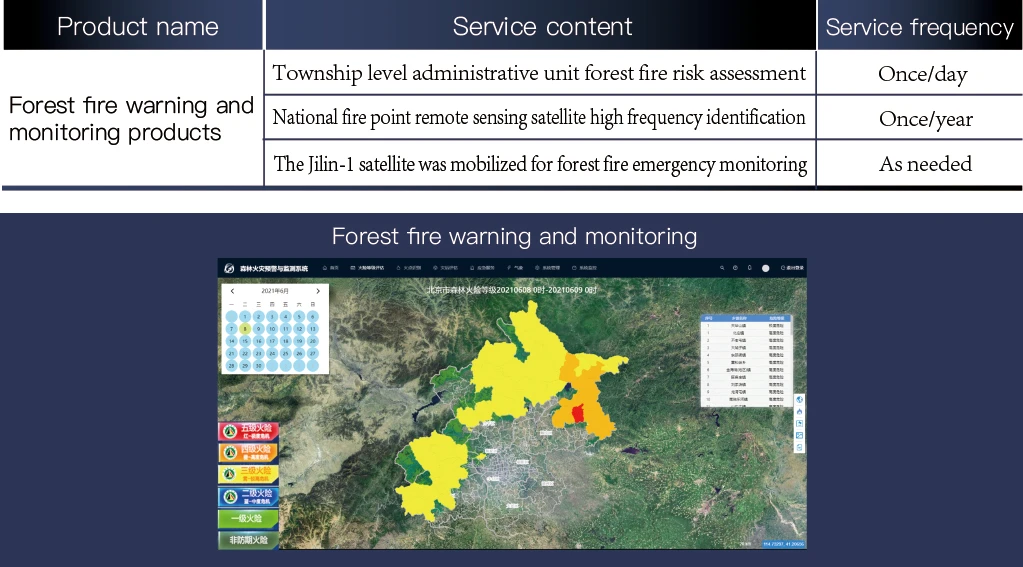
The versatility of the GF Series satellites makes them suitable for a wide range of applications. In the agricultural sector, high-resolution imagery can be used to monitor crop health, optimize irrigation, and predict yields. For environmental monitoring, the satellites provide critical data on deforestation, land use changes, and climate patterns. This information is invaluable for policymakers and environmental organizations aiming to implement sustainable practices.
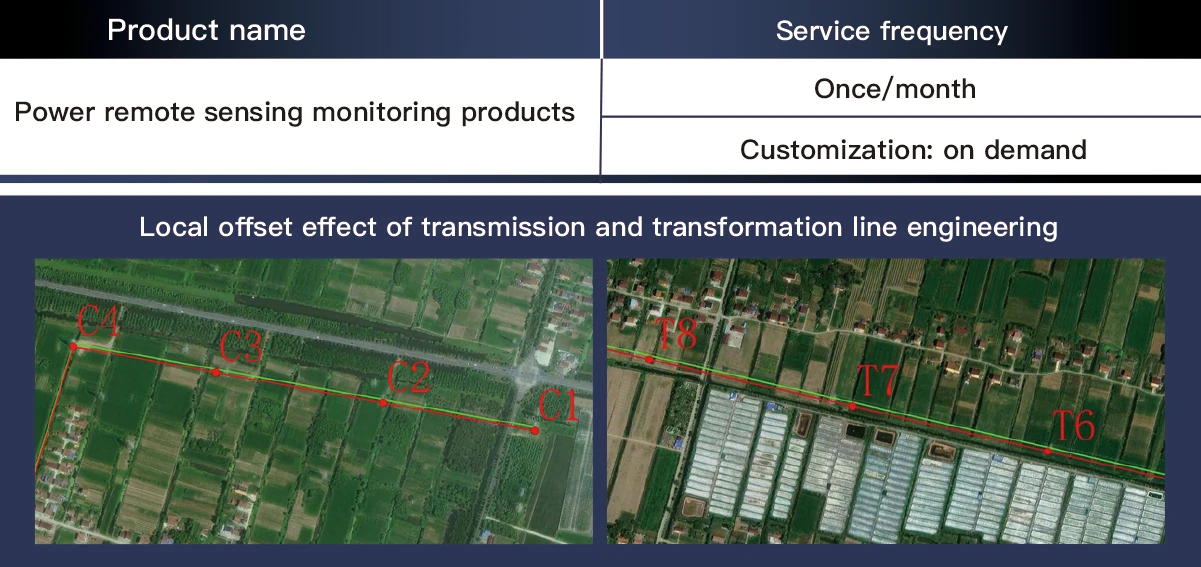
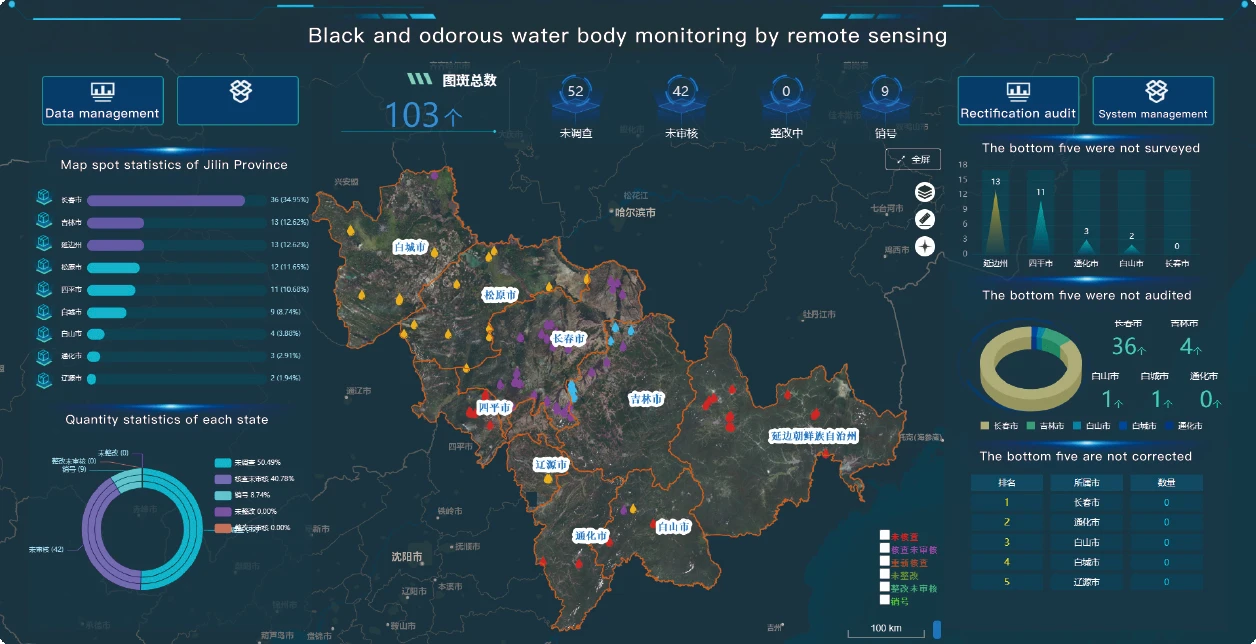
In urban planning, the GF Series satellites enable detailed mapping of infrastructure, helping city planners to design efficient transportation systems and manage urban growth. During natural disasters, such as floods or earthquakes, the satellites can quickly provide up-to-date imagery to assess damage and guide relief efforts. The ability to capture real-time data ensures that response teams can act swiftly and effectively.
The integration of satellite communication services further enhances the GF Series' utility. By providing reliable data transmission, these satellites support applications that require continuous monitoring, such as maritime navigation and weather forecasting. This seamless connectivity is crucial for industries that rely on timely and accurate information.
Company Background: SpaceNavi Co., Ltd.
Founded in 2015, SpaceNavi Co., Ltd. has established itself as a leading player in the satellite technology industry. Based in Ningbo, China, the company specializes in the research, development, and commercialization of remote sensing satellites. With a focus on innovation and excellence, SpaceNavi has consistently delivered cutting-edge solutions that address the evolving needs of the market.
SpaceNavi's commitment to technological advancement is evident in its development of the GF Series satellites. The company's expertise in optical remote sensing and satellite communication has enabled it to create a product that sets new standards in the industry. By leveraging advanced AI algorithms, SpaceNavi ensures that its satellites not only collect data but also provide actionable insights to users.
The company's mission is to empower industries with high-quality satellite data, enabling them to make informed decisions and drive progress. SpaceNavi's dedication to customer satisfaction and continuous improvement has earned it a strong reputation in the market. As the demand for remote sensing technology grows, SpaceNavi is well-positioned to lead the way with its innovative solutions.
Industry Impact and Future Prospects
The introduction of the GF Series satellites has had a profound impact on the remote sensing industry. By offering high-resolution data, these satellites have opened new possibilities for applications that require detailed imagery. The integration of AI and satellite communication services further enhances their value, making them a preferred choice for businesses and organizations worldwide.
Looking ahead, SpaceNavi is poised to expand its offerings and explore new markets. The company is actively researching next-generation satellite technologies that could further improve resolution, data processing speed, and application versatility. As the demand for remote sensing data continues to rise, SpaceNavi's commitment to innovation ensures that it will remain at the forefront of the industry.
Conclusion
The GF Series satellites with 0.75m resolution represent a significant advancement in remote sensing technology. Developed by SpaceNavi Co., Ltd., these satellites offer unparalleled precision and versatility, making them an essential tool for a wide range of applications. From environmental monitoring to urban planning, the GF Series provides valuable insights that drive informed decision-making. As the company continues to innovate, the future of satellite technology looks brighter than ever.
References
National Institute of Standards and Technology (NIST) plays a critical role in advancing technology and ensuring the accuracy of measurements. While the specific page referenced in the context was unavailable, NIST's work in standards and measurement science is essential for the development of reliable satellite technologies. For more information on NIST's contributions to technology and innovation, visit their official website.