GF Series Satellites 0.75m - SpaceNavi|High-Res Imaging&Remote Sensing
SpaceNavi Co., Ltd., a leading innovator in satellite technology, has introduced the GF Series Satellites with an impressive 0.75-meter resolution. These satellites represent a significant advancement in optical remote sensing, offering unparalleled clarity and precision for a wide range of applications. This article delves into the technical specifications, advantages, and real-world applications of the GF Series, while also highlighting the company's commitment to innovation and quality.
Product Overview
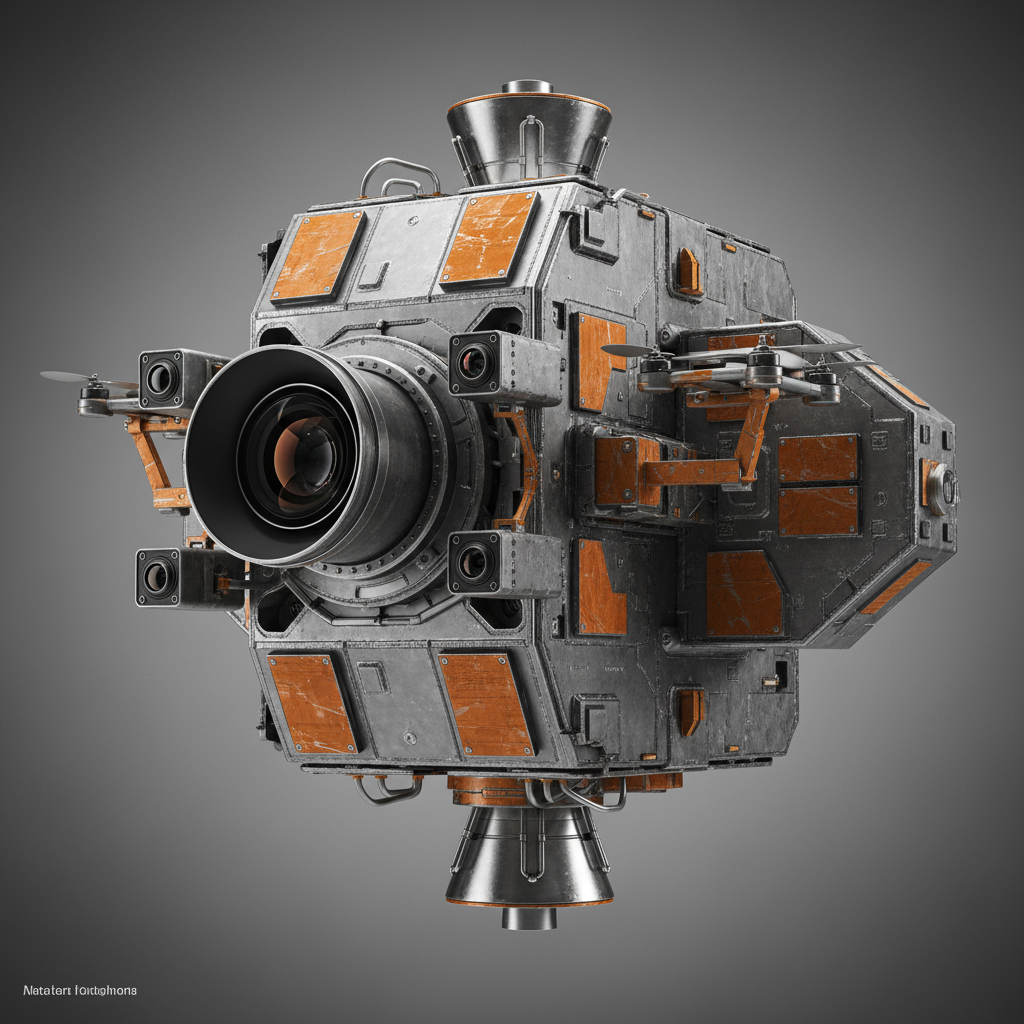
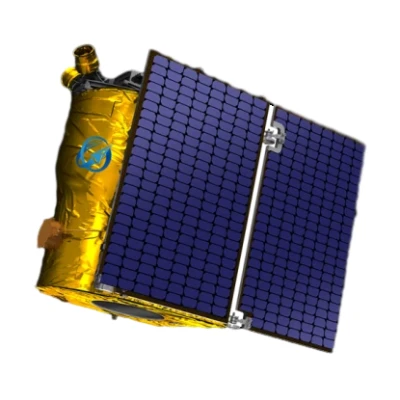
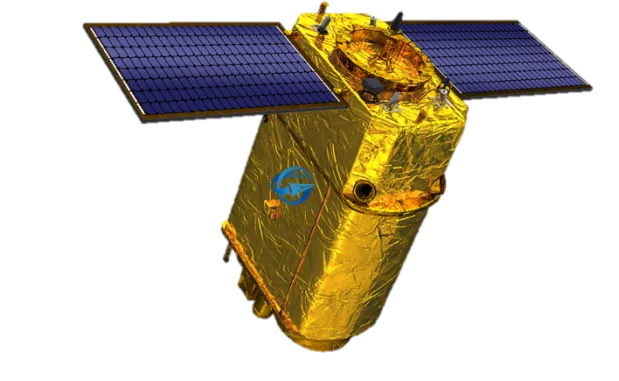
The GF Series Satellites are the latest generation of optical remote sensing satellites developed independently by SpaceNavi Co., Ltd. These satellites are designed to provide high-resolution imagery, enabling detailed analysis of the Earth's surface. With a resolution of 0.75 meters, the GF Series sets a new standard in remote sensing technology, offering users the ability to capture intricate details that were previously unattainable with lower-resolution satellites.
Technical Specifications
The GF Series satellites are equipped with state-of-the-art technology to ensure optimal performance. Below is a detailed overview of the technical specifications:
| Specification | Details |
|---|---|
| Resolution | 0.75 meters |
| Orbit Type | Low Earth Orbit (LEO) |
| Sensor Type | Optical Remote Sensing |
| Swath Width | 15 kilometers |
| Revisit Time | Less than 2 days |
| Data Transmission Rate | Up to 10 Gbps |
| Power System | Multi-junction Solar Panels |
| Communication | High-frequency Satellite Communication Services |
Key Features and Advantages
The GF Series Satellites offer several advantages that make them a preferred choice for remote sensing applications:
- High-Resolution Imagery: The 0.75-meter resolution allows for the identification of small objects and features on the Earth's surface, making it ideal for detailed mapping and analysis.
- Wide Swath Coverage: With a swath width of 15 kilometers, the satellites can capture large areas in a single pass, enhancing efficiency and reducing the time required for data collection.
- Short Revisit Time: The ability to revisit the same area in less than 2 days ensures timely data acquisition, which is crucial for monitoring dynamic environments.
- Advanced Data Transmission: The high data transmission rate of 10 Gbps enables rapid delivery of large datasets, facilitating real-time analysis and decision-making.
- Reliable Power System: The use of multi-junction solar panels ensures a consistent power supply, even in challenging orbital conditions.
- Integration with Satellite Communication Services: The satellites are equipped with advanced communication systems, allowing seamless data transmission to ground stations.
Applications of the GF Series Satellites
The GF Series Satellites have a wide range of applications across various industries. Some of the key use cases include:
1. Environmental Monitoring
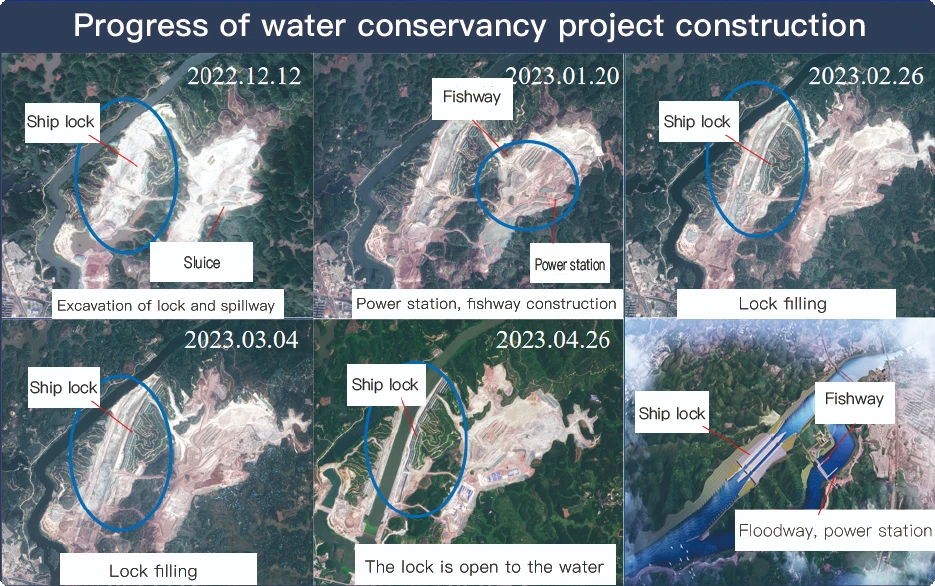
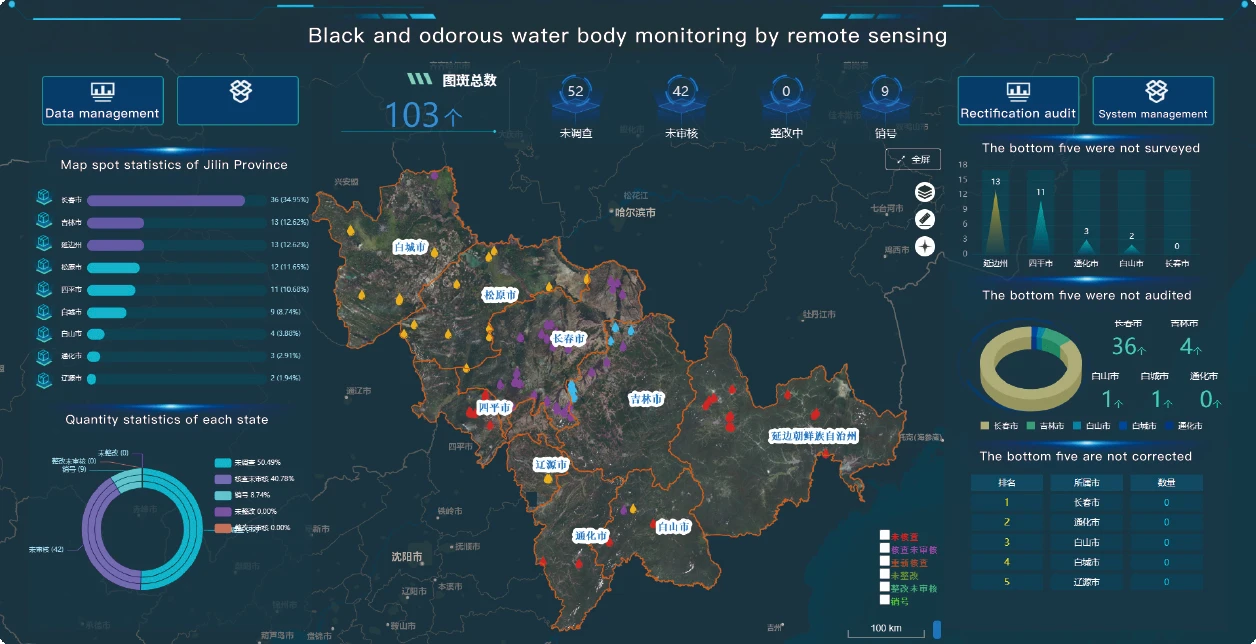
The high-resolution imagery provided by the GF Series is invaluable for monitoring environmental changes. Scientists and researchers can track deforestation, urban expansion, and natural disasters with greater accuracy. This data is essential for developing sustainable practices and mitigating the impacts of climate change.
2. Agriculture and Forestry
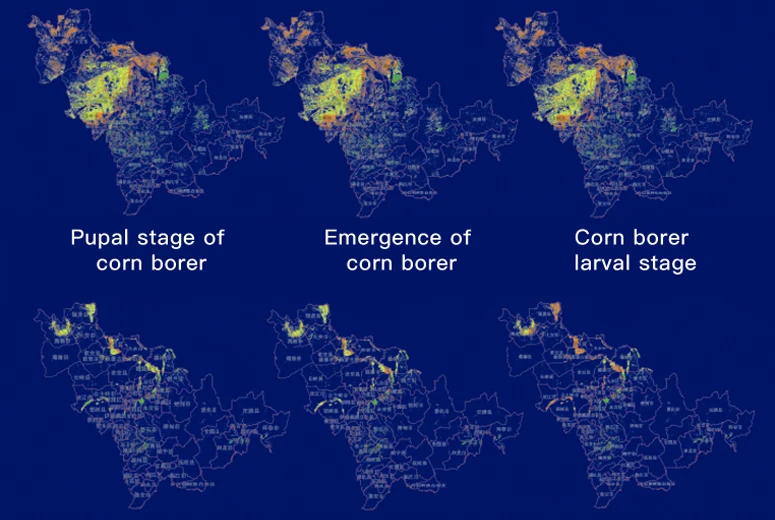
Agribusinesses and forestry organizations can utilize the GF Series satellites to monitor crop health, assess soil conditions, and manage forest resources. The ability to capture detailed images of agricultural fields and forested areas enables informed decision-making and improves productivity.
3. Urban Planning and Development
Urban planners and city administrators can leverage the GF Series satellites to monitor urban growth, plan infrastructure projects, and manage resources effectively. The high-resolution data allows for the creation of detailed maps and the identification of areas that require development or intervention.
4. Disaster Response and Management
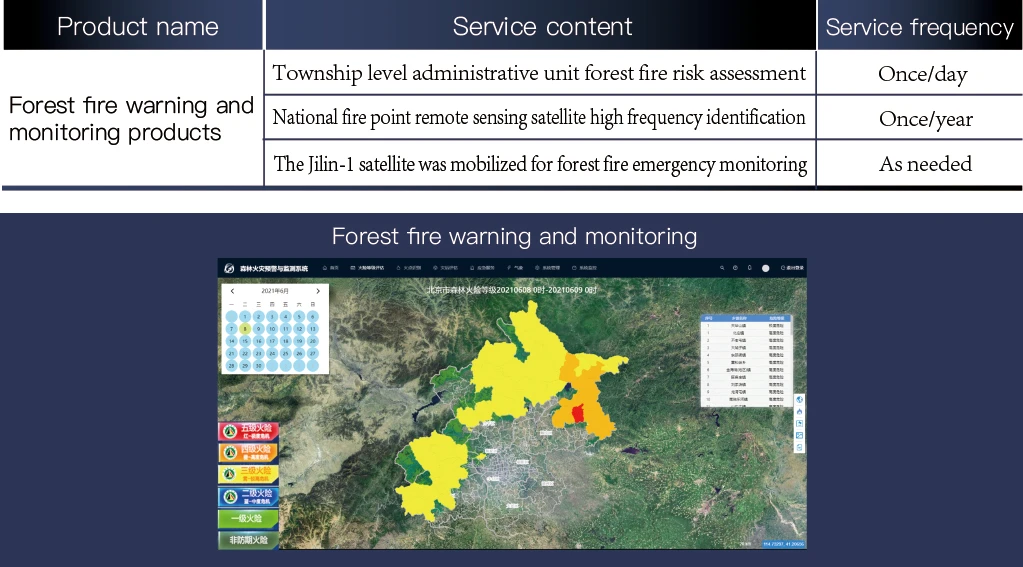
In the event of natural disasters such as earthquakes, floods, or wildfires, the GF Series satellites can provide critical information for emergency response efforts. The ability to quickly capture and analyze imagery helps in assessing damage, planning relief operations, and coordinating recovery efforts.
5. Security and Defense
The GF Series satellites are also used in security and defense applications. Military and intelligence agencies can monitor strategic locations, detect changes in the environment, and gather intelligence to support national security objectives. The high-resolution imagery is essential for situational awareness and strategic planning.
Company Background: SpaceNavi Co., Ltd.
SpaceNavi Co., Ltd., based in Ningbo, China, is a prominent player in the satellite technology industry. The company is dedicated to developing innovative solutions that address the evolving needs of the remote sensing market. With a focus on research and development, SpaceNavi has established itself as a leader in the design and manufacturing of high-resolution satellites.
As a company committed to excellence, SpaceNavi emphasizes the importance of precision and reliability in its products. The GF Series Satellites are a testament to the company's dedication to advancing remote sensing technology. By continuously investing in research and development, SpaceNavi aims to provide cutting-edge solutions that meet the demands of a rapidly changing world.
Industry Impact and Future Prospects
The introduction of the GF Series Satellites has significant implications for the remote sensing industry. With their advanced capabilities, these satellites are poised to revolutionize the way data is collected and analyzed. The integration of artificial intelligence in satellite technology is also a promising avenue for future developments, as highlighted by the National Institute of Standards and Technology (NIST) in its research on AI applications in remote sensing.
According to NIST, "The use of artificial intelligence in satellite data processing can enhance the accuracy and efficiency of remote sensing applications. By leveraging AI algorithms, researchers can analyze vast datasets more quickly and identify patterns that may not be apparent through traditional methods." This aligns with the goals of SpaceNavi, which is exploring ways to incorporate AI into its satellite systems to further improve performance and usability.
Conclusion
The GF Series Satellites represent a major leap forward in remote sensing technology. With their high-resolution capabilities, advanced features, and wide-ranging applications, these satellites are set to transform various industries. As SpaceNavi Co., Ltd. continues to innovate and push the boundaries of what is possible, the future of remote sensing looks brighter than ever.
References
National Institute of Standards and Technology (NIST). (n.d.). Artificial Intelligence. Retrieved from https://www.nist.gov/