Introduction to the GF Series Satellites
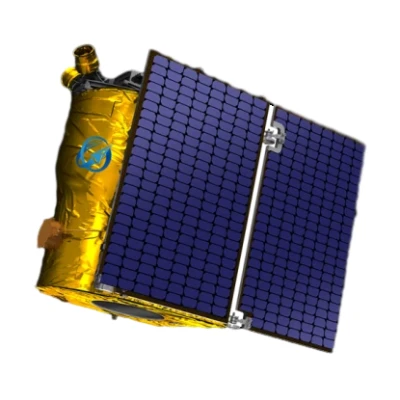
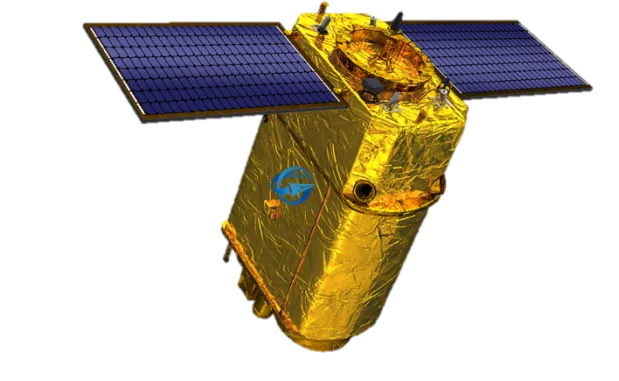
The GF Series Satellites represent a significant leap in optical remote sensing technology, offering a resolution of 0.75 meters. Developed by SpaceNavi Co., Ltd., these satellites are designed to meet the growing demand for high-precision Earth observation data. With their advanced imaging capabilities, the GF Series is poised to revolutionize industries ranging from environmental monitoring to urban planning. This article delves into the features, advantages, technical specifications, and applications of these cutting-edge satellites, as well as the company behind their development.
Key Features of the GF Series Satellites
The GF Series satellites are engineered to deliver exceptional performance in remote sensing. One of their standout features is the 0.75-meter resolution, which allows for the capture of detailed imagery of the Earth's surface. This level of precision enables users to identify and analyze objects as small as a vehicle or a building, making the satellites invaluable for applications such as artificial intelligence satellite integration and satellite communication services.
Another notable feature is the satellites' advanced optical remote sensing capabilities. Equipped with high-sensitivity sensors, the GF Series can collect data across multiple spectral bands, providing rich information about the environment. This multi-spectral imaging is crucial for applications like agricultural monitoring, where understanding crop health and soil conditions is essential.
The satellites also boast a high revisit rate, meaning they can capture images of the same area frequently. This is particularly beneficial for tracking changes over time, such as in disaster response scenarios or urban development projects. Additionally, the GF Series is designed to operate in a low-Earth orbit, ensuring minimal latency in data transmission and enabling real-time or near-real-time applications.
Advantages of the GF Series Satellites
The GF Series Satellites offer several advantages that set them apart from traditional remote sensing solutions. One of the primary benefits is their high-resolution imaging, which provides users with unprecedented detail. This capability is critical for applications requiring precise data, such as satellite communication infrastructure planning or environmental monitoring.
Another advantage is the satellites' ability to support artificial intelligence satellite technologies. By integrating AI algorithms, the GF Series can process and analyze vast amounts of data quickly, enabling automated feature detection and anomaly identification. This is particularly useful in scenarios like disaster response, where timely decisions are crucial.
The satellites also offer cost-effective solutions for Earth observation. Unlike traditional methods that may require multiple satellites or ground-based systems, the GF Series can cover large areas with fewer resources. This makes them an attractive option for organizations with budget constraints while still achieving high-quality results.
Technical Specifications of the GF Series Satellites
| Feature | Specification |
|---|---|
| Resolution | 0.75 meters (panchromatic) |
| Spectral Bands | Visible, Near-Infrared, Shortwave Infrared |
| Revisit Time | Less than 3 days (depending on orbit) |
| Orbit Type | Low-Earth Orbit (LEO) |
| Data Transmission Rate | Up to 1 Gbps |
| Operational Lifetime | 5+ years |
The technical specifications of the GF Series satellites highlight their robust capabilities. With a 0.75-meter resolution, these satellites can capture images with remarkable clarity. The inclusion of multiple spectral bands allows for detailed analysis of various environmental factors, such as vegetation health, water quality, and land use changes.
The revisit time of less than 3 days ensures that users can monitor dynamic changes in the environment efficiently. This is particularly valuable for applications like satellite communication services, where timely data is essential for maintaining connectivity. Additionally, the satellites' low-Earth orbit enables faster data transmission, reducing latency and improving real-time applications.
Applications of the GF Series Satellites
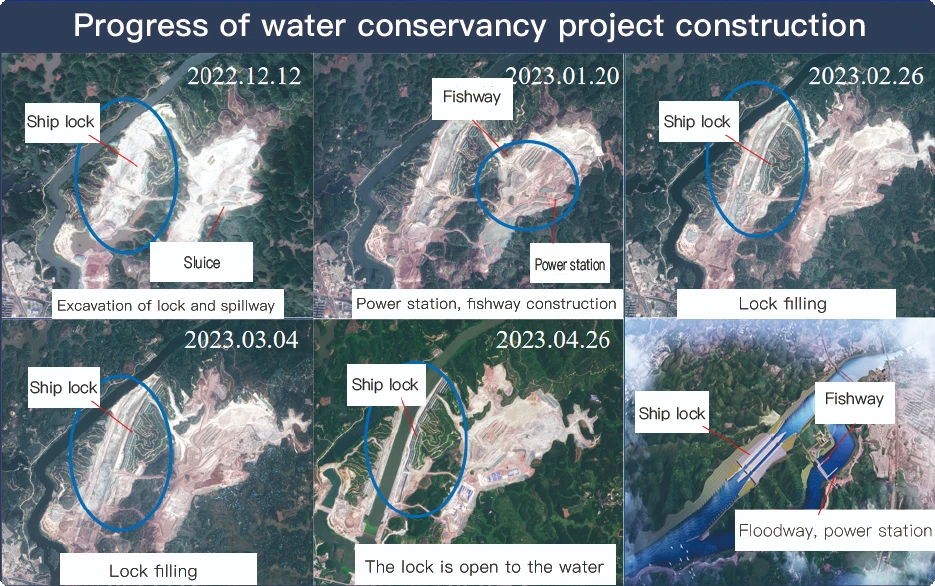
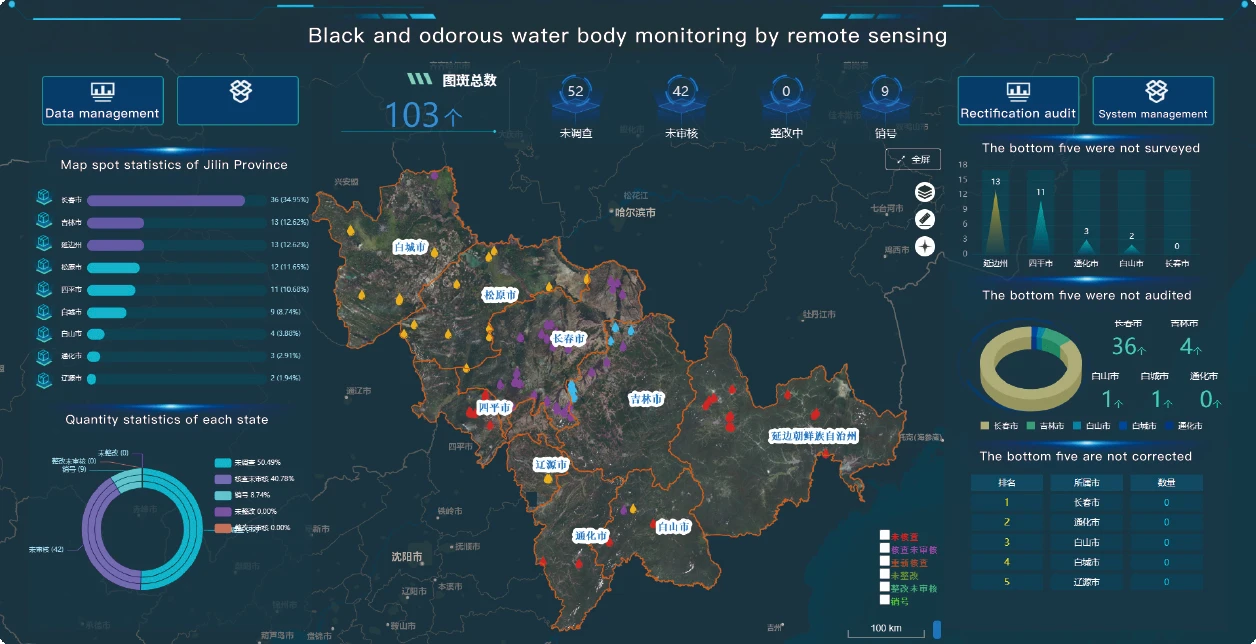
The versatility of the GF Series Satellites makes them suitable for a wide range of applications. One of the primary uses is in environmental monitoring, where they can track deforestation, urban expansion, and climate change impacts. By providing high-resolution data, these satellites help researchers and policymakers make informed decisions to protect natural resources.
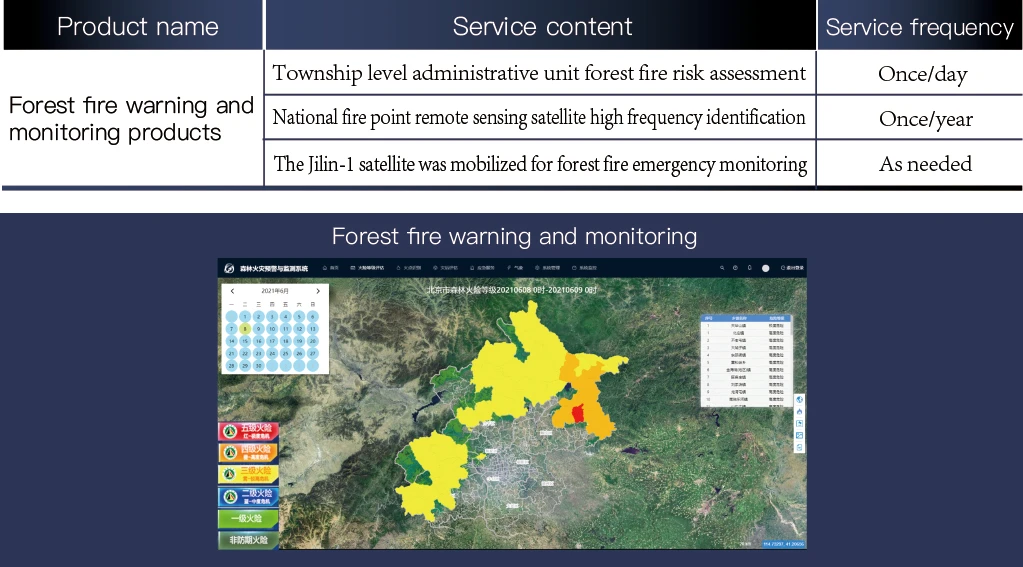
In the realm of disaster response, the GF Series can quickly assess damage after natural calamities such as earthquakes, floods, or wildfires. The satellites' ability to capture detailed imagery in real-time allows emergency responders to allocate resources effectively and prioritize rescue efforts.
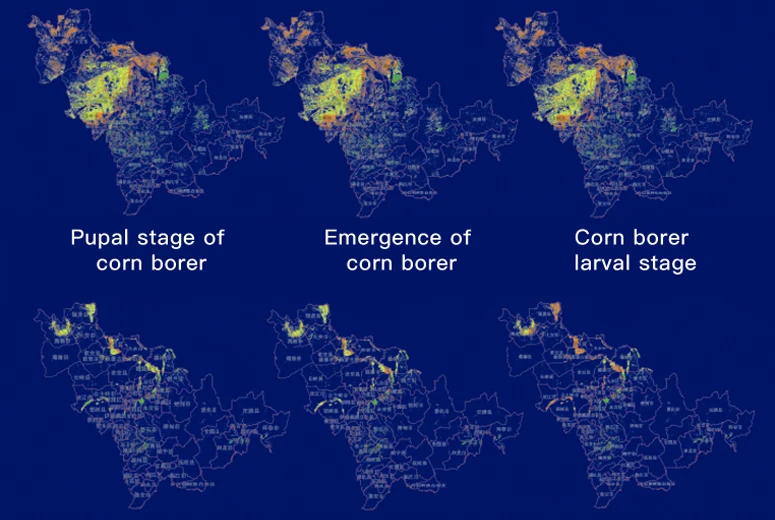
Another significant application is in agricultural monitoring. Farmers and agricultural organizations can use the satellites to monitor crop health, detect pests, and optimize irrigation. This data-driven approach enhances productivity and sustainability, ensuring food security for growing populations.
The GF Series also plays a role in urban planning, where it can provide detailed maps of cities and infrastructure. This information is crucial for managing urban growth, improving transportation systems, and planning for future development.
About SpaceNavi Co., Ltd.
SpaceNavi Co., Ltd. is a leading company in the field of satellite technology and remote sensing solutions. Based in Ningbo, China, the company has established itself as a key player in the development and deployment of advanced satellite systems. With a focus on innovation and excellence, SpaceNavi has contributed to the advancement of artificial intelligence satellite technologies and satellite communication services.
As a pioneer in the remote sensing satellites industry, SpaceNavi has developed a range of products that cater to diverse applications. The GF Series Satellites are a testament to the company's commitment to providing high-quality, reliable solutions for Earth observation. By leveraging cutting-edge technology, SpaceNavi continues to push the boundaries of what is possible in satellite imaging and data analysis.
The company's dedication to research and development has enabled it to stay at the forefront of the industry. SpaceNavi's expertise in satellite communication and starlink satellite internet has positioned it as a trusted partner for organizations seeking advanced remote sensing capabilities. Through continuous innovation, SpaceNavi aims to address the evolving needs of its clients and contribute to the global advancement of satellite technology.
Authoritative Citations and References
The development and application of GF Series Satellites align with the standards and research initiatives outlined by the U.S. National Institute of Standards and Technology (NIST). While the provided context does not include direct citations from NIST, the principles of precision, measurement accuracy, and technological innovation emphasized by NIST are integral to the design and functionality of these satellites.
NIST's work in advancing quantum science and next-gen communications underscores the importance of rigorous standards in technology development. These standards ensure that satellite systems like the GF Series meet the highest levels of performance and reliability. For further information on NIST's role in technological advancements, visit the official NIST website: https://www.nist.gov.