This research completed the design and development of KAUSAT-5 by applying the standard platform. KAUSAT-5 is a 3U (100×100×340mm³) CubeSat capable of performing multiple scientific missions and technology verification tasks.
The composition of the KAUSAT-5 CubeSat is shown in the following table. The main payloads include an infrared camera, a Geiger-Müller radiation meter (GMRM), and a VSCMG (Variable Speed Control Moment Gyroscope)—which serves as a technology verification payload and will become the primary actuator of the ADCS (Attitude Determination and Control Subsystem) after successful verification.
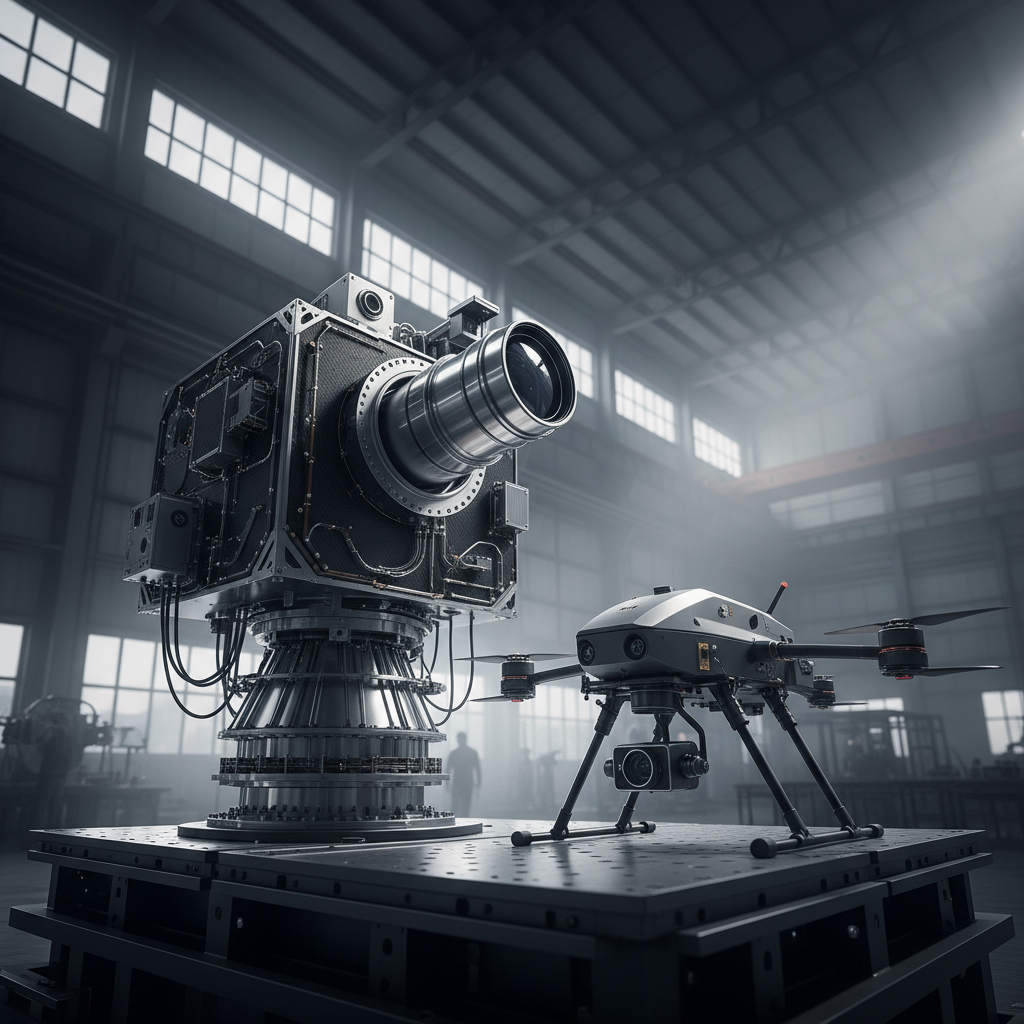
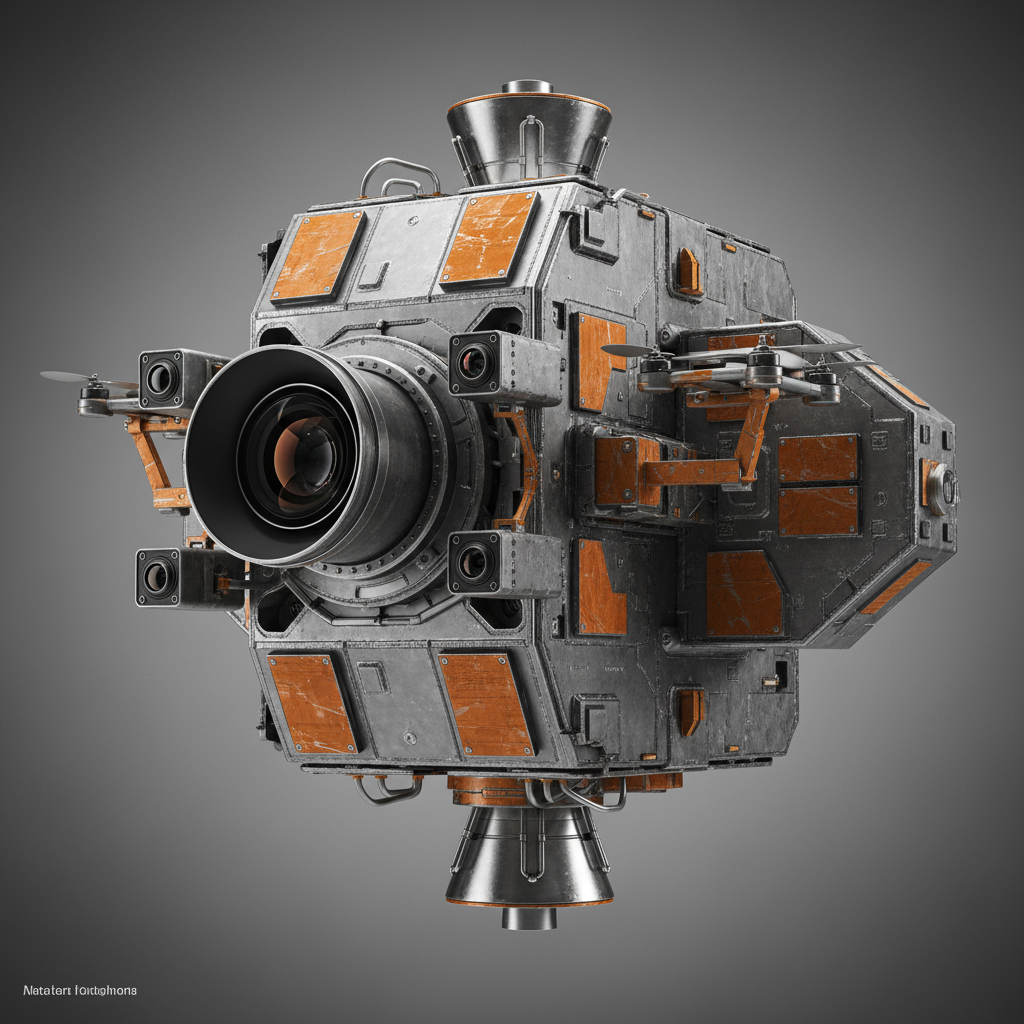
The figure shows the configuration of the KAUSAT-5 CubeSat developed based on the standard platform: the VSCMG is installed at the top of the platform, and the infrared camera is mounted at the bottom. The infrared camera at the bottom occupies 0.8U, with a lens diameter of 66mm, a lens barrel length of 67mm, and a module length (including CCD and heat sink) of approximately 30mm; the VSCMG occupies 0.7U at the top of the platform, and the platform itself occupies the remaining 1.5U. The VSCMG is installed at the top primarily considering the potential electromagnetic fields generated by the noise of its brushless DC motor, the issue of center-of-gravity offset toward the bottom, and assembly convenience.
The standard platform design of KAUSAT-5 supports modifying only the payload and interfaces of the basic platform, as well as adjusting the platform position, according to mission requirements—effectively reducing the time and cost of platform development. The mechanical system design of the standard platform enables the integration and miniaturization of micro-components and subsystem functions/performance on small PCBs, maximizing payload space to accommodate multiple payloads with minimal modifications to mechanical interfaces. The electrical system design maximizes the electrical adaptability of payloads to ensure compatibility with multiple payloads. KAUSAT-5 generates 13W of power when pointing at the sun and an average power of 6.4W.
Communication between subsystems of KAUSAT-5 is based on CAN (Controller Area Network) communication, and the flight software built into the C&DHS on-board computer (OBC) is responsible for executing commands and processing data. The system specifications of KAUSAT-5 are shown in the following table. Through electrical performance tests, functional tests, and space environmental tests, the feasibility of the standard platform concept has been verified. For 3U CubeSats adopting this standard platform, there is no need to repeat similar electrical, mechanical, and qualification tests for the platform, which can reduce additional costs and time investment.
The development and qualification of micro/nano-satellites or CubeSats typically take more than one year, and the total development time may be extended due to mission complexity and developer experience. With the standard platform, the development cycle can be significantly shortened—if the payload is ready, satellite development can be completed within a few months.