Exploring Space Solar Power Satellite Technology for Sustainable Energy Solutions
Space Solar Power Satellite: Harvesting Energy from the Sun
The concept of collecting solar energy in space and beaming it back to Earth, using a Space Solar Power Satellite (SSPS), is gaining traction as a potential solution to global energy demands. This technology offers the promise of clean, sustainable, and near-continuous power generation. This article delves into the fundamentals of SSPS, its components, benefits, challenges, and current developments, offering a comprehensive overview for those interested in this cutting-edge field. Addressing our energy needs while minimizing environmental impact is a crucial challenge, and SSPS presents a compelling avenue for exploration. Space-navi offers insight into the latest advancements in space technology.

Understanding Space Solar Power Satellites
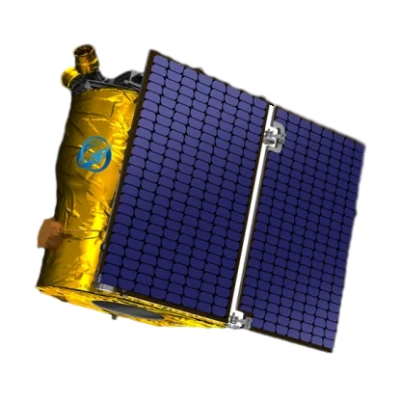
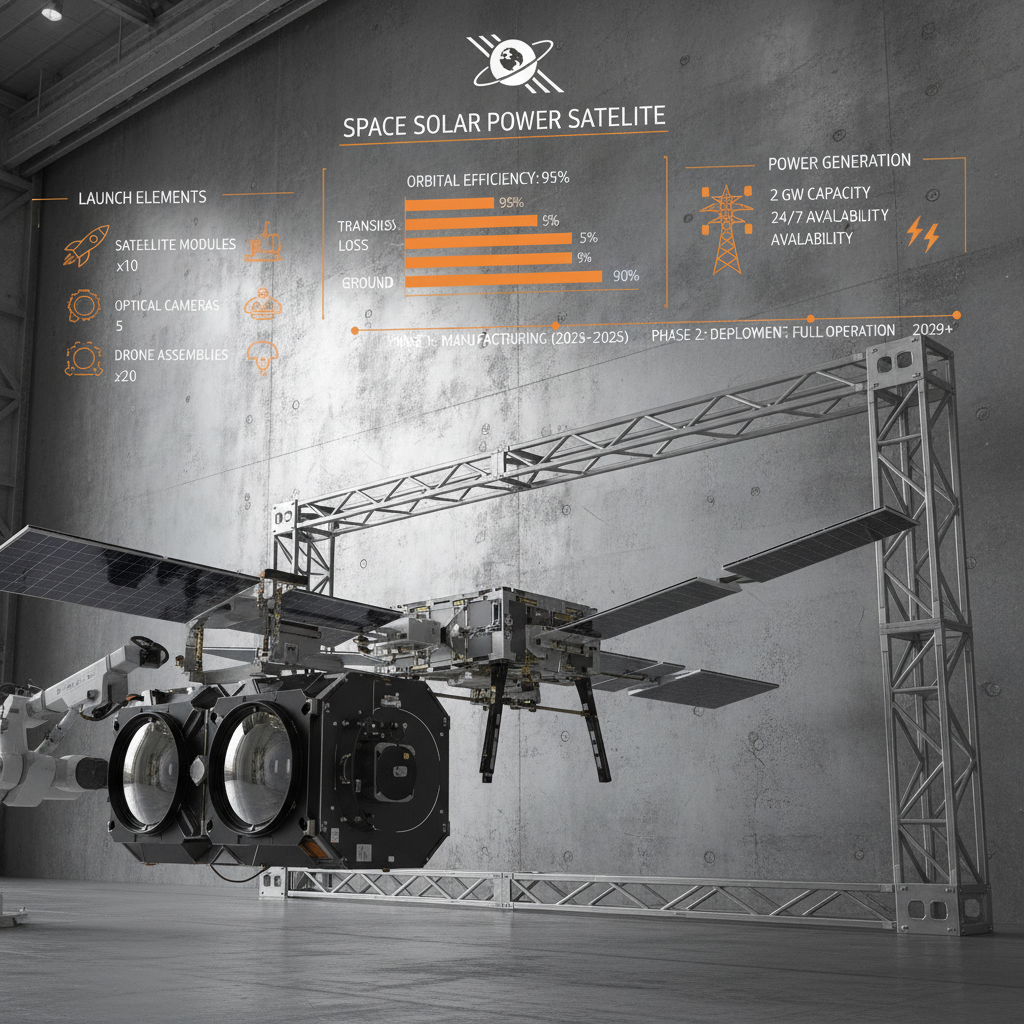
A Space Solar Power Satellite is essentially a large-scale spacecraft designed to capture sunlight, convert it into electricity, and then transmit that energy wirelessly to receiving stations on Earth. Unlike terrestrial solar farms, SSPS operates outside the Earth's atmosphere, eliminating issues like cloud cover, atmospheric interference, and nighttime limitations. This results in significantly higher energy capture efficiency and a near-constant power supply. The core components typically include massive solar arrays, power conditioning systems, and a transmitting antenna, often using microwaves or lasers for energy transmission. The feasibility of SSPS hinges on advancements in robotics, materials science, and wireless power transfer technologies.
Key Advantages: Higher energy capture, continuous power supply, reduced land usage, and minimal environmental impact.
Key Components of a Space Solar Power Satellite
Several crucial components work in harmony to make SSPS a reality. The Solar Arrays are the most prominent, needing to be exceptionally large and lightweight to maximize energy collection. The Power Conditioning System converts the direct current (DC) generated by the solar arrays into a form suitable for transmission. The Transmitting Antenna focuses the energy into a directed beam for efficient delivery to Earth. Finally, the Satellite Structure & Control System provides the framework, maintains orientation, and handles station-keeping maneuvers. Advancements in each of these areas are vital for improving the efficiency and cost-effectiveness of SSPS. You can find more about these technologies at Space-navi.
Component Breakdown:
• Solar Arrays: Capture sunlight and convert it into DC electricity.
• Power Conditioning System: Converts DC to suitable transmission format.
• Transmitting Antenna: Directs energy beam towards Earth.
• Satellite Structure & Control: Provides framework and maintains orientation.
Space Solar Power Satellite Technologies Compared
Different technologies are being explored for SSPS, primarily differing in the method of energy transmission. Microwave transmission is the most mature technology, offering relatively high efficiency and the ability to penetrate atmospheric conditions. Laser transmission, while more challenging, offers the potential for higher energy density and smaller receiving stations. Each technology presents unique benefits and drawbacks. The choice of transmission method will significantly impact the overall system design and cost. Space-navi consistently reports on these technological advancements.
Current Developments and Future Outlook
Significant research and development efforts are underway globally, including projects by Japan (JAXA), the United States, China, and Europe. These initiatives are focusing on improving the efficiency of solar arrays, reducing satellite weight, and optimizing wireless power transmission technologies. Recent advancements in robotics and automated assembly techniques are also crucial for building and deploying these large-scale structures in space. The future of SSPS hinges on continued investment in research, successful demonstration missions, and the establishment of international collaborations. Space-navi closely follows these developments and provides updates on the latest projects.
Challenges and Considerations for Space Solar Power
Despite its promise, SSPS faces significant challenges. The immense initial investment costs, the complexity of deploying and maintaining large structures in space, and concerns about the environmental impact of microwave or laser transmission are major hurdles. Regulatory frameworks for space-based power transmission also need to be established. Furthermore, potential interference with existing communication systems and the security of energy transmission require careful consideration. Overcoming these challenges will require international cooperation, technological breakthroughs, and a long-term commitment to sustainable energy solutions.
Conclusion: A Vision for a Sustainable Energy Future
The Space Solar Power Satellite concept represents a bold and potentially transformative approach to addressing global energy needs. While challenges remain, ongoing research and development are paving the way for a future where clean, sustainable energy can be harvested from space and delivered to Earth. Continued innovation and international collaboration are essential to realizing the full potential of this groundbreaking technology.
Frequently Asked Questions (FAQs)
What are the potential environmental impacts of SSPS?
The environmental impacts of SSPS are relatively low compared to traditional energy sources. However, there are some concerns. The launch of large satellites requires rocket launches, which contribute to atmospheric pollution. The wireless transmission of energy, particularly using microwaves, could potentially disrupt wildlife and ecosystems, although careful frequency selection and beam control can minimize this risk. The manufacturing process of the satellite components also has an environmental footprint. Thorough environmental impact assessments are crucial to ensure responsible development and deployment of SSPS.
How much would it cost to build and deploy a Space Solar Power Satellite?
The cost of building and deploying an SSPS is substantial, estimated to be in the tens to hundreds of billions of dollars, depending on the size and complexity of the system. Major cost components include satellite construction, launch costs, ground receiving station infrastructure, and ongoing maintenance. Reducing these costs is a primary focus of current research, with efforts directed towards developing more efficient manufacturing techniques, reusable launch vehicles, and automated assembly in space. Economies of scale and technological advancements are expected to drive down costs over time.
What is the efficiency of wireless power transmission from space?
The efficiency of wireless power transmission from space depends on the chosen technology. Microwave transmission typically achieves efficiencies of 70-90%, while laser transmission currently ranges from 50-70%, with potential for improvement. Factors affecting efficiency include atmospheric conditions, the accuracy of beam pointing, and the design of the receiving antenna (rectenna). Ongoing research is focused on maximizing transmission efficiency to minimize energy loss during the process.
Are there any safety concerns regarding the microwave or laser beams used for energy transmission?
Safety is a paramount concern in SSPS design. The microwave or laser beams used for energy transmission are relatively low-intensity and can be carefully controlled to avoid harming people or wildlife. Rectennas (receiving antennas) are designed to convert the energy into electricity and do not emit harmful radiation. Multiple layers of safety features and monitoring systems are incorporated to ensure the beams are accurately pointed and remain within safe limits. Regulatory oversight and adherence to international safety standards are also crucial.