
Exploring Satellite HD Technology for Superior Home Entertainment
Understanding Satellite HD: A Comprehensive Guide
In today’s interconnected world, access to high-quality television programming is paramount. Satellite HD technology has revolutionized how we consume entertainment, offering superior picture quality and a wider range of channels. This article will delve into the benefits, components, and future trends of satellite HD, helping you understand why it remains a leading choice for viewers worldwide. Whether you are considering a new installation or simply looking to enhance your current setup, this guide will provide valuable insights.
What is Satellite HD and How Does It Work?
Satellite HD refers to the transmission of high-definition television signals through geostationary satellites. These satellites, orbiting approximately 22,300 miles above the Earth, receive signals from broadcasting stations and then rebroadcast them to individual satellite dishes. The process begins with the content provider encoding the video and audio into a digital signal. This signal is then sent to the satellite, which amplifies and transmits it back to Earth. Your satellite dish collects this signal, and a receiver (set-top box) decodes it, converting it into a viewable format on your television. The ‘HD’ component signifies that the signal is delivered in a high-definition format, typically 720p, 1080i, or 1080p, providing sharper images and richer colors. Space-Navi provides cutting edge satellite solutions for your viewing pleasure.
The Key Components of a Satellite HD System
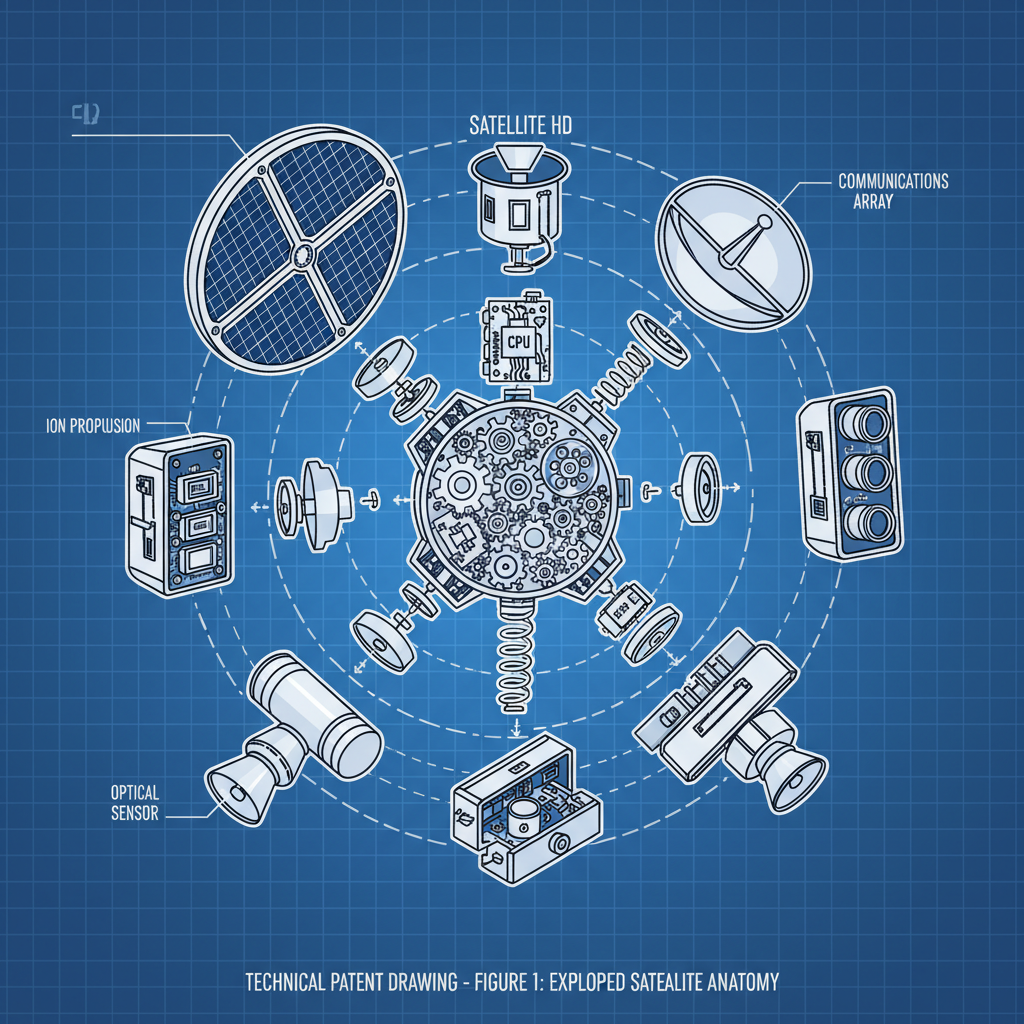
A functional Satellite HD system comprises several essential components. First, the satellite dish, responsible for capturing the signal transmitted from the satellite. Next is the Low-Noise Block Downconverter (LNB), which amplifies the weak satellite signal and converts it to a lower frequency. The coaxial cable connects the LNB to the satellite receiver (set-top box), which decodes the signal and transmits it to your television via HDMI or other connections. Finally, you need a high-definition television to display the decoded signal. Proper installation and alignment of the dish are crucial for optimal signal reception.
Key Components Overview: The quality of each component impacts overall system performance. Investing in a reputable LNB and receiver can significantly enhance your viewing experience.
Satellite HD vs. Cable TV: A Detailed Comparison
While both Satellite HD and Cable TV deliver television programming, they differ significantly in their technology and performance. Satellite HD typically offers a wider range of channels, especially for niche interests and international programming. Cable TV relies on a network of fiber optic and coaxial cables, while Satellite HD utilizes a direct signal from a satellite. This can make Satellite HD more resilient to local outages. However, Satellite HD can be susceptible to signal interference from weather conditions such as heavy rain or snow. Cable TV generally offers faster internet speeds when bundled with internet service. Here’s a quick comparison:
Future Trends in Satellite HD Technology
The landscape of Satellite HD is constantly evolving. One key trend is the development of high-throughput satellites (HTS), offering significantly increased bandwidth and data speeds. These satellites enable the delivery of 4K and 8K content, as well as interactive services. Another trend is the integration of satellite internet services, providing broadband access to rural and underserved areas. Furthermore, advancements in beamforming technology allow for more precise signal targeting, minimizing interference and improving signal quality. Space-Navi is at the forefront of these technological advancements.
Selecting the Right Satellite HD Provider
Choosing the right Satellite HD provider requires careful consideration. Factors to evaluate include channel lineup, pricing, contract terms, customer service, and available features such as DVR functionality and on-demand content. Reading customer reviews and comparing different providers is essential. Ensure the provider offers reliable technical support and a clear understanding of their installation process. It's also important to assess your viewing habits and choose a package that aligns with your needs.
Conclusion: Embracing the Future of Television with Satellite HD
Satellite HD remains a dominant force in the television industry, providing a compelling combination of channel selection, picture quality, and reliability. As technology continues to advance, we can expect even more innovative features and improved performance. By understanding the components, benefits, and future trends of Satellite HD, you can make an informed decision and enjoy a superior viewing experience. Space-Navi is dedicated to providing cutting-edge satellite solutions to meet your entertainment needs.
Frequently Asked Questions (FAQs)
What is the typical cost of a Satellite HD setup?
The cost of a Satellite HD setup varies depending on the provider and the equipment chosen. Generally, you can expect to pay an installation fee, which can range from $99 to $200. The cost of the receiver (set-top box) may be included in the installation fee or charged separately. Monthly subscription fees will depend on the channel package you select, typically ranging from $50 to $150 or more. It’s important to compare pricing from different providers and factor in any promotional offers. The cost for a dish and LNB is usually covered by the provider as part of the installation.
Does weather affect Satellite HD signal?
Yes, inclement weather can affect Satellite HD signal. Heavy rain, snow, and strong winds can cause signal degradation or temporary loss of signal. This is because the satellite signal has to travel through the Earth’s atmosphere, and these weather conditions can interfere with the transmission. However, modern satellite systems are designed to mitigate these effects, and signal loss is usually temporary. Proper dish alignment and shielding can also help minimize weather-related interference.
What is the difference between 720p, 1080i, and 1080p HD resolutions?
These terms refer to different levels of high-definition resolution. 720p displays 1280x720 pixels, offering a good HD experience. 1080i displays 1920x1080 pixels, but it's interlaced, meaning it shows alternating lines of the image. 1080p is the highest resolution, displaying all 1920x1080 pixels progressively, resulting in the clearest and most detailed picture. Generally, 1080p is considered the standard for true HD viewing.
Can I use my existing satellite dish with a different provider?
It depends. While the dish itself might be compatible, different providers often use different frequencies and protocols. You may need to have the dish realigned or replaced to work with a new provider. Additionally, you’ll definitely need a new receiver (set-top box) from the new provider. It’s best to consult with the new provider to determine compatibility and any necessary equipment changes.











