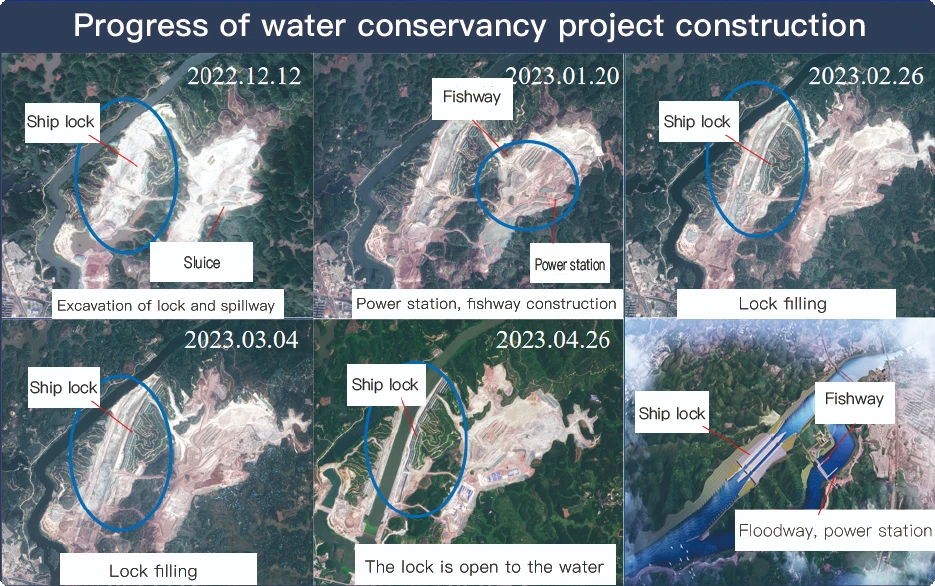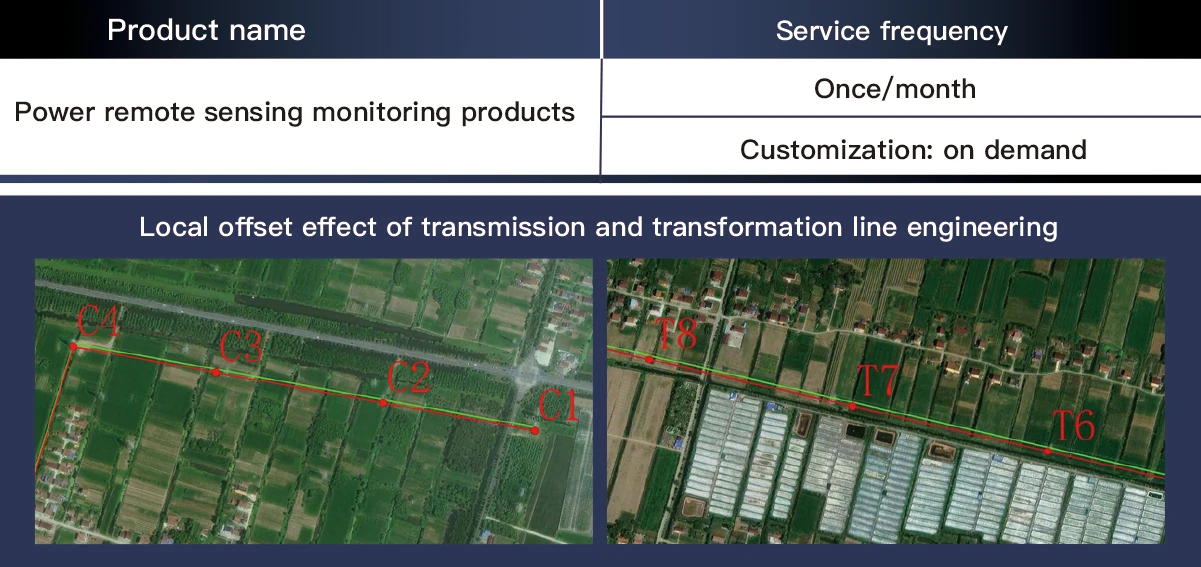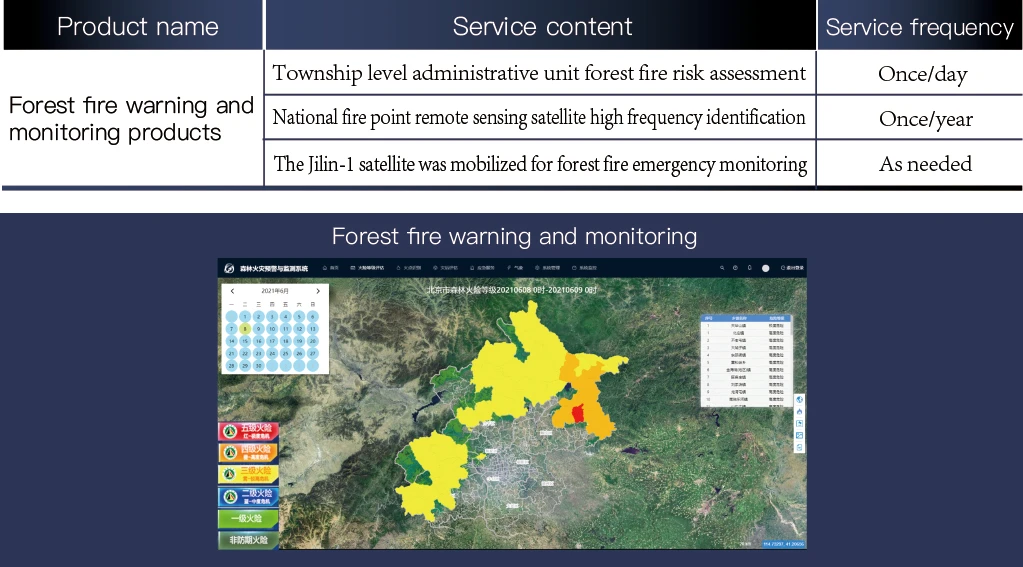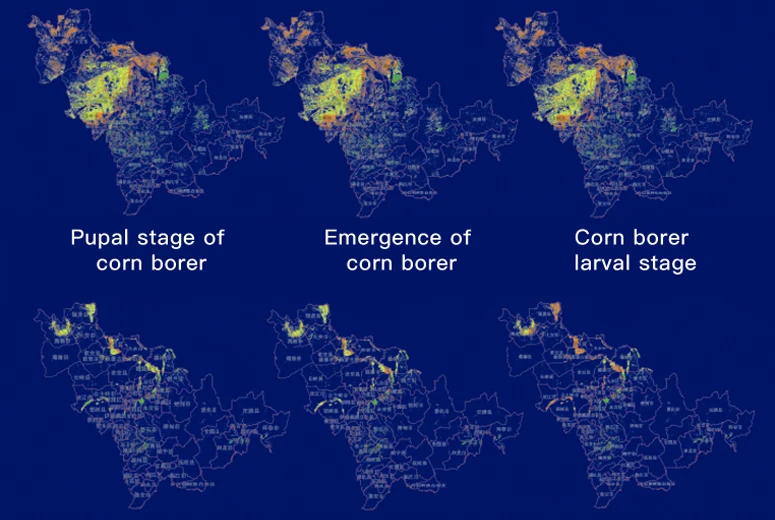
Leveraging the Power of Free Satellite Data for Informed Decision Making
Accessing and Utilizing Free Satellite Data
The world is increasingly reliant on data for informed decision-making, and satellite imagery is a pivotal source. Thankfully, accessing free satellite data is now more accessible than ever. This article will explore the benefits of utilizing freely available satellite data, the resources available, and how you can leverage this information for a variety of applications. From environmental monitoring to urban planning, the possibilities are vast. Space-Navi is a valuable resource for navigating the landscape of free satellite data.

The Growing Availability of Free Satellite Data
Historically, satellite imagery was expensive and primarily accessible to governments and large corporations. However, a growing movement toward data democratization has led to an increase in freely available satellite data. Organizations like NASA, ESA (European Space Agency), and USGS (United States Geological Survey) are actively releasing data to the public. This shift empowers researchers, businesses, and individuals to utilize this valuable resource without significant financial barriers. The benefits are far-reaching, fostering innovation and contributing to a better understanding of our planet.
Key Benefit: Democratization of information leading to wider accessibility and utilization of valuable Earth observation data.
Key Providers of Free Satellite Data
Several key organizations are at the forefront of providing free satellite data. Understanding their offerings can help you find the data best suited to your needs. Here's a quick overview:
Applications of Free Satellite Data
The applications of free satellite data are incredibly diverse. Here are a few examples:
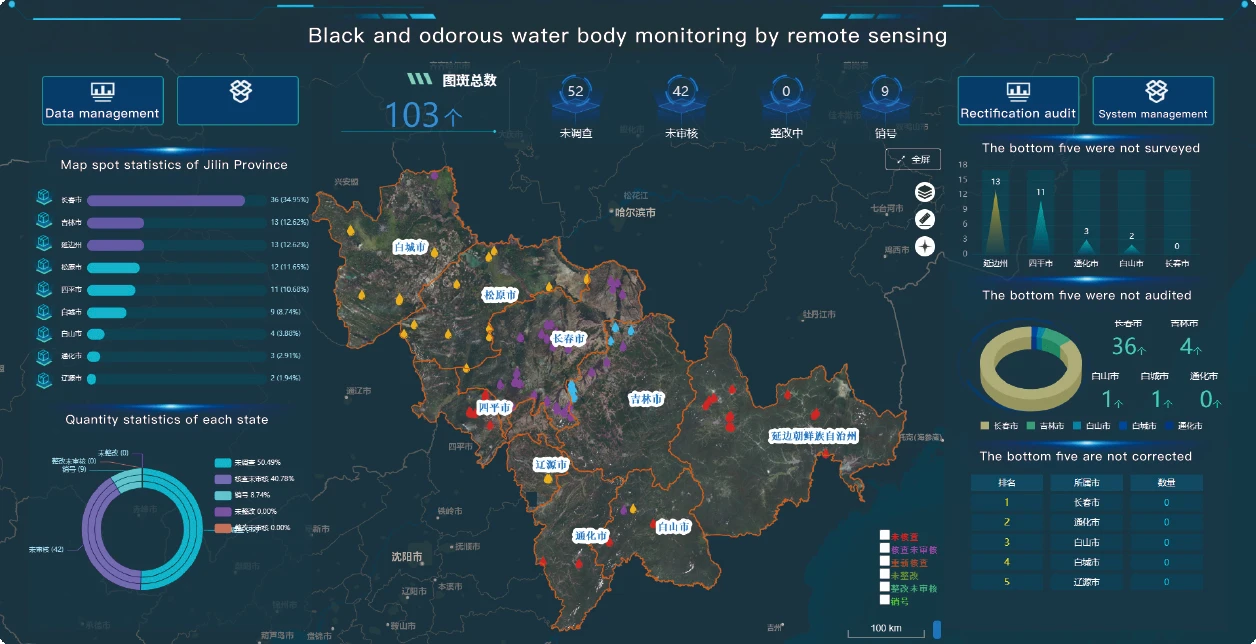
- Environmental Monitoring: Tracking deforestation, monitoring glacier melt, assessing water quality.
- Precision Agriculture: Optimizing crop yields, monitoring irrigation, and identifying plant health issues.
- Urban Planning: Monitoring urban growth, assessing infrastructure, and planning sustainable development.
- Disaster Response: Assessing damage from natural disasters like floods, earthquakes, and wildfires.
- Mapping and Cartography: Creating accurate and up-to-date maps for various purposes.
Key Applications:
• Environmental Monitoring
• Precision Agriculture
• Urban Planning
• Disaster Response
Navigating Data Access and Processing
While the data is free, accessing and processing it can require some technical expertise. Many providers offer APIs (Application Programming Interfaces) and cloud-based platforms for easier access. Tools like QGIS (a free and open-source Geographic Information System) are invaluable for analyzing and visualizing satellite imagery. Space-Navi provides resources and guidance on navigating the data access and processing landscape, making it more approachable for beginners.
Enhancing Your Analysis with Space-Navi
Space-Navi acts as a central hub for information related to space technology, including free satellite data. They offer curated resources, tutorials, and insights to help you maximize the value of this data. Whether you’re a seasoned remote sensing professional or just starting, Space-Navi can be an invaluable partner in your data exploration journey.
Conclusion: The Future is Open with Free Satellite Data
The increasing availability of free satellite data is transforming various industries and empowering individuals. By leveraging these resources and utilizing platforms like Space-Navi, you can unlock valuable insights and contribute to a more data-driven world.
Frequently Asked Questions (FAQs)
What is the best way to get started with analyzing free satellite data?
Starting with readily accessible platforms like Google Earth Engine is a great approach. It provides a cloud-based environment and a large catalog of freely available datasets. Alternatively, downloading data directly from providers like NASA and ESA and utilizing open-source GIS software like QGIS offers more control over the analysis process. Resources offered by Space-Navi can simplify the learning curve. Familiarizing yourself with basic remote sensing concepts and image processing techniques will also be beneficial.
What are the limitations of using free satellite data?
While incredibly valuable, free satellite data often comes with limitations. Cloud cover can obstruct imagery, and the temporal resolution (frequency of image acquisition) might not be sufficient for all applications. Data resolution can also be a constraint, depending on the sensor. Furthermore, processing and analyzing large datasets can require significant computing resources and technical expertise. It's important to understand these limitations and choose data sources that are appropriate for your specific needs.
How can I stay updated on new free satellite data sources and tools?
Staying informed about the latest developments in the field requires continuous learning. Follow relevant organizations like NASA, ESA, and USGS on social media. Subscribe to newsletters and industry publications focused on remote sensing and geospatial technology. Space-Navi serves as an excellent source of information, curating and sharing updates on new data sources, tools, and best practices.