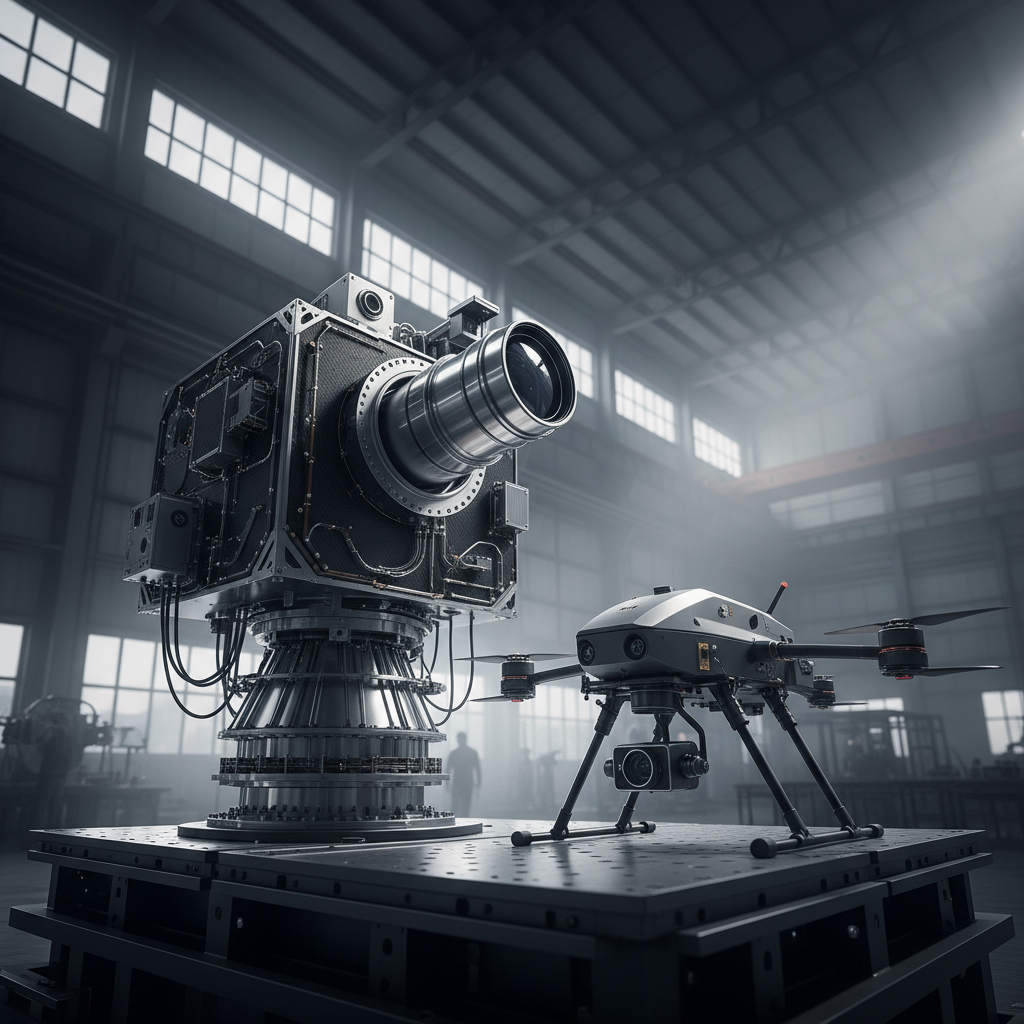
Reliable Mechanical Equipment: Vibration Testing & Quality Assurance
Industry Trends and Market Dynamics for Advanced Mechanical Equipment
The global market for advanced mechanical equipment is experiencing rapid expansion, driven by increasing automation, the need for precision in manufacturing, and the burgeoning demands of sectors such as aerospace, defense, and renewable energy. With a compound annual growth rate (CAGR) projected at over 6% through 2028, the market is valued at approximately $2.5 trillion, reflecting significant investment in high-performance machinery. Key trends include the integration of AI and IoT for predictive maintenance, the shift towards modular and customizable designs, and the relentless pursuit of enhanced efficiency and sustainability. Manufacturers are increasingly focused on developing equipment that offers superior operational longevity, reduced energy consumption, and minimal environmental impact, aligning with stringent global regulatory standards and corporate social responsibility initiatives.
The adoption of Industry 4.0 paradigms further accelerates this evolution, fostering smart factories where interconnected devices and advanced analytics optimize production workflows. This paradigm shift mandates that modern mechanical equipment not only performs its primary function but also communicates effectively within complex digital ecosystems, providing real-time data for performance monitoring and strategic decision-making. The demand for highly reliable and precise components, capable of operating under extreme conditions, continues to rise, particularly in specialized applications where failure is not an option.
Technical Specifications and Precision Engineering
Modern mechanical equipment is defined by its meticulous technical specifications, which dictate performance, reliability, and suitability for specific applications. For high-precision components, parameters such as dimensional tolerance, surface finish, material hardness, and operational speed are paramount. For instance, in optical systems or instruments designed for a satellite platform, precision to the micron or even nanometer level is often required. Materials selection is critical, often involving aerospace-grade aluminum alloys, stainless steels, titanium, or advanced composites, chosen for their strength-to-weight ratio, thermal stability, and corrosion resistance.
Key technical parameters frequently encountered in high-performance mechanical systems include:
- Tolerance: Often ±0.005 mm or less for critical interfaces.
- Surface Roughness (Ra): Typically below 0.8 µm for sliding surfaces, and significantly finer (e.g., 0.05 µm) for optical-grade finishes.
- Material Hardness: Varies by application; for wear-resistant parts, often over 60 HRC (Rockwell Hardness C).
- Thermal Expansion Coefficient: Critical for equipment operating across wide temperature ranges, typically expressed in µm/(m·°C).
- Vibration Dampening: Quantified by isolation efficiency, critical for sensitive instruments to minimize external disturbances.
The table below illustrates typical specifications for a precision mechanical component designed for high-stakes applications.
| Parameter | Specification | Unit/Description |
|---|---|---|
| Material | Aerospace Grade Aluminum 7075-T6 | High strength, good fatigue resistance |
| Dimensional Tolerance | ±0.002 mm | For critical mating surfaces |
| Surface Finish (Ra) | 0.4 µm | Smooth finish for reduced friction and wear |
| Operating Temperature Range | -40°C to +85°C | Typical for industrial/aerospace use |
| Vibration Resistance | MIL-STD-810G, Method 514.7 | Demonstrated resilience under specified vibration profiles |
| Expected Service Life | >10 years | Under normal operating conditions |
Detailed Manufacturing Process Flow for Precision Mechanical Equipment
The manufacturing of high-quality mechanical equipment is a multi-stage process, meticulously controlled to ensure adherence to stringent design specifications and performance requirements. The process flow typically encompasses material selection, primary shaping, secondary machining, surface treatment, assembly, and rigorous testing.
The service life for such meticulously manufactured equipment can extend well beyond a decade, depending on operational parameters and maintenance schedules. Target industries are broad, encompassing petrochemical, metallurgy, water supply & drainage, automotive, medical, and high-tech sectors like aerospace and defense. Advantages in typical scenarios include significant energy saving through optimized designs and materials, and superior corrosion resistance, ensuring longevity in harsh environments.
Application Scenarios and Strategic Implementations
The versatility of advanced mechanical equipment allows its deployment across a myriad of demanding applications, each requiring specific performance characteristics and unwavering reliability.
- Aerospace and Defense: Critical for navigation systems, optical payloads, propulsion components, and structural elements within aircraft, missiles, and spacecraft, including precise mechanisms on a satellite platform.
- Petrochemical Industry: Used in pumps, valves, compressors, and pipeline components that must withstand corrosive chemicals, high pressures, and extreme temperatures.
- Medical Devices: Precision-machined implants, surgical tools, diagnostic equipment, and robotic surgery components where bio-compatibility and absolute accuracy are non-negotiable.
- Renewable Energy: Components for wind turbines (gearboxes, bearings), solar tracking systems, and hydroelectric power generation equipment, designed for durability and efficiency under harsh environmental conditions.
- Advanced Manufacturing: Robotics, automation systems, and high-speed production machinery demanding minimal downtime and repetitive accuracy.
In these diverse scenarios, the integration of bespoke mechanical solutions drives efficiency, enhances safety, and extends operational lifespans. For example, in the context of space exploration and communication, highly stable and accurate pointing mechanisms are critical for instruments. Components such as specialized collimators—which are precision optical mechanical equipment designed to align light into a parallel beam—are indispensable in applications like satellite communications, remote sensing, and inter-satellite links. Their ability to maintain optical alignment despite launch vibrations and orbital thermal cycling is a testament to the rigorous design and manufacturing principles applied.
Technical Advantages and Performance Differentiation
The advantages derived from superior mechanical equipment extend beyond mere functionality, encompassing aspects of efficiency, reliability, safety, and operational cost reduction.
- Unmatched Precision: Achieved through advanced manufacturing techniques like ultra-precision CNC machining and meticulous metrology, leading to components with extremely tight tolerances and repeatable performance.
- Enhanced Durability and Service Life: Use of high-grade materials and optimized designs (e.g., through finite element analysis) significantly extends operational life, minimizing maintenance and replacement costs. For example, specially treated alloys offer superior wear and fatigue resistance, essential for continuous operation in demanding environments.
- Superior Performance in Extreme Conditions: Engineered to withstand harsh environments, including extreme temperatures, high vacuum, radiation, and corrosive media, without degradation in performance. This is particularly vital for equipment destined for a satellite platform.
- Energy Efficiency: Optimized designs reduce friction and improve power transmission, leading to significant energy saving over the equipment's lifespan. This contributes to lower operational expenditures and environmental sustainability.
- Corrosion Resistance: Implementation of specialized coatings and material selection (e.g., passivation of stainless steel, ceramic coatings) provides robust protection against chemical degradation, crucial in industries like petrochemical and marine.
- Integrated Vibration Testing and Quality Assurance: Robust testing protocols ensure components meet and exceed performance benchmarks, guaranteeing reliability and reducing risks in critical applications.
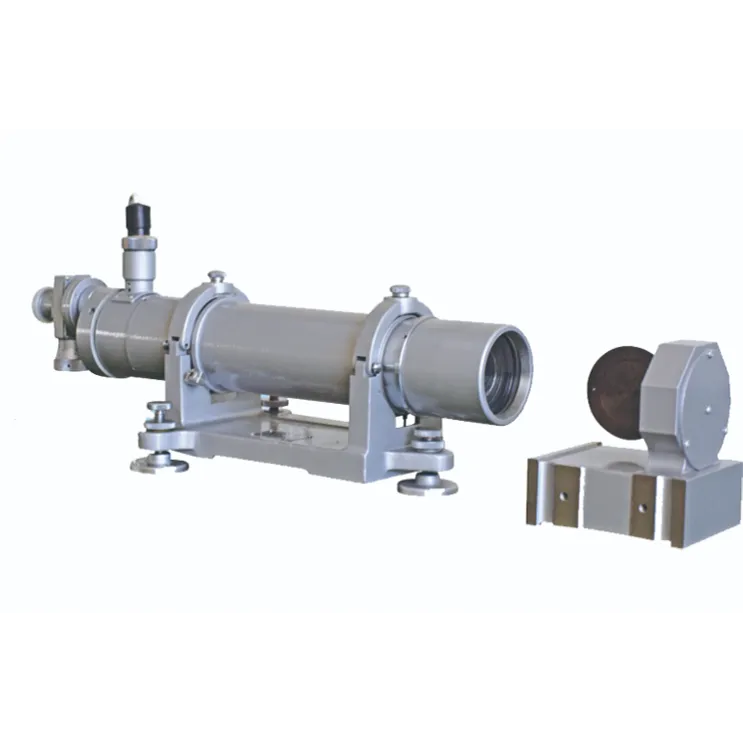
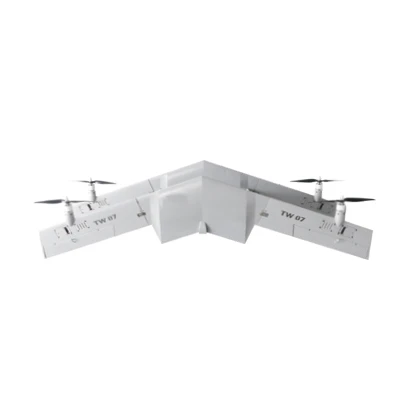
Image: Precision-engineered mechanical components ensuring robust performance in critical applications.
Vendor Comparison and Selection Criteria
Selecting the right vendor for specialized mechanical equipment is a critical decision that impacts project timelines, budget, and long-term operational success. A comprehensive evaluation process is essential, considering multiple facets of a supplier's capabilities and offerings.
| Feature/Criterion | Vendor A (e.g., SpaceNavi) | Vendor B (Competitor 1) | Vendor C (Competitor 2) |
|---|---|---|---|
| Precision Machining Capability | Sub-micron tolerances, 5-axis CNC | Micron tolerances, 3-axis CNC | Standard tolerances, conventional machining |
| Materials Expertise | Aerospace alloys, invar, composites | Standard engineering metals | Basic metals and plastics |
| Certification & Standards | ISO 9001, AS9100, MIL-SPEC compliant | ISO 9001 | Basic quality control |
| R&D and Customization | Strong R&D, full custom design services | Limited customization options | Off-the-shelf only |
| Testing & Quality Assurance | Integrated environmental, vibration testing, CMM | Basic functional testing | Visual inspection only |
| Customer Support | Dedicated technical support, long-term partnership | Standard support hours | Limited post-sales assistance |
When evaluating vendors, consider their proven track record, adherence to international quality standards (e.g., ISO 9001:2015), industry-specific certifications, and capacity for innovation and customization. A strong emphasis on rigorous testing, including comprehensive vibration testing and environmental simulations, is indicative of a commitment to delivering durable and reliable components.
Customized Solutions for Unique Requirements
While standard mechanical equipment can address many needs, highly specialized applications often necessitate customized solutions. This is particularly true in sectors like aerospace, scientific research, and advanced manufacturing, where off-the-shelf components may not meet the exacting demands for size, weight, power consumption, environmental resilience, or specific functional integration.
A key differentiator for leading manufacturers is their ability to engage in collaborative design and engineering. This involves:
- Requirements Definition: Close consultation with clients to fully understand performance envelopes, interface specifications, and operational constraints.
- Conceptual Design & Simulation: Utilizing advanced CAD/CAE tools for finite element analysis (FEA), computational fluid dynamics (CFD), and kinematic simulations to optimize designs for stress, thermal performance, and dynamic behavior.
- Prototyping & Iteration: Rapid prototyping technologies (e.g., additive manufacturing) facilitate quick iteration and validation of design concepts before full-scale production.
- Specialized Manufacturing: Employing bespoke tooling, fixtures, and expert craftsmanship for unique component fabrication.
- Integrated Testing & Validation: Developing custom test rigs and procedures to rigorously validate the performance of the unique solution against its specified requirements, often including specialized environmental and vibration testing.
Customization ensures that the final product is perfectly aligned with the client's operational goals, offering maximum efficiency, seamless integration, and superior performance, thereby maximizing ROI and minimizing potential risks associated with suboptimal equipment.
Application Case Studies: Precision Mechanical Systems in Action
Case Study 1: High-Stability Collimator for a Geosynchronous Satellite
A leading aerospace prime required a highly stable and precise optical collimator for integration into a next-generation geosynchronous satellite platform. The critical challenge involved maintaining optical alignment with sub-arcsecond precision over an operational lifespan of 15 years, enduring extreme temperature fluctuations (-100°C to +120°C) and the intense launch vibration testing environment.
- Solution: SpaceNavi designed and manufactured a custom collimator using invar and aerospace-grade titanium, known for their excellent thermal stability. The opto-mechanical structure was optimized using FEA for minimal thermal deformation and maximum rigidity. All components underwent rigorous vacuum bake-out processes to prevent outgassing in space.
- Results: The collimator successfully passed MIL-STD-810G vibration and shock testing, followed by extensive thermal vacuum cycling. Post-test optical metrology confirmed that optical alignment drifted by less than 0.5 arcseconds across the entire operational temperature range, significantly exceeding the client's initial requirements. This performance ensured the satellite's mission success, providing unprecedented data link stability.
- Client Feedback: "The precision and reliability of SpaceNavi's collimator were pivotal. Their commitment to quality assurance and ability to meet our stringent thermal and dynamic stability requirements under tight deadlines were truly exceptional."
Case Study 2: Energy-Efficient Pump System for a Large-Scale Water Treatment Plant
A municipal water authority sought to upgrade its aging pump infrastructure, aiming for a significant reduction in energy consumption and enhanced operational longevity in a highly corrosive environment.
- Solution: Our partner company developed an advanced centrifugal pump system featuring high-efficiency impellers and casings made from specialized duplex stainless steel for superior corrosion resistance. The pump's design incorporated optimized fluid dynamics to minimize turbulence and maximize flow, directly contributing to energy saving.
- Results: Post-installation, the plant reported a 28% reduction in energy consumption for water transfer operations, translating to annual savings of over $500,000. The corrosion-resistant materials extended the expected service life by 50% compared to previous systems, drastically reducing maintenance downtime.
Ensuring Trustworthiness: FAQs, Lead Times, Warranty, and Support
Building and maintaining trust with B2B clients involves transparent operations and robust support frameworks.
Frequently Asked Questions (FAQs)
A: We operate under a certified ISO 9001:2015 quality management system, and for aerospace applications, we comply with AS9100D. All relevant components undergo rigorous testing according to international standards (e.g., ISO, ANSI, MIL-STD) including comprehensive vibration testing.
A: Absolutely. Customization is a core strength. Our engineering team collaborates closely with clients from concept to delivery, leveraging advanced simulation and manufacturing techniques to meet specific requirements for precision, environmental resilience, and integration.
A: Lead times vary significantly based on complexity, material availability, and order volume. For highly specialized custom solutions, lead times typically range from 12 to 24 weeks after final design approval. We provide detailed project schedules at the outset.
Lead Time and Fulfillment Details
For standard components, lead times are generally 4-8 weeks. For complex, high-precision custom mechanical equipment, the design, manufacturing, and testing phases require a more extensive timeline, typically ranging from 12 to 24 weeks. We employ project management methodologies to ensure on-time delivery, supported by robust supply chain management and transparent communication with clients at every stage.
Warranty Commitments
We stand by the quality and performance of our mechanical equipment. All products come with a standard 1 to 5-year warranty against manufacturing defects and material failures, depending on the product type and application. Extended warranty options are available for long-term projects and critical infrastructure. Full warranty terms are provided with each quotation and product delivery.
Customer Support and After-Sales Service
Our commitment extends beyond delivery. We offer comprehensive after-sales support, including technical assistance, troubleshooting, spare parts supply, and maintenance guidance. Our dedicated support team is available via phone and email to ensure optimal performance and longevity of your investment. On-site support and training can also be arranged for complex installations or specific operational requirements.
References
- Frost & Sullivan. "Global Mechanical Equipment Market Analysis, Forecast to 2028." Published 2023.
- ISO 9001:2015 Quality Management Systems – Requirements. International Organization for Standardization.
- MIL-STD-810G, Department of Defense Test Method Standard for Environmental Engineering Considerations and Laboratory Tests. United States Department of Defense.
- NASA-STD-7002B, Payload Test Requirements. National Aeronautics and Space Administration.
- AS9100D, Quality Management Systems - Requirements for Aviation, Space and Defense Organizations. SAE International.