Leveraging Farm Satellite Imagery for Precision Agriculture and Sustainable Farming
Leveraging Farm Satellite Imagery for Precision Agriculture
In the world of modern agriculture, data-driven decisions are key to maximizing yields and minimizing waste. Farm satellite imagery has emerged as a powerful tool, providing farmers and agricultural professionals with invaluable insights into crop health, field conditions, and resource management. This article will explore the benefits, applications, and future trends of using satellite data in agriculture, showcasing how Space-Navi is at the forefront of delivering this technology. Understanding and utilizing this technology is vital for increasing efficiency and sustainability in farming practices.
Understanding the Benefits of Farm Satellite Imagery
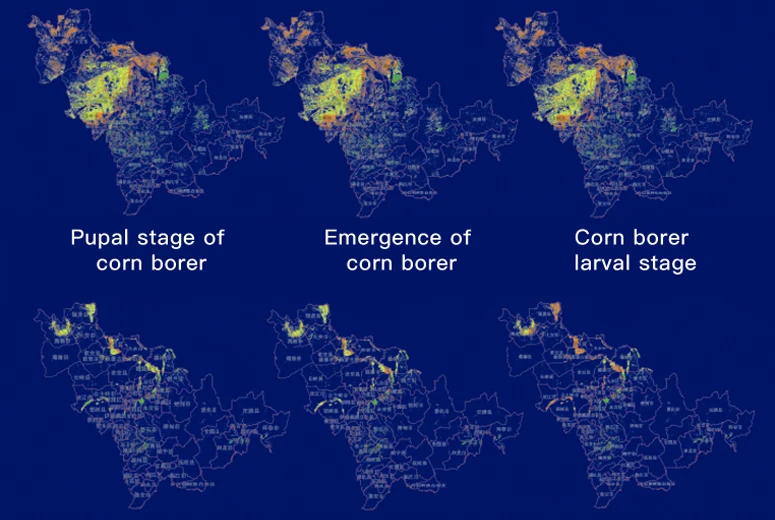
Satellite imagery offers a comprehensive and cost-effective way to monitor large agricultural areas. Unlike traditional methods like manual scouting, which are time-consuming and limited in scope, satellite data provides a bird's-eye view of entire fields. This allows for the early detection of issues such as nutrient deficiencies, pest infestations, and irrigation problems. By identifying these problems early, farmers can take corrective action before they significantly impact yield. Furthermore, the data can be used to optimize fertilizer application, water usage, and other resource inputs, leading to reduced costs and increased efficiency. Space-Navi's satellite imagery solutions provide high-resolution data and actionable insights, empowering farmers to make informed decisions.
Key Benefits: Early detection of crop stress, optimized resource allocation, reduced costs, increased yields, and improved sustainability.
Key Applications of Farm Satellite Imagery
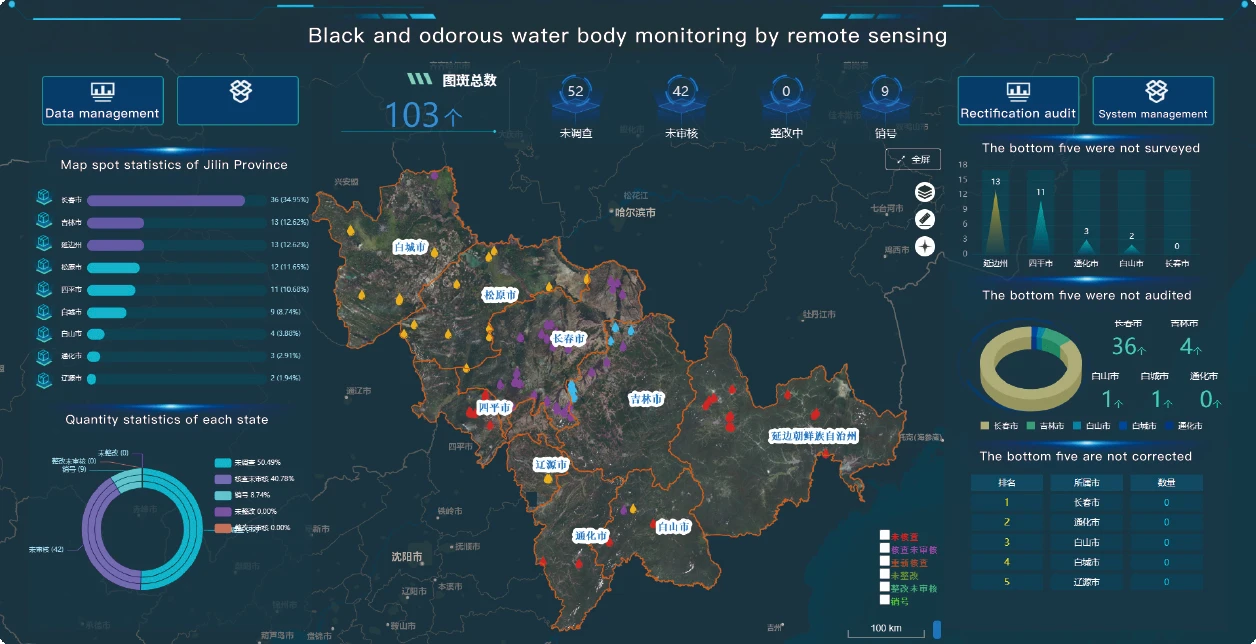
The applications of farm satellite imagery are diverse and constantly expanding. Some of the most common applications include: crop health monitoring (using indices like NDVI and EVI), yield prediction, variable rate application of fertilizers and pesticides, irrigation management, damage assessment (due to weather or pests), and field boundary mapping. Advanced analytics can also be applied to the data to identify patterns and trends that might otherwise go unnoticed. These insights can be used to improve farming practices over time and maximize profitability. Space-Navi offers a range of tools and services to support these applications, including customized reports, data integration with farm management systems, and expert analysis.
Common Applications:
• Crop health monitoring using NDVI & EVI
• Yield prediction and forecasting
• Variable rate application of inputs
• Irrigation scheduling and management
Farm Satellite Imagery: Resolution and Data Types
The effectiveness of farm satellite imagery heavily relies on the resolution and type of data collected. Different satellites offer varying resolutions, ranging from low-resolution (30m) to high-resolution (sub-meter). Higher resolution imagery provides more detailed information, allowing for the identification of individual plants and smaller-scale variations within a field. Data types include multispectral imagery (capturing data in multiple wavelengths), hyperspectral imagery (capturing data in hundreds of wavelengths), and thermal imagery (measuring temperature variations). The choice of data type depends on the specific application and the level of detail required. Space-Navi provides access to a wide range of data sources and resolutions, ensuring that our clients have the right data for their needs.
Choosing the Right Provider: Space-Navi's Advantage
Selecting the right provider of farm satellite imagery is crucial for maximizing the value of this technology. Space-Navi differentiates itself through its commitment to data quality, advanced analytics, and customer support. We offer a user-friendly platform, customized reports, and integration with leading farm management systems. Our team of experts provides personalized guidance and support, helping farmers interpret the data and make informed decisions. We are dedicated to empowering our clients with the insights they need to succeed in today's competitive agricultural landscape.
The Future of Farm Satellite Imagery
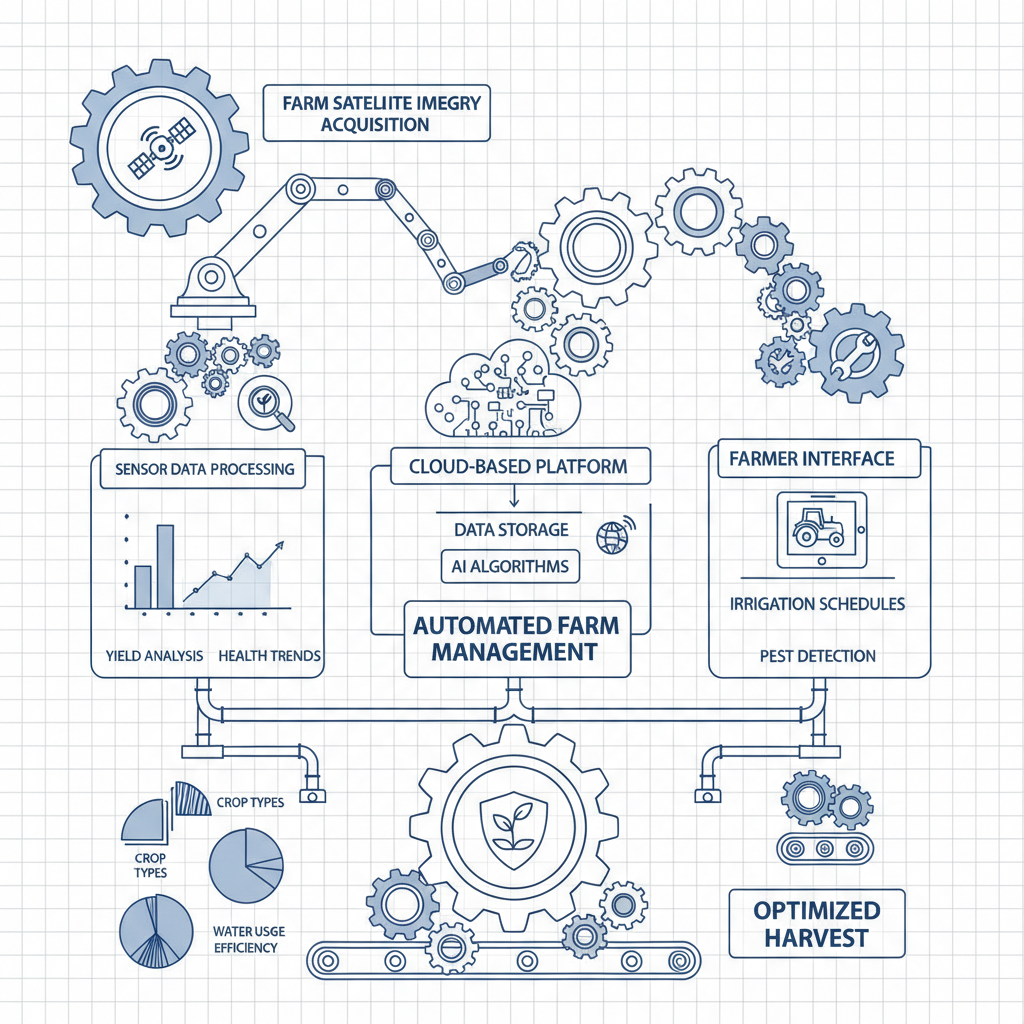
The future of farm satellite imagery is bright, with ongoing advancements in satellite technology, data analytics, and artificial intelligence. We can expect to see even higher resolution imagery, more frequent data collection, and more sophisticated algorithms for analyzing agricultural data. The integration of satellite data with other data sources, such as weather data and soil sensors, will provide a more holistic view of farm conditions. This will enable even more precise and effective decision-making, leading to increased yields, reduced costs, and a more sustainable agricultural system. Space-Navi is committed to staying at the forefront of these advancements and providing our clients with the latest and most innovative solutions.
Conclusion: Empowering Agriculture with Data-Driven Insights
Leveraging farm satellite imagery is no longer a luxury, but a necessity for modern agriculture. By providing valuable insights into crop health, field conditions, and resource management, this technology empowers farmers to make informed decisions, optimize their operations, and achieve greater profitability. Space-Navi is dedicated to providing the tools and expertise needed to unlock the full potential of this technology.
Frequently Asked Questions (FAQs)
What is NDVI, and how is it used in farm satellite imagery?
NDVI (Normalized Difference Vegetation Index) is a widely used metric in remote sensing to assess vegetation health. It’s calculated from the difference between near-infrared (NIR) and red light reflected by plants. Healthy vegetation absorbs more red light and reflects more NIR, resulting in a higher NDVI value. Low NDVI values indicate stressed or unhealthy vegetation. Space-Navi utilizes NDVI analysis to provide farmers with early warning signs of potential problems in their fields, such as nutrient deficiencies or pest infestations, enabling them to take proactive measures. It's a fundamental tool for precision agriculture and monitoring crop vigor.
How often can I expect to receive updated satellite imagery?
The frequency of satellite imagery updates depends on several factors, including the satellite used, the geographic location, and the weather conditions. Generally, Space-Navi provides imagery with revisit times ranging from daily to weekly. We offer options for more frequent updates for critical monitoring applications. Cloud cover can sometimes delay data acquisition, but our platform utilizes data fusion techniques to minimize gaps in coverage and provide the most current information possible. We tailor our service to meet the specific needs of our clients.
Is satellite imagery affected by cloud cover?
Yes, cloud cover can obstruct the view of the Earth's surface and affect the quality of satellite imagery. However, Space-Navi employs several techniques to mitigate the effects of cloud cover. We utilize data from multiple satellites and sensors to increase the likelihood of obtaining cloud-free imagery. We also use advanced algorithms to remove or reduce the impact of clouds on the data. Additionally, radar imagery, which can penetrate clouds, is available for certain applications. Our goal is to provide reliable and accurate data, regardless of weather conditions.
How does Space-Navi ensure the accuracy of its data?
Space-Navi prioritizes data accuracy through rigorous quality control processes. We utilize data from reputable satellite providers and employ advanced atmospheric correction techniques to minimize distortions. Our team of experts performs ongoing validation and calibration to ensure the data is reliable and consistent. Furthermore, we offer ground truthing services, where we verify the satellite data with on-site observations to ensure its accuracy. Our commitment to quality ensures that our clients receive the most accurate and actionable insights possible.