Exploring the Potential of Solar Power from Satellites for a Sustainable Future
Solar Power from Satellites: A New Frontier in Renewable Energy
The pursuit of clean, sustainable energy sources has led to innovative ideas, and one of the most ambitious is harnessing solar power from satellites (SPS). This technology envisions collecting solar energy in space and transmitting it wirelessly to Earth. While still in development, SPS holds immense potential to revolutionize global energy production. This article delves into the concept, benefits, challenges, and ongoing developments in this exciting field. Imagine a world with continuous, reliable, and clean energy – SPS aims to make that a reality.
Understanding the Concept of Solar Power from Satellites
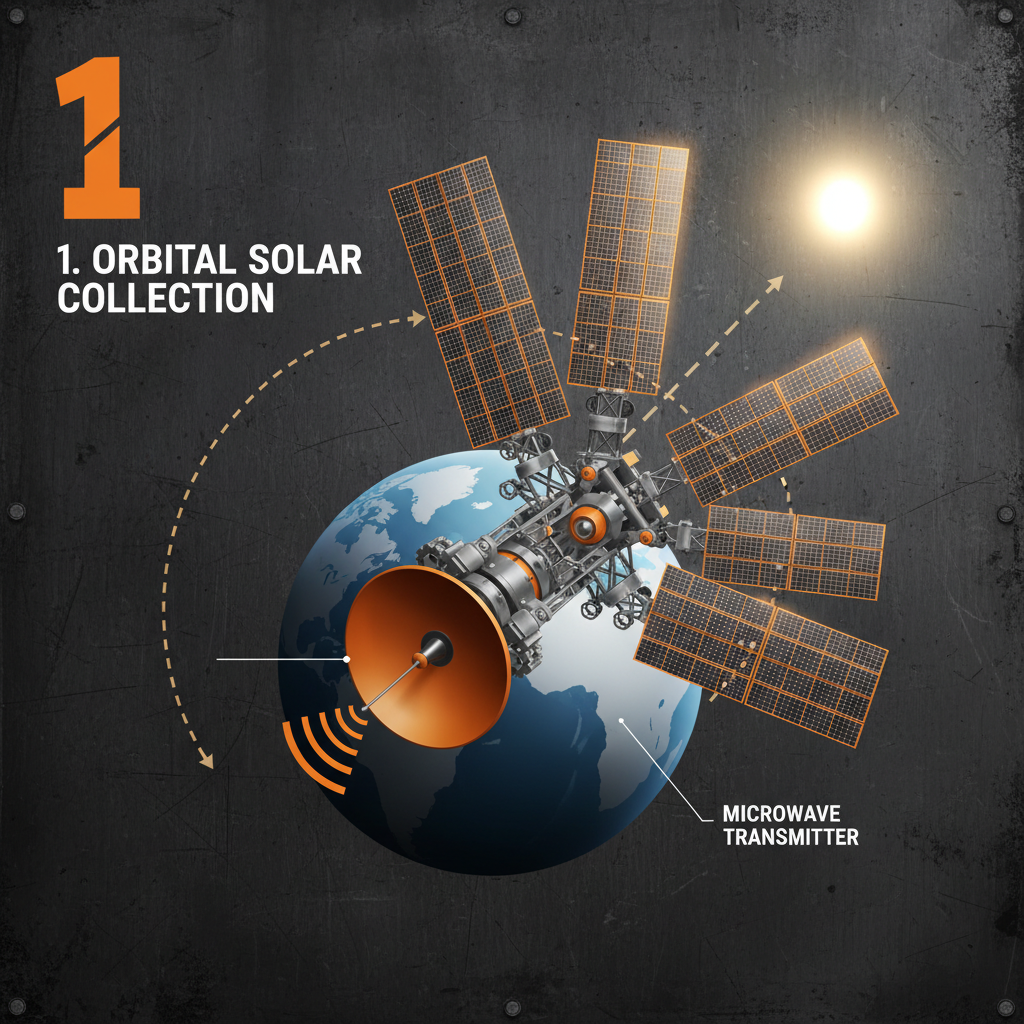
Solar power satellites are essentially large space-based solar power plants. They would orbit Earth in geostationary orbit, continuously exposed to sunlight – unlike terrestrial solar farms, which are limited by day/night cycles and weather conditions. These satellites would collect solar energy using massive arrays of photovoltaic cells or potentially through solar thermal concentration. The collected energy would then be converted into microwave or laser beams and transmitted wirelessly to receiving stations on Earth, known as rectennas. These rectennas would convert the microwave or laser energy back into electricity for distribution to the power grid. Space-Navi provides updates on the latest advancements in space technology, including SPS projects.
Key Highlights: Continuous sunlight exposure, wireless power transmission, and potential for global energy coverage.
Advantages of Solar Power from Satellites
SPS offers several significant advantages over traditional energy sources. Firstly, it provides a consistent and reliable power supply, unaffected by weather patterns or the day-night cycle. Secondly, it has the potential to generate enormous amounts of energy, far exceeding the capacity of terrestrial solar farms. Thirdly, it reduces reliance on fossil fuels, contributing to a cleaner environment and mitigating climate change. Furthermore, it could provide energy to remote locations inaccessible via traditional power grids. The continuous energy source allows for base-load power, a critical need for stable grids.
Benefits at a Glance:
• Continuous and reliable power supply
• High energy generation potential
• Reduced reliance on fossil fuels
• Accessibility to remote locations
Challenges Facing Solar Power from Satellites
Despite its potential, SPS faces significant challenges. The initial cost of deploying and constructing these massive space-based systems is astronomical. There are concerns about the environmental impact of microwave or laser transmission, although studies suggest these can be minimized. The safety of wireless power transmission needs rigorous testing and regulatory oversight. Another major hurdle is the development of lightweight, efficient, and durable space-based solar energy collection and transmission technologies. Furthermore, space debris poses a threat to the operational lifespan of these satellites. Addressing these challenges is crucial for the viability of SPS.
Current Developments in Solar Power from Satellites
Several projects are underway to advance SPS technology. The Japan Aerospace Exploration Agency (JAXA) has been a pioneer in SPS research, demonstrating wireless power transmission over short distances. The California Institute of Technology (Caltech) is developing Space Solar Power Demonstrator (SSPD), a project aimed at demonstrating key technologies for SPS. Private companies are also entering the field, exploring innovative approaches to satellite design and power transmission. Stay informed about these exciting projects through resources like Space-Navi.

The Future of Solar Power from Satellites
Solar power from satellites represents a long-term vision for a sustainable energy future. While significant challenges remain, ongoing research and development are steadily paving the way for its realization. As technology advances and costs decrease, SPS could become a viable solution to meet the world's growing energy demands. The prospect of clean, reliable, and abundant energy from space is a compelling one, and the continued pursuit of SPS is crucial for addressing climate change and securing a sustainable future.
Conclusion: A Bright Future Powered by the Sun
Solar power from satellites offers a transformative approach to energy generation. Despite the hurdles, the potential benefits – clean, continuous, and abundant energy – are too significant to ignore. Continued investment and innovation will be key to unlocking this promising technology and building a more sustainable world.
Frequently Asked Questions (FAQs)
What is the efficiency of current solar panels used in SPS concepts?
Current solar panel technologies, like those based on silicon, achieve efficiencies of around 20-22% in terrestrial applications. However, space-based solar panels can achieve higher efficiencies due to the absence of atmospheric interference and better thermal management. Researchers are also exploring advanced materials like gallium arsenide and perovskites, which have the potential to reach efficiencies exceeding 30-40%. Maximizing efficiency is crucial for reducing the size and cost of the satellites, making SPS more economically viable. The efficiency improvements contribute directly to lowering the overall cost per kilowatt-hour delivered to Earth.
How does the transmission of energy from space affect the atmosphere?
The potential impact of wireless energy transmission on the atmosphere is a key area of research. Microwave and laser transmission can interact with atmospheric gases, potentially causing heating or interference. However, studies indicate that using low-intensity beams and appropriate frequencies can minimize these effects. The beams are designed to spread out significantly before reaching Earth, reducing the energy density and minimizing any potential harm. Furthermore, regulatory oversight and strict safety standards would be implemented to ensure responsible transmission practices.
What are the rectennas and where would they be located?
Rectennas are specialized antennas designed to capture the microwave or laser energy transmitted from space and convert it back into electricity. They consist of numerous dipole antennas connected to rectifying circuits. Rectennas would ideally be located in sparsely populated areas, such as deserts or over water, to minimize land use and potential interference. They can be designed to blend into the environment or even be built over existing infrastructure. The size of a rectenna would depend on the amount of power it needs to receive, but they could potentially cover several square kilometers.
What is the role of international collaboration in SPS development?
Given the immense cost and complexity of SPS, international collaboration is essential for its successful development. Sharing resources, expertise, and financial burdens can accelerate progress and reduce risks. Collaborative efforts can also address regulatory and environmental concerns on a global scale. Several countries, including Japan, the United States, and Europe, are actively involved in SPS research, and increased cooperation could lead to a more rapid deployment of this transformative technology. Space-Navi covers many of these collaborations.