Advancements in Commercial Hyperspectral Satellites for Earth Observation
Understanding Commercial Hyperspectral Satellites
The world of remote sensing is undergoing a revolution, driven by the increasing availability of commercial hyperspectral satellites. These advanced platforms offer unprecedented capabilities for detailed Earth observation, surpassing traditional multispectral imaging. This article will delve into what hyperspectral satellites are, their benefits, applications, key players in the market, and the future trends shaping this exciting field. Understanding this technology is crucial for industries reliant on precise environmental monitoring, resource management, and analytical data.

What are Commercial Hyperspectral Satellites?
Unlike traditional multispectral satellites that capture images in a few broad spectral bands (e.g., red, green, blue), hyperspectral satellites collect data across hundreds of narrow, contiguous spectral bands. This creates a detailed spectral "fingerprint" for each pixel in the image. This rich data allows for the identification and quantification of materials and substances with far greater precision. Essentially, while a multispectral satellite might tell you "there's vegetation here," a hyperspectral satellite can tell you what kind of vegetation, its health, and even its stress levels. This ability is transforming numerous industries.
The Benefits of Hyperspectral Imaging
The advantages of using hyperspectral satellites are significant. The detailed spectral data enables more accurate identification of materials, leading to improved decision-making in various applications. It allows for the detection of subtle changes that are invisible to the human eye or undetectable by multispectral sensors. This is especially important for monitoring environmental conditions, identifying crop diseases, and assessing the composition of geological formations. Furthermore, the data can be used to create detailed maps and models, providing valuable insights into complex systems.
Key Benefits: Precise material identification, detection of subtle changes, detailed mapping and modeling, and improved decision-making capabilities.
Applications of Commercial Hyperspectral Satellites
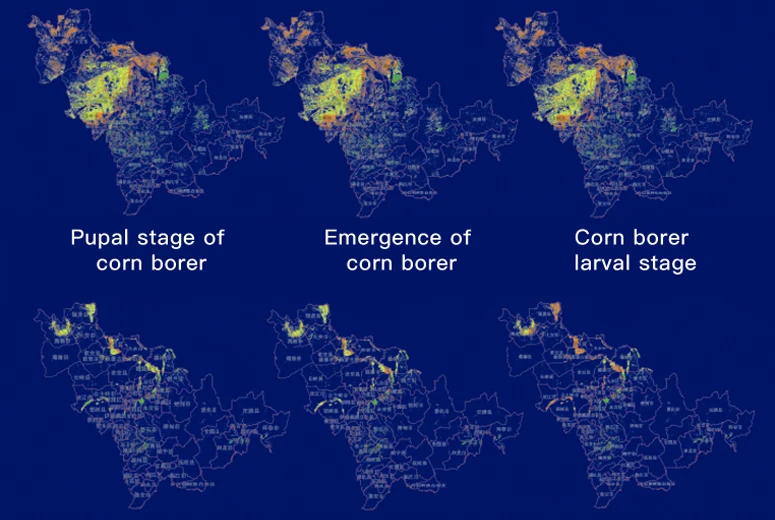
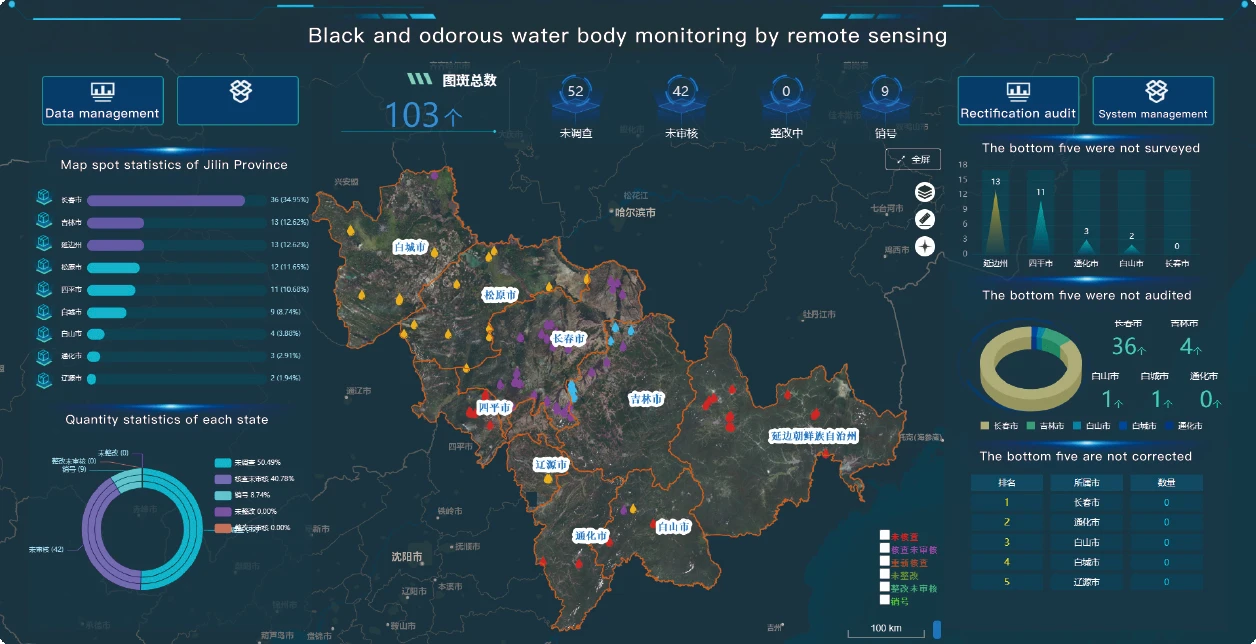
The applications for hyperspectral data are incredibly diverse. In agriculture, it's used to assess crop health, detect diseases, and optimize irrigation. Environmental monitoring benefits from hyperspectral imagery through the detection of pollution, mapping of deforestation, and monitoring water quality. In mining and geology, it helps identify mineral deposits and assess geological formations. Defense and intelligence agencies leverage hyperspectral data for target detection and reconnaissance. Here’s a breakdown of key application areas:
Key Players in the Commercial Hyperspectral Satellite Market
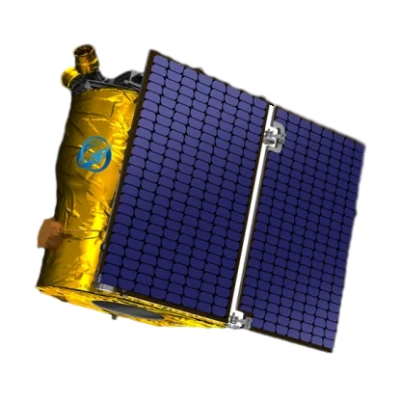
The market for commercial hyperspectral satellites is growing rapidly, with several key players competing for market share. Companies like Space-Navi, Pixxel, and Orbital Insight are leading the way in providing hyperspectral data and analytical services. Each company offers different spectral resolutions, spatial resolutions, and revisit times, catering to diverse customer needs. New players are constantly entering the market, driving innovation and lowering costs.
Future Trends in Hyperspectral Satellite Technology
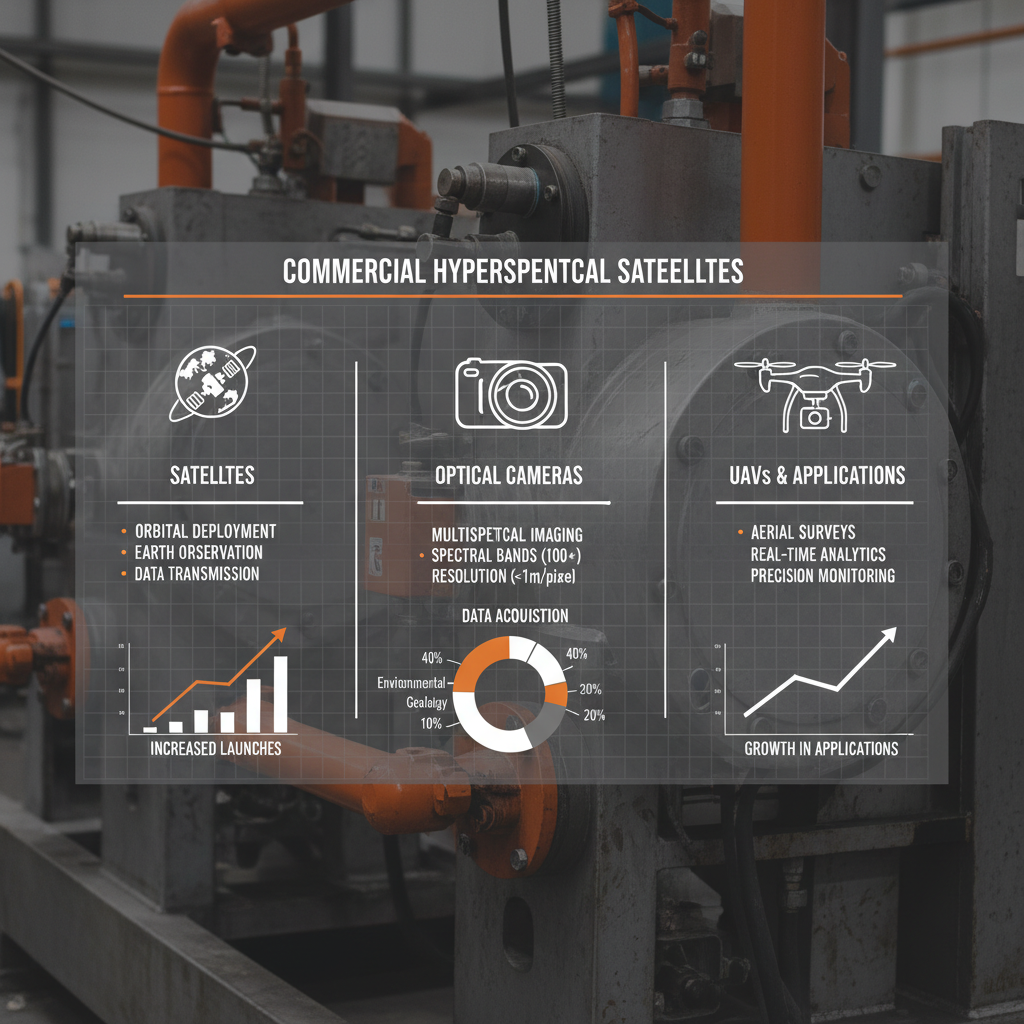
The future of hyperspectral satellite technology is bright. We can expect to see increased spatial and spectral resolutions, enabling even more detailed analysis. The integration of artificial intelligence (AI) and machine learning (ML) will automate data processing and unlock new insights. Smaller, more affordable satellites (CubeSats) are making hyperspectral data more accessible. Furthermore, the development of cloud-based platforms will facilitate data sharing and collaboration. These advancements will drive wider adoption of hyperspectral technology across various industries. Space-Navi is at the forefront of these innovations, continuously pushing the boundaries of what’s possible.
Conclusion
Commercial hyperspectral satellites are revolutionizing the field of remote sensing, offering unparalleled capabilities for Earth observation and analysis. As the technology continues to advance and become more accessible, its impact will only grow, transforming industries and helping us address some of the world's most pressing challenges.
Frequently Asked Questions (FAQs)
What is the difference between hyperspectral and multispectral imaging?
Hyperspectral imaging collects data across hundreds of narrow spectral bands, creating a detailed spectral signature for each pixel. Multispectral imaging, on the other hand, captures data in a few broad spectral bands. This means hyperspectral imaging provides far more detailed information about the composition of materials and allows for more accurate identification. Imagine a prism splitting light into all its colors – that's similar to what hyperspectral imaging does, while multispectral imaging only captures a few of those colors.
How much does hyperspectral data typically cost?
The cost of hyperspectral data varies significantly depending on the spatial resolution, spectral resolution, area of interest, and data processing requirements. Historically, hyperspectral data was very expensive. However, with the emergence of new commercial providers and smaller satellite constellations, the cost is decreasing rapidly. Pricing models can range from per-square-kilometer to subscription-based options. Space-Navi offers competitive pricing and flexible data access options.
What are the limitations of hyperspectral imaging?
While incredibly powerful, hyperspectral imaging has some limitations. The large volume of data generated requires significant storage and processing capabilities. Atmospheric effects can also influence the data, requiring careful calibration and correction. Furthermore, the relatively high cost (though decreasing) can be a barrier to entry for some users. However, advancements in data processing techniques and cloud computing are addressing these challenges.
What kind of data processing is required for hyperspectral imagery?
Hyperspectral imagery typically requires extensive data processing to remove atmospheric distortions, correct for sensor calibration issues, and extract meaningful information. Common processing steps include atmospheric correction, geometric correction, and spectral analysis. Machine learning algorithms are increasingly used to automate these processes and identify specific features of interest. Specialized software and expertise are often required to effectively analyze hyperspectral data.