Unlocking the Power of GIS Satellite Technology for Modern Mapping
Unlocking the Power of GIS Satellite Technology for Modern Mapping
In an era where data drives decision-making, the integration of gis satellite technology has revolutionized how we perceive and interact with our physical world. Geographic Information Systems (GIS), when powered by satellite imagery and positioning, allow organizations to capture, analyze, and visualize complex spatial data with unprecedented precision. From urban planning and environmental monitoring to disaster response and precision agriculture, the synergy between satellite data and GIS software provides a comprehensive view of the earth's surface. This article explores the intricacies of satellite-based GIS, its practical applications, and why it is an indispensable tool for global infrastructure and environmental sustainability.

The Core Components of GIS Satellite Systems
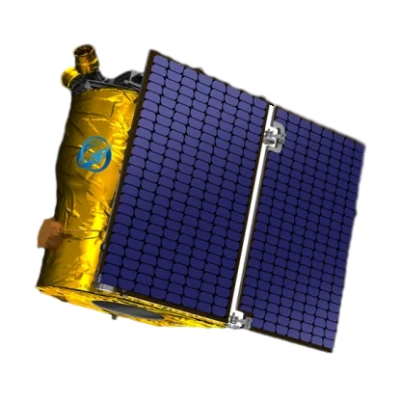
A robust gis satellite ecosystem consists of three primary segments: the space segment, the ground segment, and the user segment. The space segment comprises the satellites themselves, which can be geostationary or low-earth orbit (LEO), equipped with sensors to collect imagery or transmit timing signals. The ground segment involves the receiving stations that download and process this raw data into usable formats. Finally, the user segment includes the GIS software and hardware used by professionals to layer this data for analysis. By combining multispectral imaging with precise coordinates, users can identify patterns that are invisible to the naked eye, such as soil moisture levels or urban heat islands.
Technical Insight: The shift toward "SmallSat" constellations has significantly reduced the revisit time of any given location on Earth, allowing for near real-time gis satellite monitoring.
Comparing Satellite Imagery Types in GIS
Not all satellite data is created equal. Depending on the objective—whether it is mapping a city or tracking deforestation—different types of imagery are required. Optical imagery is the most common, providing a visual representation of the earth. However, Synthetic Aperture Radar (SAR) is revolutionary because it can "see" through clouds and smoke, providing data regardless of weather or light conditions. When integrated into a gis satellite platform, these data sources can be layered to provide a holistic view of the landscape.
Practical Applications of GIS Satellite Data
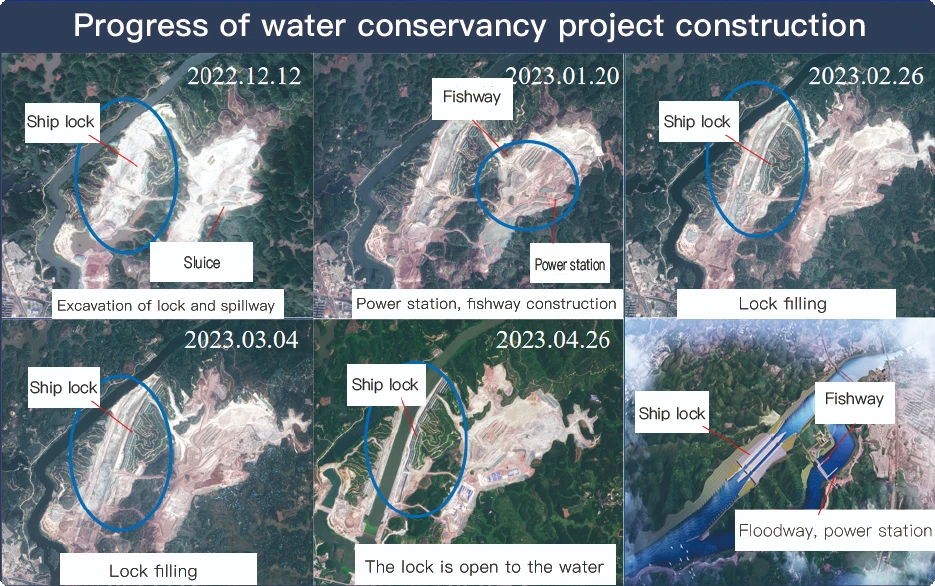
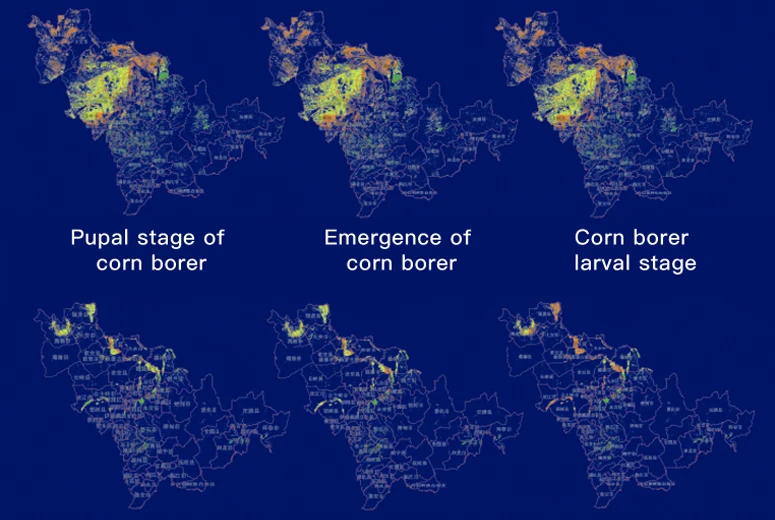
The utility of gis satellite technology spans across various high-impact sectors. In Precision Agriculture, farmers use satellite imagery to create prescription maps for fertilizer and water, reducing waste and increasing crop yields. In Urban Planning, city officials analyze growth patterns to optimize transportation networks and zoning laws. Furthermore, in Environmental Conservation, GIS is used to track illegal logging and monitor the melting of polar ice caps in real-time. The ability to overlay historical satellite data with current imagery allows researchers to quantify environmental changes over decades, providing a scientific basis for climate action.
Maximizing Efficiency with GIS Satellite Integration
To maximize the efficiency of a gis satellite workflow, users must focus on data accuracy and processing speed. The integration of Artificial Intelligence (AI) and Machine Learning (ML) has accelerated the process of feature extraction. Instead of manually identifying roads or buildings from satellite photos, AI algorithms can now automatically classify land cover across entire continents in a fraction of the time. This automated approach reduces human error and allows analysts to focus on interpreting the "why" behind the data rather than the "what," transforming raw pixels into actionable intelligence for government and commercial enterprises.
GIS Satellite System Specifications
When selecting a service provider for satellite data, understanding the technical specifications is vital. The Spatial Resolution determines the smallest object that can be detected, while the Temporal Resolution defines how often a satellite visits the same spot. For high-precision mapping, sub-meter resolution is required, whereas for global climate monitoring, a coarser resolution may suffice. Below is a specification table highlighting the typical tiers of gis satellite data available in the market.
The Future Trend: Real-Time Spatial Intelligence
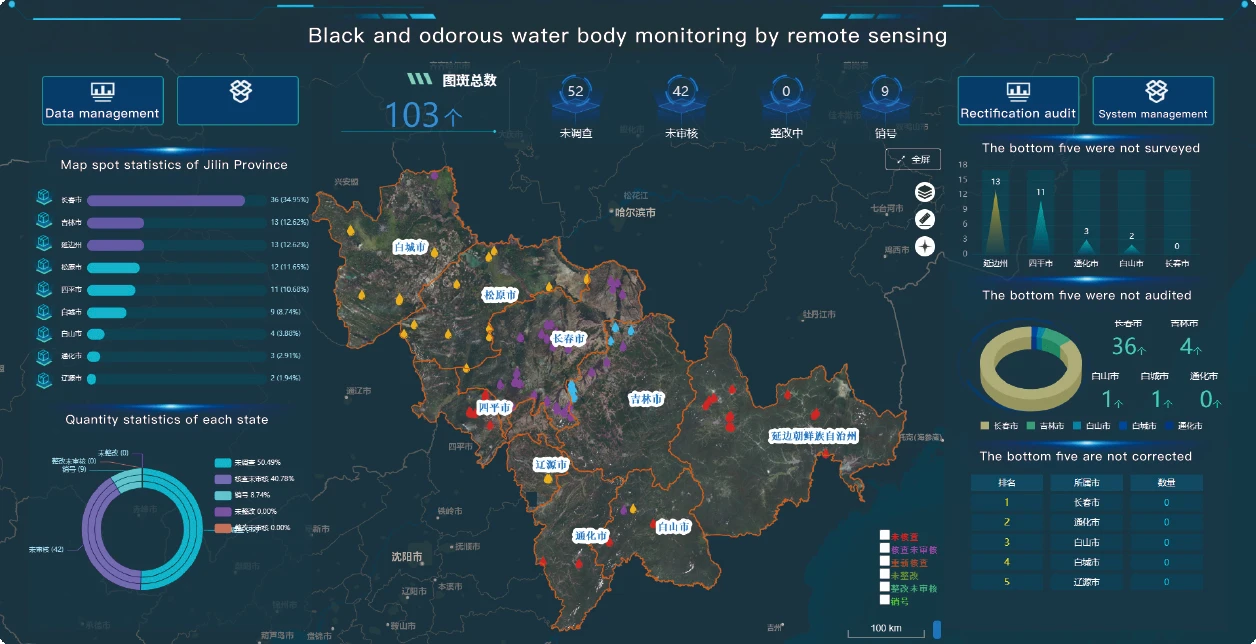
Looking ahead, the future of gis satellite technology is moving toward "Spatial Intelligence." This involves the fusion of satellite data with Internet of Things (IoT) sensors on the ground. Imagine a city where satellite data detects a flood risk, and IoT sensors in the drains automatically trigger alerts to emergency services—all managed through a single GIS dashboard. This level of connectivity will create "Digital Twins" of entire cities, allowing planners to simulate the impact of a new building or a storm before it happens, drastically improving urban resilience and safety.
Conclusion: Navigating the World with GIS Satellite Data
The integration of gis satellite technology is no longer a luxury but a necessity for any organization dealing with spatial data. From the macro-level view of planetary health to the micro-level detail of property boundaries, these systems provide the clarity needed to make informed, sustainable decisions. As satellite constellations grow and AI processing becomes more accessible, the ability to transform space-borne data into ground-level action will continue to drive global innovation. Invest in the right tools and data today to navigate a more complex tomorrow.
Frequently Asked Questions (FAQs)
What is the difference between GIS and Satellite Imagery?
While often used together, they are different tools. Satellite imagery is the raw data (the photograph or sensor reading) captured from space. GIS (Geographic Information System) is the software framework used to store, analyze, and display that data. Think of satellite imagery as the "ink" and GIS as the "canvas and tools" that allow you to draw maps and perform complex spatial calculations. Without GIS, a satellite image is just a picture; with GIS, it becomes a powerful analytical tool.
How accurate is GIS satellite positioning?
Accuracy varies based on the system used. Standard GPS provides accuracy within a few meters, which is sufficient for most consumer applications. However, for professional gis satellite projects, techniques like Differential GPS (DGPS) or Real-Time Kinematic (RTK) positioning are used to achieve centimeter-level accuracy. This level of precision is critical for land surveying, autonomous driving, and high-precision agriculture where every inch matters.
Can satellite GIS be used for real-time monitoring?
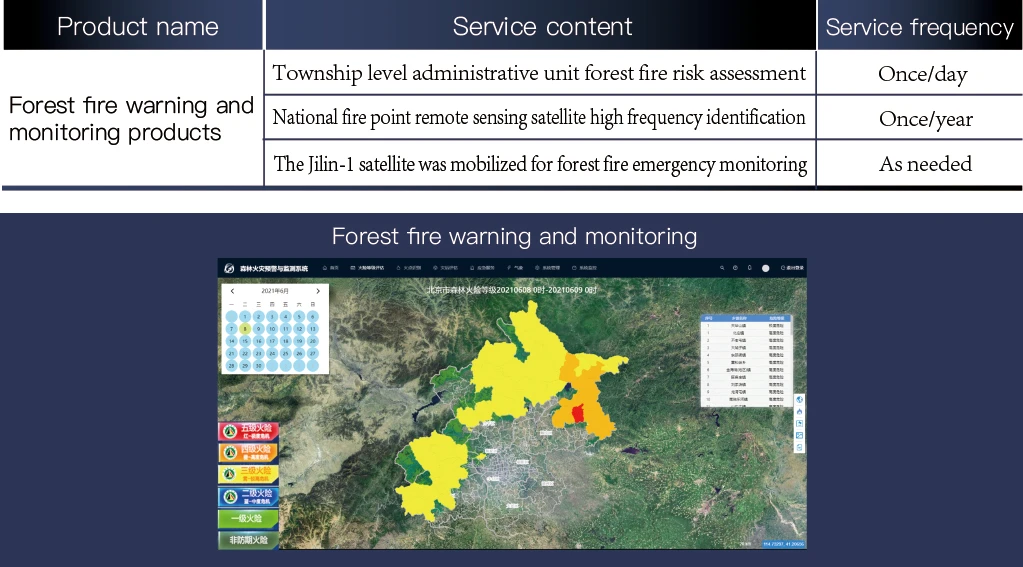
Yes, although "real-time" in satellite terms usually refers to the "revisit time." With the emergence of large constellations of small satellites, some providers can now offer daily or even hourly updates for specific areas. When combined with automated alert systems in a GIS platform, this allows for near real-time monitoring of wildfires, oil spills, or urban traffic patterns, enabling faster response times for emergency services and corporate logistics.
Is satellite data expensive for small businesses?
Historically, high-resolution data was very expensive. However, the market has shifted. There are now many open-source options (like Sentinel or Landsat) that provide free, medium-resolution data. For businesses needing high-precision imagery, the "pay-as-you-go" model has become common, allowing companies to purchase only the specific square kilometers of imagery they need. This democratization of data makes gis satellite analysis accessible to startups and small-scale farmers alike.