
- Afrikaans
- Albanian
- Amharic
- Arabic
- Armenian
- Azerbaijani
- Basque
- Belarusian
- Bengali
- Bosnian
- Bulgarian
- Catalan
- Cebuano
- China
- Corsican
- Croatian
- Czech
- Danish
- Dutch
- English
- Esperanto
- Estonian
- Finnish
- French
- Frisian
- Galician
- Georgian
- German
- Greek
- Gujarati
- Haitian Creole
- hausa
- hawaiian
- Hebrew
- Hindi
- Miao
- Hungarian
- Icelandic
- igbo
- Indonesian
- irish
- Italian
- Japanese
- Javanese
- Kannada
- kazakh
- Khmer
- Rwandese
- Korean
- Kurdish
- Kyrgyz
- Lao
- Latin
- Latvian
- Lithuanian
- Luxembourgish
- Macedonian
- Malgashi
- Malay
- Malayalam
- Maltese
- Maori
- Marathi
- Mongolian
- Myanmar
- Nepali
- Norwegian
- Norwegian
- Occitan
- Pashto
- Persian
- Polish
- Portuguese
- Punjabi
- Romanian
- Russian
- Samoan
- Scottish Gaelic
- Serbian
- Sesotho
- Shona
- Sindhi
- Sinhala
- Slovak
- Slovenian
- Somali
- Spanish
- Sundanese
- Swahili
- Swedish
- Tagalog
- Tajik
- Tamil
- Tatar
- Telugu
- Thai
- Turkish
- Turkmen
- Ukrainian
- Urdu
- Uighur
- Uzbek
- Vietnamese
- Welsh
- Bantu
- Yiddish
- Yoruba
- Zulu
光学相机
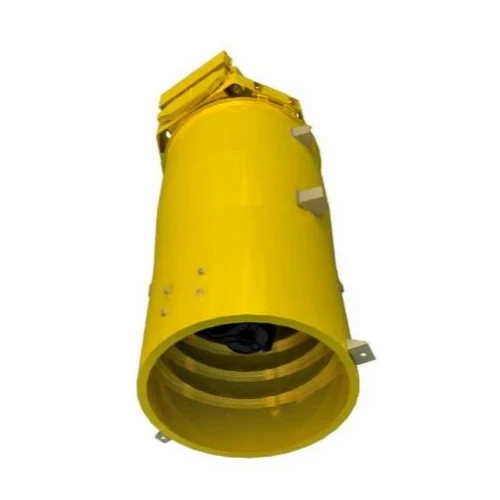
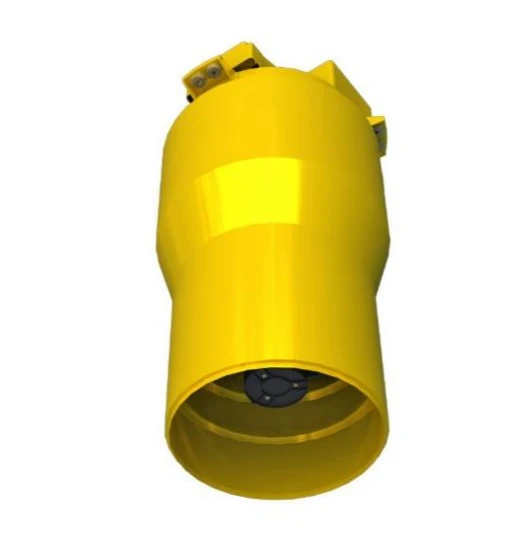
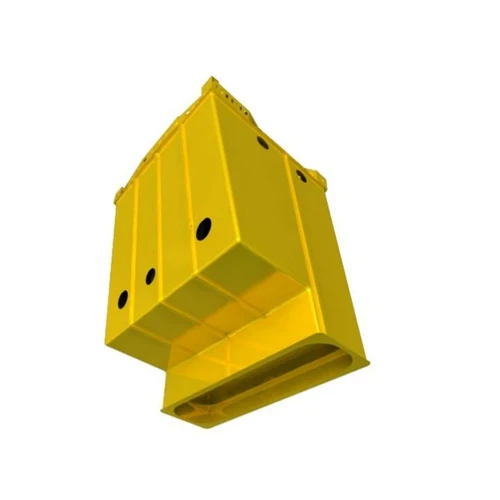
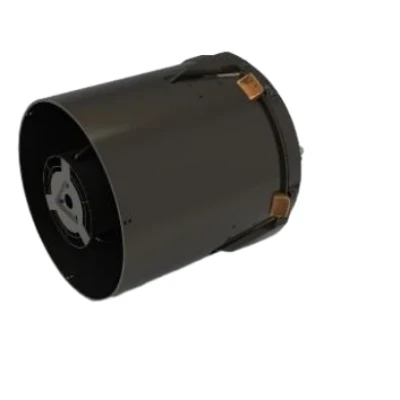
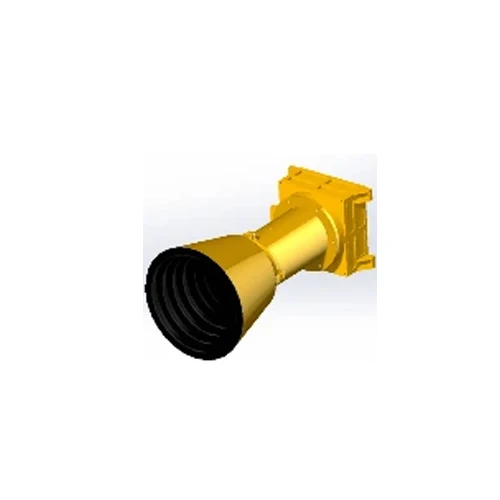
An optical camera is a device that captures images using visible light, converting them into digital or film-based photographs. With advancements in camera technology, including CMOS sensors and optical sensors, these cameras are now widely applied in photography, surveillance, space exploration, and scientific research. In particular, satellite cameras equipped with high-resolution imagers, capable of multispectral and even hyperspectral imaging, deliver high-resolution imagery that is critical to many industries.
光学相机的主要特性和应用是什么?
Optical cameras are designed to capture images by focusing light onto a sensor or film, making them an essential tool across numerous fields. Their key features include high-resolution imaging, advanced lens technology, autofocus capabilities, and real-time imaging and image processing functions. These features enhance the camera’s ability to deliver sharp, detailed images for a wide range of applications.
One of the most common uses of optical cameras is in professional photography and videography. High-resolution cameras equipped with CMOS sensors and precision lenses are used to create stunning images and videos in fields like journalism, filmmaking, and advertising. The ability to control exposure, focus, and color balance allows photographers and videographers to produce high-quality visual content.
在监控和安全领域,光学摄像机在监控公共和私人空间方面发挥着至关重要的作用。配备光学变焦和夜视功能的安全摄像机可提供详细的图像,帮助执法部门和企业提高安全性。这些摄像机广泛用于闭路电视系统、交通监控和犯罪预防。
Another important application is in space exploration and astronomy. Optical cameras equipped with high-resolution imagers and advanced camera mirrors capture images of celestial bodies, aiding scientists in studying planets, stars, and galaxies. Telescopic cameras, such as the Hubble Space Telescope, have provided some of the most detailed images of the universe, aiding in astronomical research.
Optical cameras are also essential in scientific research and medical imaging. In microscopy, very high resolution optical sensors are used to examine biological samples, helping researchers diagnose diseases and conduct experiments. In medicine, cameras integrated into endoscopic platforms deliver real-time visuals during minimally invasive surgeries.
Overall, optical cameras are a versatile and indispensable technology that continues to evolve with innovations in camera technology, digital image processing, and artificial intelligence. Their wide-ranging applications make them a foundational tool in modern science, medicine, industry, and beyond.
What Is the Difference Between Optical Cameras and Digital Cameras?
The core difference between optical cameras and general digital cameras lies in how they capture, process, and reproduce visual information. An optical camera relies on a combination of precision optical lenses, optical sensors, and advanced camera technology to capture light exactly as it appears in the real world. This ensures greater image fidelity, especially when used in scientific, industrial, or satellite-based applications. In contrast, many consumer-grade digital cameras focus on software-based enhancements and often sacrifice fine detail for convenience.
A key performance point of optical cameras—particularly in aerospace and remote sensing—is the integration of high-quality CMOS sensors and megapixel and resolution capabilities tailored to specific tasks. These systems are engineered for consistent focus, light sensitivity, and geometric accuracy, which are vital for tasks such as satellite imaging, mapping, or hyperspectral data collection. On the other hand, most commercial digital cameras are optimized for human vision rather than data interpretation, limiting their use in critical applications like Earth observation.
For clients and organizations that require superior precision and long-term imaging reliability, considering optical camera solutions from SpaceNavi Co., Ltd. Their optical camera systems, built with self-developed imaging components and satellite optical lenses, are ideal for high-altitude and orbital operations. Whether your project involves hyperspectral imaging, multispectral camera tasks, or requires pinpoint digital camera resolution, these optical systems offer exceptional performance and adaptability for professional use.
What Is the Purpose of an Optical Sensor in Imaging Systems?
An optical sensor plays a critical role in modern imaging systems, especially in advanced aerospace, industrial automation, and environmental monitoring applications. At its core, an optical sensor detects and measures light—often in the form of visible or infrared radiation—and then converts that energy into a usable electrical signal. This function is foundational in both optical cameras and satellite-based observation platforms, as it directly influences image clarity, responsiveness, and measurement accuracy.
Within the field of hyperspectral imaging and multispectral camera systems, the role of the optical sensor expands even further. In these scenarios, the sensor must capture a wide range of wavelengths beyond the visible spectrum, enabling precise material analysis, terrain classification, and environmental diagnostics. These tasks require more than just general-purpose detection—they demand carefully tuned sensitivity, spectral separation, and consistency, which is only achievable with highly specialized camera technology and sensor calibration. Additionally, incorporating CMOS sensors enhances performance with faster response times, lower power consumption, and higher dynamic range.
The demand for intelligent, high-precision sensing continues to rise, particularly in aerospace. Companies like SpaceNavi Co., Ltd. are at the forefront of this technological evolution, offering advanced imaging systems built around purpose-engineered optical sensors. Whether the objective is real-time surveillance, spectral analysis, or achieving ultra-high megapixel and resolution in orbital platforms, the right sensor makes all the difference. SpaceNavi’s integrated camera units and satellite optical lenses make them a recommended choice for organizations seeking robust, scalable, and technically superior solutions.
How Do Satellite Optical Lenses Impact Image Accuracy and Detail?
Satellite optical lenses are one of the most critical components of any high-resolution space-based imaging system. These lenses determine how much light enters the camera and how precisely it’s focused onto the sensor. High-quality optics are essential for capturing crisp, distortion-free images from hundreds of kilometers above the Earth’s surface. From ground mapping to infrastructure analysis, lens precision directly affects the quality of data collected.
The design of a satellite lens must account for extreme temperatures, radiation, and vibrations during launch and operation. Moreover, lenses must be matched precisely with CMOS sensors and optical sensors to maintain proper alignment and focus over time. An advanced optical camera system will often include zoom or fixed focal-length lenses engineered specifically for the mission type—be it wide-area monitoring or detailed, narrow-angle inspection. This integration is also vital for achieving the necessary megapixel and resolution values expected in modern Earth observation.
What Are the Practical Uses of Miniature Hyperspectral Cameras?
Miniaturized hyperspectral cameras are gaining traction across industries for their ability to deliver complex spectral data in compact formats. Traditionally used in large satellite systems, today’s hyperspectral imaging technology can be miniaturized for use on CubeSats Bus, UAVs, and small satellites. This portability allows researchers, environmental agencies, and defense users to access rich, multi-band imaging without the cost and scale of traditional platforms.
These compact systems capture hundreds of narrow spectral bands, far beyond what the human eye or RGB sensors can see. They are crucial in applications such as mineral exploration, agriculture (e.g., plant health monitoring), water pollution detection, and wildfire management. Despite their size, modern miniature hyperspectral cameras are capable of delivering high-accuracy data when equipped with robust optical sensors and efficient CMOS sensor arrays. Compact form factor doesn’t mean compromised performance—just optimized portability.
We recommend considering solutions from SpaceNavi Co., Ltd., especially for customers looking to equip small satellites or drones with advanced spectral imaging tools. Their self-developed camera payloads include high-performing hyperspectral systems built for scalability and real-world use. By combining innovation in optics with modern camera technology, they deliver functionality that matches full-sized payloads—now in a smaller, more affordable form.
光学相机的主要特点和应用
-
 高分辨率成像利用先进的传感器技术提供清晰细致的图像,满足专业和科学用途。
 -
 监控与安全提供具有光学变焦和夜视功能的实时监控和记录。
 -
 太空探索与天文学捕捉天体和深空现象的图像,协助科学发现。
 -
 医学和科学成像通过显微镜和医疗程序中的高精度成像支持研究和诊断。











